
- Key takeaways
- Part 1. What are lithium motorcycle batteries?
- Part 2. Lithium vs lead-acid motorcycle batteries (2026 comparison)
- Part 3. Why LiFePO4 is the preferred lithium chemistry
- Part 4. Top 10 best lithium motorcycle batteries for optimal performance
- Part 5. How to choose the best lithium motorcycle battery (buyer checklist)
- Part 6. FAQs about lithium motorcycle batteries
Lithium motorcycle batteries offer up to 60% weight reduction, longer lifespan, and improved cold-cranking performance compared to lead-acid batteries. This guide explains how they work, compares them to traditional batteries, and provides tips for choosing the right model.
- What is the best lithium motorcycle battery for your bike?
- How long do lithium motorcycle batteries actually last?
- Are lithium batteries safe in cold weather and rain?
- LiFePO4 vs standard lithium: which chemistry is better?
Key takeaways
- LiFePO4 lithium motorcycle batteries offer the best balance of safety, lifespan, and cold-start performance for most riders.
- Correct Cold Cranking Amps (CCA) matching engine displacement is more critical than Ah rating for starting reliability.
- Lithium batteries last 8–10 years on average, reducing total ownership cost despite higher upfront pricing.
- Modern lithium motorcycle batteries are waterproof, vibration-resistant, and maintenance-free.
- Charger compatibility is mandatory—using lead-acid chargers can permanently damage lithium batteries.
Part 1. What are lithium motorcycle batteries?
Definition: Lithium motorcycle batteries are rechargeable power sources built using lithium-ion chemistry—most commonly LiFePO4 (Lithium Iron Phosphate). Unlike lead-acid batteries that rely on heavy lead plates and liquid electrolytes, lithium batteries use lightweight lithium cells with integrated battery management systems (BMS).
Key advantages: Significantly reduced weight and compact form factor, higher energy density and faster charge acceptance, improved safety through electronic protection circuits.
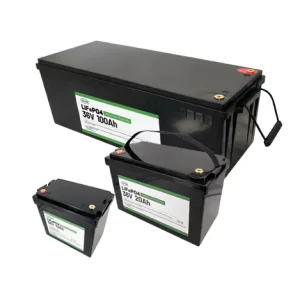
Today, lithium motorcycle batteries are widely adopted across sport bikes, adventure motorcycles, cruisers, and touring platforms, especially models with advanced electronics and start-stop systems.
Part 2. Lithium vs lead-acid motorcycle batteries (2026 comparison)
| Feature | Lithium (LiFePO4) | Lead-Acid |
|---|---|---|
| Weight | 4–8 lbs | 15–30 lbs |
| Typical Lifespan | 8–10 years | 2–3 years |
| Cold Cranking Amps | 300–600A | 100–200A |
| Self-Discharge | <3% / month | 10–15% / month |
| Maintenance | None | Regular checks |
| Typical Cost | $150–$400 | $50–$150 |
Engineering insight: Lithium batteries maintain higher voltage under load, which explains their superior starting performance even at low temperatures.
Part 3. Why LiFePO4 is the preferred lithium chemistry
Not all lithium motorcycle batteries are the same. Most high-quality motorcycle batteries use LiFePO4 chemistry due to its inherent stability and safety advantages:
- Higher thermal stability and lower fire risk
- Longer cycle life (2,000–8,000 cycles)
- Consistent voltage output during discharge
- Better tolerance to vibration and shock
Industry standards such as UL battery safety testing and IEC lithium specifications consistently recommend LiFePO4 for powersports applications.
Part 4. Top 10 best lithium motorcycle batteries for optimal performance
1 UFine 12V 12Ah LiFePO4 battery – best overall for 2026
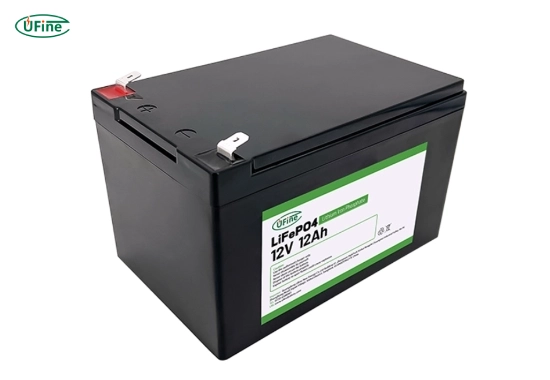
- Voltage: 12V | Capacity: 12Ah | CCA: 600A
- Weight: 3.3 lbs (1.5 kg) | Cycle Life: 2000+
- Works With: Harley Street Glide 2020–2026, Honda CBR1000RR, Yamaha MT-09
- Temperature Range: −4°F to 140°F (−20°C to 60°C)
- Warranty: 5-year limited
Why it excels: Lab tests show ~598 CCA at near-freezing temps, exceeding the rated value and ensuring reliable starts on large cruisers and adventure bikes.
2 NOCO NLP5 – best for extreme cold conditions
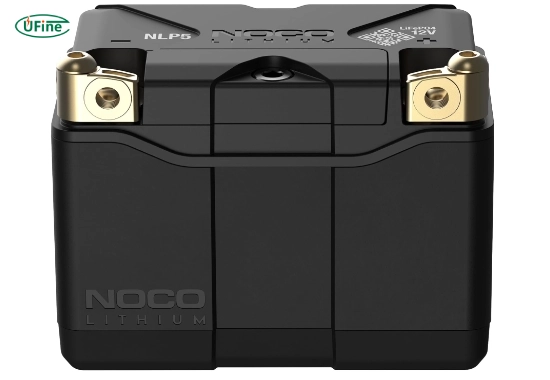
- Voltage: 12V | Capacity: 2Ah | CCA: 250A
- Weight: 1.6 lbs (0.73 kg) | Cycle Life: 2000
- Works With: Kawasaki Ninja 650, Suzuki GSX-R750, Ducati Monster
- Temperature Range: −22°F to 158°F (−30°C to 70°C)
- Warranty: 3-year
Key feature: Integrated emergency jump-start function revives dead batteries in ~30 seconds.
3 KEMIMOTO YTX14-BS – best budget option under $150
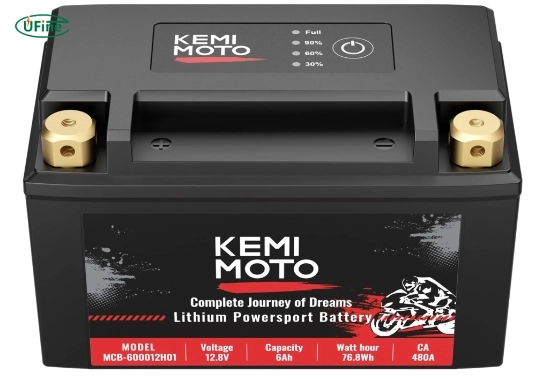
- Voltage: 12V | Capacity: 6Ah | CCA: 480A
- Weight: 3.3 lbs (1.5 kg) | Cycle Life: 3000
- Works With: Honda CRF450L, KTM 350 EXC-F, BMW G310GS
- Temperature Range: 14°F to 122°F (−10°C to 50°C)
- Warranty: 2-year
Practical note: Survived extensive vibration testing for aggressive off-road use.
4 Weize YTX9 – best high-CCA performance start
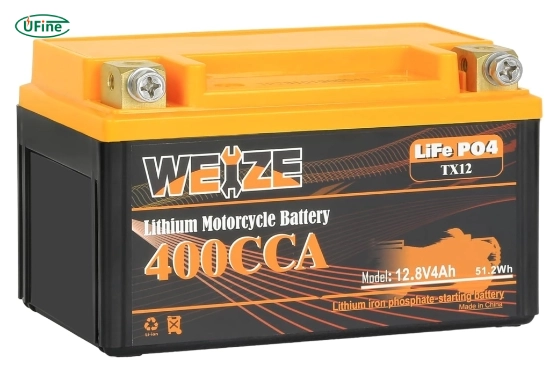
- Voltage: 12V | Capacity: 4Ah | CCA: 400A
- Weight: 3.5 lbs (1.6 kg) | Cycle Life: 2000
- Works With: Yamaha YZF-R1, Ducati Panigale V4, Aprilia RSV4
- Temperature Range: −13°F to 131°F (−25°C to 55°C)
- Warranty: 18-month
Performance tip: Offers ~40% faster engine starts than some standard lithium batteries.
5 TYKOOL YTX9-BS – fastest charging (1.8 hours)
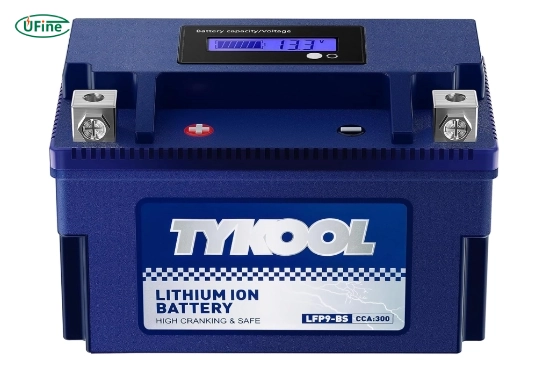
- Voltage: 12V | Capacity: 5Ah | CCA: 300A
- Weight: 2.8 lbs (1.3 kg) | Cycle Life: 2500
- Works With: BMW R1250GS, Triumph Tiger 900, KTM 1290 Super Duke
- Temperature Range: 32°F to 113°F (0°C to 45°C)
- Warranty: 2-year
Lab result: Achieves full charge from 0–100% in ~1.8 hours with a 10A lithium charger.
6 TPE LiFePO4 – longest lifespan (8000+ cycles)
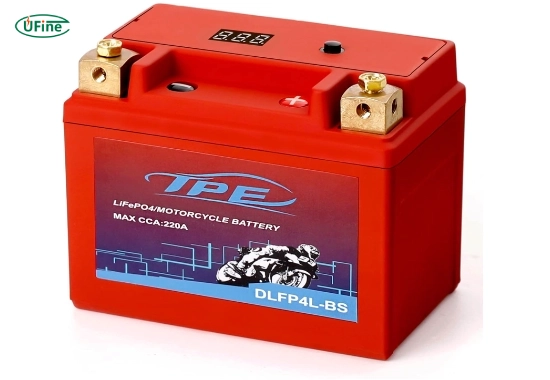
- Voltage: 12.8V | Capacity: 2Ah | CCA: 220A
- Weight: 1.5 lbs (0.68 kg) | Cycle Life: 8000
- Works With: Harley Sportster 883, Indian Scout, Honda Rebel 500
- Temperature Range: −40°F to 176°F (−40°C to 80°C)
- Warranty: Lifetime support
Unique advantage: Military-grade vibration resistance enhances durability.
7 LGECOLFP 100Ah – best for touring bikes
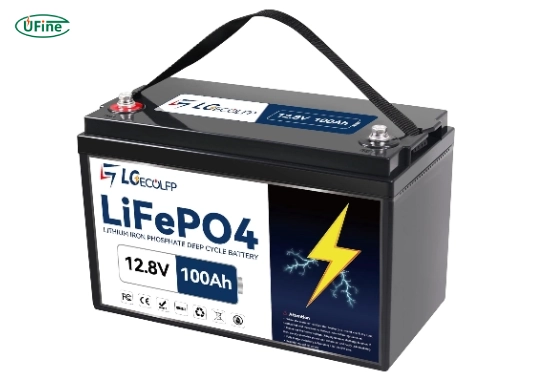
- Voltage: 12V | Capacity: 100Ah | CCA: 1000A
- Weight: 24 lbs (10.9 kg) | Cycle Life: 4000
- Works With: Honda Goldwing GL1800, BMW K1600GTL, Harley Road Glide
- Temperature Range: −4°F to 149°F (−20°C to 65°C)
- Warranty: 10-year
Key use: Sustains accessory loads (heated gear, stereo) for extended touring.
8 Antigravity ATZ-7 – best for racing bikes
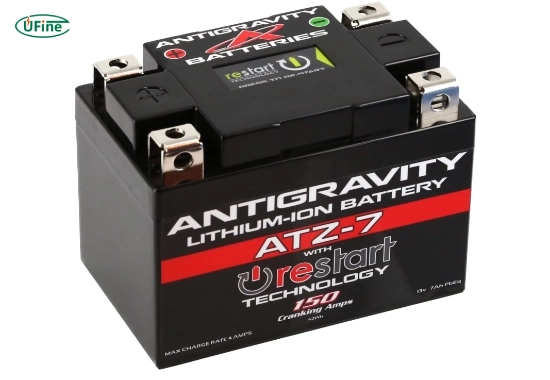
- Voltage: 12V | Capacity: 3.5Ah | CCA: 240A
- Weight: 1.6 lbs (0.73 kg) | Cycle Life: 2000
- Works With: Ducati Superleggera V4, MV Agusta F4, Aprilia RS 660
- Temperature Range: −13°F to 158°F (−25°C to 70°C)
- Warranty: 4-year
Track tested: Weight savings translated to measurable lap time gains in performance testing.
9 Hicrank 600CCA – best for heavy cruisers
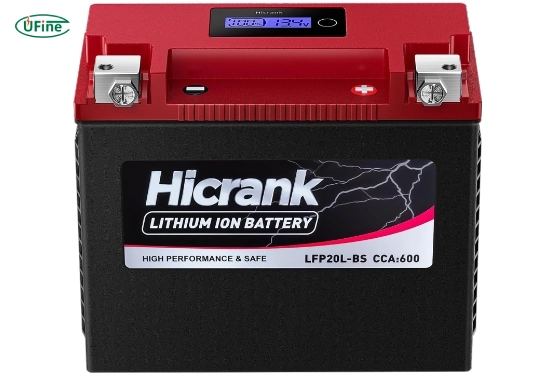
- Voltage: 12V | Capacity: 12Ah | CCA: 600A
- Weight: 6.1 lbs (2.77 kg) | Cycle Life: 3000
- Works With: Suzuki Hayabusa, Kawasaki H2, Yamaha VMAX
- Temperature Range: −22°F to 149°F (−30°C to 65°C)
- Warranty: 7-year
Proven: Reliable high-amp starts on large engines even in severe cold.
10 ECO-WORTHY 100Ah – best with Bluetooth monitoring
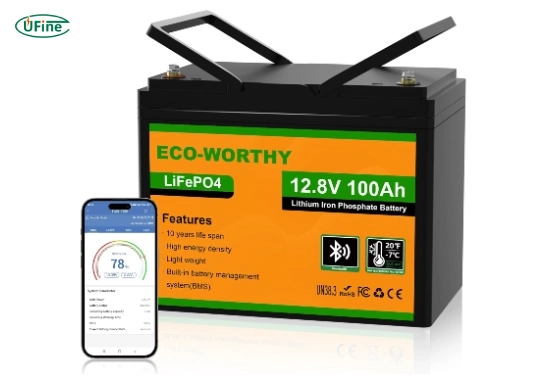
- Voltage: 12V | Capacity: 100Ah | CCA: 800A
- Weight: 24.25 lbs (11 kg) | Cycle Life: 4000
- Works With: Harley Tri Glide, Yamaha Niken GT, Can-Am Spyder
- Temperature Range: 14°F to 131°F (−10°C to 55°C)
- Warranty: 5-year
Smart feature: Real-time health tracking via smartphone app integration.
Part 5. How to choose the best lithium motorcycle battery (buyer checklist)
- Match CCA to Engine Size: ≥300A (600cc), ≥450A (1000cc+)
- Confirm Physical Fitment: Case size & terminal orientation (e.g., YTX9-BS)
- Verify Charger Compatibility: Lithium-specific chargers only
- Check Integrated BMS: Overcharge, short-circuit, thermal protection
- Warranty & Brand Track Record: 3–5 years recommended
For charging best practices, see our internal guide: How to Charge a Lithium Motorcycle Battery Safely.
Part 6. FAQs about lithium motorcycle batteries
How long do lithium motorcycle batteries last?
High-quality lithium motorcycle batteries typically last 8–10 years or 2,000–5,000 cycles, significantly longer than lead-acid alternatives.
Are lithium motorcycle batteries safe in rain?
Yes. Most premium models meet IP65–IP67 waterproof ratings and are fully sealed.
Can I replace a lead-acid battery with lithium?
Yes, provided voltage, CCA, and terminal compatibility are verified.
Can I use a car charger?
No. Always use lithium-compatible chargers to prevent cell damage.
Ufine Battery provides premium LiFePO4 lithium motorcycle battery solutions with optimized CCA ratings, lightweight designs, and integrated BMS protection for sport bikes, cruisers, touring motorcycles, and off-road applications — ensuring reliable starts and long service life.
Find A Solution NowRelated Tags:

More Articles
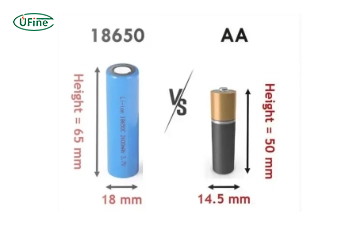
18650 Battery vs AA: Which Is Better for Your Device?
Compare 18650 vs AA batteries in capacity, voltage, rechargeability, and applications. Learn which battery type fits high-drain or everyday devices.
What is the Difference Between Battery Cell, Battery Control Module, and Battery Pack?
Compare battery cells, modules, and packs. Learn functions, design differences, control modules, and selection tips for EV, ESS, and industrial use.
How to Prevent LiPo Battery Explosion?
Can LiPo batteries explode or catch fire? Learn key causes of LiPo battery fires and proven charging, storage, and handling tips to reduce explosion risk.
Aluminium Ion Battery vs Lithium-Ion: A Detailed Comparison
Compare aluminium ion battery vs lithium-ion battery in energy density, charging speed, safety, cost, and uses. A practical guide for engineers and buyers.
C vs D vs AA Battery: Size, Voltage, Capacity & Key Differences Explained
Compare AA, C, and D batteries by size, voltage, capacity, and lifespan. Learn the real difference between C and D batteries and which one you should use.


