
When it’s time to replace a car battery, one of the most common questions drivers ask is: what type of car battery do I have?
Car batteries are not universal. Different vehicles require different battery group sizes, dimensions, and battery types, and installing the wrong one may cause starting issues, poor performance, or even installation problems.
If you’re wondering how to identify car battery type or what kind of battery your car needs, this guide will walk you through the key things to check — including battery labels, group sizes, dimensions, and common battery technologies.
Key Takeaways
- Car batteries are identified by group size, dimensions, and battery type.
- The easiest way to identify a car battery is by checking the label on the battery casing.
- Battery group size determines whether a battery will physically fit your vehicle.
- Common car battery types include flooded lead-acid, AGM, EFB, and lithium batteries.
- You can also check the vehicle owner’s manual to find the recommended battery specifications.
- Measuring car battery dimensions (length, width, and height) can help confirm the correct battery size.
- Choosing the correct battery ensures reliable starting performance and longer battery life.
Part 1. How to identify your car battery type
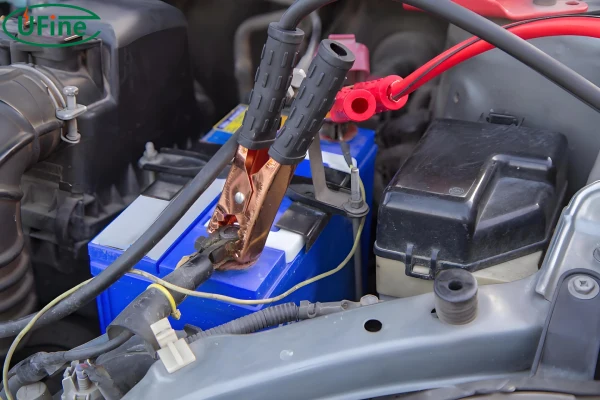
If you want to identify car battery type, there are several simple methods you can use.
Method 1: Check the Battery Label
The easiest way to identify your battery is by looking at the label printed on the battery casing.
Most batteries clearly list important specifications, such as:
- Battery group size
- Voltage (usually 12V for cars)
- Cold cranking amps (CCA)
- Reserve capacity
- Battery type (AGM, Lead-acid, etc.)
If you’re asking how to identify battery type, the label is always the first place to check.
Method 2: Look for the Battery Group Size
Another important identifier is the battery group size.
The group size indicates the battery’s physical dimensions and terminal configuration. It is standardized by the Battery Council International (BCI).
Common examples include:
- Group 24
- Group 35
- Group 48
- Group 65
This number tells you exactly what size battery fits your vehicle.
Many people searching how to tell car battery type are actually referring to this group size.
Method 3: Check Your Vehicle Owner’s Manual
Your vehicle owner’s manual usually lists the recommended battery specifications.
You will typically find:
- Recommended battery group size
- Minimum cold cranking amps
- Compatible battery types
If you’re unsure what battery does my car need, the owner’s manual is one of the most reliable sources.
How to Check Car Battery Life?
Part 3. Understanding car battery group sizes
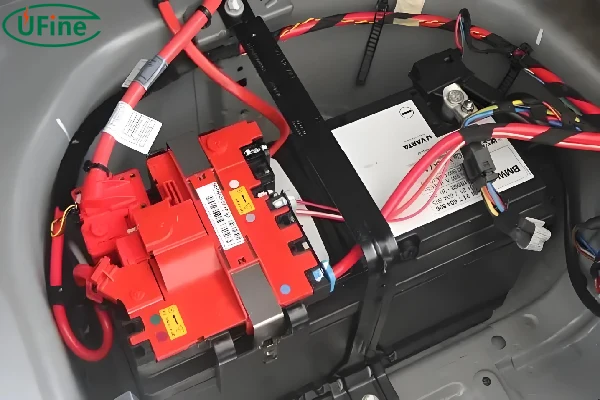
One of the most important factors when choosing a replacement battery is the battery group size.
Group sizes define the length, width, height, and terminal layout of the battery. This ensures the battery fits correctly in the vehicle’s battery tray.
Below are several common car battery sizes used in passenger vehicles.
| Group Size | Typical Dimensions (L × W × H) | Common Vehicle Types |
|---|---|---|
| Group 24 | 10.25 × 6.8 × 8.9 inches | SUVs and mid-size vehicles |
| Group 35 | 9.1 × 6.9 × 8.9 inches | Many Japanese vehicles |
| Group 48 | 12.1 × 6.9 × 7.5 inches | European vehicles |
| Group 65 | 12.0 × 7.5 × 7.6 inches | Trucks and larger vehicles |
These auto battery sizes help manufacturers standardize battery fitment across different vehicle models.
If you’re researching car battery dimensions, the group size is essentially a standardized way to describe those measurements.
Part 4. Common types of car batteries
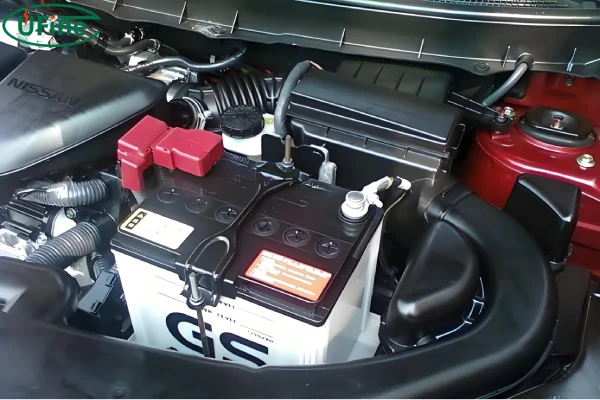
In addition to size, it’s also important to understand the types of car batteries available today.
1. Flooded Lead-Acid Battery
Flooded lead-acid batteries are the most traditional type.
They are widely used because they are:
- Affordable
- Reliable
- Easy to replace
However, they generally require more maintenance and may have a shorter lifespan compared to newer technologies.
2. AGM (Absorbent Glass Mat) Battery
AGM batteries are a more advanced version of lead-acid batteries.
Key advantages include:
- Better vibration resistance
- Higher power output
- Longer lifespan
- Suitable for start-stop vehicles
Many modern cars now use AGM batteries because they support higher electrical loads.
3. EFB (Enhanced Flooded Battery)
EFB batteries are an upgraded version of traditional flooded batteries.
They offer:
- Improved charge acceptance
- Better durability
- Moderate cost compared to AGM
EFB batteries are commonly used in entry-level start-stop systems.
4. Lithium Car Batteries
Lithium batteries are becoming increasingly popular in performance and electric vehicles.
Their main benefits include:
- Much lighter weight
- Higher energy density
- Longer cycle life
However, they are typically more expensive than conventional lead-acid batteries.
LiFePO4 Car Battery vs. Lead Acid Batterry: Pros and Cons Comparison
Part 5. How to tell what kind of car battery you have
If you’re still unsure how to tell what type of car battery you have, follow these simple steps.
Step 1: Inspect the Battery Label
Look for information such as:
- Group size
- CCA rating
- Battery chemistry
This will often tell you exactly what battery you have.
Step 2: Identify the Battery Group Number
The group number usually appears as a number such as:
- 24
- 35
- 48
- 65
This tells you the battery size and compatibility.
Step 3: Measure the Battery Dimensions
If the label is missing or unreadable, you can measure the battery manually.
Measure:
- Length
- Width
- Height
Then compare these measurements with a car battery size chart.
Step 4: Confirm Battery Chemistry
Look for markings such as:
- AGM
- Lead Acid
- EFB
- Lithium
This helps identify the battery technology used.
Part 6. What battery does my car need?
When selecting a replacement battery, several factors must be considered.
1. Battery Size
The replacement battery must match the correct group size so that it fits securely in the battery tray.
2. Cold Cranking Amps (CCA)
CCA measures how much starting power a battery can deliver in cold temperatures.
Vehicles in colder climates often require higher CCA ratings.
3. Battery Type
Some vehicles require specific battery technologies, especially those equipped with start-stop systems.
For example:
- Standard vehicles → Lead-acid
- Start-stop vehicles → AGM or EFB
4. Terminal Position
Battery terminals may be positioned differently depending on the battery design.
Using the wrong terminal configuration may prevent proper cable connection.
Part 7. How to measure car battery dimensions
If you cannot find the battery group size, measuring the battery manually can help identify the correct replacement.
Use a measuring tape and record the following:
Length
Measure from the front edge of the battery to the back.
Width
Measure from one side to the other.
Height
Measure from the bottom of the battery to the top of the terminals.
These measurements can then be compared to standard car battery dimensions listed in battery size charts.
Part 8. FAQs
How do I know what battery fits my car?
You can check your vehicle owner’s manual, the battery label, or look up your vehicle model in an online battery fitment guide.
Can I use a different battery group size?
Using a different group size is generally not recommended because it may not fit properly or provide the correct electrical performance.
What happens if I install the wrong battery?
Installing the wrong battery may lead to poor starting performance, electrical issues, or improper fitment inside the battery tray.
Are lithium car batteries better?
Lithium batteries offer advantages such as lighter weight and longer lifespan, but they are usually more expensive and not always necessary for standard vehicles.
Related Tags:

More Articles

JST vs Molex: The Right Battery Connector Choice
JST or Molex for your battery? Learn how connector selection affects current, voltage drop, reliability, and device performance.
Custom Battery Pricing: Costs Manufacturers Don’t Mention
A low battery quote may not be the final cost. Discover common hidden expenses that affect custom lithium battery projects.
Battery Wire Length: Hidden Cause of Power Loss
A longer battery wire can cause voltage drop, power loss, and unstable operation. Learn how wire length affects battery performance.
How Device Sleep Modes Affect Battery Life
Think sleep mode extends battery life? Learn why devices still drain power and how firmware, hardware, and batteries affect runtime.
LiPo Battery and PCB Design: Clearance, Insulation, and Placement
Learn how to optimize LiPo battery PCB clearance, insulation, placement, wiring, and thermal design—and avoid common integration mistakes.


