- Part 1. What is a lithium cranking battery
- Part 2. Lithium vs lead acid vs AGM cranking batteries
- Part 3. Understanding lithium battery cranking amps
- Part 4. Why LiFePO4 is preferred for cranking batteries
- Part 5. Cold weather performance and starting reliability
- Part 6. Real-world applications for lithium cranking batteries
- Part 7. How to choose the best lithium cranking battery
- Part 8. Safety and protection features
- Part 9. Lithium cranking battery lifespan
- Part 10. When lithium cranking batteries make the most sense
- Part 11. FAQs
Starting an engine is one of the most demanding moments for any battery. In just a few seconds, it must deliver a powerful burst of current — especially in cold weather, heavy-duty vehicles, or marine environments.
That’s where a lithium cranking battery comes in.
Over the past few years, lithium batteries—particularly LiFePO4—have started replacing traditional lead-acid starter batteries in cars, boats, RVs, and motorcycles. They’re lighter, more efficient, and often last significantly longer. But they’re also more technical, and choosing the right one isn’t always straightforward.
So in this guide, we’ll break everything down:
what lithium cranking batteries are, how cranking amps work, when you should use them, and how to pick the best option for your application.
Key Takeaways
- Lithium cranking batteries deliver high burst current for engine starting, similar to traditional starter batteries but with better efficiency
- LiFePO4 is the most common and safest lithium chemistry for cranking applications
- Cranking amps (CCA, MCA, CA) are critical when selecting a lithium battery
- Lithium cranking batteries perform best when paired with a proper BMS and low-temperature protection
- Compared with lead-acid batteries, lithium options are lighter, last longer, and recharge faster
Part 1. What is a lithium cranking battery
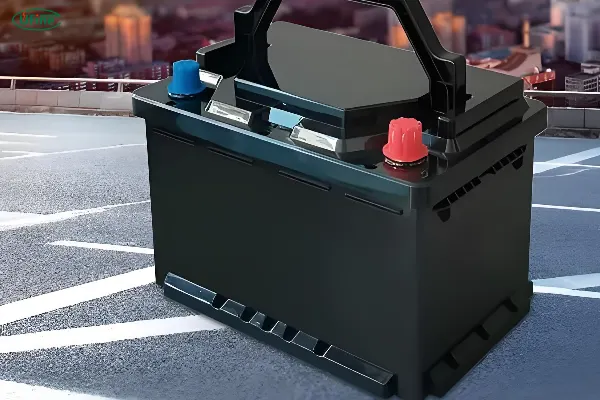
A lithium cranking battery is designed to provide a short burst of high current to start an engine. Unlike deep cycle batteries that deliver steady power over time, cranking batteries prioritize instant power delivery.
Think about starting your car on a cold morning. The engine demands high current immediately. A lithium cranking battery is built specifically for that moment.
Traditionally, lead-acid batteries dominated this role. However, lithium technology—especially LiFePO4—has improved dramatically. Today, many automotive and marine users are switching to lithium because it offers:
- Faster engine starting
- Lower weight
- Longer lifespan
- Higher energy efficiency
More importantly, lithium batteries maintain voltage stability better during startup. That means less voltage drop and more reliable ignition.
This is particularly useful in modern vehicles loaded with electronics, sensors, and onboard systems.
Part 2. Lithium vs lead acid vs AGM cranking batteries
To really understand why lithium cranking batteries are gaining popularity, it helps to compare them with traditional technologies.
| Feature | Lithium (LiFePO4) | AGM | Lead Acid |
|---|---|---|---|
| Weight | Very light | Medium | Heavy |
| Cranking power | High | Medium-high | Medium |
| Lifespan | 5–10 years | 3–5 years | 2–3 years |
| Recharge speed | Fast | Medium | Slow |
| Maintenance | None | Low | Regular |
| Voltage stability | Excellent | Good | Moderate |
The biggest difference becomes obvious in real-world use.
For example, if you’re using a marine engine or off-road vehicle, vibration and temperature changes are common. Lithium batteries handle those conditions far better than traditional lead-acid options.
Additionally, lithium batteries recharge faster. If you’re running accessories, winches, or onboard electronics, that fast recharge can make a big difference.
Part 3. Understanding lithium battery cranking amps
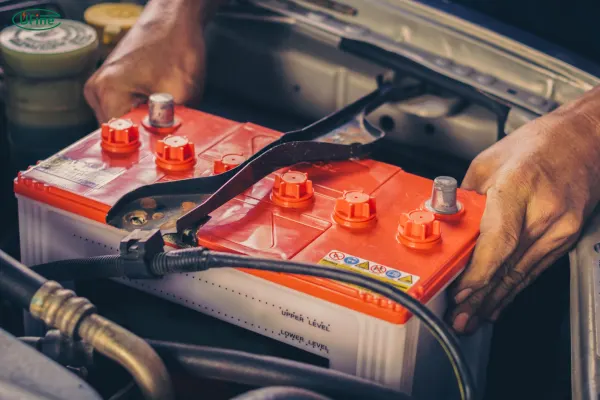
When choosing a lithium cranking battery, one of the most important specifications is cranking amps.
You’ll typically see several different ratings:
- CCA (Cold Cranking Amps)
- MCA (Marine Cranking Amps)
- CA (Cranking Amps)
- HCA (Hot Cranking Amps)
These ratings measure how much current the battery can deliver under different temperature conditions.
Here’s how they differ:
- CCA measures performance at cold temperatures (typically -18°C / 0°F)
- MCA measures performance at 0°C (32°F)
- CA measures performance at room temperature
In most automotive applications, CCA is the most important metric.
For example:
A small car might need 400–600 CCA, while trucks or marine engines may require 800–1200 CCA.
Lithium batteries often deliver high cranking amps relative to their size. That’s one reason they’re becoming popular in compact applications like motorcycles and racing vehicles.
Part 4. Why LiFePO4 is preferred for cranking batteries
Not all lithium batteries are the same. Several chemistries exist, but LiFePO4 has emerged as the preferred choice for cranking batteries.
Here’s why.
LiFePO4 batteries offer excellent thermal stability, long cycle life, and strong discharge performance. Compared with other lithium chemistries, they are also safer and more durable.
Other lithium chemistries like NMC and LTO exist, but LiFePO4 typically provides the best balance between performance, cost, and safety.
This makes LiFePO4 ideal for automotive, marine, and off-grid applications.
If you want to understand why LiFePO4 is the preferred chemistry for cranking applications, it’s worth comparing it with other lithium technologies like NMC vs LFP vs LTO batteries in more detail.
Part 5. Cold weather performance and starting reliability
Cold weather has always been one of the biggest challenges for batteries.
Lead-acid batteries lose power as temperatures drop. Lithium batteries behave differently — they maintain strong voltage but may limit charging at low temperatures.
However, modern lithium cranking batteries solve this with:
- Self-heating technology
- Low-temperature BMS protection
- Thermal management design
This means that even in cold environments, lithium cranking batteries can perform reliably.
If you’re using your vehicle in winter conditions, choosing a battery with low-temperature protection becomes especially important.
Cold weather performance is one of the most critical factors for lithium starter systems, especially when it comes to winter reliability, which is why we also explain it in our guide on cold weather battery for vehicles.
Part 6. Real-world applications for lithium cranking batteries
Lithium cranking batteries are becoming common in many applications. You’ll find them in:
- Cars and performance vehicles
- Boats and marine engines
- RVs and camper vans
- Motorcycles and ATVs
Each scenario brings different benefits.
For example, in marine environments, corrosion resistance and weight reduction matter a lot. Lithium batteries reduce overall boat weight, which improves efficiency.
In performance vehicles, weight savings can directly impact speed and fuel efficiency.
And in RVs, using lithium for both starting and house power simplifies battery systems.
Part 7. How to choose the best lithium cranking battery
Choosing the best lithium cranking battery isn’t just about picking the highest amp rating. You’ll want to consider several factors together:
- Required cranking amps for your engine
- Battery size and group compatibility
- Built-in BMS protection
- Temperature performance
- Charging compatibility
Battery group size also matters. Many vehicles require specific sizes such as Group 24, Group 27, or Group 31.
Choosing the correct size ensures easy installation and proper fit.
Battery fitment is just as important as performance, and understanding battery group size meaning helps you avoid compatibility issues when replacing a cranking battery.
Part 8. Safety and protection features
Modern lithium cranking batteries rely heavily on battery management systems (BMS). These systems protect the battery and improve reliability.
A good lithium cranking battery typically includes:
- Over-current protection
- Short circuit protection
- Thermal protection
- Overcharge protection
These features are essential, especially in automotive environments where voltage fluctuations and temperature changes are common.
Part 9. Lithium cranking battery lifespan
One of the biggest advantages of lithium batteries is lifespan.
Lead-acid batteries typically last 2–3 years under normal conditions. Lithium cranking batteries, however, can last 5–10 years depending on usage.
This longer lifespan reduces replacement costs and maintenance.
In commercial or heavy-use environments, that reliability becomes even more valuable.
Part 10. When lithium cranking batteries make the most sense
Lithium cranking batteries aren’t necessary for every vehicle. But they make the most sense when:
- Weight reduction matters
- High reliability is needed
- Cold weather starting is important
- Long lifespan is preferred
For example, off-road vehicles, marine engines, and performance cars benefit the most from lithium technology.
Part 11. FAQs
1. Do lithium cranking batteries need a special alternator?
No, most modern lithium cranking batteries are compatible with standard alternators, but voltage regulation should still be checked to ensure optimal charging.
2. Can a lithium cranking battery completely replace a starter battery?
Yes, in most cases it can replace a traditional starter battery, as long as the cranking amps and size match your vehicle’s requirements.
3. Do lithium cranking batteries discharge when not in use?
They have very low self-discharge rates, so they can hold charge for months without significant power loss.
4. Are lithium cranking batteries safe in accidents?
Yes, LiFePO4-based batteries are highly stable and far less prone to thermal runaway compared to other lithium chemistries.
5. Can you jump-start another vehicle with a lithium cranking battery?
Some high-output lithium batteries allow it, but it depends on the BMS design and manufacturer specifications.
6. Do lithium cranking batteries require maintenance?
No regular maintenance is required, unlike lead-acid batteries that need periodic water checks or cleaning.
Related Tags:

More Articles

Best 5 Riding Lawn Mower Battery Manufacturers
Looking for the best riding mower battery? Compare top battery brands by lifespan, maintenance, price, and performance.
All You Need to Know About CB Certification for Lithium Batteries
Learn what CB certification and the IECEE CB Scheme mean for lithium batteries. Explore requirements, testing, benefits, and global market access.
How to Choose the Right 3S LiPo Battery 5000mAh for Your RC Hobby Projects?
Learn how to choose the best 3S LiPo battery 5000mAh for RC cars, drones, boats, and planes. Compare C ratings, runtime, connectors, charging, and safety tips.
Comparing Semi Truck Batteries vs. Truck Batteries
Compare semi truck batteries and truck batteries by size, CCA, lifespan, and battery type. Learn how to choose the right truck battery for your vehicle.
Top 10 Flat Lithium Ion Battery Options for Compact Devices
Explore top flat lithium ion battery options, key specifications, and selection factors for compact electronics, medical devices, and energy storage systems.