- Key Takeaways
- Part 1. Battery basics: AGM vs LiFePO4
- Part 2. Performance & lifecycle breakdown
- Part 3. Cost considerations: beyond sticker price
- Part 4. ATV battery prices & market comparison
- Part 5. Real conditions: temperature, terrain, and reliability
- Part 6. Environment and long-term maintenance analysis
- Part 7. Tips for extending your ATV battery life
- Part 8. Choosing the right battery for your ATV
- Part 9. Compatibility and upgrade potential
- Part 10. FAQs
Key Takeaways
- LiFePO4 batteries usually last way longer than AGM batteries and weigh significantly less — but that doesn’t automatically make them best for every rider.
- Cost of ownership matters more than just the upfront price; lifetime value often favors LiFePO4.
- Choosing the right battery depends on your riding style, climate, and how often you haul your ATV.
- You’ll learn how real-world performance varies with terrain and temperature, not just specs on a sheet.
Part 1. Battery basics: AGM vs LiFePO4
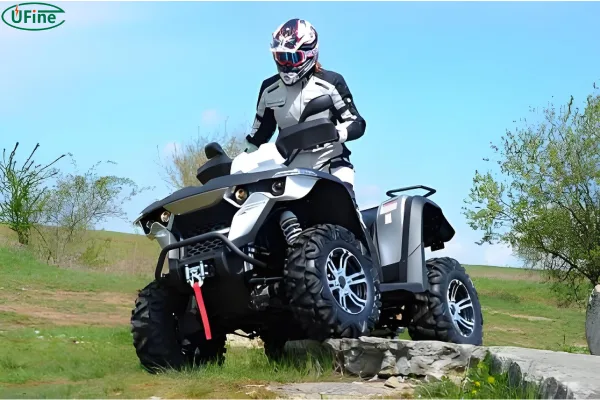
Before we dive into nuanced comparisons, you deserve a clear picture of what’s under the hood:
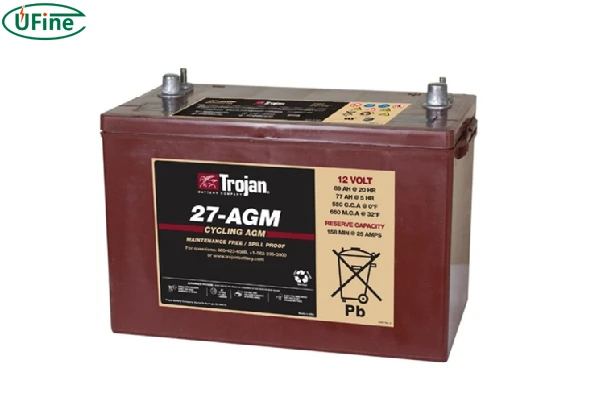
- AGM (Absorbent Glass Mat) is a type of sealed lead-acid battery. They’re rugged, spill-proof, and have served riders for decades.
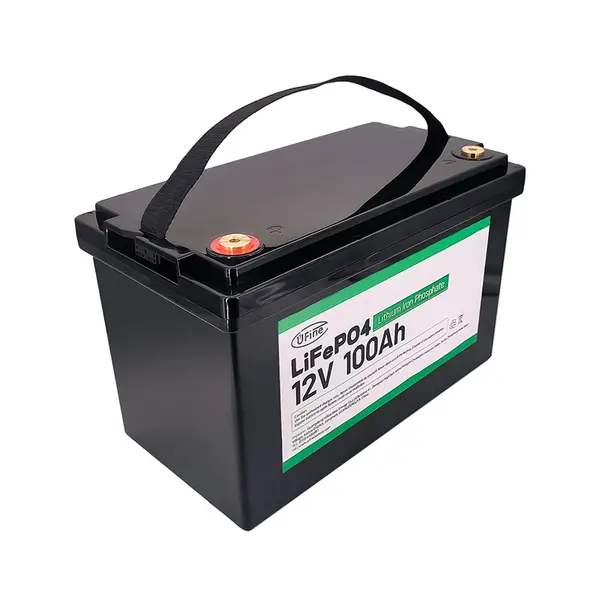
- LiFePO4 (Lithium Iron Phosphate) is a modern lithium chemistry that’s taken off because of its long life, lighter weight, and more consistent power delivery.
Now let’s look at how these two stack up in real-world terms.
If you’re unsure about your ATV battery type, here’s a quick guide on how to tell if a battery is AGM.
Part 2. Performance & lifecycle breakdown
You’ve probably seen charts comparing lifespan or energy density, but what about what you feel when you fire up your quad after a cold night in the woods? That’s where the real difference shows.
Here’s a practical comparison:
| Feature | AGM Battery | LiFePO4 Battery |
|---|---|---|
| Typical Lifespan (Cycles) | ~300–500 cycles | ~2,000–5,000 cycles |
| Typical Weight | Heavier | Much lighter |
| Temperature Sensitivity | Better initial cold-start | Performs best with proper management |
| Maintenance | Minimal | Minimal |
| Cost (Upfront) | Lower | Higher |
| Charge Efficiency | Slower | Faster |
As you can see, LiFePO4 generally outlasts AGM by a large margin — often 4–8x more cycles. Buyers looking at “what will last longer?” usually lean toward LiFePO4 because over time it simply costs less per year of service.
But here’s where most riders stop thinking too superficially.
The real question isn’t just which battery lasts longer — it’s which behaves more predictably in the conditions you actually ride in.
Wondering about durability? Learn whether AGM batteries last longer and what affects their lifespan.
Part 3. Cost considerations: beyond sticker price
You might lock eyes on atv battery prices and think AGM is the obvious winner. After all, if you’re on a budget, the initial price tag matters. But hold on — let’s do a bit of real math.
Let’s say you replace an AGM battery every 2–3 years and a LiFePO4 every 8–10 years. Factor in the number of replacements and it’s not rare for the total cost of your AGM setup to surpass the cost of a LiFePO4 over time — even though each LiFePO4 costs more upfront.
This phenomenon is called total cost of ownership (TCO) — and it’s often misunderstood in ATV communities. Riders focusing solely on initial price miss the bigger picture.
Part 4. ATV battery prices & market comparison
Speaking of costs, it’s worth taking a closer look at ATV battery prices in today’s market:
| Battery Type | Typical Price Range (USD) | Notes |
|---|---|---|
| AGM 12V 8–12Ah | $50–$120 | Widely available, reliable starter battery |
| LiFePO4 12V 8–12Ah | $180–$350 | Longer lifespan, lighter, higher upfront cost |
| AGM 12V 18Ah | $120–$200 | Larger capacity for high-demand ATVs |
| LiFePO4 12V 18Ah | $350–$500 | High performance, ideal for long rides or extra accessories |
Prices fluctuate by brand and region, but the key takeaway is LiFePO4 batteries cost more upfront but save money over their extended lifecycle, while AGM batteries remain budget-friendly but may require more frequent replacements.
Part 5. Real conditions: temperature, terrain, and reliability
One unique aspect often glossed over is how temperature and terrain impact performance.
Cold weather
AGM batteries may deliver a slightly better cold crank right off the bat — until the voltage sags. LiFePO4 chemistry, on the other hand, doesn’t like deep cold without proper battery management. In practice, this means:
- In freezing conditions, LiFePO4 may require pre-warming or a special charger.
- AGMs can still crank reliably — but they may die sooner with repeated deep discharges.
Cold weather can impact performance — check out the effect of low temperature on lithium batteries.
Heat and stress
In hot, dusty trail conditions? LiFePO4 generally holds up better because it doesn’t stress as much under heat — especially when discharged repeatedly.
These real-world nuances explain why riders in different regions have strongly differing opinions on what’s “best.”
Safety is key: understand LiFePO4 thermal runaway causes, hazards, and solutions before riding in extreme conditions.
Part 6. Environment and long-term maintenance analysis
Another angle many riders overlook is how the environment and long-term care influence battery performance and total cost.
- Temperature extremes: High heat accelerates AGM degradation, while LiFePO4 handles heat better but can be damaged by sustained overcharge in hot climates.
- Moisture and dust: Sealed AGM batteries tolerate wet, muddy trails well, but repeated exposure to dirt may still require cleaning terminals. LiFePO4 is often packaged in protective housings, making it slightly more resistant.
- Maintenance over time: While both are low-maintenance, you should factor in not just replacements but also environmental wear, cleaning, and potential charger upgrades. Over 8–10 years, the TCO for LiFePO4 often outweighs AGM — even in rough conditions.
Considering these factors gives you a more holistic view of “value”, not just upfront cost.
Part 7. Tips for extending your ATV battery life
Even the best battery won’t last if you neglect basic care. Here are practical tips to keep your battery healthy:
- Regular charging — Never leave a LiFePO4 or AGM battery deeply discharged for long periods.
- Clean connections — Dirt or corrosion on terminals reduces efficiency and can damage the battery.
- Avoid extreme temperatures — When possible, store your ATV in a garage or shaded area.
- Use the right charger — LiFePO4 batteries require chargers compatible with lithium chemistry. AGM batteries can tolerate standard lead-acid chargers.
Following these simple steps can add years of reliable life to any battery, saving you money and stress.
Part 8. Choosing the right battery for your ATV
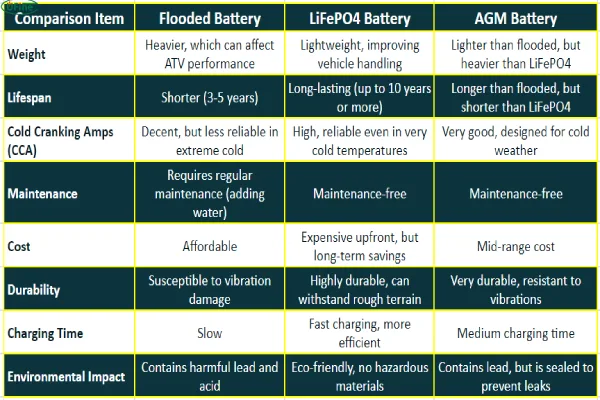
Here’s the decision framework that genuinely helps riders make the right choice:
Usage Frequency- Heavy daily use? LiFePO4’s long cycle life wins.
- Occasional weekend rides? AGM may be just fine.
- Cold weather matters. If you ride all winter, consider how you’ll manage LiFePO4 charging.
- LiFePO4 batteries can shave pounds off your ATV, improving acceleration and handling — especially on steep trails.
- Want “fit-and-forget” for 8–10 years? LiFePO4 probably fits your lifestyle.
- Looking for a low initial cost? AGM might be the pick.
Part 9. Compatibility and upgrade potential
Beyond just picking the battery, think about compatibility and future upgrades:
- Multiple battery setups: Some riders run parallel or series configurations for extended power. LiFePO4 batteries generally handle parallel setups better due to low internal resistance.
- Charger and vehicle electronics: Make sure your ATV’s charging system supports lithium chemistry. Using the wrong charger can reduce lifespan or damage the battery.
- Future-proofing: If you plan to upgrade your ATV with more electronics or higher-powered accessories, LiFePO4’s higher energy density gives you headroom without adding weight.
- Cross-vehicle use: Many LiFePO4 batteries are modular and can be swapped between vehicles — a flexibility AGM lacks due to heavier weight and size constraints.
Here’s a deeper piece that few riders talk about: battery management systems (BMS). Most LiFePO4 batteries include a BMS that protects against overcharge, over-discharge, and overheating.
Without a good BMS:
- LiFePO4 can be damaged permanently.
- Charger compatibility becomes critical.
So if you’re investing in a best lithium battery for ATV, make sure it has a robust BMS — that’s part of what makes a quality battery not just long-lasting, but safe.
Part 10. FAQs
1. Can LiFePO4 batteries be safely used in extremely wet or flooded trails?
Generally, yes, if the battery has a proper sealed casing and robust BMS. AGM batteries are also sealed and tolerant of moisture, but LiFePO4’s lighter weight and protective housings often make them slightly safer in prolonged wet conditions.
2. How do different ATV accessories (lights, winches) affect battery choice?
High-draw accessories increase the load on your battery. LiFePO4 batteries handle higher continuous current better than AGM, so if you run winches, extra lights, or other electronics, LiFePO4 is usually the more reliable choice.
3. Is it possible to upgrade an older ATV from AGM to LiFePO4 without modifying the electrical system?
Often yes, but you must check that your charger and voltage regulator are compatible with lithium chemistry. Some older ATVs may require a lithium-compatible charger to prevent undercharging or overcharging.
4. Are there seasonal maintenance tricks that maximize both AGM and LiFePO4 lifespan?
Yes. For AGM: keep terminals clean, avoid deep discharge, and recharge monthly during storage. For LiFePO4: store at partial charge (around 50–70%), avoid extreme cold, and use a compatible charger to maintain health.
Related Tags:

More Articles
Is a 24V Deep Cycle Battery Worth It for Your Setup?
Not sure if a 24V deep cycle battery is right for you? Learn when 24V beats 12V and how to choose the best option.
Is Lithium a Liquid-Solid or a Gas?
Is lithium a solid, liquid, or gas? Learn its physical state, melting and boiling points, key properties, and why lithium is widely used in batteries.
How Do You Choose the Right Battery for Your Semi-Truck?
Learn how to choose the right semi truck battery, including battery size, voltage, amps (CCA), types, and selection tips for reliable performance.
Ultimate Guide to 3.7V Rechargeable Lithium Ion Battery
Explore 3.7V rechargeable lithium-ion batteries: chemistry, applications, safe selection, and charging tips for phones, tools, EVs, and energy storage.
Your Guide to 3V Lithium Battery: What To Know
Not all 3V batteries are the same. Learn key differences, types, and how to choose the right one fast.