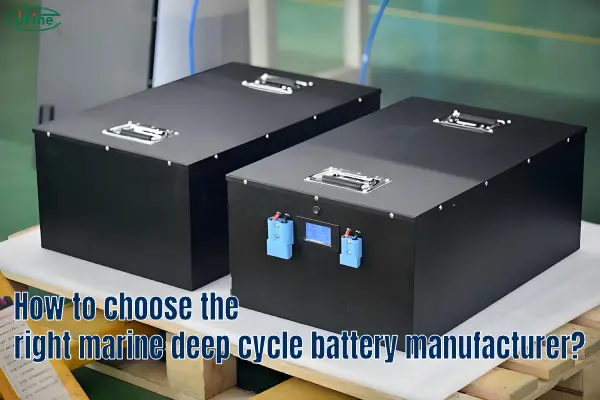
If you’re shopping for a marine deep-cycle battery for your boat or yacht, you might have noticed one thing: so many brands, so little clarity. Rest assured—you’re not alone. Choosing the right marine battery manufacturer matters a lot, because the brand behind your battery often decides how reliable the power you’ll get on the water.
In this guide, I’ll take you through the top 7 marine battery manufacturers that are truly relevant in 2026—from trusted legacy names to standout battery specialists that boaters swear by.
Key Takeaways
- The marine battery landscape is now dominated by lithium-ion (LiFePO4) batteries that deliver longer cycle life and lighter weight than traditional lead-acid options.
- A good marine battery manufacturer means better quality control, safety, warranty, and support when you’re offshore.
- Brands like Battle Born, Ufine Battery, Trojan Battery Company and Victron Energy combine reliability with real-world marine performance.
- Whether you’re cruising, fishing, or powering electronics, knowing who makes the battery matters as much as what the battery specs are.
Part 1. What makes a top marine battery manufacturer?
Before we look at specific companies, let’s get one thing straight: not all batteries or brands are made equal. You should care about:
- Battery chemistry & safety – LiFePO4 is the current gold standard for marine deep cycle use due to its safety profile and long cycle life.
- Warranty & support – You want a manufacturer that stands behind its products for 5–10 years.
- Marine-specific design – Saltwater, vibration, and extreme temps are normal on a boat—so your battery should be built for that.
That’s the difference between a battery that fails after a season and one that lasts for years.
Want to understand the difference between battery types? Check out LiFePO4 vs Lithium-ion Polymer for a detailed comparison.
Part 2. The 7 best marine deep cycle battery manufacturers
Here they are—solid players with real products, marine-ready focus, and strong reputations in 2026:
1 Battle Born Batteries
Why they’re top-tier: Battle Born is one of the most recognized marine LiFePO4 battery brands, known for durability, built‑in safety systems, and long warranty terms. Their products are particularly strong for boating and RV applications.
Real Specs & Features
- 100Ah 12V LiFePO4 Battery: ~3,000–5,000 cycle life; ~10–15 year lifespan with proper charging.
- BBGC3 270Ah 12V GC3 Deep Cycle Battery: ~3,000–5,000 cycles; up to ~3.46 kWh usable energy.
- Drop‑in replacement for lead‑acid, 100% depth‑of‑discharge, UL, UN38.3 safety tested.
- Lighter weight than traditional lead‑acid (~80 lb for 270Ah vs ~130+ lb).
- Optional heated versions available for cold‑climate charging.
Ideal for: Extended offshore cruising, trolling motors, in‑cabin electronics, and larger yachts that demand steady, long‑lasting power.
2 Ufine Battery
Ufine is gaining reputation for marine‑specific LiFePO4 batteries that combine waterproof protection with strong customization options.
Real Features & Strengths
- Marine‑Ready Housing: Sealed and rugged for vibration and splash resistance (marine environment focus).
- Dual Purpose Designs: Many models work for marine deep‑cycle and off‑grid uses.
- High Discharge and Quick Charge: Helps reduce downtime while trolling or powering electronics.
- Automation production keeps costs competitive.
- Multiple protection systems and certifications standard.
Ideal for: Boaters seeking tailor‑made configurations and long service life without premium pricing.
Ufine Battery can customize capacity, voltage, curvature, and dimensions to meet your specifications — whether for prototype testing or volume production.
Find A Solution Now3 RELiON Battery
RELiON is widely respected in the marine and energy storage community for robust lithium deep cycle batteries that are both lightweight and high‑performing.
Key Models & Data
- RB100: 12V 100Ah LiFePO4 with ~100A continuous discharge and up to ~800A peak.
- RB200 & RB300: Larger capacity (200Ah, 300Ah) models that can replace multiple lead‑acid batteries.
- RB52: 12V 52Ah option for smaller deep‑cycle setups.
Strengths
- Maintenance‑free operation and lighter weight than lead‑acid.
- 10‑year warranty on many batteries.
- Good choice for boats that need fast recharge and high usable capacity.
4 Renogy
While traditionally known for solar systems, Renogy’s marine LiFePO4 batteries are frequently recommended for balanced performance and value.
What You Get
- 12V 100Ah LiFePO4: Around 2,000–4,000 cycle life depending on discharge depth.
- Built‑in BMS protecting against overcharge, overheating, and short circuits.
- Often lighter and more budget‑friendly compared to premium brands.
Best For: Boaters who want good performance without paying premium pricing.
5 Trojan Battery Company
Trojan is a legacy battery manufacturer (since 1925) with a wide portfolio of marine deep cycle batteries including lead‑acid, AGM, and lithium options.
Real Performance Notes
- Flooded, AGM, and hybrid models tailored to different boating needs.
- Lead‑acid deep cycle remains popular for budget‑conscious users and heavy starter loads.
- Lithium lineup expanding to serve larger marine applications.
When It Makes Sense: If you want both traditional and lithium choices from one trusted brand.
6 Victron Energy
Victron is a Dutch manufacturer more known for integrated power systems, but their LiFePO4 batteries are widely used in marine environments due to versatility and connectivity.
Key Traits
- Modular LiFePO4 batteries available in 12.8V/25.6V/48V configurations.
- Bluetooth or remote monitoring via Victron Smart app (on many units).
- Seamless integration with Victron ESS, inverters, chargers, and monitoring systems—ideal for a full marine power setup.
Best Choice If: You plan to integrate batteries into a larger power ecosystem with monitoring and control tools.
7 East Penn / Deka Marine Batteries
East Penn’s Deka batteries may not be lithium, but they are real workhorse marine deep cycle options, especially for people still using lead‑acid systems effectively.
Real Details
- Flooded, AGM, and gel options under the Marine Master, Intimidator, and Dominator lines.
- Excellent vibration resistance and long service life for accessory and house loads in traditional setups.
Ideal For: Boaters who aren’t ready to go lithium yet and still want rugged, proven performance.
Part 3. Quick comparison — marine battery specs
| Brand | Chemistry | Typical Cycle Life | Warranty | Best Use |
|---|---|---|---|---|
| Battle Born | LiFePO4 | 3,000–5,000 | ~10 yrs | Heavy duty & all‑around |
| Ufine Battery | LiFePO4 | ~3,000+ | ~5+ yrs | Custom marine needs |
| RELiON | LiFePO4 | ~3,500+ | ~10 yrs | Fast charge & deep capacity |
| Renogy | LiFePO4 | ~2,000+ | ~5–10 yrs | Value & balanced performance |
| Trojan | Lead / Lithium | Varies | ~3–7 yrs | Legacy & hybrid options |
| Victron Energy | LiFePO4 / AGM | ~3,000+ | ~2–5 yrs | System integration |
| Deka (East Penn) | Lead‑acid AGM / Gel | ~500–1,000 | ~3–5 yrs | Budget & starter power |
Part 4. Why it matters to you
The right marine battery isn’t just about power—it’s about adventure continuity. Imagine:
- Running your trolling motor all day without worry.
- Powering navigation lights, fridges, and electronics without a dead bank.
- Reducing weight and boost efficiency with a lighter LiFePO4 system.
That peace of mind isn’t just technical—it’s emotional. Your time on the water becomes smoother, safer, and more enjoyable.
Part 5. Final thoughts
In 2026, the marine battery world is evolving fast—especially with marine lithium deep cycle batteries stealing the spotlight. While legacy brands and AGM options still play a role, if you want long life, lighter weight, and better performance, focusing on trusted LiFePO4 manufacturers is your best bet.
Whether you’re a weekend boater or a full‑time liveaboard, this list gives you the starting point to choose a reliable system that keeps your boat energized.
Part 6. FAQs
What is the difference between a deep cycle marine battery and a starter battery?
Deep cycle batteries provide steady power over long periods for electronics and trolling motors, while starter batteries deliver quick bursts for engine ignition.
How does water temperature affect marine battery performance?
Cold water reduces battery efficiency and usable capacity, while excessive heat can accelerate aging. Lithium batteries with built-in thermal protection handle temperature extremes better.
Can I mix lithium and lead-acid batteries in the same marine system?
It’s not recommended because they have different charging profiles and voltages; doing so can damage both batteries and reduce lifespan.
How do you calculate the right battery capacity for a boat?
Add up the total watt-hour load of all devices and divide by battery voltage, then account for desired backup hours and depth-of-discharge limits.
Do marine batteries require regular maintenance?
LiFePO4 marine batteries are mostly maintenance-free, but lead-acid batteries require checking water levels, cleaning terminals, and ensuring full charging cycles.
What safety certifications should I look for in a marine battery?
Key certifications include UL, UN38.3, CE, and RoHS, which ensure protection against overcharge, thermal events, and safe transport.
Related Tags:

More Articles
Best 24V Lithium Battery: Top 10 Compared
Discover the top 24V lithium batteries. We compare capacity, price, cycle life, safety features, and the best options for different applications.
Top LFP Cell Manufacturers in China You Should Know
Looking for reliable LiFePO4 cells? Explore China's top LFP battery manufacturers, key technologies, production capabilities, and supplier selection tips.
Check If Your Charger Works: Simple Test Guide
Think your battery charger's broken? Quick tests can show you for sure. See if it’s the charger or the battery that's causing issues. Read more.
Best Camera Batteries: 7 Brands Compared & Tested
Looking for the best camera battery? Compare 7 top brands, including OEM and third-party options, to find the right battery for your camera.
What You Need to Know About Portable Fan Batteries
Discover the best portable electric fan battery, its types, lifespan, and maintenance tips. Learn how to choose the right one and keep it running longer.