- Key takeaways
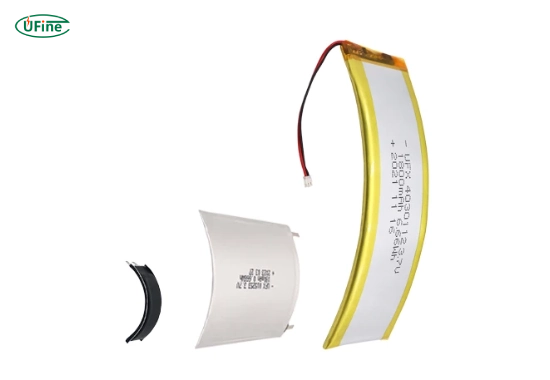
- Part 1. What is a curved lipo battery?
- Part 2. Why flexible lipo battery technology matters
- Part 3. Curved lipo vs traditional lithium-ion batteries
- Part 4. How curved lipo batteries enable wearable technology
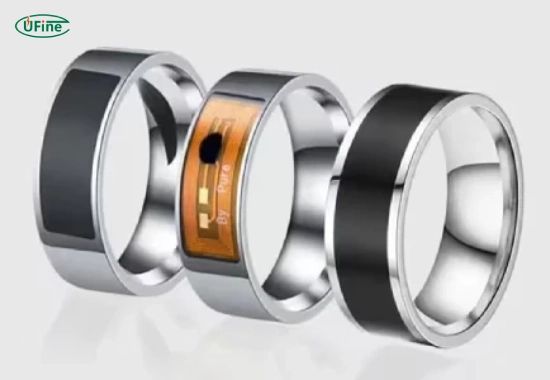
- Part 5. Smart ring batteries: One of the fastest growing curved battery applications
- Part 6. Flexible displays need flexible batteries
- Part 7. Medical devices are driving flexible battery innovation
- Part 8. Battery safety considerations for curved lipo designs
- Part 9. How to choose the right curved lipo battery?
- Part 10. Future trends: Where curved lipo technology is going
- Part 11. FAQs about curved lipo batteries
Modern electronics are becoming smaller, lighter, and more flexible. Wearables, smart rings, medical sensors, and foldable devices all need batteries that fit compact and curved designs.
That is why curved LiPo battery technology is becoming more important. Also called a flexible LiPo battery or curved lithium polymer battery, it gives engineers more freedom. They can build thinner, lighter, and custom-shaped products more easily.
From wearable devices to flexible electronics, curved batteries are helping create the next generation of product design.
Key takeaways
- Curved LiPo batteries use lithium polymer technology to support thin, lightweight, and custom-shaped designs.
- Flexible LiPo battery structures help manufacturers build wearables, smart rings, medical sensors, and curved electronics.
- Compared with traditional cylindrical cells, curved batteries improve space efficiency and design flexibility.
- Curved lithium polymer batteries support compact devices while maintaining good energy density.
- Safety design, protection circuits, and custom engineering remain important for long-term reliability.
- Flexible electronics need batteries that combine performance, shape flexibility, and safety.
Part 1. What is a curved lipo battery?
A LiPo battery (Lithium Polymer battery) is a rechargeable lithium battery. It uses a polymer-based electrolyte instead of the liquid electrolyte found in many traditional lithium-ion batteries.
Unlike rigid battery designs, lithium polymer technology gives engineers more freedom in battery shape and size.
A curved LiPo battery may include:
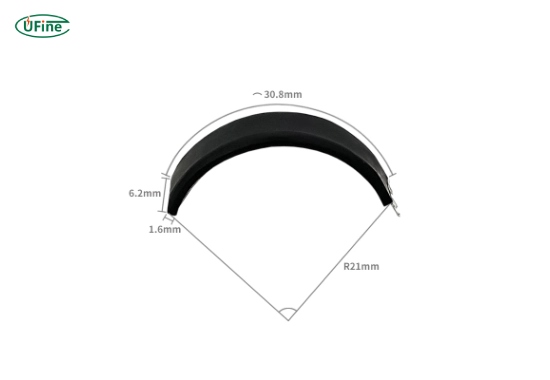
- Arc-shaped battery designs
- Ultra-thin battery structures
- Flexible battery packaging
- Custom curved battery geometry
- Batteries designed to fit wearable products
This flexibility makes LiPo batteries useful for products where traditional cylindrical or prismatic batteries do not fit well.
Common examples include:
- Smart rings
- Fitness trackers
- Smart glasses
- Medical wearable sensors
- Foldable displays
- Smart textiles
- Flexible IoT devices
For projects that need custom battery dimensions, see our internal guide on custom lithium battery solutions:
Custom Lithium Battery Pack Guide
Part 2. Why flexible lipo battery technology matters
Modern product development faces several challenges:
- Limited internal space
- User demand for thinner devices
- Longer battery runtime expectations
- Higher design requirements
- Better comfort for wearable devices
Flexible LiPo battery technology helps solve these problems.
Lightweight design
Lithium polymer batteries help reduce device weight. This is important for wearables and portable electronics that people use every day.
Better shape freedom
A curved battery can match the shape of a product. Designers do not need to build around a rigid battery structure.
Examples:
- Circular smart ring batteries
- Curved medical sensors
- Flexible display power systems
Higher space utilization
Curved battery designs can improve space use inside a device. Instead of leaving empty gaps, engineers can place batteries more efficiently and use more of the available space.
Thin form factor
Ultra-thin lithium polymer batteries help manufacturers build:
- Slim wearables
- Compact medical devices
- Flexible electronics
- Lightweight consumer products
Part 3. Curved lipo vs traditional lithium-ion batteries
| Feature | Curved LiPo Battery | Traditional Li-ion Battery |
|---|---|---|
| Shape flexibility | Excellent | Limited |
| Weight | Lightweight | Moderate |
| Thickness options | Ultra-thin available | More limited |
| Wearable suitability | Excellent | Moderate |
| Customization | High | Lower |
| Internal space optimization | Excellent | Moderate |
| Flexible electronics compatibility | Strong | Limited |
Traditional lithium-ion batteries remain valuable for high-capacity applications. However, curved LiPo batteries often become the preferred choice when compactness and industrial design flexibility matter most.
Part 4. How curved lipo batteries enable wearable technology
Wearables continue moving toward smaller and smarter designs.
Modern devices increasingly include:
- Heart rate monitoring
- Sleep tracking
- Blood oxygen measurement
- GPS
- Wireless communication
- AI-powered health analytics
These features require batteries that deliver sufficient energy without increasing product size.
Curved lithium polymer batteries help manufacturers achieve this balance.
Applications include:
-
Smartwatches
- Thin battery profiles improve comfort while maintaining battery runtime.
-
Fitness Trackers
- Flexible battery integration supports lightweight and ergonomic designs.
-
Smart Glasses
- Compact power systems reduce frame bulk.
-
Health Monitoring Devices
- Wearable medical products benefit from batteries that conform to body-friendly shapes.
Part 5. Smart ring batteries: One of the fastest growing curved battery applications
Smart rings are a clear example of how curved LiPo technology is changing electronics.
Modern smart rings combine:
- Activity tracking
- Contactless payment
- Sleep monitoring
- Health analytics
- Notification systems
The main engineering challenge is clear: very limited internal space.
A rigid battery often does not fit well inside ring-shaped designs.
Curved LiPo battery designs solve this issue. They offer:
- Circular battery layouts
- Ultra-thin structures
- Lightweight construction
- Better use of internal space
Manufacturers that build smart rings now often use custom flexible battery solutions.
Explore: Smart Ring Battery
Part 6. Flexible displays need flexible batteries
Foldable and bendable electronics are growing fast in consumer technology.
Examples include:
- Foldable smartphones
- Curved displays
- Flexible tablets
- Bendable industrial displays
Display technology is improving quickly. But battery systems must also improve at the same time.
Curved LiPo batteries offer several benefits:
- Better packaging efficiency
- Improved mechanical fit
- Fewer design limits
- More freedom in product design
Flexible electronics need power systems that match new product designs. They cannot rely on traditional rigid battery formats.
Part 7. Medical devices are driving flexible battery innovation
Medical electronics increasingly prioritize:
- Continuous monitoring
- Lightweight wearability
- Patient comfort
- Long operating life
Curved lithium polymer batteries support medical products including:
| Medical Device | Flexible Battery Advantage |
|---|---|
| Heart monitoring wearables | Improved comfort |
| Glucose monitoring systems | Smaller footprint |
| Blood pressure wearables | Better body conformity |
| Remote patient monitoring sensors | Reduced bulk |
| Smart medical patches | Thin battery integration |
As healthcare technology advances, battery flexibility becomes increasingly important.
Battery developers often follow global safety and testing standards from the International Electrotechnical Commission (IEC) and battery certification frameworks from UL Solutions battery safety standards when validating lithium battery performance and reliability.
Part 8. Battery safety considerations for curved lipo designs
Flexible does not mean it can bend without limits.
Battery safety is still very important.
Engineers should check the following areas:
Mechanical stress limits
Too much bending or pressure can damage the battery structure.
Protection circuit design
Check for features such as:
- Overcharge protection
- Over-discharge protection
- Short-circuit protection
- Temperature monitoring
Thermal management
Small electronic devices can create heat problems.
Battery design must consider:
- Heat dissipation
- Charging conditions
- Safe operating temperature range
Custom engineering validation
Testing a prototype is still very important before mass production.
Part 9. How to choose the right curved lipo battery?
Selecting a curved battery means balancing electrical performance and physical limits.
Consider these factors:
1. Capacity (mAh)
Higher capacity usually means longer runtime. But it also often increases battery size.
2. Voltage requirements
Make sure the battery voltage matches the system needs.
Common LiPo configurations include:
- 3.7V
- 7.4V
- 11.1V
3. Battery shape
Check the following points:
- Curved geometry
- Thickness limits
- Width and length limits
- Connector needs
4. Operating environment
Consider the working conditions, such as:
- High temperatures
- Low temperatures
- Humidity exposure
- Mechanical vibration
5. Safety features
Choose batteries with strong battery management protection.
For highly specialized products, custom battery engineering can give better long-term performance than standard battery designs.
Part 10. Future trends: Where curved lipo technology is going
Several trends are driving faster battery innovation:
- Ultra-thin flexible battery development
- Higher energy density
- More advanced wearable electronics
- Smart textile integration
- More custom battery production
- Stronger battery safety systems
Flexible electronics will keep growing in the future.
As products become smaller and more flexible, curved battery solutions may become a basic design need, not just an optional feature.
Manufacturers that invest early in flexible battery technology can gain advantages in product design and user experience.
Part 11. FAQs about curved lipo batteries
What is a curved LiPo battery?
A curved LiPo battery is a lithium polymer battery designed with custom geometry or flexible packaging to fit curved or compact electronic devices.
What is the difference between a flexible LiPo battery and a standard lithium-ion battery?
Flexible LiPo batteries support thinner and more customizable designs. Traditional lithium-ion batteries usually provide more rigid structures.
Are curved lithium polymer batteries safe?
Yes. When designed correctly with battery protection systems and validated engineering processes, curved LiPo batteries can operate safely in wearable and flexible electronics.
Where are curved batteries commonly used?
Common applications include smart rings, fitness trackers, medical wearables, flexible displays, smart textiles, and compact IoT devices.
How do I choose the right curved LiPo battery for a project?
Evaluate capacity, voltage, dimensions, safety requirements, operating environment, and custom packaging needs.
Related Tags:

More Articles

Buck vs. Boost vs. Buck-Boost Converter: Which Is Best for Battery?
Not sure which converter your battery-powered device needs? Compare Buck, Boost, and Buck-Boost designs and discover what affects voltage stability and runtime.
How to Match 18650 Cells for a Reliable Battery Pack?
Building an 18650 battery pack? Learn how to compare cell capacity, voltage, and internal resistance to avoid mismatches and improve reliability.
Why Do 18650 Battery Packs Get Hot During Discharge?
Is your 18650 battery pack overheating under load? Learn what causes excess heat, how to spot dangerous symptoms, and what to do next.
18650 Battery BMS: How to Get the Specs Right
Learn how to choose a BMS for an 18650 battery pack. Compare voltage, current ratings, protection features, and balancing before you buy.
Why Does My Ring Camera Battery Drain So Fast or Stop Charging?
Is your Ring camera battery draining fast or not charging? Discover common causes, practical fixes, and when to replace the battery.