- Part 1. What is a cart battery?
- Part 2. Types of cart batteries
- Part 3. Key factors to consider when choosing a cart battery
- Part 4. Maintenance and care tips for cart batteries
- Part 5. How do you choose the correct cart battery for your needs?
- Part 6. Top cart battery brands and models
- Part 7. Safety considerations for cart batteries
- Part 8. FAQs
Selecting the ideal cart battery is crucial for ensuring optimal performance and longevity of your electric vehicle or vaping device. This comprehensive guide will walk you through everything you need about cart batteries, from understanding different types to making an informed purchase decision.
Part 1. What is a cart battery?
A cart battery is a power source designed for small electric vehicles or vaping devices. In the context of electric cars, it typically refers to batteries used in golf carts, electric scooters, or mobility aids. For vaping enthusiasts, a cart battery powers the heating element in a vape cartridge, allowing for the vaporization of e-liquids or concentrates.
Cart batteries come in various shapes, sizes, and capacities, tailored to meet specific needs. Whether you’re looking to power your golf cart for a day on the green or enjoy your favorite vape flavors, understanding cart batteries is essential for a seamless experience.
Part 2. Types of cart batteries
Electric vehicle cart batteries
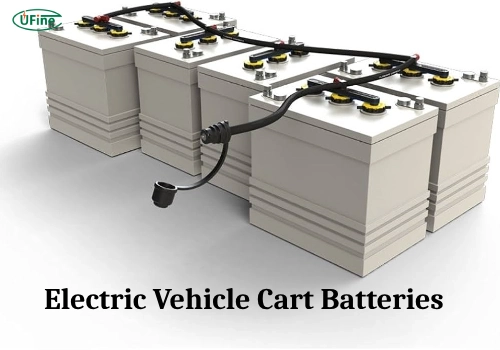
Lead-acid batteries are the most traditional type of cart batteries, known for their affordability and reliability. They come in two main varieties:
- Flooded lead-acid batteries: Require regular maintenance, including checking water levels and cleaning terminals. They are cost-effective and perform well but can be heavy and less efficient.
- Sealed lead-acid batteries: Also known as VRLA (Valve-Regulated Lead-Acid) batteries, these are maintenance-free and safer to use. They include AGM (Absorbed Glass Mat) and Gel batteries. AGM batteries are more vibration-resistant and have a lower self-discharge rate, making them ideal for various climates.
Lithium-ion batteries: A newer technology offering several advantages over lead-acid batteries, including:
- Higher energy density: Provides more power in a lighter and more compact form.
- Longer lifespan: Typically lasts 2-3 times longer than lead-acid batteries.
- Faster charging: You can charge this more quickly, reducing downtime.
- Low maintenance: It does not require regular maintenance like lead-acid batteries.
AGM (Absorbed Glass Mat) batteries: These sealed lead-acid batteries use a glass mat to absorb the electrolyte. They offer several benefits:
- Maintenance-free: No need to check water levels.
- Durable: Resistant to vibration and can operate in various temperatures.
- Low self-discharge: Can hold a charge longer when not in use.
Vape cart batteries
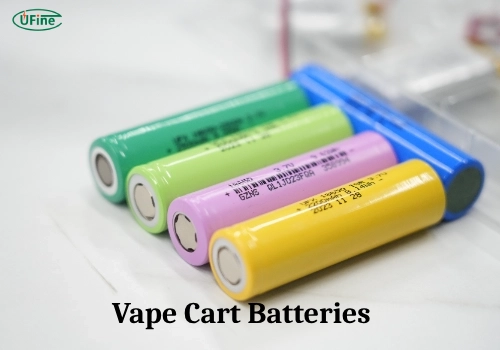
- 510-thread batteries: The most common type, compatible with a wide range of cartridges. They are known for their versatility and ease of use.
- Pod system batteries: Designed for specific pod-style vape cartridges. These batteries are usually compact and sleek, offering a more integrated vaping experience.
- Variable-voltage batteries Allow users to adjust power output for a customized vaping experience. They also provide flexibility in terms of flavor and vapor production.
Part 3. Key factors to consider when choosing a cart battery
Capacity and voltage
Consider your cart’s amp-hour (Ah) rating and voltage requirements for electric vehicles. Higher Ah ratings indicate longer run times between charges. Look at the milliamp-hour (mAh) rating and voltage range for vape batteries to ensure compatibility with your cartridges and desired vaping experience.
Size and compatibility
Ensure the battery fits your device correctly. Check the battery compartment dimensions for golf carts. Consider the threading (usually 510-thread) for vape pens and overall size for portability.
Charging time and lifespan
Look for batteries with reasonable charging times and long cycle lives. Lithium-ion batteries generally offer faster charging and longer lifespans compared to lead-acid batteries.
Temperature performance
Choose a model that performs well if you use your cart battery in extreme temperatures. This is particularly important for outdoor use in golf carts or other electric vehicles.
Part 4. Maintenance and care tips for cart batteries
Proper maintenance can significantly extend the life of your cart battery:
- Regular cleaning: Keep battery terminals clean and free of corrosion.
- Proper charging: Follow manufacturer guidelines for charging cycles and avoid overcharging.
- Storage: Store batteries in a cool, dry place when not in use.
- Water levels: Check and maintain proper water levels for flooded lead-acid batteries.
- Avoid deep discharges: Try not to drain the battery completely before recharging.
How do I know when it’s time to replace my cart battery?
Signs that indicate it’s time to replace your cart battery include:
- Decreased range or run time
- Longer charging times
- Visible damage or corrosion
- Difficulty holding a charge
- Age (if it’s beyond the expected lifespan)
Part 5. How do you choose the correct cart battery for your needs?
Assess your usage
Determine how often and for how long you’ll be using the battery. For instance, if you use your golf cart daily, investing in a high-quality lithium-ion battery might be more beneficial due to its longer lifespan and faster charging times.
Consider your budget
Balance upfront costs with long-term value and performance. While lithium-ion batteries are more expensive initially, their longer lifespan and lower maintenance costs can make them more cost-effective.
Check compatibility
Ensure the battery matches your device’s specifications. For golf carts, verify the voltage and size requirements. For vape pens, ensure the battery type (e.g., 510-thread) is compatible with your cartridges.
Read reviews
Look for feedback from other users with similar needs. Reviews can provide insights into the battery’s performance, reliability, and potential issues.
Consult experts
Seek advice from professionals or experienced users in your specific field. They can offer personalized recommendations based on your unique requirements.
How do I choose the correct voltage for my vape cart battery?
The ideal voltage for a vape cart battery depends on personal preference and the type of cartridge you’re using. Generally:
- 2.5V – 3.0V: Lower temperatures, better for flavor preservation
- 3.0V – 3.5V: Medium range, balancing flavor and vapor production
- 3.5V – 4.0V: Higher temperatures, more vapor, but potential loss of flavor
Start at a lower voltage and adjust upwards to find your sweet spot.
How to Choose the 18650 Vape Battery?
Part 6. Top cart battery brands and models
For electric vehicles
- Trojan Battery Company: Known for high-quality lead-acid and lithium-ion golf cart batteries.
- Crown Battery: Offers reliable deep-cycle batteries for various applications.
- LiTime: Specializes in lithium-ion batteries for golf carts and other electric vehicles.
- Ufine Battery offers 18650 lithium-ion batteries renowned for their performance and reliability. It also provides OEM and ODM services, making it a versatile choice for various applications.
For vaping devices
- CCELL: Produces popular 510-thread batteries with various features.
- Vessel: Known for high-end, stylish vape batteries with advanced features.
- O2VAPE: Offers a range of reliable and affordable vape pen batteries.
- Ufine Battery: Known for its high-quality 18650 lithium-ion batteries, Ufine Battery offers customizable solutions through its OEM and ODM services, catering to diverse vaping needs.
The Ultimate Guide to the Best 18650 Vape Batteries
Part 7. Safety considerations for cart batteries
Safety should always be a top priority when using cart batteries:
- Proper handling: Avoid dropping or damaging batteries.
- Correct charging: Use only compatible chargers and avoid overcharging.
- Temperature awareness: Don’t expose batteries to extreme heat or cold.
- Disposal: Recycle old batteries properly; never dispose of them in regular trash.
- Ventilation: Ensure proper ventilation when charging, especially for lead-acid batteries.
Part 8. FAQs
-
How long do cart batteries typically last?
Cart battery lifespan varies depending on type and usage. Lead-acid golf cart batteries generally last 4-6 years with proper maintenance, while lithium-ion batteries can last 8-10 years. Vape cart batteries typically last 6-12 months with regular use. -
Can I use a car battery in my golf cart?
While technically possible, experts do not recommend it. Golf cart batteries are deep-cycle batteries designed for repeated discharge and recharge cycles. In contrast, car batteries are starting batteries meant for short bursts of power. Using a car battery in a golf cart will likely result in poor performance and a shortened lifespan. -
Are lithium-ion batteries worth the higher cost for golf carts?
While lithium-ion batteries have a higher upfront cost, they often prove worth the investment due to their longer lifespan, lighter weight, faster charging times, and maintenance-free operation. They can significantly benefit frequent users or those looking to improve cart performance. -
What is the best way to store my cart battery when unused?
When not in use, store batteries in a cool, dry place. For extended storage periods, fully charge the battery and check the charge level periodically. Avoid storing batteries in extreme temperatures or humid environments.
Related Tags:

More Articles

All You Need to Know About CB Certification for Lithium Batteries
Learn what CB certification and the IECEE CB Scheme mean for lithium batteries. Explore requirements, testing, benefits, and global market access.
How to Choose the Right 3S LiPo Battery 5000mAh for Your RC Hobby Projects?
Learn how to choose the best 3S LiPo battery 5000mAh for RC cars, drones, boats, and planes. Compare C ratings, runtime, connectors, charging, and safety tips.
Comparing Semi Truck Batteries vs. Truck Batteries
Compare semi truck batteries and truck batteries by size, CCA, lifespan, and battery type. Learn how to choose the right truck battery for your vehicle.
Top 10 Flat Lithium Ion Battery Options for Compact Devices
Explore top flat lithium ion battery options, key specifications, and selection factors for compact electronics, medical devices, and energy storage systems.
Top 10 High Capacity Batteries: Best Large Capacity Battery Options
Compare 10 high capacity batteries for portable devices, backup systems, and industrial use. Find the best large capacity battery.