
- Part 1. The temptation of a cheap battery
- Part 2. What does ‘cheap battery’ really mean?
- Part 3. The hidden trade-offs of a cheap battery
- Part 4. Types of cheap batteries in the market
- Part 5. Material quality and manufacturing: the core of cost differences
- Part 6. Statistical comparison: cheap vs. high-quality batteries
- Part 7. Safety risks associated with cheap batteries
- Part 8. How to find high-quality yet affordable batteries
- Part 9. How Ufine Battery ensures high battery quality
- Part 10. Can you really buy cheap batteries safely?
A cheap battery may look appealing. It often hides performance, safety, and longevity issues that cost far more in the long run. As a professional lithium battery manufacturer, Ufine Battery aims to help customers understand how to balance price and quality — and how to choose the right battery that’s both affordable and trustworthy.
Part 1. The temptation of a cheap battery
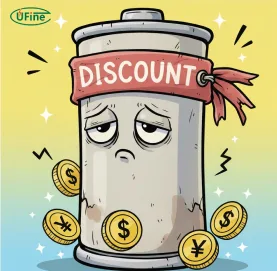
The phrase “cheap battery” dominates online searches today. From power banks to electric bikes and solar systems, consumers and businesses alike are hunting for lower prices.
Yet, the word “cheap” is often misunderstood. In most cases, it doesn’t just mean “low-cost” — it also signals compromises in materials, craftsmanship, or safety testing. Many online stores sell extremely low-priced batteries, but few buyers realize these products may come from unverified sources, sometimes with no traceability or safety certifications.
Note: At Ufine Battery, we believe cost reduction is valuable only when it doesn’t sacrifice performance, reliability, and safety. A truly cost-effective battery should last long, perform consistently, and keep users safe.
Part 2. What does ‘cheap battery’ really mean?
A cheap battery can mean three different things, depending on its source and design philosophy:
- Low-cost but reliable: Batteries made by professional manufacturers who optimize materials and production efficiency to deliver affordable yet safe products.
- Refurbished or recycled: Used batteries that are re-labeled or reconditioned to appear new — often inconsistent and unsafe.
- Counterfeit or unverified: Completely fake products with inflated capacity labels and unknown cell chemistry, often posing serious safety risks.
The cost difference among these categories is huge — but so is the risk. The cheapest options often cut corners in electrode coating, electrolyte purity, or protective circuits, all of which directly affect lifespan and safety.
True cost-effectiveness comes not from the lowest price, but from the best long-term value.
Part 3. The hidden trade-offs of a cheap battery
While a cheap battery may reduce upfront costs, it often brings hidden losses:
- Shorter Lifespan: Many low-end cells lose over 30% of their capacity within the first 100 cycles.
- High Self-Discharge: Cheap batteries often leak energy even when not in use, reducing standby performance.
- Safety Hazards: Inferior separators or unbalanced electrolytes can lead to short circuits, overheating, or even fires.
- Replacement Costs: Frequent failures require new purchases, driving the total cost higher over time.
A poor-quality 18650 or Li-ion cell might cost half as much as a branded one — but if it lasts one-third as long, the buyer ultimately pays more per kilowatt-hour.
That’s why Ufine Battery emphasizes not “cheap,” but value-optimized manufacturing: using quality-controlled materials and precision assembly to keep costs reasonable without sacrificing safety.
Part 4. Types of cheap batteries in the market

Cheap batteries come in several common forms, each with different risks:
(1) Alkaline and Disposable Batteries
Widely available for household use, they are cheap but not rechargeable. Inconsistent production quality can cause leakage or reduced voltage output over time.
(2) Lithium-Ion and 18650 Cells
Popular for high-energy applications, but the market is flooded with counterfeit or relabeled products. Many of these claim capacities (e.g., “9800mAh”) that are physically impossible for standard 18650 cells.
(3) Refurbished or Recycled Batteries
Extracted from used laptop or EV packs, these are often sold as “like-new.” However, the remaining lifespan varies greatly, and damaged internal chemistry increases the risk of short circuits or thermal runaway.
(4) Generic or White-Label Brands
These are often produced without brand accountability. While some perform acceptably, many lack testing data, batch traceability, or warranty — leaving buyers unprotected.
For critical applications — such as e-bikes, robotics, or backup systems — even one defective cell can cause serious system-wide issues.
Part 5. Material quality and manufacturing: the core of cost differences
The real difference between a cheap and high-quality battery begins deep inside the cell.
Cathode and Anode Materials
Premium cells use high-purity materials like NMC, LFP (LiFePO₄), or NCA. In contrast, cheap batteries may mix recycled or low-grade powders that reduce capacity and stability.
Separator Film
A thin, porous layer that prevents the electrodes from touching. Substandard separators in cheap batteries can melt or tear under heat, triggering internal short circuits.
Electrolyte
Acts as the ionic highway within the cell. Cheap electrolytes may contain impurities that cause gas buildup, leakage, or rapid degradation.
Manufacturing Precision
Ufine Battery applies automated coating, laser welding, and consistency testing to ensure precise electrode thickness and uniform chemical reactions. Cheap factories often lack such precision equipment, leading to inconsistent internal resistance and performance variation.
Every layer matters. Battery quality isn’t just about materials — it’s about the discipline of manufacturing.
Part 6. Statistical comparison: cheap vs. high-quality batteries
Ufine’s internal testing and market sampling show clear performance gaps between cheap, mid-tier, and premium batteries:
| Category | Average Cycle Life | Capacity Deviation | Failure Rate | Safety Certification |
|---|---|---|---|---|
| Cheap Battery | 150–300 cycles | ±20–30% | 8–12% | None or fake labels |
| Mid-Tier Battery | 500–700 cycles | ±5–10% | 1–3% | Basic CE/UN38.3 |
| Premium Battery | 1000+ cycles | ±2–3% | <1% | CE, UL, IEC, MSDS, UN38.3 |
Cheap batteries typically show a 3–5× higher failure rate than premium models. For industries like energy storage or electric mobility, that’s an unacceptable risk.
Part 7. Safety risks associated with cheap batteries
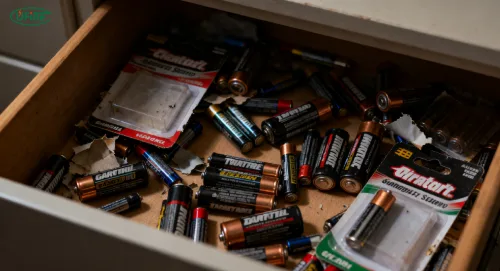
The lower the price, the higher the potential hazard. Safety issues are often invisible until it’s too late.
- Overheating and Fire: Caused by poor separator quality or electrolyte instability.
- Short Circuiting: Defective internal welding or metal contamination can puncture the separator.
- Explosion Risk: Overcharging or unprotected cells without a Battery Management System (BMS) are especially dangerous.
- Chemical Leakage: Corrosion or casing failure can release harmful substances.
Many cheap batteries sold online skip essential safety tests such as UN38.3 (transport safety), IEC 62133 (international performance/safety), or UL 1642 (cell-level safety). Without these, there’s no guarantee of safe operation.
Part 8. How to find high-quality yet affordable batteries
Not every buyer has the budget for top-tier brands — but it’s still possible to find affordable batteries that meet strong safety and performance standards. Here’s how:
1. Check Certifications:- CE Mark: Indicates compliance with European safety and EMC standards.
- UL 1642 / UL 2054: U.S. certifications proving cell and pack-level safety.
- UN38.3: Required for shipping lithium batteries by air; tests for altitude, vibration, and thermal conditions.
- IEC 62133: International safety standard for portable sealed secondary batteries.
- MSDS: Material Safety Data Sheet that details chemical composition and handling precautions.
- RoHS & REACH: Ensures no hazardous substances in materials.
A good supplier will readily provide all of these certificates with matching serial numbers for traceability.
2. Ask for Batch Testing Reports:
A reputable manufacturer like Ufine provides detailed reports on capacity, voltage, and internal resistance for every production lot.
3. Compare Suppliers, Not Just Prices:
A slightly higher unit price often comes with warranty support, stable capacity, and consistent supply — critical for B2B clients.
4. Order Samples Before Bulk Purchases:
Testing a few samples under your specific load and temperature conditions helps verify claims.
5. Work with Custom Battery Manufacturers:
Ufine Battery offers customized lithium polymer, LiFePO₄, and 18650 battery packs — designed for your required voltage, capacity, and discharge rate — ensuring the perfect balance between cost and performance.
Finding a truly affordable, high-quality battery is about smart sourcing and technical evaluation, not just price comparison.
Part 9. How Ufine Battery ensures high battery quality
Ufine Battery combines Chinese manufacturing efficiency with international-level quality control to deliver reliable yet cost-effective lithium batteries. Our approach includes:
- ISO9001-certified production systems.
- 100% automatic testing for capacity, voltage, and internal resistance.
- Traceable barcodes for every batch of cells.
- Strict raw material selection from reputable suppliers.
- Custom engineering for shape, size, voltage, and discharge rate requirements.
- Comprehensive safety compliance: UL, CE, UN38.3, IEC62133, MSDS, RoHS.
Through years of experience serving global clients in consumer electronics, energy storage, and industrial applications, Ufine has proven that high quality and affordability can coexist.
Part 10. Can you really buy cheap batteries safely?
So, can you buy cheap batteries?
The honest answer: you can — but only if you understand what “cheap” truly means.
A cheap battery with no certification, no testing, and no traceability will always cost more in the end — through replacements, performance loss, or safety risks. But an affordable, quality-controlled battery from a professional manufacturer like Ufine Battery delivers real value: stable performance, long cycle life, and proven safety.
In the battery world, “cheap” should never mean “risky.”
Choose smart. Choose safety. Choose Ufine Battery — where performance and value meet.
Related Tags:

More Articles
Buck vs. Boost vs. Buck-Boost Converter: Which Is Best for Battery?
Not sure which converter your battery-powered device needs? Compare Buck, Boost, and Buck-Boost designs and discover what affects voltage stability and runtime.
How to Match 18650 Cells for a Reliable Battery Pack?
Building an 18650 battery pack? Learn how to compare cell capacity, voltage, and internal resistance to avoid mismatches and improve reliability.
Why Do 18650 Battery Packs Get Hot During Discharge?
Is your 18650 battery pack overheating under load? Learn what causes excess heat, how to spot dangerous symptoms, and what to do next.
18650 Battery BMS: How to Get the Specs Right
Learn how to choose a BMS for an 18650 battery pack. Compare voltage, current ratings, protection features, and balancing before you buy.
Why Does My Ring Camera Battery Drain So Fast or Stop Charging?
Is your Ring camera battery draining fast or not charging? Discover common causes, practical fixes, and when to replace the battery.


