
- Part 1. What is a battery conditioner and how does it work?
- Part 2. What is a trickle charger and what does it do?
- Part 3. Battery conditioner vs. trickle charger: What's the core difference?
- Part 4. When should you use a battery conditioner?
- Part 5. When is a trickle charger the right choice?
- Part 6. Battery conditioner for sulfated or dying batteries
- Part 7. Can you leave a battery conditioner connected 24/7?
- Part 8. Battery conditioner safety features
- Part 9. Battery conditioner compatibility with battery types
- Part 10. Which is better for long-term storage: battery conditioner or trickle charger?
- Part 11. FAQs about battery conditioner and trickle charger
If you’re searching for the difference between a battery conditioner and a trickle charger, you’re likely trying to protect your vehicle’s battery from dying during storage or infrequent use.
A battery conditioner is a smart device that maintains, rejuvenates, and extends your battery’s life, while a trickle charger simply keeps it topped up with a slow, constant charge.
In this detailed guide, we’ll go far beyond the basics to help you understand both technologies, their pros and cons, and which suits your needs best. Whether you’re storing a classic car, a motorcycle, or a boat, this article will help you make the right choice.
Part 1. What is a battery conditioner and how does it work?
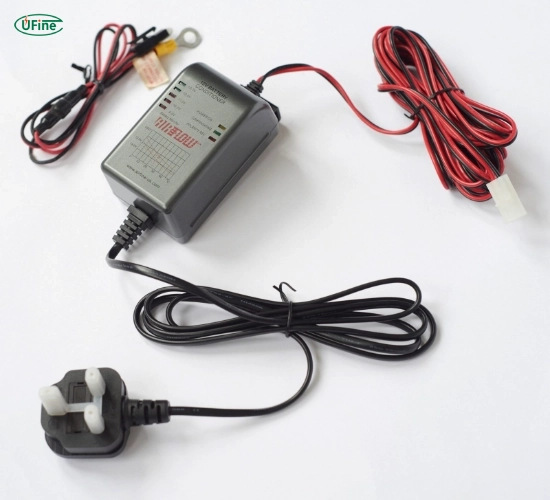
A battery conditioner is more than just a charger. It’s a smart battery management tool that charges, maintains, and restores your battery.
How it works
Battery conditioners use multi-stage charging cycles. These typically include:
- Soft Start/Desulfation: Detects sulfation and tries to reverse it with controlled pulses.
- Bulk Charging: Rapidly charges the battery to about 80%.
- Absorption Mode: Slowly tops off the battery to 100%.
- Float Mode: Keeps it full without overcharging using a very small current.
- Monitoring Mode: Periodically checks voltage and adjusts charging automatically.
This intelligent behavior prevents overcharging, undercharging, and battery damage. It’s like a personal battery doctor.
Why it matters
Battery conditioners are ideal for anyone who:
- Uses vehicles seasonally
- Owns multiple vehicles
- Wants to avoid buying new batteries every year
- Needs to maintain batteries without supervision for extended periods
Part 2. What is a trickle charger and what does it do?
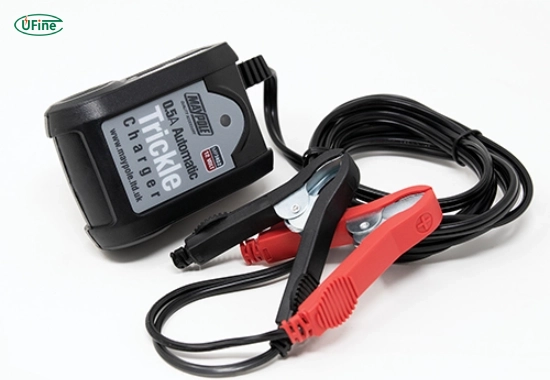
A trickle charger is a basic battery charger that delivers a slow, constant charge—usually between 1 to 2 amps.
How it works
Trickle chargers don’t adjust voltage or current based on battery condition. They supply a continuous flow of electricity, which can be helpful if:
- You’re storing a vehicle short-term
- You’re nearby to monitor the battery
- Your battery is already in good health
However, leaving a trickle charger connected too long can overcharge and damage the battery.
Part 3. Battery conditioner vs. trickle charger: What’s the core difference?
The key difference is intelligence. A battery conditioner is smart. A trickle charger is not.
| Feature | Battery Conditioner | Trickle Charger |
|---|---|---|
| Charging Type | Smart, multi-stage | Constant, low-rate |
| Battery Monitoring | Yes | No |
| Automatic Shut-off | Yes | Usually no |
| Desulfation | Yes (on most models) | Rare |
| Long-term Use | Safe and ideal | Risk of overcharging |
| Best For | Battery health maintenance and restoration | Short-term charge maintenance |
| Use While Away | Yes | Not recommended |
A battery conditioner protects your battery, while a trickle charger just keeps it alive.
Part 4. When should you use a battery conditioner?
Use a battery conditioner when:
- You plan to store a vehicle for weeks or months
- You want to extend battery life and avoid replacements
- Your battery has become weak or sulfated
- You own classic cars, motorcycles, RVs, or boats
- You don’t have time to monitor the charger constantly
These devices are perfect for winter storage, seasonal vehicles, and off-grid solar batteries.
Real-world example
Let’s say you have a motorcycle you only ride in summer. Leaving the battery unused for 6 months can ruin it. But if you connect a battery conditioner, it will keep the battery healthy and ready to go in spring—no jump start needed.
Part 5. When is a trickle charger the right choice?
A trickle charger can still be helpful if:
- You’re storing a vehicle for a short time (a few days to a week)
- You want a simple, cheap solution
- You will manually unplug it when the battery is full
- Your battery is new and healthy
- You want to top off a battery after use
However, you must be cautious. Leaving a trickle charger connected long-term can destroy your battery, especially if it lacks auto shut-off.
Part 6. Battery conditioner for sulfated or dying batteries
One of the biggest advantages of a battery conditioner is its ability to handle sulfation, the number one cause of lead-acid battery failure.
What is sulfation?
Sulfation occurs when lead sulfate crystals build up on the battery plates. It usually occurs when a battery is left discharged for too long. Sulfation reduces capacity and shortens lifespan.
How a battery conditioner helps
Many conditioners include a desulfation mode, which sends high-frequency pulses to break down these crystals. This can help restore lost capacity and extend battery life.
Note: Not all conditioners include this feature, so check before buying.
Part 7. Can you leave a battery conditioner connected 24/7?
Yes, you can leave a battery conditioner connected for months. That’s what it’s designed for.
Once the battery is fully charged, the device automatically enters float or maintenance mode. It will continue to monitor the battery and top it off only when needed, making it ideal for long-term storage.
In contrast, trickle chargers cannot be left connected forever unless they are “smart” models.
Part 8. Battery conditioner safety features
Most modern battery conditioners include a wide range of safety protections, such as:
- Reverse polarity protection
- Over-voltage and short-circuit protection
- Spark-proof clamps
- Temperature compensation
- Automatic shut-off
These features make conditioners much safer than traditional trickle chargers, especially if you’re not around to supervise.
Part 9. Battery conditioner compatibility with battery types
Today’s battery conditioners are designed to work with a wide range of battery types, including:
- Lead-acid (Flooded)
- AGM (Absorbed Glass Mat)
- Gel batteries
- Lithium-ion (LiFePO4)
Some conditioners are multi-chemistry, meaning they automatically detect the battery type or let you select it manually.
Tip: Always match the voltage (6V, 12V, or 24V) and chemistry before connecting a conditioner.
Part 10. Which is better for long-term storage: battery conditioner or trickle charger?
For long-term battery storage, a battery conditioner is the clear winner. Here’s why:
- It provides smart charging and automatic adjustment
- It prevents overcharging and undercharging
- It includes desulfation and recovery features
- It offers set-it-and-forget-it convenience
While applicable for short-term use, a trickle charger can damage your battery if left connected too long.
Part 11. FAQs about battery conditioner and trickle charger
Can a battery conditioner revive a dead battery?
It depends. If the battery is deeply discharged but not damaged, a conditioner with a recovery mode might restore it. If it’s completely dead or physically damaged, replacement is your only option.
Are battery conditioners expensive?
Not really. Most good-quality conditioners cost between $30 and $100, depending on their features. They often pay for themselves because they can extend battery life by years.
Can I use a battery conditioner on my car?
Yes, battery conditioners are commonly used for cars, primarily classic or rarely driven vehicles. They keep your car battery fresh and ready to start, even after months of inactivity.
Is it safe to leave a battery conditioner on overnight?
Absolutely. Many people leave conditioners connected for weeks or months. That’s what they’re designed for. Just make sure the unit is smart and UL-certified.
Does a battery conditioner use a lot of electricity?
No. Most conditioners are very energy-efficient. They use only a tiny amount of power, just enough to maintain the battery.
Related Tags:

More Articles

JST vs Molex: The Right Battery Connector Choice
JST or Molex for your battery? Learn how connector selection affects current, voltage drop, reliability, and device performance.
Custom Battery Pricing: Costs Manufacturers Don’t Mention
A low battery quote may not be the final cost. Discover common hidden expenses that affect custom lithium battery projects.
Battery Wire Length: Hidden Cause of Power Loss
A longer battery wire can cause voltage drop, power loss, and unstable operation. Learn how wire length affects battery performance.
How Device Sleep Modes Affect Battery Life
Think sleep mode extends battery life? Learn why devices still drain power and how firmware, hardware, and batteries affect runtime.
LiPo Battery and PCB Design: Clearance, Insulation, and Placement
Learn how to optimize LiPo battery PCB clearance, insulation, placement, wiring, and thermal design—and avoid common integration mistakes.


