
- Part 1. Are lithium polymer batteries safe?
- Part 2. Why do lithium batteries catch fire?
- Part 3. Why do LiPo batteries catch fire more easily?
- Part 4. What is the real lithium polymer battery fire risk?
- Part 5. Warning signs before a LiPo fire
- Part 6. What happens during a LiPo battery fire?
- Part 7. What should you do if a LiPo battery catches fire?
- Part 8. How to prevent LiPo battery fires
- Part 9. Final thoughts
- Part 10. FAQs
Key takeaways
- Lithium polymer batteries are generally safe when used correctly.
- Most LiPo battery fires are caused by overcharging, physical damage, short circuits, or excessive heat.
- Thermal runaway is the primary mechanism behind lithium battery fires.
- LiPo batteries are more vulnerable to physical damage than metal-cased lithium-ion batteries.
- Swelling, overheating, unusual odors, and deformation are warning signs of battery failure.
- Proper charging, storage, and handling significantly reduce fire risks.
- High-quality batteries with Battery Management Systems (BMS) offer much better protection.
Part 1. Are lithium polymer batteries safe?
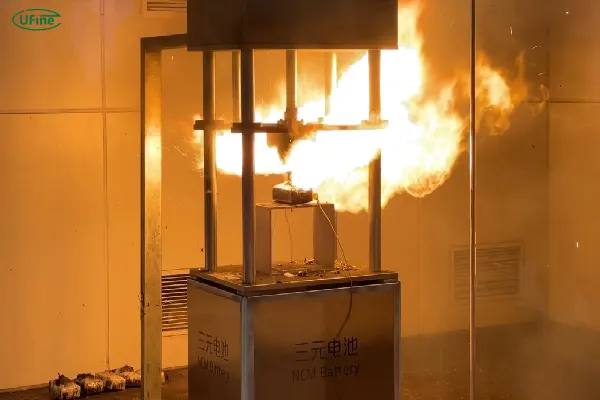
The short answer is yes.
Lithium polymer batteries are considered safe when they are manufactured to high standards and operated within their specified limits. Millions of LiPo batteries are used daily around the world without incident.
You can find LiPo batteries in:
- Consumer electronics
- Drones
- RC aircraft
- Medical devices
- Portable industrial equipment
- Wearable technology
Like all rechargeable batteries, LiPo batteries contain stored energy. If that energy is released uncontrollably, it can create heat, smoke, or fire. However, such failures are relatively rare and are usually associated with specific causes such as damage, improper charging, or manufacturing defects.
The table below summarizes common factors that affect lithium polymer battery safety.
| Condition | Safety Level |
|---|---|
| Proper charging and storage | Very Safe |
| High-quality battery with BMS | Very Safe |
| Moderate aging | Generally Safe |
| Swollen battery | Unsafe |
| Physical damage or puncture | High Risk |
| Severe overcharging | High Risk |
When you use a quality battery and follow proper handling practices, the likelihood of a fire is extremely low.
To better understand how safety is ensured in real production, you can watch Battery Cell Safety Testing | Ufinebattery Battery Laboratory, which shows how lithium batteries are tested under extreme conditions before use.
Part 2. Why do lithium batteries catch fire?

To understand lithium polymer battery fire risk, you first need to understand what causes lithium batteries to catch fire.
In most cases, the root cause is a process known as thermal runaway.
Thermal runaway occurs when a battery generates heat faster than it can dissipate it. As the temperature rises, internal chemical reactions accelerate, creating even more heat. This chain reaction can eventually result in smoke, fire, or, in severe cases, an explosion.
Several conditions can trigger thermal runaway.
1.Overcharging
Charging a battery beyond its maximum voltage can destabilize the internal chemistry and generate excessive heat.
This is one of the most common causes of lithium battery fires.
2. Internal short circuits
A short circuit allows electrical current to flow through unintended pathways inside the battery. This rapidly generates heat and can trigger thermal runaway.
3. Manufacturing defects
Poor-quality materials, contamination during production, or faulty assembly can create internal weaknesses that increase the likelihood of failure.
3. Physical damage
Dropping, crushing, bending, or puncturing a battery can damage internal components and create dangerous short circuits.
4. Excessive temperatures
Exposure to high temperatures can accelerate chemical reactions inside the battery and increase fire risk.
Understanding heat behavior is critical for safety, especially when learning about lithium battery fire temperature limits and risks in real-world conditions.
Part 3. Why do LiPo batteries catch fire more easily?
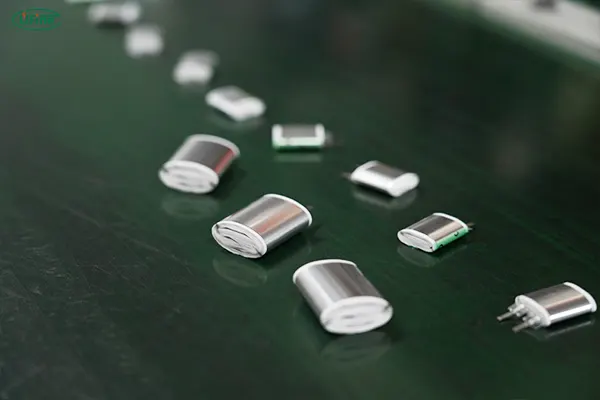
Many people wonder why LiPo battery fires seem more common than fires involving other lithium battery types.
The answer largely comes down to battery design.
Unlike traditional lithium-ion batteries, which are typically housed in rigid metal cans, LiPo batteries use flexible pouch cells.
This design offers several advantages:
- Lower weight
- Greater design flexibility
- Higher energy density
- Better high-discharge performance
However, it also introduces additional vulnerabilities.
Soft pouch construction
The flexible pouch provides less physical protection than a metal enclosure.
If the battery is crushed, punctured, or bent, internal layers may come into contact and create a short circuit.
Swelling and gas buildup
LiPo batteries can swell when they age, are overcharged, or experience internal degradation.
Swelling increases internal stress and can raise the risk of failure if ignored.
When a battery starts to bulge, it is usually a sign of internal damage or gas buildup, and you should read more about lithium battery swelling causes and safety tips before continuing to use it.
Higher discharge rates
Many LiPo batteries are designed for high-performance applications such as drones and RC vehicles.
These demanding applications generate more heat and place greater stress on the battery.
Reduced impact resistance
Compared to metal-cased cells, LiPo batteries generally offer less resistance to physical abuse.
| Feature | LiPo Battery | Li-ion Battery |
|---|---|---|
| Packaging | Soft pouch | Metal can |
| Weight | Lighter | Heavier |
| Design flexibility | High | Moderate |
| Physical protection | Lower | Higher |
| Fire resistance after impact | Lower | Higher |
| Typical applications | Drones, RC, wearables | Laptops, EVs, power tools |
This does not mean LiPo batteries are unsafe. It simply means they require careful handling and proper protection.
Part 4. What is the real lithium polymer battery fire risk?
When reading news reports, it’s easy to assume lithium battery fires are common.
In reality, they are relatively rare compared to the enormous number of batteries used worldwide every day.
Most lithium polymer batteries complete their entire service life without experiencing a fire.
The highest risks are typically associated with:
- Overcharging
- Physical damage
- Poor manufacturing quality
- Improper storage
- Exposure to extreme heat
The following table ranks common risk factors.
| Risk Factor | Fire Risk |
|---|---|
| Severe overcharging | Very High |
| Puncture damage | Very High |
| Internal short circuit | Very High |
| Swollen battery | High |
| Extreme heat exposure | High |
| Aging battery | Moderate |
| Properly maintained battery | Low |
The biggest takeaway is that battery fires are usually preventable.
Part 5. Warning signs before a LiPo fire
LiPo batteries often show warning signs before a serious failure occurs.
You should stop using a battery immediately if you notice any of the following:
Swelling
A swollen battery indicates internal gas generation and chemical degradation.
Excessive heat
If the battery becomes unusually hot during charging or use, investigate the cause immediately.
Unusual odor
Chemical smells may indicate electrolyte leakage or internal damage.
Physical deformation
Cracks, dents, punctures, or severe bending can compromise battery safety.
Voltage imbalance
Large voltage differences between cells may signal internal problems.
Leakage
Any visible leakage should be treated as a serious safety concern.
Part 6. What happens during a LiPo battery fire?
A lithium polymer battery fire can develop extremely quickly.
Once thermal runaway begins, temperatures can rise rapidly and spread to neighboring cells.
Several dangerous events may occur:
Intense heat
Battery temperatures can exceed hundreds of degrees Celsius within seconds.
Smoke production
Large amounts of smoke are often released as internal materials decompose.
Toxic gas release
Burning lithium batteries can release hazardous gases that should not be inhaled.
Chain reactions
In multi-cell battery packs, one failing cell can trigger nearby cells, causing the fire to spread.
Explosion risk
In severe cases, pressure buildup may rupture the pouch and eject burning material.
Part 7. What should you do if a LiPo battery catches fire?
If a LiPo battery catches fire, your priority should always be personal safety.
Follow these steps:
- Move away from the battery immediately.
- Evacuate nearby people if necessary.
- Call emergency services if the fire cannot be controlled safely.
- Avoid breathing smoke or fumes.
- Allow trained personnel to handle large battery fires.
- Never touch a burning battery with bare hands.
If the battery is only overheating or smoking and it is safe to do so, move surrounding combustible materials away from the area.
Always follow local fire safety guidelines.
Part 8. How to prevent LiPo battery fires
Fortunately, preventing LiPo battery fires is relatively straightforward.
Use high-quality batteries
Choose batteries from reputable manufacturers that follow strict quality-control procedures.
Use the correct charger
Always use a charger designed for your battery’s chemistry, voltage, and capacity.
Avoid overcharging
Never exceed the recommended charging voltage.
Never charge unattended
Remain nearby while charging and monitor the battery for abnormal behavior.
Store batteries properly
Keep batteries in a cool, dry environment away from direct sunlight and heat sources.
Inspect batteries regularly
Check for swelling, damage, loose connections, or other warning signs.
Avoid physical damage
Protect batteries from impacts, punctures, crushing, and excessive vibration.
Use a Battery Management System
A properly designed BMS helps prevent overcharging, over-discharging, overheating, and cell imbalance.
Part 9. Final thoughts
So, are lithium polymer batteries safe?
Yes—when properly designed, manufactured, and used, LiPo batteries are safe and reliable power sources for a wide range of applications.
While lithium polymer battery fire risk cannot be eliminated entirely, it can be greatly reduced through proper charging practices, careful handling, quality manufacturing, and effective protection systems.
Understanding why lithium batteries catch fire and recognizing early warning signs are the best ways to protect both people and property.
For businesses developing custom battery-powered products, selecting high-quality cells, implementing robust Battery Management Systems, and working with experienced battery manufacturers are essential steps toward maximizing both performance and safety.
Ufine Battery can customize capacity, voltage, curvature, and dimensions to meet your specifications — whether for prototype testing or volume production.
Find A Solution NowPart 10. FAQs
Can a LiPo battery catch fire when not in use?
Yes. Although uncommon, a damaged, defective, or improperly stored LiPo battery can enter thermal runaway even when it is not being actively used or charged. This is why batteries should always be stored in a safe location away from flammable materials.
Are larger LiPo batteries more dangerous than smaller ones?
Generally, larger batteries contain more stored energy, which means a failure can produce more heat and cause a larger fire. Proper battery design, protection systems, and handling become increasingly important as battery capacity increases.
Can a damaged battery recover if it seems to work normally?
No. A battery that has been punctured, crushed, or significantly damaged should not be considered safe simply because it still functions. Internal damage may not be visible and can lead to failure days or even weeks later.
Do all swollen LiPo batteries need to be replaced?
Yes. Swelling indicates that chemical reactions inside the battery are no longer normal. Even if performance appears acceptable, a swollen LiPo battery should be removed from service and disposed of according to local regulations.
Is fast charging more likely to cause a LiPo battery fire?
Fast charging can generate additional heat and place more stress on battery cells. When performed within manufacturer specifications, it is generally safe. However, using incompatible chargers or excessive charging currents can increase the risk of battery failure.
Related Tags:

More Articles
Dead Battery or Device Failure? How to Find the Cause
Think your device is broken? Learn how to tell if the problem comes from battery aging or hardware failure before replacing your electronics.
Why iPhone Duo Uses Two Batteries: The Engineering Behind Foldable Phone Power
Why do foldable phones need two batteries? Explore the engineering challenges behind iPhone Duo’s dual-battery architecture and future battery trends.
Solid-State Batteries: 3 Myths You Need to Know
Solid-state batteries promise safer EVs and longer range, but the reality is more complex. Discover the challenges behind this next-gen technology.
Battery Capacity vs Discharge Rate: The Choice Engineers Face
Higher capacity or higher discharge rate? Learn how to choose the right LiPo battery for longer runtime, stable power output, and better device performance.
Battery Cable Size Guide: Choose the Right Wire Fast
Not sure what battery cable size you need? Learn how to select the right wire gauge, terminal size, and cable for safer, more efficient battery systems.


