
- Key Takeaways
- Part 1. What does "deep cycle battery" mean?
- Part 2. Why choose a 6 volt deep cycle battery?
- Part 3. Types of 6 volt deep cycle batteries
- Part 4. Common applications for 6 volt deep cycle batteries
- Part 5. 6 volt deep cycle battery vs 12 volt battery
- Part 6. How long does a 6 volt deep cycle battery last?
- Part 7. How to properly charge a 6 volt deep cycle battery?
- Part 8. How to connect two 6 volt batteries together?
- Part 9. Maintenance tips for 6 volt deep cycle batteries
- Part 10. How to choose the best 6 volt deep cycle battery?
- Part 11. FAQs about 6 volt deep cycle batteries
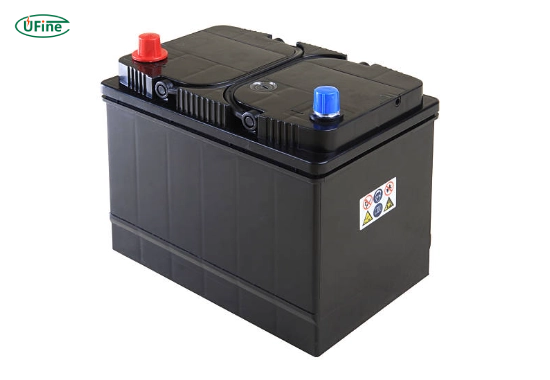
A 6 volt deep cycle battery delivers stable power for long periods and supports repeated deep discharges. It is commonly used in RVs, golf carts, solar systems, marine equipment, and backup power systems.
Many 6V deep cycle batteries provide higher capacity and longer cycle life than standard starter batteries. Two 6 volt batteries are often connected in series to create a 12V system.
Key Takeaways
- A 6 volt deep cycle battery is built for long, steady energy delivery instead of short engine-start bursts.
- Two 6 volt batteries connected in series create a 12V battery system.
- Common battery types include flooded lead-acid, AGM, gel, and lithium.
- 6 volt deep cycle batteries are widely used in RVs, golf carts, marine systems, and solar energy storage.
- Lithium 6V batteries offer longer lifespan and faster charging but cost more upfront.
- Proper charging and maintenance greatly improve deep cycle battery lifespan.
- Avoid over-discharging below 50% for lead-acid batteries to extend cycle life.
Part 1. What does “deep cycle battery” mean?
A deep cycle battery is a battery designed to discharge a large portion of its stored energy repeatedly without damaging internal components.
Unlike car starter batteries, which only discharge a small amount of power during engine starting, deep cycle batteries are designed for continuous use.
Main Characteristics of Deep Cycle Batteries
| Feature | Deep Cycle Battery | Starter Battery |
|---|---|---|
| Purpose | Long-duration power | Engine starting |
| Discharge Depth | Deep discharge capable | Shallow discharge |
| Plate Design | Thick lead plates | Thin lead plates |
| Cycle Life | High | Low |
| Best For | RV, solar, marine | Cars and trucks |
For a deeper comparison, read 6 Volt Deep Cycle Battery vs 12 Volt: Which Is Right for You?
Part 2. Why choose a 6 volt deep cycle battery?
Many RV owners, off-grid users, and golf cart operators prefer 6 volt batteries deep cycle systems because they are durable and efficient.
-
Higher Capacity
- A 6 volt deep cycle battery often provides higher amp-hour capacity than many standard 12V batteries.
- This means longer runtime for appliances, lights, and electronics.
-
Better Durability
- Deep cycle 6V batteries are built with thicker plates. This improves resistance to repeated deep discharges.
-
Flexible System Design
- Two 6 volt deep cycle batteries connected in series create a 12V system. Multiple batteries can also be connected for larger energy storage banks.
-
Ideal for Renewable Energy
- Many off-grid solar systems use 6 volt deep cycle batteries because they handle repeated cycling well.
Part 3. Types of 6 volt deep cycle batteries
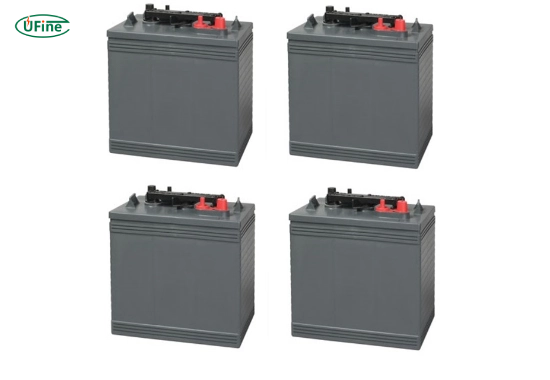
There are several types of 6 volt deep cycle batteries available today. Each has different costs, maintenance needs, and performance characteristics.
1 Flooded Lead-Acid Batteries
Flooded batteries are the traditional and most affordable option.
Advantages:
- Lower upfront cost
- Widely available
- Proven technology
Disadvantages:
- Requires regular watering
- Needs ventilation
- Heavier than lithium batteries
Best Applications: Golf carts, backup systems, low-cost solar storage
Typical lifespan: 3–6 years
2 AGM (Absorbent Glass Mat) Batteries
AGM batteries are sealed and maintenance-free.
Advantages:
- No water maintenance
- Better vibration resistance
- Safer for indoor use
- Faster charging than flooded batteries
Disadvantages:
- Higher cost
- Sensitive to overcharging
Best Applications: RVs, Marine systems, Mobility equipment
Typical lifespan: 4–8 years
3 Gel Batteries
Gel batteries use gelled electrolytes instead of liquid acid.
Advantages:
- Excellent deep discharge recovery
- Spill-proof design
- Good performance in hot climates
Disadvantages:
- Slower charging
- Requires compatible charger
Best Applications: Medical equipment, Marine electronics, Sensitive electronic systems
Typical lifespan: 5–10 years
4 Lithium 6 Volt Batteries
Lithium batteries are becoming increasingly popular because of their long lifespan and lightweight design.
Advantages:
- Very long cycle life
- Lightweight
- Fast charging
- High usable capacity
- Low maintenance
Disadvantages:
- Higher upfront price
- Requires compatible battery management system (BMS)
Best Applications: Premium RV systems, Solar energy storage, Marine applications, Off-grid power
Typical lifespan: 8–15 years
Learn more about lithium battery technology from the U.S. Department of Energy.
Part 4. Common applications for 6 volt deep cycle batteries
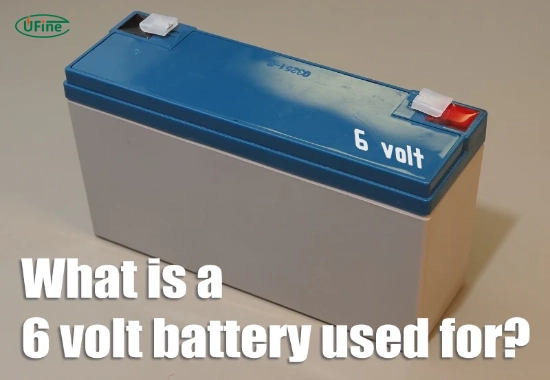
A 6v deep cycle battery is used in many industries because it provides stable and reliable power.
RV and Camper Power Systems
6 volt deep cycle batteries power:
- RV lights
- Fans
- Water pumps
- Refrigerators
- Inverters
Many RV owners use two 6V batteries in series because they often outperform a single 12V battery.
Golf Carts
Golf carts commonly use multiple 6 volt deep cycle batteries connected in series to create 36V or 48V systems.
These batteries provide long runtime and stable performance during continuous driving.
Solar Energy Storage
Deep cycle batteries store solar energy during the day for nighttime use.
They are common in:
- Off-grid cabins
- Solar street lights
- Backup power systems
- Residential solar storage
You may also like Types of Lithium Batteries Explained
Marine and Boat Applications
Marine deep cycle batteries power:
- Fish finders
- GPS systems
- Trolling motors
- Lighting systems
Unlike engine starter batteries, deep cycle marine batteries support long-duration power demands.
Part 5. 6 volt deep cycle battery vs 12 volt battery
| Feature | 6 Volt Deep Cycle Battery | 12 Volt Battery |
|---|---|---|
| Capacity | Usually higher Ah | Usually lower Ah |
| Cycle Life | Longer | Moderate |
| System Flexibility | High | Moderate |
| Weight Distribution | Better | Simpler setup |
| Popular Uses | RV, golf cart, solar | Automotive, backup |
Many users prefer 6 volt deep cycle batteries because they often provide better overall lifespan and performance in demanding cycling applications.
Part 6. How long does a 6 volt deep cycle battery last?
The lifespan depends on battery type, charging habits, and environmental conditions.
| Battery Type | Average Lifespan |
|---|---|
| Flooded Lead-Acid | 3–6 years |
| AGM | 4–8 years |
| Gel | 5–10 years |
| Lithium | 8–15 years |
For detailed lifespan calculations, read How Long Does a 6 Volt Deep Cycle Battery Last?
Factors That Affect Battery Life
- Depth of Discharge: Frequent deep discharges shorten lead-acid battery lifespan.
- Charging Quality: Improper charging can cause sulfation or overheating.
- Temperature: Extreme heat accelerates battery degradation.
- Maintenance: Flooded batteries require regular maintenance to maximize lifespan.
According to the Battery University battery resource center, maintaining proper charge levels significantly improves battery cycle life.
Part 7. How to properly charge a 6 volt deep cycle battery?
Correct charging is critical for battery health.
Best Charging Practices
- Use a charger designed for deep cycle batteries
- Match charger type to battery chemistry
- Avoid overcharging
- Recharge batteries promptly after use
- Store batteries fully charged
Recommended Depth of Discharge
| Battery Type | Recommended Maximum Discharge |
|---|---|
| Flooded Lead-Acid | 50% |
| AGM | 50–60% |
| Gel | 50–70% |
| Lithium | 80–100% |
For lithium systems, use chargers with compatible BMS communication when possible.
Part 8. How to connect two 6 volt batteries together?
Two 6 volt deep cycle batteries are commonly connected in series to create a 12V battery bank.
- Series Connection Steps
- Place both batteries close together
- Connect the positive terminal of Battery 1 to the negative terminal of Battery 2
- Use the remaining free terminals as the 12V output
- Tighten all cable connections securely
This setup keeps amp-hour capacity the same while doubling voltage.
-
Part 9. Maintenance tips for 6 volt deep cycle batteries
- For Flooded Batteries
- Check electrolyte levels regularly
- Add distilled water when needed
- Clean corrosion from terminals
- For AGM and Gel Batteries
- Avoid overcharging
- Use compatible chargers
- Store in cool, dry areas
- For Lithium Batteries
- Avoid extremely high temperatures
- Use a quality BMS
- Store partially charged for long-term storage
Part 10. How to choose the best 6 volt deep cycle battery?
Choosing the right battery depends on your application and budget.
| Application | Recommended Battery Type |
|---|---|
| RV | AGM or Lithium |
| Golf Cart | Flooded or AGM |
| Solar Storage | Lithium or AGM |
| Marine Use | AGM or Gel |
| Backup Power | AGM or Flooded |
Consider These Factors
- Amp-hour capacity
- Cycle life
- Weight
- Maintenance requirements
- Charging speed
- Operating temperature
- Budget
If you need lightweight, maintenance-free performance, lithium batteries are usually the best long-term investment.
Part 11. FAQs about 6 volt deep cycle batteries
What is a 6 volt deep cycle battery used for?
A 6 volt deep cycle battery is commonly used in RVs, golf carts, boats, solar systems, floor scrubbers, and backup power systems where long-lasting energy is needed.
How many 6 volt batteries do I need for a 12V system?
You need two 6 volt batteries connected in series to create a 12V system.
Can I replace a 6V lead-acid battery with lithium?
Yes, but you must ensure charger compatibility and proper voltage settings. Lithium batteries also require a built-in or external battery management system.
How do I know if my deep cycle battery is failing?
Common warning signs include:
- Reduced runtime
- Slow charging
- Swollen battery case
- Voltage drop under load
- Corroded terminals
What is the difference between a marine battery and a deep cycle battery?
A marine battery may combine starting and cycling functions, while a true deep cycle battery is specifically designed for long-duration discharge and repeated cycling.
Related Tags:

More Articles

Best 5 Riding Lawn Mower Battery Manufacturers
Looking for the best riding mower battery? Compare top battery brands by lifespan, maintenance, price, and performance.
All You Need to Know About CB Certification for Lithium Batteries
Learn what CB certification and the IECEE CB Scheme mean for lithium batteries. Explore requirements, testing, benefits, and global market access.
How to Choose the Right 3S LiPo Battery 5000mAh for Your RC Hobby Projects?
Learn how to choose the best 3S LiPo battery 5000mAh for RC cars, drones, boats, and planes. Compare C ratings, runtime, connectors, charging, and safety tips.
Comparing Semi Truck Batteries vs. Truck Batteries
Compare semi truck batteries and truck batteries by size, CCA, lifespan, and battery type. Learn how to choose the right truck battery for your vehicle.
Top 10 Flat Lithium Ion Battery Options for Compact Devices
Explore top flat lithium ion battery options, key specifications, and selection factors for compact electronics, medical devices, and energy storage systems.


