
- Part 1. What is a deep discharge battery?
- Part 2. What happens when a battery is deeply discharged
- Part 3. Advantages and disadvantages of deep discharge batteries
- Part 4. Deep discharge battery vs. deep cycle battery
- Part 5. Discharge depth vs cycle life relationship
- Part 6. How long does a 12V deep discharge battery last?
- Part 7. Types of 12V deep discharge batteries
- Part 8. 12V deep discharge battery applications
- Part 9. Price and popular brands
- Part 10. FAQs
If you’ve ever used a battery in an off-grid solar system, RV, or boat, you’ve probably encountered the term deep discharge battery. But what exactly does it mean, and why does it matter for a 12V battery?
A 12V deep discharge battery is designed to discharge its energy more deeply than regular batteries. It can be drained to a lower voltage without damaging the internal cells. This makes it perfect for applications where you need sustained power over longer periods—think about solar power storage, RVs, or even backup power systems during outages.
However, deep discharge batteries are not all the same. There are different types, and they come with their own sets of advantages and disadvantages. In this article, we’ll break down what a 12V deep discharge battery is, the types available, how long they last, and what you need to know about pricing and brands. Let’s dive in!
Key takeaways
- “Deep discharge” is not simply “battery at 0%” — it describes how far a battery is safely discharged based on its chemistry and design.
- A 12V deep discharge battery is built to deliver stable energy over long cycles, especially in marine, RV, and off-grid systems.
- Lithium (LiFePO4) and lead-acid batteries behave very differently under deep discharge conditions, especially in cycle life and voltage stability.
- Understanding the discharge curve and depth of discharge (DoD) is critical if you want longer battery lifespan and better system performance.
- In real applications, the way you discharge your battery matters just as much as how you charge it.
Part 1. What is a deep discharge battery?
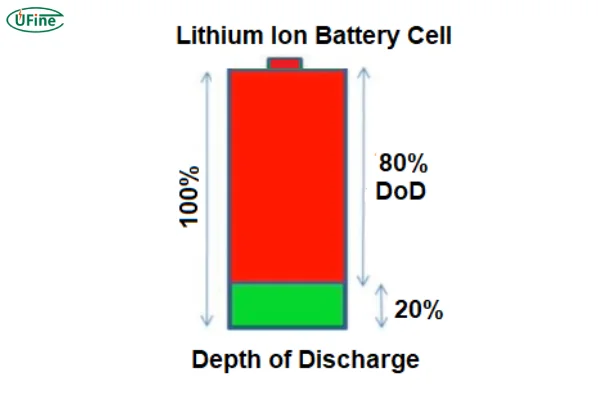
Before we dive into the specifics of 12V deep discharge batteries, it’s essential to understand the concept of deep discharge.
In simple terms, deep discharge refers to the process of using a battery in such a way that it is drained down to a much lower state of charge than what is typically considered normal. Most batteries are designed to only be partially discharged before recharging. For example, in standard lead-acid batteries, draining them down to below 50% of their capacity can significantly reduce their lifespan. But deep discharge batteries are made to withstand these deeper cycles.
How Do Deep Discharge Batteries Work?
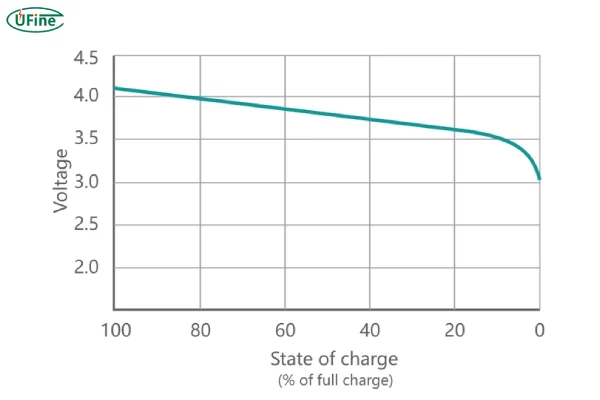
A 12V deep discharge battery works by storing electrical energy that can be released over time. The unique part about deep discharge batteries is that they’re built with thicker internal plates and more robust construction. This allows them to handle deeper discharges without damage, unlike regular batteries that lose efficiency and capacity after being drained too far.
When you use a deep discharge battery, it releases energy over time, and when the energy level is getting low, the battery’s voltage gradually decreases, but it still works well. It’s crucial to note that deep discharge batteries are designed for applications where frequent cycles of charging and discharging are required, such as in renewable energy systems, boats, and electric vehicles.
Part 2. What happens when a battery is deeply discharged
A deeply discharged battery doesn’t behave the same across chemistries — and this is where damage mechanisms start to matter.
For lead-acid batteries:
- Sulfation begins on the plates
- Internal resistance increases
- Recovery becomes harder with each cycle
For lithium batteries:
- BMS usually prevents true over-discharge
- Cells are protected at voltage cutoff
- However, imbalance can still occur if poorly designed
The key difference is simple:
lead-acid degrades physically, while lithium systems usually protect themselves electronically.
That’s why lithium is far more forgiving in modern energy systems.
Part 3. Advantages and disadvantages of deep discharge batteries
Advantages of Deep Discharge Batteries:
-
Longer Lifespan: Deep discharge batteries are specifically designed to withstand frequent, deep cycles of charging and discharging. This means that, although they may be expensive upfront, they tend to last longer and are more cost-effective over time, especially in off-grid setups.
-
Stable Power Supply: These batteries maintain a stable voltage output even when the battery is near full discharge. This is particularly important in systems like solar energy storage, where a consistent power output is needed.
-
Energy Efficiency: Deep discharge batteries are highly efficient when it comes to storing and releasing energy, which makes them excellent choices for applications that demand continuous energy over time.
Disadvantages of Deep Discharge Batteries:
-
Higher Initial Cost: While deep discharge batteries last longer, they come with a higher upfront cost, especially the lithium-based ones. This might be a significant investment for some people or businesses.
-
Weight: Older types like flooded lead-acid batteries can be bulky and heavy. This might be a challenge if you’re trying to install them in places where space and weight are a concern.
-
Temperature Sensitivity: Batteries like lead-acid can be affected by temperature extremes. If the temperature drops too low or gets too hot, their performance can degrade.
Part 4. Deep discharge battery vs. deep cycle battery
It’s important to note that deep discharge and deep cycle batteries are often confused, but they are not entirely the same.
-
Deep Discharge Battery: This refers specifically to a battery that can be drained deeply (down to 20% or even lower of its total capacity) without causing damage. This is a characteristic of the battery, not necessarily its cycle life.
-
Deep Cycle Battery: A deep cycle battery is designed to be discharged and recharged repeatedly, making it ideal for systems where you need consistent power over time. It’s built to last through many charge-discharge cycles.
In short, while all deep cycle batteries are meant to handle deep discharges, deep discharge batteries may not always be intended for deep cycle use. Deep cycle batteries are more versatile and durable for long-term, repeated usage.
Part 5. Discharge depth vs cycle life relationship
One of the most important technical truths is this:
the deeper you discharge a battery, the shorter its lifespan becomes — but the rate depends on chemistry.
Here’s a simplified comparison:
| Depth of Discharge (DoD) | Lead-Acid Cycle Life | LiFePO4 Cycle Life |
|---|---|---|
| 50% | ~500–800 cycles | ~4000+ cycles |
| 80% | ~300–500 cycles | ~3000–5000 cycles |
| 100% | very limited | still usable, reduced lifespan |
This is why lithium dominates modern deep discharge systems — it simply tolerates energy usage more efficiently.
Part 6. How long does a 12V deep discharge battery last?
The lifespan of a 12V deep discharge battery depends on several factors such as the battery type, maintenance, and usage patterns. Here’s a breakdown:
-
Lead-Acid Batteries: Typically last about 3 to 5 years with proper care, though the lifespan can be shorter if they are frequently over-discharged.
-
Gel and AGM Batteries: Usually last between 4 to 7 years, depending on usage conditions. These types are more resistant to damage from deep discharges compared to flooded lead-acid batteries.
-
Lithium Batteries: Lithium-ion batteries, such as LiFePO4 types, can last 10 years or more, with much longer cycle lives (up to 3,000 to 5,000 cycles).
By maintaining your battery correctly—like avoiding overcharging or discharging too deeply—you can ensure it lasts its full lifespan.
Part 7. Types of 12V deep discharge batteries
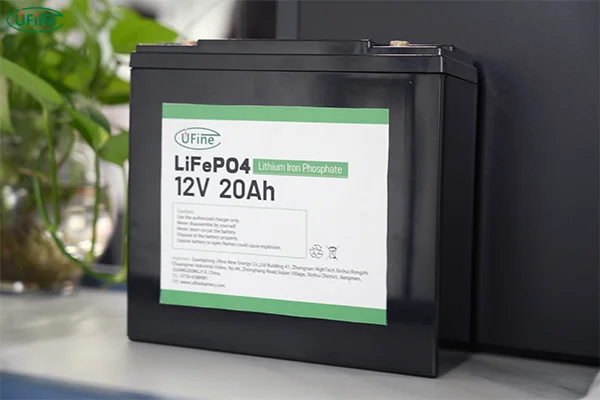
There are several types of 12V deep discharge batteries available, each suited for different uses and preferences. Let’s break down the most common ones:
1 Flooded Lead-Acid (FLA) Batteries
Flooded Lead-Acid batteries are the most traditional and widely used deep discharge batteries. They consist of liquid electrolyte and require regular maintenance, such as checking the water level. These batteries are relatively inexpensive but come with the downside of needing more care.
Advantages:
- Affordable
- Reliable
- Good for off-grid applications
Disadvantages:
- Requires regular maintenance (adding water)
- Can release gases during charging, so they need proper ventilation
2 Sealed Lead-Acid (SLA) Batteries
Sealed Lead-Acid batteries, like AGM (Absorbent Glass Mat) and Gel batteries, are maintenance-free and safer than traditional flooded batteries. They are sealed, preventing any liquid leakage, and are often used in smaller, compact applications where reliability and ease of use are priorities.
Advantages:
- Maintenance-free
- Safer (no risk of acid spillage)
- Ideal for small spaces or mobile use
Disadvantages:
- More expensive than flooded batteries
- Can be damaged by overcharging or overheating
3 Gel Batteries
Gel batteries use a silica-based gel to hold the electrolyte in place, which reduces the risk of spillage. They are often used in environments where vibrations are common, such as in boats or RVs.
Advantages:
- Long lifespan
- Ideal for mobile and off-grid applications
- Excellent in extreme temperatures
Disadvantages:
- More expensive than standard lead-acid batteries
- Charging can be tricky if not done correctly
4 Lithium Iron Phosphate (LiFePO4) Batteries
Lithium Iron Phosphate batteries are a newer and more advanced type of deep discharge battery. They have higher energy density, longer lifespan, and faster charging capabilities than lead-acid options. Lithium batteries are also lighter and more compact, making them ideal for modern solar power systems and electric vehicles.
Advantages:
- Extremely long lifespan (up to 10 years or more)
- Lightweight and compact
- Very efficient and fast charging
- No maintenance required
Disadvantages:
- Higher initial cost
- Sensitive to extreme temperatures (may need temperature management systems)
Part 8. 12V deep discharge battery applications
12V deep discharge batteries are used in various applications where you need reliable power over time. Here are some of the most common uses:
-
Solar Power Systems: These batteries are perfect for storing energy generated by solar panels. They allow you to store energy during the day and use it at night or during cloudy periods.
-
RV and Boat Applications: Deep discharge batteries are essential for RVs and boats because they can handle extended periods of power use without quickly draining. They power lights, appliances, and even small heating systems.
-
Off-Grid Power Systems: For homes or cabins that are not connected to the main grid, deep discharge batteries store energy from renewable sources like wind or solar power.
-
Backup Power Systems: Deep discharge batteries are often used in backup systems for emergency power during blackouts. They can be paired with a generator or solar panels to provide a reliable power source.
-
Electric Vehicles (EVs): Many smaller electric vehicles (like e-bikes or golf carts) rely on deep discharge batteries due to their long life cycles and ability to handle deep discharges without issue.
Part 9. Price and popular brands
The price of 12V deep discharge batteries can vary widely depending on the type and brand. Here are some popular brands and their approximate prices:
- Renogy (Lead Acid & Lithium): Their 12V deep discharge batteries range from $100 for smaller lead acid models to $1,000+ for lithium-based models.
- Trojan Battery (Flooded Lead Acid): Prices range from $150 to $600 for their deep cycle models.
- Vmaxtanks (AGM): Prices for their AGM batteries typically range from $200 to $500.
- Battle Born Batteries (Lithium Iron Phosphate): Premium lithium models, typically priced from $800 to $1,200.
- Universal Power Group (AGM & Gel): Their batteries range from $120 to $350.
Part 10. FAQs
1. Can a deep discharge battery be used as a starter battery?
No, deep discharge batteries are not designed for high cranking current. Starter batteries provide short bursts of power, while deep cycle batteries deliver steady energy over time.
2. How do you know if a 12V battery is deep discharged?
You can identify it by voltage levels, slow recovery after charging, or BMS alerts (for lithium systems). For lead-acid, voltage below ~11.8V often indicates deep discharge.
3. Does fast charging affect deep discharge battery life?
Yes. Repeated high-current charging can increase heat and internal stress, which may reduce overall cycle life, especially in lithium systems without proper thermal control.
4. What is the difference between usable capacity and rated capacity?
Rated capacity is the total stored energy, while usable capacity depends on safe discharge limits (DoD). For example, a 100Ah battery may only provide 80Ah usable depending on chemistry.
5. Can temperature affect deep discharge performance?
Absolutely. Low temperatures reduce usable capacity, while high temperatures can accelerate degradation and increase internal resistance over time.
Related Tags:

More Articles
Buck vs. Boost vs. Buck-Boost Converter: Which Is Best for Battery?
Not sure which converter your battery-powered device needs? Compare Buck, Boost, and Buck-Boost designs and discover what affects voltage stability and runtime.
How to Match 18650 Cells for a Reliable Battery Pack?
Building an 18650 battery pack? Learn how to compare cell capacity, voltage, and internal resistance to avoid mismatches and improve reliability.
Why Do 18650 Battery Packs Get Hot During Discharge?
Is your 18650 battery pack overheating under load? Learn what causes excess heat, how to spot dangerous symptoms, and what to do next.
18650 Battery BMS: How to Get the Specs Right
Learn how to choose a BMS for an 18650 battery pack. Compare voltage, current ratings, protection features, and balancing before you buy.
Why Does My Ring Camera Battery Drain So Fast or Stop Charging?
Is your Ring camera battery draining fast or not charging? Discover common causes, practical fixes, and when to replace the battery.


