
- Key Takeaways
- Part 1. What is on a lithium battery label?
- Part 2. Product information
- Part 3. Safety information
- Part 4. Certification information
- Part 5. Shipping information
- Part 6. UN38.3 test – why it matters for lithium battery labels
- Part 7. Lithium battery labeling requirements
- Part 8. Do all lithium battery labels have the same composition?
- Part 9. FAQs
Imagine you’re about to ship a batch of lithium-ion batteries overseas. You might think, “It’s just a sticker, right?” Not quite. That small label contains vital information that ensures safety, compliance, and smooth transportation. Mislabeling can cause shipment delays, fines, or even accidents.
In this guide, you’ll learn what’s on a lithium battery label, how to interpret each section, and how to apply it correctly. By the end, you’ll understand why proper labeling isn’t just a legal formality—it’s your first line of defense.
Key Takeaways
- Lithium battery labels contain product, safety, certification, and shipping information, all critical for safe handling and compliance.
- Labels differ by battery type, shipping method, and region; not all labels are the same.
- Understanding and using labels correctly helps prevent accidents, fines, and shipment delays.
Part 1. What is on a lithium battery label?
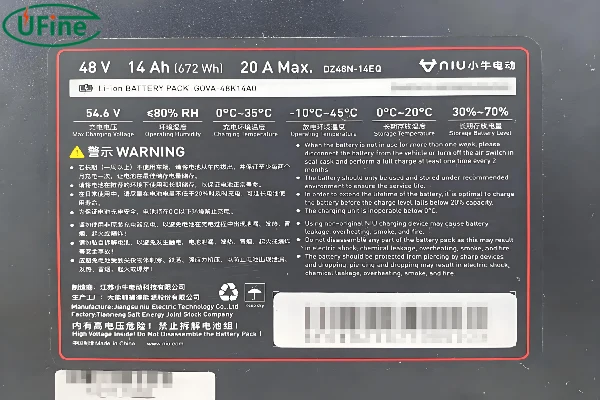
A lithium battery label usually consists of four essential sections:
| Section | Content | Purpose |
|---|---|---|
| Product Information | Brand, model, voltage, capacity | Ensures correct identification and inventory management |
| Safety Information | Warnings: “Do not puncture, crush, or expose to heat” | Protects users, transport, and warehouse personnel |
| Certification Information | UN numbers (UN3091/UN3480), CE, UL | Confirms regulatory compliance for international shipping |
| Shipping Information | Hazard symbols, orientation arrows | Guides carriers and ensures safe handling during transport |
Even batteries of the same model may have different labels depending on the shipment type or region. Always double-check before shipping.
Part 2. Product information
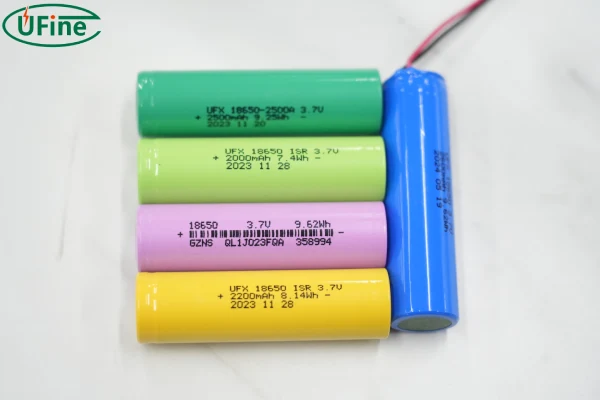
Labels provide critical product details:
- Battery type (Li-ion, LiFePO4, LiFeS2, etc.)
- Voltage and capacity
- Manufacturer or model number
Knowing this information helps you avoid misuse. Imagine receiving a shipment with unclear labeling—you might accidentally pair a battery with the wrong charger or device, creating a fire risk.
For warehouses and logistics teams, product info ensures proper inventory management and tracking. Always check that the label matches the battery specifications.
Part 3. Safety information
Safety warnings are mandatory and serve to prevent accidents:
- “Do not expose to fire or water”
- “Do not disassemble or short-circuit”
- Orientation arrows for proper placement
Labels are your first line of defense against mishandling. For instance, a wrong orientation during transport can create internal short circuits, causing fires. Always read and follow these safety instructions.
Part 4. Certification information
Certification marks prove your battery meets international safety and transport standards. Common certifications include:
| Certification | Applies To | Key Info |
|---|---|---|
| UN3091 | Rechargeable Li-ion | Indicates shipment in packages with UN-tested compliance |
| UN3480 | Non-rechargeable Li-ion | Signals dangerous goods requiring special handling |
| CE | Europe | Confirms compliance with EU safety regulations |
| UL | USA | Electrical and fire safety compliance |
If your package lacks the correct UN3091 label, it could be rejected by the carrier or delayed at customs. Always verify that certification labels are present and accurate.
Part 5. Shipping information
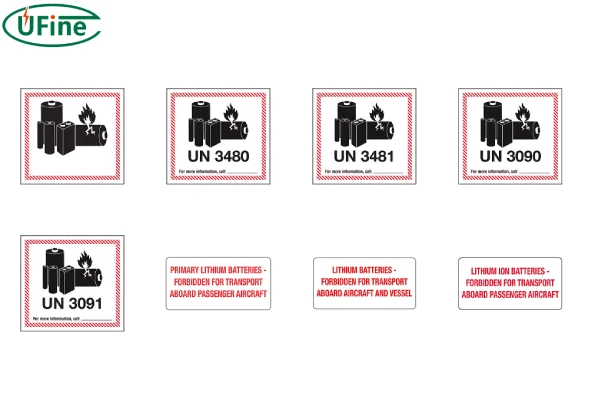
Shipping labels aren’t just decorative; they guide everyone handling your batteries.
- Orientation arrows prevent damage and short circuits.
- Hazard symbols alert warehouse staff to handle with care.
- QR codes on modern labels link to SDS (Safety Data Sheets) or technical documentation.
A mislabeled lithium battery package may be returned by the courier due to missing UN symbols. Correct labeling ensures smooth shipping and avoids costly delays.
Part 6. UN38.3 test – why it matters for lithium battery labels
Every lithium battery intended for air or sea transport must pass the UN38.3 test, which is a set of standardized safety tests defined by the UN. The goal is to ensure batteries can withstand extreme conditions without causing fires, explosions, or leakage.
Key points of UN38.3 testing include:
- Altitude simulation: Ensures battery doesn’t leak or vent under low-pressure conditions (like high-altitude flights).
- Thermal test: Batteries are exposed to high and low temperatures to simulate real shipping conditions.
- Vibration test: Simulates bumps and shocks during transportation.
- Shock test: Ensures batteries can survive sudden impacts.
- Short-circuit test: Confirms batteries won’t ignite if terminals touch.
- Impact / crush / overcharge tests: Checks mechanical and electrical safety.
Only batteries that pass all UN38.3 tests are allowed to carry UN numbers like UN3480 (non-rechargeable Li-ion) or UN3091 (rechargeable Li-ion in packages). Labels often indicate UN38.3 compliance either via markings or accompanying documentation.
You can also explore more in our battery manufacturing safety guide.
Why you care as a shipper or user:
- Labels without UN38.3 compliance risk shipment rejection.
- Airlines and shipping companies can refuse packages that lack proof of passing the test.
- UN38.3 ensures not just regulatory compliance but also actual safety during transport.
If you want a deeper dive into UN38.3 testing, check out this detailed guide.
Part 7. Lithium battery labeling requirements
Compliance is non-negotiable. Key points include:
- International regulations: UN, IATA, ADR, IMDG
- Transport method differences: Air, sea, or road require specific labels
- Battery type: Li-ion vs LiFePO4 vs LiFeS2
Always follow lithium battery labeling requirements to avoid fines, shipment delays, or accidents. A pre-shipment checklist can save time and prevent costly mistakes.
Part 8. Do all lithium battery labels have the same composition?
Short answer: No. Differences can arise due to:
- Battery chemistry (Li-ion vs LiFePO4)
- Shipment method (air, sea, ground)
- Regional regulatory requirements
Even two identical batteries may have different labels. Always verify against official guidelines before shipping.
Part 9. FAQs
What information must be visible on a lithium battery label for international shipping?
Labels must show product type, voltage/capacity, UN number, safety warnings, and handling symbols.
Can lithium batteries without UN38.3 certification be shipped at all?
No. Batteries must pass UN38.3 testing to be legally transported by air or sea.
What happens if a lithium battery label is damaged during transit?
Damaged labels can lead to shipment rejection or safety inspection delays. Always inspect packaging.
Are there digital alternatives to physical battery labels?
Some logistics systems use QR codes linking to SDS or compliance data, but physical labels are still mandatory.
What is the difference between UN3480 and UN3091 labels?
UN3480 is for individual Li-ion cells; UN3091 is for packaged rechargeable batteries.
Do all airlines accept lithium batteries with the same labels?
No. Some airlines have stricter interpretations of UN38.3 and require additional markings for air transport.
Related Tags:

More Articles

How to Choose the Best Battery for an Alarm Clock?
Learn how to choose the best battery for an alarm clock. Compare battery types, clock battery sizes, and tips for reliable performance.
The Ultimate Guide to 24V LiFePO4 Battery
Learn how a 24V LiFePO4 battery works, its advantages over lead-acid, key applications, and how to choose the right 24 volt LiFePO4 battery for your system.
Why Charging and Discharging Rate Matters for Your Battery’s Health
Learn how charging and discharging rates impact your battery's life and performance. Discover tips to enhance efficiency and get the most from your device.
Ultimate Guide to How Do Rechargeable Batteries Work
Ever wondered how rechargeable batteries work? Discover the simple science, diagrams, and why they can be reused hundreds of times.
Alkaline vs. Carbon-Zinc vs. Lithium Batteries: A Complete Guide
Compare carbon zinc battery vs alkaline vs lithium. Learn differences in cost, lifespan, and performance to choose the best battery for your devices.


