- Part 1. What is a tiny LiPo battery?
- Part 2. Why are tiny LiPo batteries popular in DIY projects?
- Part 3. How do you read LiPo battery specifications?
- Part 4. What are the risks of using a tiny LiPo battery?
- Part 5. How do you choose the correct tiny LiPo battery for your project?
- Part 6. How can a tiny LiPo battery be safely charged?
- Part 7. How long does a tiny LiPo battery last?
- Part 8. What is the best way to store a tiny LiPo battery?
- Part 9. Can you use multiple tiny LiPo batteries together?
- Part 10. What are the alternatives to tiny LiPo batteries?
- Part 11. FAQs about buying tiny LiPo battery
Are you building a small electronics project and need the right power source? A tiny LiPo battery might be precisely what you’re looking for. These lightweight, compact, and powerful batteries are used in everything from drones to Arduino kits. But before you click “buy now,” there are some essential things you need to know.
In this guide, we’ll walk you through choosing the correct tiny LiPo battery for your project — from understanding the specs to safety concerns, charging tips, and more. Whether you’re a beginner or a hobbyist, this article will help you make smarter decisions.
Part 1. What is a tiny LiPo battery?
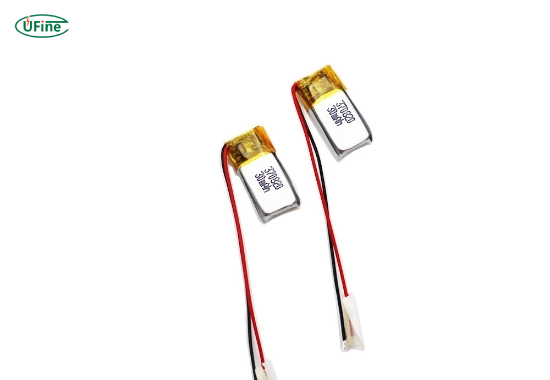
A tiny LiPo battery, or Lithium Polymer battery, is a rechargeable battery known for its lightweight design, high energy density, and compact size. These features make it perfect for small electronics, RC models, wearable devices, and DIY projects.
Unlike traditional batteries, LiPo batteries can be made in different shapes and sizes, so they’re often used in tight spaces. The “tiny” version typically ranges from 100mAh to 1000mAh in capacity.

Part 2. Why are tiny LiPo batteries popular in DIY projects?
Tiny LiPo batteries are extremely popular for several reasons:
- Compact and lightweight – Ideal for small builds.
- High discharge rates: Perfect for devices that need quick bursts of power.
- Rechargeable: Saves money in the long run.
- Customizable sizes: Fits various designs and enclosures.
Whether you’re powering a microcontroller, LED lights, or a mini drone, these batteries balance power and portability.
Part 3. How do you read LiPo battery specifications?
Reading a LiPo battery label can be confusing if you’re new. Here’s a breakdown of what to look for:
- Voltage (V): A single LiPo cell has a nominal voltage of 3.7V. A 2S battery has 7.4V, and so on.
- Capacity (mAh): This tells you how much energy the battery can store. Under the same load, a 500mAh battery lasts longer than a 200mAh battery.
- C-Rating: This is the discharge rate. Higher C-ratings mean the battery can deliver more current quickly.
- Size and weight: Always check if the physical dimensions fit your project.
Tip: Always match the battery specs with your device requirements to avoid damage or poor performance.
Part 4. What are the risks of using a tiny LiPo battery?
LiPo batteries are powerful, but they do come with risks:
- Fire hazard: Overcharging or puncturing can cause them to catch fire.
- Swelling: A damaged battery may swell, which is dangerous.
- Short circuits: Improper wiring can cause short circuits and device failure.
Never leave charging batteries unattended to stay safe, and use a proper LiPo charger. Always inspect the battery for any signs of damage before use.
Part 5. How do you choose the correct tiny LiPo battery for your project?
Choosing the correct battery depends on a few key factors:
- Voltage needs: Does your device need 3.7V or 7.4V?
- Current draw: How much current does your device require?
- Size constraints: Will the battery fit inside your project’s case?
- Run time expectations: Do you need a long battery life or a quick burst?
Pro tip: Use a power meter to measure your device’s real-world consumption before choosing a battery.
Part 6. How can a tiny LiPo battery be safely charged?
Charging a LiPo battery safely is crucial. Here’s how:
- Use a LiPo-compatible charger. Never use a NiMH or other type.
- Charge in a fireproof bag, especially when dealing with larger packs.
- Never overcharge. Stop charging once it hits 4.2V per cell.
- Balance charging: This ensures all cells are charged evenly.
Bonus tip: Always monitor the battery while charging and disconnect it once it is done.
Part 7. How long does a tiny LiPo battery last?
The lifespan of a LiPo battery depends on how you use and maintain it. On average:
- 200–300 cycles is typical for a well-maintained battery.
- Storing it at 40–60% charge helps extend its life.
- Avoid deep discharges below 3.0V per cell to prevent damage.
With good care, your tiny LiPo battery can last up to 2 years or longer.
Part 8. What is the best way to store a tiny LiPo battery?
Proper storage is essential for performance and safety:
- Store at room temperature in a dry place.
- Use a LiPo-safe bag or fireproof container.
- Keep at 3.7–3.85V per cell if not used for a while.
- Avoid storing in hot areas like a car dashboard.
Important: Never store fully charged or fully discharged LiPo batteries for long periods.
Part 9. Can you use multiple tiny LiPo batteries together?
Yes, you can, but it requires caution:
- Series connection: Increases voltage. (e.g., two 3.7V = 7.4V)
- Parallel connection: Increases capacity. (e.g., two 500mAh = 1000mAh)
Warning: Only connect batteries of the same type, age, and charge level. Otherwise, you risk imbalance, fire, or explosion.
If unsure, consider using a battery management system (BMS).
Part 10. What are the alternatives to tiny LiPo batteries?
If a tiny LiPo doesn’t suit your needs, here are other options:
- NiMH batteries: Safer but heavier and have lower energy density.
- Lithium-Ion (Li-Ion): Slightly larger but better energy retention.
- Coin cell batteries: Great for ultra-low power projects.
- Supercapacitors: Work well for short bursts of power.
Each option has its pros and cons. Choose based on what’s most important: size, weight, cost, or safety.
Part 11. FAQs about buying tiny LiPo battery
How do I know what size tiny LiPo battery to buy?
Measure the space in your device and match it with the battery’s dimensions. Also, check the voltage and capacity requirements.
Can I charge a tiny LiPo battery with a phone charger?
No. You must use a LiPo-compatible charger designed for that battery type. Using the wrong charger is dangerous.
What happens if I over-discharge a LiPo battery?
Over-discharging can permanently damage the battery and make it unsafe to use. Always stop using the battery when it nears 3.0V per cell.
Is it safe to solder wires directly to a LiPo battery?
It can be done, but it’s risky for beginners. Too much heat can damage the battery. If possible, use a battery with pre-soldered leads.
Are tiny LiPo batteries waterproof?
No. Most LiPo batteries are not waterproof. If you need water resistance, use a waterproof case or sealing method.
Related Tags:

More Articles
A Comprehensive Guide to Lithium Thionyl Chloride Battery Technology
Learn how lithium thionyl chloride batteries (Li-SOCl₂) work, their advantages, limitations, and why they are used in meters, sensors, and industrial devices.
How Long Does a Rechargeable Battery Last Per Charge?
Learn how long rechargeable batteries last per charge, battery lifespan, and how to extend battery life for phones, laptops, and other devices.
Top 12 18650 Lithium Battery Companies in the World
Explore the top 18650 battery manufacturers and suppliers in 2026. Compare leading lithium battery companies and find the right factory for your project.
What is the Minimum Operating Temperature for LiPo Batteries?
Learn the lithium battery temperature range, LiPo minimum operating temperature, and safe charging limits to prevent performance loss and cold-weather damage.
What Happened When the Battery Dies after a Long Time of No Charging?
Learn what happens when a battery is not charged for long. Discover lithium-ion and lead-acid damage, self-discharge, recovery chances, and storage tips.