
- Key Takeaways
- Part 1. What is a mechanical battery?
- Part 2. What are lithium batteries?
- Part 3. Mechanical vs lithium batteries
- Part 4. Advantages of mechanical batteries
- Part 5. Advantages of lithium batteries
- Part 6. Application scenarios for mechanical and lithium batteries
- Part 7. How to choose between mechanical and lithium batteries?
- Part 8. FAQs on mechanical and lithium batteries
A mechanical battery stores energy using physical systems like flywheels, compressed air, or pumped water. It is long-lasting, durable, and ideal for grid-scale and high-cycle applications. This article explains how mechanical batteries work, how they differ from lithium batteries, and which option suits different energy storage needs.
Key Takeaways
- Mechanical batteries store energy in motion or elevation, not chemicals, reducing degradation over time.
- They are excellent for long-duration storage, grid stabilization, and high-cycle applications.
- Lithium batteries offer high energy density and compact design for EVs, electronics, and residential storage.
- Lifecycle cost often favors mechanical batteries in stationary systems due to minimal replacements.
- Hybrid systems combining mechanical and lithium batteries can provide fast response and long-term storage benefits.
Part 1. What is a mechanical battery?
A mechanical battery is an energy storage device that converts electricity into mechanical energy, stores it physically, and then converts it back when needed. Unlike chemical batteries, it does not rely on reactions, which reduces aging.
Common types include:
- Pumped hydro storage: Water is pumped to a higher elevation and released through turbines to generate electricity.
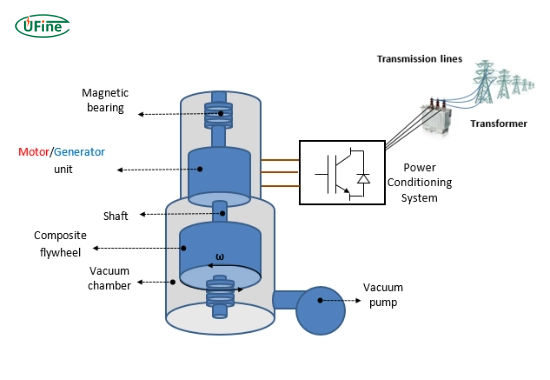
- Flywheel energy storage: A spinning rotor stores kinetic energy, which can be converted back to electricity quickly.
- Compressed air energy storage (CAES): Air is compressed in containers or underground caverns and released to drive turbines.
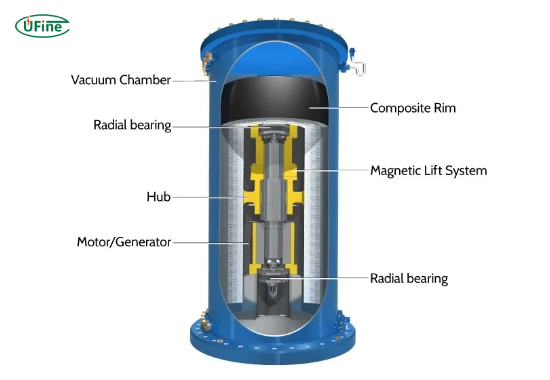
How mechanical batteries work
Mechanical batteries store energy in a physical form. The stored energy is converted back to electricity when needed. For example, flywheels spin a rotor at high speed. The rotational energy can be converted to electricity almost instantly.
Part 2. What are lithium batteries?
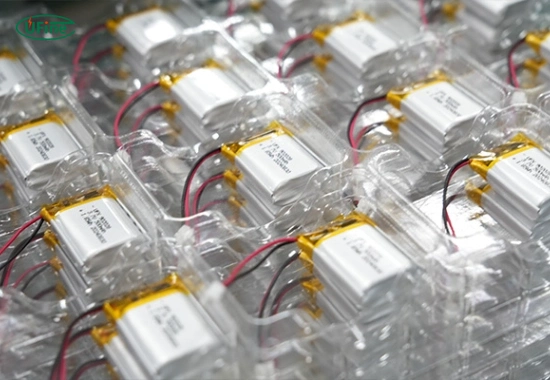
Lithium-ion batteries store energy chemically. Lithium ions move between the anode and cathode during charge and discharge cycles. They are compact, highly efficient, and widely used in EVs, electronics, and renewable energy storage.
Part 3. Mechanical vs lithium batteries
Mechanical and lithium batteries serve different purposes. Key differences include energy density, lifespan, efficiency, cost, and environmental impact.
| Factor | Mechanical Batteries | Lithium Batteries |
|---|---|---|
| Storage Mechanism | Physical (kinetic or potential) | Chemical (lithium-ion movement) |
| Energy Density | Low | High |
| Lifespan | 20–40+ years | 500–1,500 cycles |
| Efficiency | 70–90% | 90%+ |
| Environmental Impact | Low chemical impact | Mining and recycling challenges |
For more on lithium batteries, see LiFePO4 battery fundamentals and lithium polymer battery characteristics.
Part 4. Advantages of mechanical batteries
- Durable: Minimal degradation over decades.
- High cycle tolerance: Suitable for frequent charge/discharge.
- Grid-scale storage: Can store megawatts to gigawatts of energy.
- Safe: No thermal runaway or chemical fire risk.
Part 5. Advantages of lithium batteries
- High energy density: Compact and lightweight.
- High efficiency: Minimal energy loss in charge/discharge.
- Versatile: Works for EVs, homes, and electronics.
- Mature technology: Established supply chain and standards.
Part 6. Application scenarios for mechanical and lithium batteries
Mechanical batteries
- Grid energy storage and frequency regulation
- Renewable energy buffering (wind, solar)
- Industrial backup power and data centers
Lithium batteries
- Electric vehicles and mobility platforms
- Consumer electronics
- Residential solar energy storage
Part 7. How to choose between mechanical and lithium batteries?
- Storage duration: Long-duration favors mechanical batteries.
- Space constraints: Compact favors lithium batteries.
- Cycle frequency: High cycles favor mechanical batteries.
- Cost: Consider both upfront and lifecycle expenses.
- Safety and sustainability: Mechanical batteries reduce chemical risks.
Part 8. FAQs on mechanical and lithium batteries
What is a mechanical battery used for?
Mechanical batteries are used for grid energy storage, renewable integration, and high-cycle industrial applications.
Are mechanical batteries more sustainable than lithium batteries?
Yes, mechanical batteries generally have a lower environmental impact due to long lifespan and minimal chemical use.
Why do mechanical batteries have lower energy density?
They rely on physical motion or elevation, which requires more space than chemical energy storage.
Can mechanical batteries replace lithium batteries?
No. Mechanical batteries complement lithium systems but are unsuitable for mobile or space-constrained applications.
Related Tags:

More Articles

Learn LiHv battery voltage range, minimum voltage, charging limits and LiHv vs LiPo differences. A practical guide for drones, RC, and high-performance devices.
Gravity Battery vs. Traditional Battery: A Comparative Analysis
2026 comparison of gravity batteries and traditional batteries. Learn efficiency, lifespan, cost per kWh, and best applications for grid energy storage.
Why Does China Dominate the Global LFP Battery Market?
China leads the LFP battery market in cost, safety, and scale. Discover how lithium iron phosphate batteries from China reshaped EVs and energy storage.
What Are 6V Batteries? A Complete Guide to Their Types and Uses
Learn what a 6V battery is, common 6 volt battery types, real-world uses, selection tips, and FAQs to choose the right 6V battery.
How to Choose the Perfect Battery Box for Any Battery
Learn which battery box suits your battery type, size, and application. Keep your battery safe, organized, and long-lasting.


