
- Part 1. Understanding lithium battery
- Part 2. What is a lithium battery pouch?
- Part 3. Manufacturing process of pouch cells
- Part 4. LiFePO4 pouch cell vs. LiPo pouch cell vs. li-ion pouch cell: what’s the difference?
- Part 5. How long does a lithium battery pouch last?
- Part 6. Battery lifespan and degradation factors
- Part 7. Pros and Cons
- Part 8. Swelling mechanism and safety considerations
- Part 9. Applications
- Part 10. Factors affecting the price of lithium battery pouches
- Part 11. FAQs
In a world where portable power is essential, lithium batteries have become the cornerstone of modern technology. We find them everywhere—from the smartphones we check every day to the electric vehicles shaping our future. But not all lithium batteries are the same. They come in various forms, each with unique attributes suited to different applications. Today, we’ll focus on one versatile type: the lithium battery pouch, also known as a pouch cell.
Key takeaways
- A pouch cell battery is a lithium-ion battery packaged in a flexible aluminum-laminated film instead of a rigid metal case.
- It offers higher energy density and better space utilization compared to cylindrical and prismatic batteries.
- You should understand that swelling and mechanical protection are the main engineering challenges of pouch cells.
- Pouch cells are widely used in EVs, consumer electronics, and energy storage systems due to their lightweight and flexible design.
- Manufacturing process, thermal management, and battery design directly affect performance and lifespan.
Part 1. Understanding lithium battery
Before diving into the specifics of pouch cells, let’s quickly cover what lithium batteries are. Lithium batteries are rechargeable power sources that use lithium ions as the primary component in the electrochemical reactions. Known for their high energy density, low self-discharge rate, and long lifespan, lithium batteries are widely favored over traditional options.
Lithium Battery Types by Shape
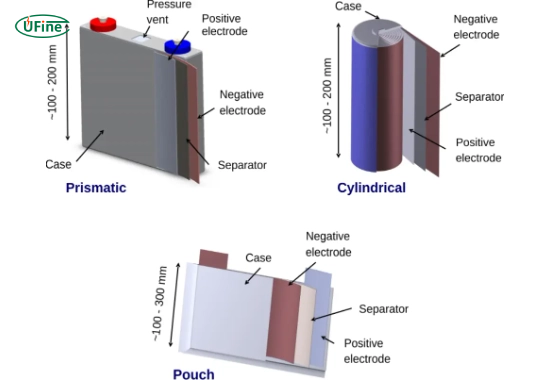
Lithium batteries can be categorized by their shape into three primary types:
- Cylindrical Batteries: These are the classic, tube-shaped cells often used in power tools and electric vehicles. Their robust design makes them durable, but their shape limits design flexibility.
- Prismatic Batteries: Rectangular and compact, these batteries are commonly found in smartphones, tablets, and laptops, where space efficiency is crucial.
- Pouch Cells (Lithium Battery Pouches): Lightweight and flexible, pouch cells are flat and compact, with a soft, flexible casing instead of a metal shell. Their flexibility in size makes them popular in applications with tight space constraints, like slim electronics.
| Battery type | Energy density | Safety performance | Weight | Design flexibility | Cost |
|---|---|---|---|---|---|
| Pouch cell | High | Medium–High | Light | Very high | Medium |
| Cylindrical cell | Medium | Very high | Heavier | Low | Low |
| Prismatic cell | Medium–High | High | Medium | Medium | Medium |
Cylindrical VS Prismatic VS Pouch Cells
Part 2. What is a lithium battery pouch?
A lithium battery pouch (or pouch cell) is a type of lithium-ion battery that differs from traditional rigid cells due to its flexible, lightweight design. Instead of a hard metal casing, pouch cells have a soft, foil-like enclosure, making them adaptable to various sizes and shapes. Pouch cells can be Li-ion, LiFePO4, or LiPo cells, each suited to different uses. Their design saves space, enabling more efficient energy storage for a given size. It’s no surprise they’re preferred in slim devices like smartphones, drones, and even electric cars.
1 Working Principle of a Lithium Battery Pouch
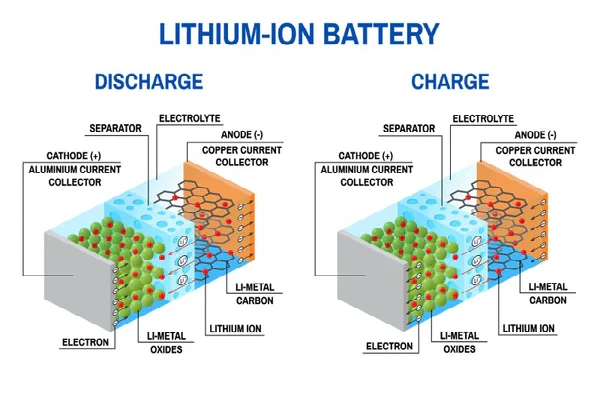
Lithium battery pouches operate on the principle of lithium-ion exchange. When the battery is charging, lithium ions move from the cathode to the anode through the electrolyte, where they’re stored until discharge. During discharge, the ions travel back to the cathode, releasing energy in the form of an electric current. This cycle continues, providing power for a wide range of applications.
2 Pouch cell structure and design
Lithium battery pouches may appear simple, but their internal design is carefully engineered to provide efficient, safe, and reliable energy storage. Let’s explore the essential components and understand how they work together.
The structure of a lithium ion pouch battery is relatively simple but highly optimized for energy density.
Inside a typical pouch cell, you will find:
- Cathode material (such as NMC or LCO)
- Anode material (usually graphite)
- Separator membrane
- Liquid electrolyte
- Aluminum laminated film packaging
- Current tabs for external connection
Unlike cylindrical batteries, pouch cells do not require a heavy metal casing. This allows more internal volume to be dedicated to active materials, increasing energy density.
A key design variation you will often see is the tab configuration. Some pouch cells use a single-tab design, while others use multiple tabs to improve current distribution and thermal performance.
Part 3. Manufacturing process of pouch cells
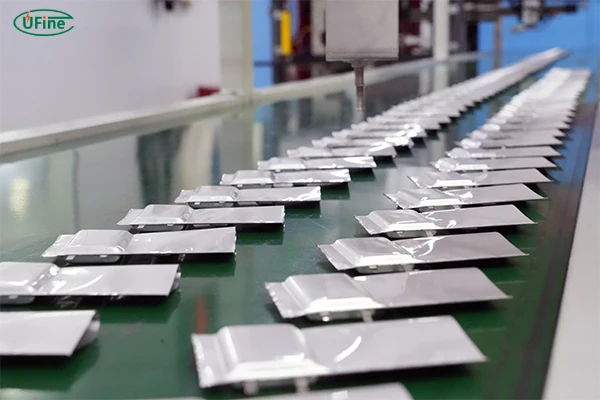
The production of a lithium pouch cell battery is more complex than it may appear. It involves multiple precision-controlled steps that directly influence safety and performance.
First, electrode materials are coated onto current collectors and dried to remove moisture. After that, electrodes are cut and stacked or wound depending on design requirements.
There are two main internal structures:
- Stacked cells (better energy efficiency and more stable performance)
- Wound cells (faster and lower-cost production)
After stacking, the electrodes are placed into aluminum laminated film pouches. The cell is then filled with electrolyte under vacuum conditions to ensure full penetration.
Finally, the pouch is sealed, followed by formation and aging cycles that stabilize electrochemical performance.
This process is critical because even small inconsistencies can lead to capacity loss or swelling issues over time.
Part 4. LiFePO4 pouch cell vs. LiPo pouch cell vs. li-ion pouch cell: what’s the difference?
Each type of lithium battery pouch has unique characteristics that make it suitable for particular applications. Here’s an in-depth comparison of LiFePO4, LiPo, and Lithium-Ion pouch cells:
1. Chemical Composition
- LiFePO4: Uses lithium iron phosphate, known for stability and long cycle life.
- LiPo: Uses lithium polymer-based electrolytes, providing high power but also requiring careful handling.
- Lithium-Ion: Uses various compounds, offering a balance between power and stability.
2. Energy Density
- LiFePO4: Offers moderate energy density, often slightly lower than LiPo and lithium-ion.
- LiPo: Provides high energy density, ideal for devices needing significant power in small spaces.
- Lithium-Ion: Generally falls between LiFePO4 and LiPo in energy density.
3. Cycle Life
- LiFePO4: Known for an extended cycle life of over 2000 cycles, sometimes up to 10 years.
- LiPo: Ranges between 300–500 cycles, generally used for short-term, high-power needs.
- Lithium-Ion: Offers 500–1000 cycles, often around 3–5 years depending on use.
4. Safety
- LiFePO4: Exceptionally safe, with low risk of thermal runaway.
- LiPo: More susceptible to overheating and swelling if damaged or overcharged.
- Lithium-Ion: Requires protection circuits to maintain safety, moderately safe.
5. Cost
- LiFePO4: Affordable and reliable, often cost-effective for large-scale energy storage.
- LiPo: Typically more expensive due to high energy density.
- Lithium-Ion: Varies widely depending on specific materials and design.
6. Temperature Resistance
- LiFePO4: Highly resistant to temperature variations, can perform well in harsh conditions.
- LiPo: Sensitive to high temperatures, requires monitoring.
- Lithium-Ion: Moderate resistance, generally performs best in stable environments.
7. Applications
- LiFePO4: Solar systems, electric vehicles, grid storage.
- LiPo: Drones, remote-controlled devices, smartphones.
- Lithium-Ion: Laptops, tools, and general consumer electronics.
Part 5. How long does a lithium battery pouch last?
The lifespan of a lithium battery pouch is a key consideration. On average:
- LiFePO4: 5-10 years, or over 2000 cycles.
- LiPo: 1-3 years, with 300-500 cycles.
- Lithium-Ion: Generally 3-5 years, or around 500-1000 cycles.
Factors such as proper charging habits, operating temperatures, and avoiding over-discharging all contribute to prolonging battery life.
Part 6. Battery lifespan and degradation factors
The lifespan of a pouch cell battery depends on multiple factors rather than a single metric.
Key factors include:
- Charge and discharge cycles
- Depth of discharge (DoD)
- Operating temperature
- Charge rate (C-rate)
- Storage state of charge
If you operate the battery within optimal temperature and voltage ranges, you can significantly extend its cycle life.
In real-world usage, degradation is mainly caused by gradual loss of active lithium and electrolyte breakdown rather than sudden failure.
Part 7. Pros and Cons
Pros:
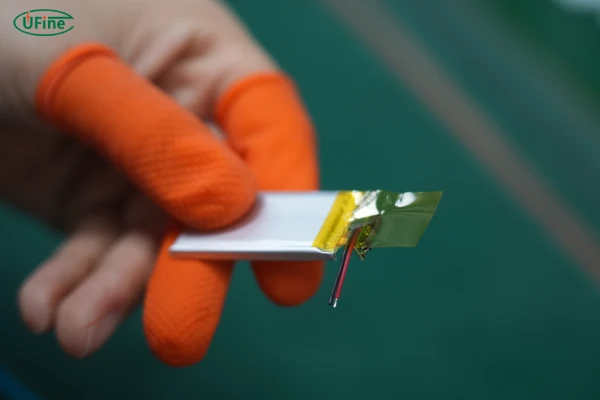
- Compact and Lightweight: Ideal for portable devices and applications where space is limited.
- High Energy Density: Allows for more power storage in a compact form.
- Flexible Design: Can be custom-shaped to fit various device requirements.
- Low Self-Discharge: Holds charge over extended periods, even when not in use.
Cons:
- Sensitivity to Damage: Pouch cells can swell or rupture if punctured, making careful handling essential.
- Higher Cost: Customizable design and high energy density can make some types costly.
- Potential for Swelling: LiPo, in particular, is prone to swelling when overcharged or damaged.
Part 8. Swelling mechanism and safety considerations
Battery swelling is one of the most important topics in lithium pouch cell design.
Swelling occurs mainly due to gas generation inside the cell. This can be triggered by overcharging, high temperatures, or aging of electrolyte materials.
While mild swelling is not always immediately dangerous, severe expansion can lead to performance degradation or safety risks.
Modern battery management systems (BMS) play a critical role in controlling voltage, current, and temperature to minimize these effects.
Part 9. Applications
Thanks to their versatility, lithium battery pouches have found a place in several industries. Here’s a look at some common applications:
- Consumer Electronics: Lithium pouches power everything from smartphones to tablets, offering slim, lightweight, and high-power solutions for daily use.
- Electric Vehicles (EVs): Pouch cells allow vehicle manufacturers to design compact, powerful battery packs.
- Medical Devices: Reliable and stable power for critical devices like portable oxygen concentrators and patient monitors.
- Drones and RC Devices: These lightweight cells provide the burst of power needed for flight while keeping weight low.
- Renewable Energy Storage: Perfect for storing solar and wind power due to their high cycle life and energy density.
Part 10. Factors affecting the price of lithium battery pouches
The cost of lithium battery pouches varies depending on several factors:
- Battery Chemistry: Different chemistries have varying costs; LiFePO4 is generally cheaper, while LiPo is pricier.
- Capacity: Higher capacity means more materials and a higher price.
- Cycle Life: Longer-lasting cells are often more expensive due to advanced materials and designs.
- Safety Features: Batteries with added safety mechanisms, like temperature sensors, cost more.
- Customization: Tailoring a pouch cell to fit a specific product can increase the price.
Price Range: Lithium battery pouches typically range from $5 to $50, depending on these factors.
Part 11. FAQs
1. What materials are used in a pouch cell battery casing?
A pouch cell uses aluminum-laminated plastic film instead of a rigid metal shell. This structure reduces weight and allows more flexible battery design.
2. Can pouch cell batteries be repaired if damaged?
No, pouch cells are generally not repairable. Once the internal structure is damaged, the cell must be replaced due to safety risks.
3. Why are pouch cells lighter than other lithium batteries?
Because they eliminate the heavy cylindrical or prismatic metal casing, allowing more energy storage material with less structural weight.
4. Are pouch batteries suitable for high-drain applications?
Yes, but only if properly designed with good thermal management and tab configuration. Otherwise, heat buildup can limit performance.
5. What is the difference between single-tab and multi-tab pouch cells?
Single-tab designs are simpler but may have uneven current distribution. Multi-tab designs improve current flow and reduce internal resistance.
Related Tags:

More Articles

JST vs Molex: The Right Battery Connector Choice
JST or Molex for your battery? Learn how connector selection affects current, voltage drop, reliability, and device performance.
Custom Battery Pricing: Costs Manufacturers Don’t Mention
A low battery quote may not be the final cost. Discover common hidden expenses that affect custom lithium battery projects.
Battery Wire Length: Hidden Cause of Power Loss
A longer battery wire can cause voltage drop, power loss, and unstable operation. Learn how wire length affects battery performance.
How Device Sleep Modes Affect Battery Life
Think sleep mode extends battery life? Learn why devices still drain power and how firmware, hardware, and batteries affect runtime.
LiPo Battery and PCB Design: Clearance, Insulation, and Placement
Learn how to optimize LiPo battery PCB clearance, insulation, placement, wiring, and thermal design—and avoid common integration mistakes.


