
- Part 1. What is a 6S LiPo battery?
- Part 2. How voltage and capacity affect battery performance
- Part 3. 6S vs 4S vs 5S: which battery should you choose?
- Part 4. Size and weight: why bigger isn’t always better
- Part 5. Cost, value, and long-term ownership
- Part 6. 6s lipo battery advantages and disadvantages
- Part 7. Where is the 6s lipo battery used?
- Part 8. How long does the 6s lipo battery last?
- Part 9. What charger does the 6s lipo battery use?
- Part 10. How to charge and use a 6S LiPo battery safely
- Part 11. Custom 6S LiPo battery options
- Part 12. FAQs about 6S LiPo batteries
Quick Answer: A 6S LiPo battery consists of six lithium polymer cells connected in series, delivering a nominal voltage of 22.2V. It is widely used in FPV drones, RC vehicles, robotics, and other high-power applications where high voltage, fast response, and lightweight design are critical.
This guide focuses on how to use, choose, and safely operate a 6S LiPo battery, while linking to deeper technical data where needed.
Part 1. What is a 6S LiPo battery?
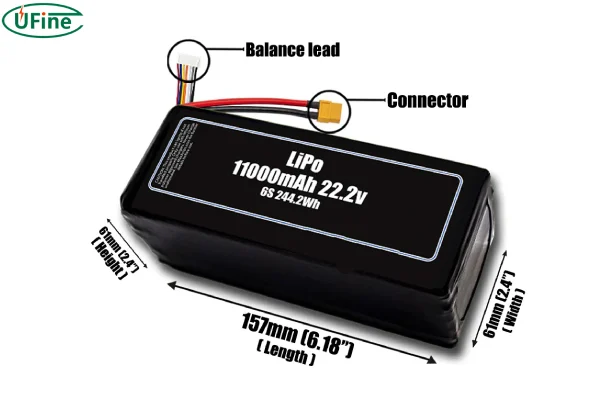
So, what does “6s Lipo battery” mean? The “6s” refers to six cells connected in series. Each cell typically has a nominal voltage of 3.7 volts. When you connect six cells in series, you get a total nominal voltage of 22.2 volts (3.7V x 6).
“Lipo” stands for lithium polymer. This type of battery uses a polymer electrolyte instead of a liquid one, making it lightweight and flexible. The structure and chemistry of a 6s Lipo battery allow it to supply high energy efficiently. These batteries are compact yet powerful, perfect for high-performance applications.
Structure and Chemistry
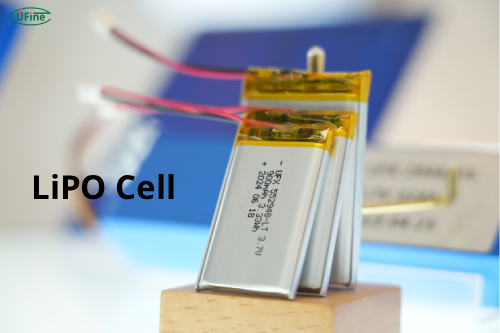
The structure of a 6S LiPo battery is quite fascinating. Inside, you’ll find thin layers of lithium polymer gel sandwiched between two electrodes. These layers are tightly packed to maximize energy density. This design helps the battery deliver high power output, which is essential for demanding applications like drones or RC cars.
How It Supplies Energy
Now, let’s talk about how a 6S LiPo battery supplies energy. When you connect the battery to your device, a chemical reaction occurs within the cells. This reaction generates electrons, which flow through the circuit, providing the power needed to run your device. The high voltage and current output make 6s Lipo batteries ideal for applications that require a lot of power in a small package.
Part 2. How voltage and capacity affect battery performance
Now, let’s talk about voltage and mAh. As mentioned, a 6s Lipo battery has a nominal voltage of 22.2 volts. This high voltage is perfect for applications needing lots of power.
But what about mAh? mAh stands for milliampere-hour. It measures the battery’s capacity or how much charge it can hold. So, is a larger mAh better? Generally, yes. A higher mAh means longer runtime and more power. However, it also means a bigger, heavier battery.
1 Understanding Voltage
Voltage is crucial when it comes to LiPo batteries. The nominal voltage of a single Lipo cell is 3.7 volts. In a 6s configuration, six cells are connected in series, resulting in a total nominal voltage of 22.2 volts. This high voltage is beneficial for applications that require a lot of power, such as drones or high-speed RC cars.
2 What is mAh?
mAh, or milliampere-hour, measures the battery’s capacity. It tells you how much charge the battery can hold. For example, a 5000mAh battery can deliver 5000 milliamps of current for one hour. Generally, a higher mAh rating means a longer runtime. However, it also means a larger and heavier battery.
3 Is a Larger mAh better?
While a larger mAh rating means more capacity and longer runtime, it’s not always better. Larger mAh batteries are heavier and bulkier. So, you need to balance between capacity and portability. For instance, in a drone, a larger mAh battery will give you longer flight times but will also add weight, which can affect performance.
Part 3. 6S vs 4S vs 5S: which battery should you choose?
Choosing the correct cell count is critical for both performance and safety.
Comparison Table
| Configuration | Nominal Voltage | Typical Use | Skill Level |
|---|---|---|---|
| 4S | 14.8V | Entry-level drones, RC | Beginner |
| 5S | 18.5V | Transitional setups | Intermediate |
| 6S | 22.2V | High-performance systems | Intermediate–Advanced |
When 6S Makes Sense
- Your motor and ESC are rated for 6S
- You want lower current and cooler operation
- You need fast throttle response
⚠️ Note: Never upgrade to 6S unless all electronics support it.
Part 4. Size and weight: why bigger isn’t always better
6S LiPo batteries vary significantly in size and weight, even at the same voltage.
Typical Capacity vs Weight Examples
| Capacity | Typical Weight | Common Use |
|---|---|---|
| 1300–1500mAh | ~200–250g | FPV racing |
| 2200–3000mAh | ~300–400g | Freestyle drones |
| 5000–6000mAh | 700g+ | RC cars, ground systems |
Common mistake: Choosing the highest mAh battery without considering weight impact on performance.
Part 5. Cost, value, and long-term ownership
6S LiPo batteries cost more, but price alone doesn’t reflect value.
What You’re Really Paying For
FactorImpactCell qualityCycle life & voltage stabilityInternal resistanceVoltage sag under loadConsistencyBalance and safetyManufacturingReliability & lifespan
A cheap battery may fail early, while a high-quality pack often delivers lower cost per cycle over time.
Part 6. 6s lipo battery advantages and disadvantages
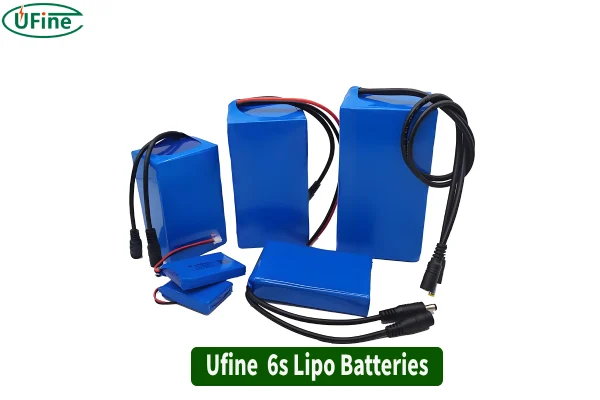
Advantages
- High Power Output: Delivers high voltage and current. Perfect for high-performance applications.
- Lightweight: Compared to other types, Lipo batteries are lighter. This is crucial for applications like drones, where weight is a critical factor.
- Compact: Small size but high energy density. This makes them ideal for applications with limited space.
- Fast Charging: Can charge faster than other battery types. This is a significant advantage if you need to get back to your activity quickly.
Disadvantages
- Cost: More expensive than other battery types. However, the performance benefits often justify the cost.
- Safety: Requires careful handling to avoid damage or risk of fire. Lipo batteries can be dangerous if not handled correctly. They need to be charged and stored properly to prevent accidents.
- Lifespan: Can degrade faster if not properly maintained. Proper care, like avoiding deep discharges and storing at the correct voltage, is essential to maximize lifespan.
Part 7. Where is the 6s lipo battery used?
The 6s Lipo battery is popular in various high-power applications. Common uses include:
- Drones: Provide the necessary power for long flights and heavy loads. Drones need high power and lightweight batteries for optimal performance.
- RC Cars: Ideal for high-speed racing and off-road adventures. The high power output ensures fast speeds and quick acceleration.
- Electric Aircraft: Powers electric planes and helicopters. The lightweight design and high energy density are perfect for flight applications.
- Robotics: Used in high-performance robots for competitions and research. The high power output and compact size make them ideal for advanced robotics.
Part 8. How long does the 6s lipo battery last?
The lifespan of a 6s Lipo battery depends on how you use and maintain it. Typically, these batteries last for about 300 to 500 charge cycles. Proper care, like avoiding deep discharges and charging at the correct rate, can extend their life.
1 Factors Affecting Lifespan
Several factors can affect the lifespan of a 6s Lipo battery. The most significant factor is how you use and maintain it. Avoiding deep discharges and charging at the correct rate are essential. Storing the battery at the correct voltage is also crucial. Extreme temperatures can also affect the battery’s lifespan. Always store and use the battery within the recommended temperature range.
2 Maximizing Lifespan
To maximize the lifespan of your 6s Lipo battery, follow these tips:
- Avoid Deep Discharges: Don’t let the battery voltage drop too low.
- Charge at the Correct Rate: Use a charger that supports balance charging and set the correct charging rate.
- Store Properly: Store the battery at the correct voltage and temperature.
- Monitor Battery Health: Regularly check the battery’s voltage and balance the cells.
Part 9. What charger does the 6s lipo battery use?
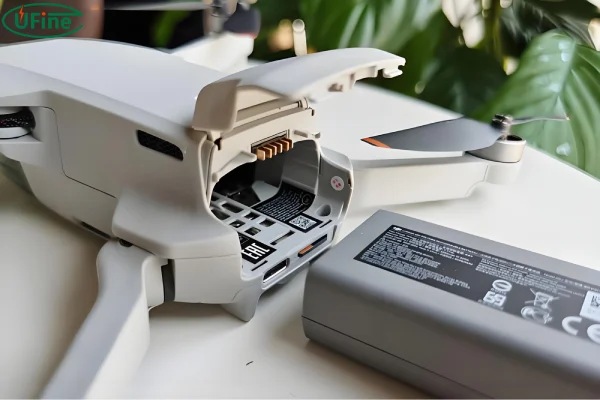
Charging a 6s Lipo battery requires a special charger. You need a charger that supports Lipo batteries and can handle a 6s configuration. The charger should have features like:
- Balance Charging: Ensures each cell charges evenly.
- Adjustable Current: Allows you to set the appropriate charge rate.
- Safety Features: Overcharge and short-circuit protection are included.
Choosing the Right Charger
When choosing a charger for your 6s Lipo battery, look for one that supports balance charging. Balance charging ensures each cell charges evenly, which is crucial for the battery’s health and performance. The charger should also have adjustable current settings so you can set the correct charge rate for your battery. Safety features like overcharging and short-circuit protection are also essential to prevent accidents.
Part 10. How to charge and use a 6S LiPo battery safely
1 Charging Guidelines
RuleRecommendationCharger typeBalance chargerCharge rate1C preferredMonitoringAlways supervisedStorage voltage~3.8V per cell
2 Common Safety Mistakes
- Charging swollen batteries
- Over-discharging below safe limits
- Using incorrect charger settings
If you want detailed voltage limits, discharge curves, and safety thresholds, refer to our in-depth technical article:
👉 Learn About 6S LiPo Batteries: Key Insights
Part 11. Custom 6S LiPo battery options
Standard batteries don’t fit every project. For size-limited or performance-critical systems, custom 6S LiPo batteries are often the best choice.
Manufacturers like Ufine Battery offer:
- Custom voltage & capacity
- Special shapes and sizes
- Different lithium chemistries
- Industrial and high-reliability solutions
Customization ensures optimal electrical performance and mechanical fit.
Part 12. FAQs about 6S LiPo batteries
Is 6S more dangerous than 4S?
Not inherently, but higher voltage increases the consequences of misuse.
Can beginners use 6S LiPo batteries?
Yes, with proper knowledge, compatible hardware, and strict safety practices.
What happens if a 6S LiPo is over-discharged?
It may suffer permanent damage, swelling, or internal failure.
Can I replace a 4S battery with a 6S battery?
Only if all components are rated for 6S voltage.
Related Tags:

More Articles

Best 5 Riding Lawn Mower Battery Manufacturers
Looking for the best riding mower battery? Compare top battery brands by lifespan, maintenance, price, and performance.
All You Need to Know About CB Certification for Lithium Batteries
Learn what CB certification and the IECEE CB Scheme mean for lithium batteries. Explore requirements, testing, benefits, and global market access.
How to Choose the Right 3S LiPo Battery 5000mAh for Your RC Hobby Projects?
Learn how to choose the best 3S LiPo battery 5000mAh for RC cars, drones, boats, and planes. Compare C ratings, runtime, connectors, charging, and safety tips.
Comparing Semi Truck Batteries vs. Truck Batteries
Compare semi truck batteries and truck batteries by size, CCA, lifespan, and battery type. Learn how to choose the right truck battery for your vehicle.
Top 10 Flat Lithium Ion Battery Options for Compact Devices
Explore top flat lithium ion battery options, key specifications, and selection factors for compact electronics, medical devices, and energy storage systems.


