
- Key Takeaways
- Part 1. What types of AA batteries are there?
- Part 2. What are NiMH AA rechargeable batteries?
- Part 3. Advantages and disadvantages of NiMH AA rechargeable batteries
- Part 4. NiMH AA battery pack
- Part 5. Difference between NiMH AA battery and NiMH AAA battery
- Part 6. 18650 battery vs aa nimh: when the comparison actually makes sense
- Part 7. Charging NiMH AA batteries and Charger
- Part 8. Applications of NiMH AA batteries
- Part 9. Popular brands
- Part 10. FAQs
Key Takeaways
- NiMH AA rechargeable batteries are versatile – they work well in everything from remote controls to high-drain devices like digital cameras and toys.
- Stable power matters – unlike alkaline batteries that gradually lose voltage, NiMH cells deliver consistent performance throughout their charge.
- Capacity isn’t one-size-fits-all – choosing the right mAh for your device can save you time, money, and frustration.
- Recharge wisely – using a compatible charger and avoiding overcharging or extreme discharges prolongs battery life.
- AA vs AAA vs 18650 – understanding size, voltage, and use case helps you pick the best battery for your gadget without guesswork.
Part 1. What types of AA batteries are there?
When you think about AA batteries, chances are you immediately picture those little cylindrical cells that power everything from remote controls to digital cameras. But did you know that there are actually several different types of AA batteries on the market? Choosing the right one for your device depends on the specific needs of your gadgets, so let’s break down the most common types:
1. Alkaline AA Batteries
These are the standard, single-use batteries we’ve all come to know. Alkaline batteries are affordable, widely available, and typically provide a voltage of 1.5V at the start. They’re great for low-drain devices like clocks or remote controls but don’t last as long in high-drain devices (like digital cameras). One of the biggest downsides is that once they’re drained, they can’t be reused — you simply dispose of them and get new ones.
2. NiMH AA Rechargeable Batteries
This is where things get interesting. NiMH (Nickel-Metal Hydride) AA rechargeable batteries are, as the name suggests, rechargeable. Instead of throwing them away when they lose power, you simply recharge them, making them a more eco-friendly option. They also tend to have a lower voltage than their alkaline counterparts, typically around 1.2V, but they provide stable power over time. They’re ideal for a range of devices, especially high-drain ones like cameras, toys, and power-hungry gadgets.
Lithium AA Batteries
Lithium AA batteries are another type you’ll come across. These are non-rechargeable but are known for their long shelf life and high energy density. They provide a voltage of around 1.5V and are especially popular in devices that require consistent and extended performance, like outdoor flashlights or high-tech gadgets. While they can be pricier than other options, they last longer and are lighter, making them an excellent choice for things like trail cameras or GPS devices.
3. Nickel-Cadmium (NiCd) AA Batteries
Though largely phased out in favor of NiMH, NiCd batteries are still available in some places. They were among the first rechargeable options but have a much lower energy capacity than NiMH and suffer from a phenomenon called the memory effect. This means that if they’re not fully discharged before recharging, they can lose their ability to hold a full charge over time.
NiMH Battery vs Li-Ion Battery vs NiCad Battery: How are they different?
So, now that you know the main types of AA batteries, it’s clear that NiMH AA rechargeable batteries stand out for their versatility, sustainability, and long-term value.
Part 2. What are NiMH AA rechargeable batteries?
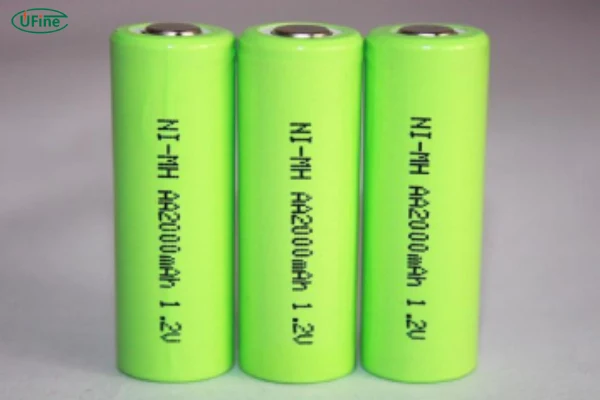
At the core of NiMH AA rechargeable batteries is a chemistry that offers significant advantages over other types of batteries. As the name suggests, these batteries use Nickel-Metal Hydride as the main material in their electrodes. The positive electrode (or cathode) is made of nickel, while the negative electrode (or anode) is made of a metal hydride, which is a compound of hydrogen and a metal.
One of the primary reasons these batteries have become so popular is that they are rechargeable — meaning they can be used hundreds, if not thousands, of times before their performance begins to degrade. Not only does this save you money in the long run, but it also reduces waste. Since they don’t need to be disposed of after a single use, they’re a more environmentally friendly option than traditional alkaline batteries.
Moreover, NiMH AA rechargeable batteries are widely used because they maintain a stable voltage throughout their discharge cycle, which is important for powering modern electronic devices. Unlike alkaline batteries, which lose power gradually as they drain, NiMH batteries deliver consistent performance until they’re nearly empty.
| Feature | NiMH AA Rechargeable Batteries | Key Takeaways |
|---|---|---|
| Chemistry | Positive electrode: NickelNegative electrode: Metal Hydride (hydrogen + metal) | Safe and eco-friendly; no toxic cadmium like NiCd batteries; electricity generated via redox reaction. |
| Voltage | 1.2V standard | Slightly lower than alkaline (1.5V), but provides stable power over discharge cycle; ideal for high-drain devices. |
| Size | 50.5mm length × 14.5mm diameter | Fits standard AA compartments; compatible with almost all AA-powered devices without adapters. |
| Lifespan | 500–1,000 charge cycles | Long-lasting; maintains steady performance even after hundreds of uses; better than NiCd (no memory effect). |
| Capacity (mAh) | 1,600–2,500 mAh (low, mid, high capacity ranges) | Low (1,600–1,800 mAh): clocks, remotesMid (2,000–2,200 mAh): toys, keyboardsHigh (2,400–2,500 mAh): cameras, controllers, flashlights. |
| Rechargeable | Yes | Can be reused hundreds of times; saves money and reduces waste; eco-friendly alternative to alkaline. |
| Performance | Stable throughout discharge | Outperforms alkalines in high-drain devices; voltage remains consistent until near empty. |
| Price | $1–$3 per battery | Higher upfront cost than alkaline, but more cost-effective long-term due to rechargeability. |
1 Voltage
If you’ve ever compared different types of batteries, you’ve probably noticed that voltage varies. For NiMH AA rechargeable batteries, the standard voltage is 1.2V, which is slightly lower than the 1.5V provided by alkaline AA batteries.
You might think this lower voltage would make NiMH AA batteries less powerful, but in reality, the difference is minimal when it comes to everyday devices. While alkaline batteries might start at 1.5V, they lose power quickly, so their voltage drops over time. This means that a NiMH AA rechargeable battery offers more consistent power as it discharges, which is a key benefit for devices that rely on stable energy.
What’s more, NiMH batteries also tend to perform better in high-drain devices (like digital cameras or gaming controllers) because they can provide that steady power for longer periods. So even though their starting voltage is slightly lower, they often outperform alkaline batteries in the long run.
2 Size
The NiMH AA rechargeable battery has the same size as a regular AA battery, which is 50.5mm in length and 14.5mm in diameter. This standard size makes them compatible with almost any device that uses AA batteries, whether it’s a flashlight, a TV remote, or a toy.
Because NiMH AA rechargeable batteries are designed to fit perfectly into the same battery compartments as disposable AA batteries, they offer a convenient and eco-friendly alternative without needing any special adapters or modifications. Just pop them in and enjoy all the benefits of rechargeability.
3 Chemistry
The chemical reaction that occurs inside NiMH AA rechargeable batteries is quite fascinating. As mentioned, these batteries use nickel for the positive electrode and metal hydride for the negative electrode. When the battery is in use, the nickel and metal hydride undergo a process called redox reaction, where electrons are transferred between the two electrodes. This chemical reaction generates the electricity that powers your devices.
One of the key benefits of this chemistry is that NiMH batteries do not suffer from the toxic cadmium found in NiCd (Nickel-Cadmium) batteries. This makes them much safer and more environmentally friendly, which is a big plus for eco-conscious consumers.
4 Lifespan
When you invest in NiMH AA rechargeable batteries, one of the key advantages is their long lifespan. On average, a NiMH AA battery can last between 500 and 1,000 charge cycles, depending on factors such as the quality of the battery, how it’s used, and how well it’s maintained.
To put it into perspective, if you’re using your NiMH AA batteries in low-drain devices like a clock or a remote control, they could last for several years. However, in high-drain devices like cameras or gaming controllers, the battery may need to be recharged more frequently.
It’s important to note that NiMH batteries tend to lose some of their capacity over time, but this is much less significant than with older NiCd batteries, which suffer from the memory effect. With NiMH, you get a steady and reliable power source for a long time.
5 Capacity
The capacity of a NiMH AA rechargeable battery is typically measured in milliampere-hours (mAh), which indicates how much energy the battery can store. Most NiMH AA batteries range from 1,600mAh to 2,500mAh, with some higher-capacity versions going even further.
- Low-capacity (1,600mAh – 1,800mAh): Best for low-power devices like remote controls or clocks. They provide a longer runtime for these types of gadgets.
- Mid-range capacity (2,000mAh – 2,200mAh): Ideal for everyday devices like toys or wireless keyboards.
- High-capacity (2,400mAh – 2,500mAh): Great for high-drain devices like digital cameras, game controllers, or flashlights, where you need extra juice for prolonged use.
When choosing NiMH AA rechargeable batteries, it’s crucial to match the capacity with the device’s power requirements. Higher-capacity batteries will give you longer use but will take longer to charge.
6 Price
The price of NiMH AA rechargeable batteries can vary depending on the brand, capacity, and quality. On average, you can expect to pay between $1 and $3 per battery. While this may seem higher than disposable alkaline batteries, remember that rechargeable batteries can be used hundreds of times, which makes them more cost-effective in the long run.
Part 3. Advantages and disadvantages of NiMH AA rechargeable batteries
As with any product, NiMH AA rechargeable batteries come with their own set of advantages and disadvantages.
Advantages:
- Rechargeable: The most obvious benefit is that you can recharge them hundreds of times, making them more cost-effective and eco-friendly than disposable batteries.
- Consistent Performance: NiMH batteries maintain steady voltage throughout their discharge cycle, which is great for devices that require reliable power.
- Eco-Friendly: Because they don’t end up in landfills after a single use, NiMH rechargeable batteries have a much lower environmental impact than their disposable counterparts.
Disadvantages:
- Lower Voltage: The lower starting voltage (1.2V) compared to alkaline batteries (1.5V) may be noticeable in some devices, although this usually doesn’t cause any issues.
- Self-Discharge: NiMH batteries tend to lose their charge faster than alkaline batteries when not in use. However, low self-discharge (LSD) versions have been developed to address this issue.
Part 4. NiMH AA battery pack
A NiMH AA battery pack is essentially a collection of multiple NiMH AA rechargeable batteries connected together. These packs are commonly used in applications where more voltage or capacity is needed, such as in power tools or electric vehicles.
The key difference between a NiMH AA battery and a battery pack is that a battery pack combines several cells to deliver a higher voltage, allowing it to power larger devices or machines for longer periods.
Part 5. Difference between NiMH AA battery and NiMH AAA battery
The primary difference between NiMH AA and NiMH AAA batteries is their size. AA batteries are larger and have a higher capacity, making them suitable for higher-drain devices. AAA batteries, while smaller, are better suited for low-drain devices like remotes, clocks, or small flashlights.
While the internal chemistry and performance of both types are very similar, the larger AA batteries generally provide more power and last longer in more demanding applications.
Understanding the Difference Between AA and AAA Batteries
Part 6. 18650 battery vs aa nimh: when the comparison actually makes sense
People often ask: “Isn’t a 18650 better than AA NiMH? Shouldn’t I just use 18650 instead?”
The short answer: it depends on what you’re powering.
- 18650 batteries are lithium‑ion cells with typical voltages around 3.6–3.7 V and much higher energy density.
- AA NiMH batteries deliver 1.2 V per cell and excel in devices designed for disposable AA formats.
Here’s a direct comparison:
| Feature | AA NiMH | 18650 Li‑ion |
|---|---|---|
| Voltage per cell | ~1.2 V | ~3.7 V |
| Capacity range | ~1900–2500 mAh | ~2000–3500 mAh |
| Best use | Standard AA‑format devices | High‑power equipment, flashlights |
| Safety margin | Very forgiving | Requires protection circuitry |
| Cost per cycle | Low | Moderate |
You can use 18650 batteries in homemade electronics, flashlights, or devices that support them — and they often outperform NiMH cells in high‑power applications. But they’re not interchangeable with AA cells unless your device specifically supports that form factor.
Part 7. Charging NiMH AA batteries and Charger
To get the most out of your NiMH AA rechargeable batteries, follow these charging tips:
- Don’t overcharge: Avoid leaving the battery on the charger for too long after it’s fully charged. Overcharging can reduce lifespan.
- Avoid deep discharges: NiMH batteries don’t need to be completely drained before recharging, but extremely deep discharges can shorten their life.
- Charge in a cool environment: High temperatures can degrade battery life, so try to charge in a cool area.
To properly charge NiMH AA rechargeable batteries, you’ll need a charger designed for NiMH chemistry. Common charger types include:
- Smart chargers: These automatically detect when the battery is full and stop charging to avoid overcharging.
- Universal chargers: These chargers can handle multiple types of rechargeable batteries, including NiMH and Li-ion.
- Desktop chargers: For charging multiple batteries at once, ideal for households or offices.
Part 8. Applications of NiMH AA batteries
NiMH AA rechargeable batteries are versatile and widely used in a variety of devices, including:
- Remote controls
- Digital cameras
- Toys
- Flashlights
- Cordless phones
- Wireless computer peripherals
Part 9. Popular brands
Here are five trusted brands that consistently deliver high-quality NiMH AA rechargeable batteries:
- Energizer
- Duracell
- Panasonic
- Eneloop (by Sanyo)
- AmazonBasics
These brands offer excellent performance, reliability, and varying capacities for different needs.
Part 10. FAQs
Do NiMH AA batteries need to be fully charged before first use?
Unlike NiCd, NiMH batteries do not require a full initial charge. You can start using them after a partial charge, but full charging is recommended for maximum runtime.
How long can NiMH AA batteries hold their charge when stored?
Standard NiMH batteries lose 1–5% charge per day at room temperature. Low self-discharge (LSD) NiMH batteries can retain charge for 6–12 months.
Can mixing NiMH AA batteries of different brands or capacities cause problems?
Yes. Mixing batteries with different capacities or ages may lead to uneven discharge, shorter runtime, or charger misreading. Stick to matching sets for best results.
Do NiMH AA batteries affect device performance compared to alkaline?
In low-drain devices, you may not notice much difference. In high-drain gadgets, NiMH AA batteries often provide more consistent voltage, resulting in better performance.
What is the best way to dispose of worn-out NiMH AA batteries?
Never throw them in the trash. Take them to a certified battery recycling center. Many electronics stores and local recycling programs accept NiMH batteries.
Can NiMH AA batteries be used in series or parallel setups safely?
Yes, but ensure all batteries are matched in capacity, charge level, and brand. This prevents overloading and ensures even discharge in battery packs.
Related Tags:

More Articles
The Ultimate Guide to Small Size Battery
Learn small battery types, sizes, and applications. Compare lithium, alkaline, and coin cells. Find the best small size battery for your device or project.
Lithium Battery Comparison: Soft Pack Vs. Hard Pack
Compare soft pack vs hard pack lithium battery. Understand structure, safety, energy density, and applications to choose the right battery.
What Size are 18650 Batteries?
Learn exact 18650 battery dimensions (18mm × 65mm), tolerances, and pack configurations. Compare 18650 size with 21700 and others for better battery selection.
The Ultimate Guide to Battery Terminal Clamps
Learn battery terminal clamps, including types, materials, installation, and how to choose the right battery clamp for car and industrial use.
What Is a Lithium-Ion Battery Pack?
Learn what a lithium ion battery pack is, how it works, key components, configurations, and real-world applications for industrial and commercial use.


