
- Key Takeaways
- Part 1. What is a battery enclosure?
- Part 2. Why material selection matters for lithium battery enclosures
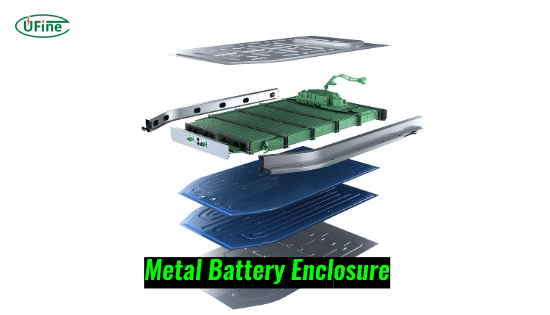
- Part 3. Advantages of metal battery enclosures
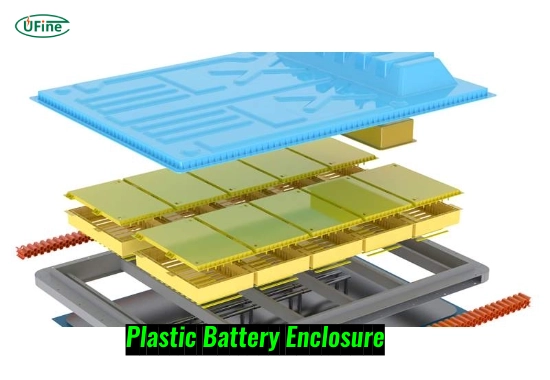
- Part 4. Advantages of plastic battery enclosures
- Part 5. Key factors when choosing a battery enclosure material
- Part 6. Typical applications: Metal vs plastic battery enclosures
- Part 7. Market trend: Plastic battery container market growth
- Part 8. Common misconceptions about battery enclosure materials
- Part 9. FAQs about battery enclosure
Selecting the right battery enclosure material is a key step in lithium battery system design. The enclosure is not just a protective shell. It affects thermal management, safety, durability, and long-term reliability.
For most lithium battery systems, engineers choose between two main options:
- Metal battery enclosures (such as aluminum or steel)
- Plastic battery enclosures (such as ABS, PC, or flame-retardant polymers)
Each material has advantages and trade-offs depending on the application, environment, and cost requirements. Understanding these differences helps designers choose the most suitable lithium battery enclosure for their product.
Key Takeaways
- Metal battery enclosures provide excellent heat dissipation, structural strength, and EMI shielding, making them common in EVs, industrial equipment, and energy storage systems.
- Plastic battery enclosures are lighter, cheaper, and easier to mold into complex shapes, making them ideal for consumer electronics and portable devices.
- Thermal management is one of the biggest factors when choosing a battery enclosure, especially for high-power lithium battery systems.
- Flame-retardant plastics and reinforced polymers allow plastic enclosures to meet modern safety standards such as UL 94.
- The right choice depends on environment, weight limits, safety requirements, and manufacturing cost.
Part 1. What is a battery enclosure?
A battery enclosure is a protective housing that surrounds a battery pack or battery module. It isolates the battery from external hazards while helping maintain safe operating conditions.
A typical lithium battery enclosure performs several functions:
- Protects cells from impact, dust, and moisture
- Prevents electrical contact hazards
- Helps manage heat generated during charging and discharge
- Contains potential electrolyte leakage or gas release
- Supports structural mounting within devices or vehicles
Battery enclosures are widely used in:
- Electric vehicles
- Energy storage systems
- Industrial equipment
- Medical devices
- Consumer electronics
You can also explore our guide on battery storage cases here: The Ultimate Guide to Battery Storage Cases: Types, Rechargeable Options, Safety, and Buying Tips
The enclosure material directly affects safety, cooling performance, and system durability.
Part 2. Why material selection matters for lithium battery enclosures
The material used in a battery enclosure has a major influence on system performance.
Important design considerations include:
1 Thermal management
Lithium batteries generate heat during charge and discharge. Poor heat dissipation can lead to overheating or thermal runaway. Materials with high thermal conductivity improve heat removal.
2 Mechanical protection
Battery packs may face vibration, shocks, or drops. The enclosure must maintain structural integrity and protect the cells inside.
3 Weight
In applications like electric vehicles, drones, or portable electronics, enclosure weight directly affects system efficiency and mobility.
4 Environmental resistance
Enclosures must resist:
- humidity
- chemicals
- dust
- outdoor exposure
5 Manufacturing cost
Material choice influences tooling cost, mass production feasibility, and supply chain stability.
Balancing these factors leads to an optimal battery enclosure design.
Part 3. Advantages of metal battery enclosures
Metal enclosures are widely used in high-performance lithium battery systems.
1 High structural strength
Metal enclosures provide excellent mechanical protection. Aluminum or steel housings can resist heavy loads, impacts, and vibration.
This makes them suitable for:
- EV battery packs
- industrial battery systems
- outdoor energy storage units
2 Excellent thermal conductivity
Metals such as aluminum conduct heat effectively. This helps remove heat from lithium cells and maintain safe operating temperatures.
Better thermal performance improves:
- battery lifespan
- charging stability
- system safety
3 Fire resistance
Metals are non-combustible. In case of battery failure, a lithium battery metal box can contain fire or heat more effectively than standard plastics.
4 Electromagnetic shielding (EMI)
Metal enclosures naturally block electromagnetic interference. This protects nearby electronics and improves system reliability.
5 Disadvantages of metal battery enclosures
Despite their advantages, metal enclosures also have limitations.
- Higher Weight
Metals are heavier than plastics. For mobile devices or lightweight robotics, this may reduce efficiency or portability. - Higher Manufacturing Cost
Metal housings require machining, welding, or stamping processes. These increase production costs compared with injection-molded plastics. - Corrosion Risk
Some metals may corrode in humid or chemically aggressive environments. Surface treatments such as anodizing or powder coating are often required.
Part 4. Advantages of plastic battery enclosures
Plastic battery enclosures are common in compact electronics and portable battery systems.
1 Lightweight design
Plastics have much lower density than metal. A lithium battery plastic cover significantly reduces overall device weight.
This is important for:
- consumer electronics
- handheld devices
- drones and robotics
2 Cost-effective manufacturing
Injection molding enables high-volume production at lower cost. For many products, a plastic battery container is the most economical solution.
3 Corrosion resistance
Plastics do not rust or corrode. They perform well in humid environments or where chemical exposure is possible.
4 Design flexibility
Plastic enclosures can integrate many features:
- ventilation channels
- cable routing
- mounting brackets
- snap-fit assembly structures
This flexibility simplifies product design.
5 Disadvantages of plastic battery enclosures
Plastic enclosures also present several engineering challenges.
- Lower Thermal Conductivity
Plastics are poor heat conductors. Without proper ventilation or heat sinks, heat can accumulate inside the battery pack. - Reduced Mechanical Strength
Compared with metals, plastics are more likely to deform under heavy loads or strong impacts. - Flammability Risks
Some plastics can burn if exposed to high temperatures. However, many enclosures now use flame-retardant plastics that comply with UL 94 V-0 standards.
Part 5. Key factors when choosing a battery enclosure material
When selecting a lithium battery enclosure, engineers usually evaluate several design factors.
1 Application requirements
High-power battery packs may require metal for heat management. Low-power electronics often work well with plastic enclosures.
2 Operating environment
Outdoor or industrial environments may require stronger protection against shock, moisture, or dust.
3 Weight limits
Lightweight applications such as drones or robotics benefit from plastic housings.
4 Safety and compliance
Battery systems must meet safety standards such as:
- UL
- IEC
- UN38.3 transport requirements
The enclosure must support these safety requirements.
5 Cost and production volume
Large production runs often favor injection-molded plastic due to lower unit cost.
Part 6. Typical applications: Metal vs plastic battery enclosures
| Application | Preferred Material | Reason |
|---|---|---|
| Electric vehicles | Metal | High strength and heat dissipation |
| Industrial battery packs | Metal | Impact resistance and durability |
| Energy storage systems | Metal | Outdoor protection and safety |
| Consumer electronics | Plastic | Lightweight and cost-effective |
| Medical devices | Plastic | Corrosion resistance and design flexibility |
| Robotics and drones | Plastic | Weight reduction |
The choice depends on balancing performance, safety, and cost.
Part 7. Market trend: Plastic battery container market growth
The plastic battery container market has expanded in recent years due to growing demand for portable electronics and lightweight energy systems.
Several trends are driving this growth:
- increased use of consumer lithium batteries
- expansion of IoT and wearable devices
- improved flame-retardant polymer materials
- lower manufacturing costs through injection molding
However, metal enclosures remain dominant in high-power lithium battery systems such as EVs and grid storage.
Part 8. Common misconceptions about battery enclosure materials
1 Plastic is always inferior
Advanced engineering plastics can deliver strong mechanical performance and excellent chemical resistance. For many devices, they are the optimal solution.
2 Metal is completely fireproof
While metal does not burn, extreme heat can deform or melt it. Proper thermal design is still necessary.
3 Cost is the only factor
Choosing the cheapest enclosure may lead to overheating or mechanical failure. Material selection must consider safety, durability, and performance.
Part 9. FAQs about battery enclosure
What is the main purpose of a battery enclosure?
A battery enclosure protects lithium cells from environmental damage, prevents electrical hazards, and helps manage heat during battery operation.
Which enclosure material is best for thermal management?
Metal enclosures, especially aluminum, provide better thermal conductivity and are commonly used in high-power lithium battery systems.
Are plastic battery enclosures safe for lithium batteries?
Yes. When made from flame-retardant plastics that meet standards like UL 94, plastic battery enclosures can safely house lithium battery packs.
When should a lithium battery metal box be used?
Metal enclosures are recommended for applications requiring strong structural protection, high heat dissipation, or EMI shielding.
Why are plastic battery containers common in electronics?
Plastic battery enclosures are lightweight, inexpensive, corrosion-resistant, and easy to manufacture in complex shapes.
Related Tags:

More Articles
Compare 21700 vs 18650 batteries. Learn key differences in size, capacity, power output, and applications to choose the right lithium-ion battery.
The Truth About Low Battery in Lithium-ion Batteries
Learn lithium battery low voltage limits, causes of low batteries, and safe discharge levels. Includes 3V lithium battery and Li-ion voltage guide.
A Comprehensive Guide to High Voltage Batteries
High voltage battery guide explaining systems, types, applications, and safety. Compare Li-ion, LiFePO4, and NCM batteries for EVs and energy storage solutions.
Exploring Battery Drop Testing: What You Need to Know
Learn what a battery drop test is, how it works, key standards like UN38.3 and IEC62133, and what happens when batteries fail drop tests. Complete safety guide.
How Does a Battery Charger Work? Explained Simply
Ever wondered how a battery charger works? Discover the charging principle, what's inside a charger, and how it safely powers your batteries.


