
- Part 1. Why do lithium batteries catch fire and explode?
- Part 2. Lithium battery fire temperature
- Part 3. How hot does lithium burn?
- Part 4. Safe operating & charging temperature
- Part 5. How to prevent lithium battery fires
- Part 6. Firefighting strategies for lithium cells
- Part 7. FAQs about lithium battery fires
Answer: Lithium-ion batteries can catch fire at temperatures as low as 60–70°C, with fully developed fires reaching 400–1000°C, and lithium metal fires can exceed 2000°C. Fire risks are triggered by overcharge, internal short circuits, physical damage, or high ambient temperatures.
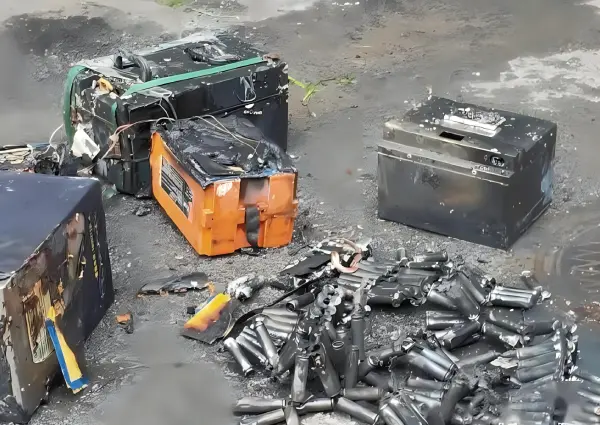
Lithium battery fires are dangerous because they sustain high temperatures, are difficult to extinguish, and can reignite even after appearing out. This article will explain why lithium batteries catch fire, typical fire temperatures, preventive measures, and safe firefighting methods, supported by authoritative data and real incidents.
Part 1. Why do lithium batteries catch fire and explode?
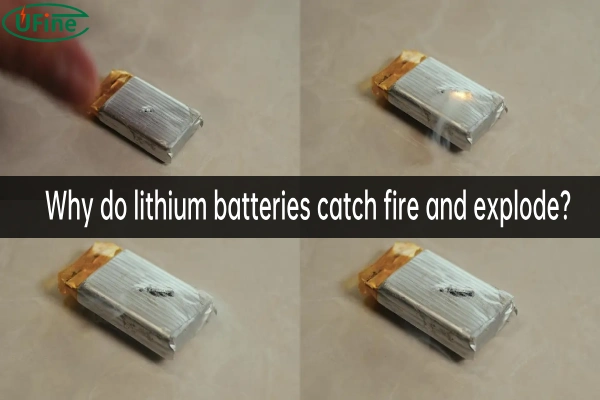
The phenomenon at the heart of most lithium battery fires is called thermal runaway — an uncontrolled increase in internal temperature that ignites combustible materials inside the cell.
Internal Causes
- Overcharge: Charging beyond design limits causes lithium plating and dendrites, which can puncture separators and trigger internal shorts.
- Internal Short Circuit: Damage to the separator can allow direct contact between electrodes, causing rapid heat release.
- Electrolyte Decomposition: At elevated temperatures, the electrolyte begins decomposing, generating flammable gases.
External Causes
- Physical damage (impact, puncture)
- Exposure to high external temperatures
- Using inappropriate chargers or rapid charging
⚠️ Thermal runaway may begin at surprisingly moderate temperatures: studies show that reactions can start around 60–70°C, and once initiated, the process rapidly elevates the temperature.
In many fire incidents, the root cause is an internal short circuit. To understand how this failure develops inside a cell and why it rapidly triggers thermal runaway, see What Is the Lithium Battery Short Circuit?
Part 2. Lithium battery fire temperature
Here’s a summary of how hot lithium-ion battery fires can get, according to industry research and experiments:
| Scenario / Battery Type | Typical Fire Temp | Notes |
|---|---|---|
| Thermal runaway onset | ~100°C+ | Reactions begin, self-heating accelerates |
| Li-ion cell internal fire | 400–700°C | After thermal runaway fully develops |
| Full pack fires / severe conditions | 500–1000°C | Common in tests and EV incidents |
| Lithium metal ignition (extreme) | Up to ~2000°C | When metal lithium burns directly |
📌 In some controlled experiments, molten aluminum leaked from cells indicated temperatures above 660°C, confirming extreme heat can be generated within failing battery cores.
Part 3. How hot does lithium burn?
When lithium metal itself ignites, the temperatures can be exceptionally high due to the intense exothermic reactions involved:
- Lithium metal fires in ideal conditions can approach ~2000°C (3,632°F).
- Lithium-ion fires are typically in the 400–1000°C range, depending on chemistry and size.
These extreme temperatures help explain why lithium-related fires are difficult to extinguish and often reignite even after appearing controlled.
Abnormal heating during charging is often an early warning sign before a battery fire occurs. For a deeper explanation of overheating causes, safe temperature limits, and prevention methods, refer to our Guide to Understand Lithium Battery Overheating.
Part 4. Safe operating & charging temperature
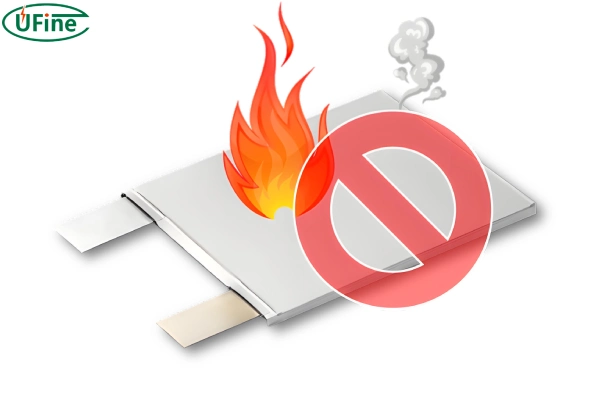
Operating batteries outside their temperature limits drastically increases fire risk:
| Condition | Critical Temperature |
|---|---|
| Normal use limit | Up to ~60–70°C is generally safe |
| Thermal runaway initiation | Around 100°C or higher |
| Separator melt / internal short risk | ~130–150°C |
Safety practices:
- Never charge in hot environments (> 45°C)
- Avoid fast chargers not approved by the manufacturer
- Disconnect when charging temperature exceeds ~60°C
Part 5. How to prevent lithium battery fires
Prevention relies on good habits and safe product choices:
✔ Use certified batteries from reputable brands
✔ Monitor charging and avoid overnight charging unattended
✔ Store batteries in cool, dry, well-ventilated areas
✔ Avoid dropping or crushing batteries
Battery incidents also show higher fire rates with cheap/unknown brands and counterfeit chargers — often lacking adequate protection circuits.
Part 6. Firefighting strategies for lithium cells
Lithium battery fires are not like ordinary fires — they produce their own oxygen and combustible gases due to internal decomposition, making them harder to fight. firechiefglobal.com
| Firefighting Method | Best Use Case | Notes |
|---|---|---|
| Water / Splash water | Low-voltage devices | Helps cool and interrupt thermal runaway — safe only if unplugged |
| Dry Chemical Powder | All types | Good for external flames but doesn’t stop internal runaway |
| Special Li-ion Extinguishers | EV packs | Most effective but specialized and expensive |
Emergency steps:
- Disconnect power if safe to do so
- Apply water to cool the cell rapidly
- Do NOT cover or smother — trapping heat worsens the reaction
- Evacuate if unsure — these fires can reignite hours later
Part 7. FAQs about lithium battery fires
At what temperature does a lithium battery explode?
There’s no fixed number, but thermal runaway often begins above approximately 100°C and can escalate rapidly.
Can a lithium battery reignite after being extinguished?
Yes. Cells that haven’t fully burned can retain heat internally and may reignite hours later.
Are electric vehicle battery fires worse?
EV battery fires can reach higher peak temperatures and often require specialized firefighting methods due to their size and energy content.
Is a discharged battery safer than a fully charged one?
Generally yes. Fully discharged batteries pose less risk because less stored energy is available to drive thermal runaway.
Related Tags:

More Articles
Capacitor vs Battery: What is the Difference?
Capacitor vs battery explained in detail. Learn the difference between capacitor and battery in energy storage, charging speed, lifespan, and real applications.
18650 Battery vs AA: Which Is Better for Your Device?
Compare 18650 vs AA batteries in capacity, voltage, rechargeability, and applications. Learn which battery type fits high-drain or everyday devices.
What is the Difference Between Battery Cell, Battery Control Module, and Battery Pack?
Compare battery cells, modules, and packs. Learn functions, design differences, control modules, and selection tips for EV, ESS, and industrial use.
How to Prevent LiPo Battery Explosion?
Can LiPo batteries explode or catch fire? Learn key causes of LiPo battery fires and proven charging, storage, and handling tips to reduce explosion risk.
Aluminium Ion Battery vs Lithium-Ion: A Detailed Comparison
Compare aluminium ion battery vs lithium-ion battery in energy density, charging speed, safety, cost, and uses. A practical guide for engineers and buyers.


