
- Part 1. What are lightweight batteries?
- Part 2. What are traditional batteries?
- Part 3. Advantages of lightweight batteries
- Part 4. Disadvantages of lightweight batteries
- Part 5. Advantages of traditional batteries
- Part 6. Disadvantages of traditional batteries
- Part 7. Use cases: when to choose lightweight batteries?
- Part 8. Use cases: when to choose traditional batteries?
- Part 9. Comparing lightweight batteries and traditional options
- Part 10. Lightweight batteries vs. traditional: how to choose the right battery for your needs?
- Part 11. FAQs
Lightweight batteries have emerged as a popular alternative to traditional battery options, offering unique advantages that appeal to various users—from outdoor enthusiasts to tech-savvy consumers. But with so many choices available, how do you determine which battery type is best for your needs? This comprehensive guide will delve into the intricacies of lightweight batteries versus traditional options, examining their features, benefits, and potential drawbacks.
Part 1. What are lightweight batteries?
Lightweight batteries are designed to provide power more compactly and efficiently than traditional batteries. Typically made from advanced materials such as lithium-ion or lithium-polymer, these batteries are known for their high energy density, meaning they can store more energy in a smaller size. This makes them ideal for applications where weight and space are critical factors.

Key Features of Lightweight Batteries
- High Energy Density: They can deliver more power without increasing size or weight.
- Longer Lifespan: Many lightweight batteries have a longer cycle life than traditional ones.
- Faster Charging: They often charge quicker, making them convenient for users on the go.
- Lower Self-Discharge Rates: They retain their charge longer when not in use.
Part 2. What are traditional batteries?
Traditional batteries, such as lead-acid or nickel-cadmium (NiCd), have been used for decades in various applications. While they have proven reliable and affordable, they come with certain limitations that may not meet the demands of modern technology.
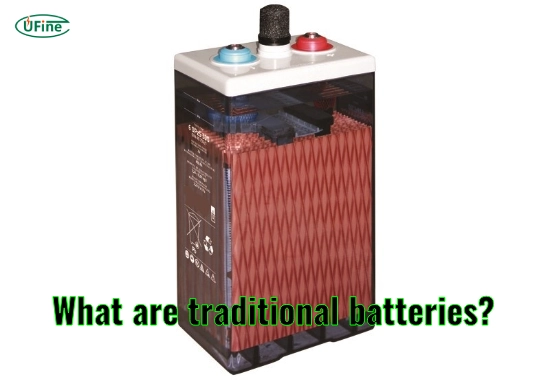
Key Features of Traditional Batteries
- Cost-Effective: Generally cheaper upfront costs compared to lightweight alternatives.
- Robustness: Known for their durability and ability to withstand harsh conditions.
- Availability: Widely available in various capacities and sizes.
Part 3. Advantages of lightweight batteries
Enhanced Portability
One of the most significant advantages of lightweight batteries is their portability. Whether hiking, camping, or traveling for work, the reduced weight makes it easier to carry your power source without adding unnecessary bulk.
Improved Performance
Lightweight batteries often outperform traditional options in terms of energy output and efficiency. Their consistent power over extended periods makes them suitable for high-demand devices like laptops and drones.
Environmental Benefits
Many lightweight batteries are designed with sustainability in mind. Lithium-ion batteries can be recycled more efficiently than lead-acid counterparts, reducing environmental impact.
Part 4. Disadvantages of lightweight batteries
Higher Initial Costs
While lightweight batteries offer numerous benefits, they typically come with a higher upfront cost. This can deter budget-conscious consumers who prioritize immediate savings over long-term advantages.
Limited Availability
Although gaining popularity, lightweight batteries may not be as readily available as traditional options in some markets. This could limit your choices when searching for specific battery types or sizes.
Part 5. Advantages of traditional batteries
Affordability
Traditional batteries are often more affordable than their lightweight counterparts. They might be the way to go if you’re looking for a budget-friendly option for less demanding applications.
Established Technology
With decades of use behind them, traditional battery technologies are well-understood and widely tested. This reliability can provide peace of mind for users who prioritize proven performance.
Part 6. Disadvantages of traditional batteries
Weight and Size
One of the most significant drawbacks of traditional batteries is their weight and size. They can be cumbersome and inconvenient for users who require portability, like campers or travelers.
Shorter Lifespan
Traditional batteries often have shorter lifespans than lightweight alternatives. This means more frequent replacements and potentially higher long-term costs.
Part 7. Use cases: when to choose lightweight batteries?
Lightweight batteries excel in scenarios where weight and efficiency are paramount:
- Outdoor Activities: Hiking or camping gear that requires portable power.
- Electronics: Laptops, smartphones, and other gadgets that benefit from quick charging.
- Electric Vehicles: E-bikes and scooters that require lightweight yet powerful battery solutions.
Part 8. Use cases: when to choose traditional batteries?
Traditional batteries may still be the best choice in certain situations:
- Backup Power: For home backup systems where weight is less of a concern.
- Cost-Sensitive Applications: Projects or devices where budget constraints are critical.
- Heavy-Duty Equipment: Tools or machinery that require robust power sources.
Part 9. Comparing lightweight batteries and traditional options
To help you visualize the differences between lightweight batteries and traditional options, here’s a concise comparison table:
| Feature | Lightweight Batteries | Traditional Batteries |
|---|---|---|
| Weight | Approx. 300g (for 12V 20Ah) | Approx. 10kg (for 12V 20Ah) |
| Cost | $200 – $300 | $100 – $150 |
| Lifespan | Up to 2000 cycles | Up to 500 cycles |
| Charging Speed | 1-2 hours | 6-8 hours |
| Energy Density | ~150 Wh/kg | ~30 Wh/kg |
| Environmental Impact | More eco-friendly (recyclable) | Less recyclable |
| Portability | Excellent | Poor |
Part 10. Lightweight batteries vs. traditional: how to choose the right battery for your needs?
When selecting a battery type, consider these practical recommendations:
- Assess Your Needs: Identify what you will primarily use the battery for—powering electronics or providing backup energy at home.
- Evaluate Weight vs. Performance: If portability is crucial (e.g., camping trips), lean towards lightweight options; if performance matters more (e.g., heavy machinery), traditional might suffice.
- Budget Wisely: Factor in both initial costs and long-term value; sometimes, spending more upfront on lightweight batteries can save money over time due to their longevity.
- Check Compatibility: Ensure the battery type matches your device’s voltage and capacity requirements before purchasing.
- Consider Environmental Impact: If sustainability is necessary, opt for lightweight batteries that offer better recycling options.
Part 11. FAQs
-
Are lightweight batteries worth the investment?
Yes! While they may have a higher upfront cost, their longevity and efficiency often justify the investment over time. -
Can I use lightweight batteries in place of traditional ones?
It depends on the application. Before switching, ensure the voltage and capacity match your device’s requirements. -
How do I maintain my lightweight battery?
To extend its lifespan, regularly check for any signs of damage, keep it charged within recommended limits, and avoid extreme temperatures. -
Are there safety concerns with lightweight batteries?
Like any battery type, proper handling is crucial. Follow manufacturer guidelines to minimize risks such as overheating or short-circuiting. -
What is the recycling process for lightweight batteries?
Most manufacturers offer recycling programs; check local regulations for specific guidelines on responsibly disposing of lithium-ion or lithium-polymer batteries.
Related Tags:

More Articles

JST vs Molex: The Right Battery Connector Choice
JST or Molex for your battery? Learn how connector selection affects current, voltage drop, reliability, and device performance.
Custom Battery Pricing: Costs Manufacturers Don’t Mention
A low battery quote may not be the final cost. Discover common hidden expenses that affect custom lithium battery projects.
Battery Wire Length: Hidden Cause of Power Loss
A longer battery wire can cause voltage drop, power loss, and unstable operation. Learn how wire length affects battery performance.
How Device Sleep Modes Affect Battery Life
Think sleep mode extends battery life? Learn why devices still drain power and how firmware, hardware, and batteries affect runtime.
LiPo Battery and PCB Design: Clearance, Insulation, and Placement
Learn how to optimize LiPo battery PCB clearance, insulation, placement, wiring, and thermal design—and avoid common integration mistakes.


