
- Part 1. What are rechargeable AA batteries?
- Part 2. How rechargeable AA batteries work
- Part 3. Types of rechargeable AA batteries
- Part 4. Which rechargeable AA batteries should you choose
- Part 5. How to choose the right mAh for your devices
- Part 6. How to recharge AA batteries correctly
- Part 7. Types of AA battery chargers you can use
- Part 8. How long rechargeable aa batteries last
- Part 9. Why do some devices not work well with rechargeable aa batteries
- Part 10. Common mistakes you should avoid
- Part 11. where you can use rechargeable AA batteries
- Part 12. FAQs
Key takeaways
- You can choose between NiMH, NiCd, and Li-ion rechargeable AA batteries, but NiMH is the best option for most users
- Most rechargeable AA batteries operate at 1.2V, which is safe for most modern devices
- Higher mAh means longer runtime, but not always better performance for every device
- Rechargeable AA batteries can last 3–5 years or 500–1000 charging cycles
- You can save significant long-term cost compared to disposable alkaline batteries
- Using the right charger and avoiding common mistakes can greatly extend battery life
Part 1. What are rechargeable AA batteries?
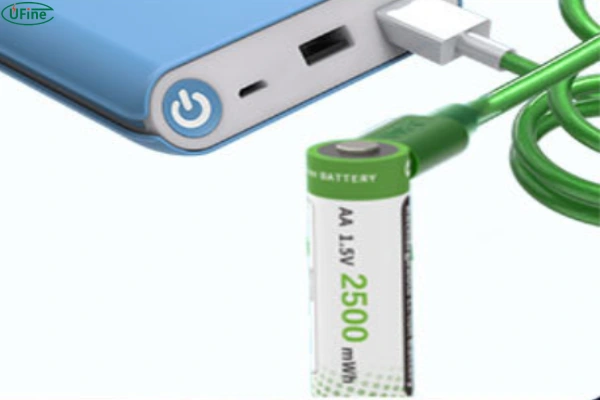
Rechargeable AA batteries are standard cylindrical batteries (about 50.5mm × 14.5mm) that you can reuse hundreds or even thousands of times.
Instead of throwing them away like alkaline batteries, you simply recharge them when they run out of power.
Most rechargeable AA batteries you use today operate at 1.2V, which is slightly lower than disposable alkaline batteries (1.5V), but most modern devices are designed to work normally within this range.
Rechargeable AA batteries vs alkaline batteries
| Feature | Rechargeable AA | Alkaline AA |
|---|---|---|
| Reusable | Yes (500–1000 cycles) | No |
| Long-term cost | Low | High |
| Voltage | 1.2V | 1.5V |
| Environmental impact | Lower | Higher |
| Best use | Frequent use devices | Occasional use |
Rechargeable AA batteries are a better long-term choice if you use devices regularly.
Part 2. How rechargeable AA batteries work
Rechargeable AA batteries work through reversible chemical reactions inside the cell.
When you use the battery:
- Chemical energy is converted into electrical energy
- Ions move between electrodes
- Your device receives power
When you charge the battery:
- Electrical energy is pushed back into the cell
- The chemical reaction is reversed
- Energy is stored again for reuse
You can repeat this cycle hundreds or even thousands of times depending on battery type and quality.
If you want to understand the science behind it, you can learn more about how a battery works to see how energy is stored and released inside different battery types.
Part 3. Types of rechargeable AA batteries
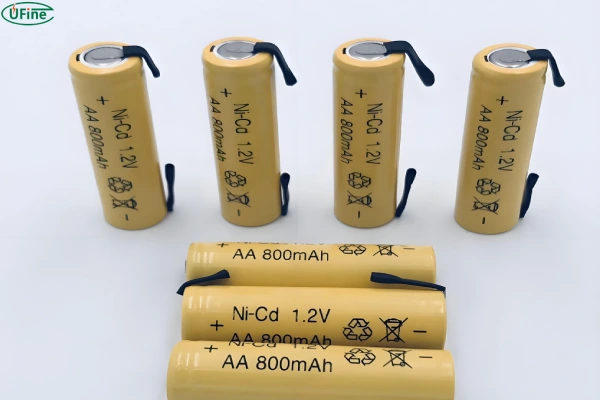
1 Nickel-metal hydride (nimh) batteries
NiMH batteries are the most common rechargeable AA batteries you will use today.
They usually offer:
- 1900–2800mAh capacity
- Stable performance for most devices
- No memory effect in modern versions
- Wide compatibility
You should use NiMH batteries for:
- Cameras
- Flashlights
- Game controllers
- Wireless devices
👉 For most people, NiMH is the best overall choice.
2 Nickel-cadmium (nicd) batteries
NiCd batteries are an older technology that you will rarely see in consumer devices today.
They offer:
- 600–1000mAh capacity
- Strong performance in extreme temperatures
- High durability in industrial use
However, you may face:
- Memory effect
- Lower capacity
- Environmental concerns
You may still find them in:
- Emergency lighting
- Industrial backup systems
3 lithium-ion (li-ion aa) batteries
Lithium-ion AA batteries are less common but offer higher energy density.
They provide:
- Higher energy output
- Lightweight design
- Stable performance
But you should note:
- Not all devices support them
- They often require specific chargers
You will usually use them in:
- Specialized equipment
- Professional devices
NiMH Battery vs Li-Ion Battery vs NiCad Battery: How are they different?
Part 4. Which rechargeable AA batteries should you choose
You should choose your battery based on how you use it:
- If you use everyday household devices → choose NiMH
- If your devices are low-drain → choose low self-discharge NiMH
- If you use high-drain devices → choose high-capacity NiMH or compatible Li-ion
In most cases, NiMH batteries give you the best balance of performance, cost, and safety.
Rechargeable AA battery cost savings
You can save a significant amount of money by switching to rechargeable AA batteries.
- One rechargeable battery can replace 500–1000 disposable batteries
- Lower long-term replacement cost
- Less environmental waste
If you use batteries frequently, you will notice the savings quickly.
Part 5. How to choose the right mAh for your devices
You should not always choose the highest mAh number. Instead, match capacity to your usage.
- 1000–1500mAh → clocks, remotes, low-drain devices
- 1900–2400mAh → keyboards, toys, general household use
- 2500–2800mAh → cameras, flashlights, high-drain devices
Higher mAh gives you longer runtime, but it is not always necessary for low-power devices.
If you are wondering whether capacity really affects runtime, check this guide on higher mAh battery life to understand how mAh impacts performance and usage time.
Part 6. How to recharge AA batteries correctly
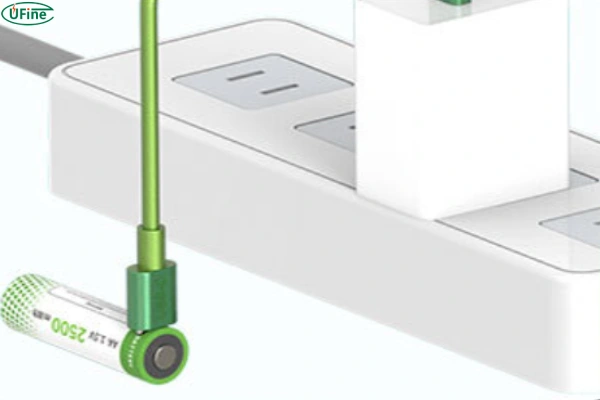
You should always use a compatible charger designed for your battery type.
Use a smart charger if possible
Smart chargers can:
- Stop charging automatically
- Prevent overheating
- Extend battery lifespan
avoid overcharging
Even if modern chargers are safe, you should remove batteries when fully charged if possible.
Do not mix batteries
You should avoid mixing:
- Different brands
- Different capacities
- Old and new batteries
Part 7. Types of AA battery chargers you can use
basic charger
- Slow charging
- Low cost
- No smart protection
smart charger (recommended)
- Automatic shutoff
- Better safety
- Longer battery lifespan
fast charger
- Quick charging
- More heat generation
- May reduce cycle life over time
Part 8. How long rechargeable aa batteries last
You can expect rechargeable AA batteries to last:
- 500–1000 charge cycles
- Around 3–5 years of typical use
Per charge performance depends on your device:
- High-drain devices → shorter runtime
- Low-drain devices → longer runtime
Modern low self-discharge NiMH batteries can hold power for months when not used.
Part 9. Why do some devices not work well with rechargeable aa batteries
Some devices are sensitive to voltage differences.
Rechargeable AA batteries provide 1.2V, while alkaline batteries provide 1.5V.
You may notice issues in:
- Voltage-sensitive electronics
- Some toys
- Older devices
However, most modern electronics work perfectly fine with rechargeable AA batteries.
Part 10. Common mistakes you should avoid
To extend battery life, you should avoid:
- Mixing old and new batteries
- Using the wrong charger type
- Over-discharging NiMH batteries
- Storing batteries fully empty
- Mixing different brands in one device
Part 11. where you can use rechargeable AA batteries
You can use them in almost any AA-powered device:
- Remote controls
- Wireless keyboards and mice
- Digital cameras
- Game controllers
- Toys
- Flashlights
- Portable radios
- Emergency devices
Part 12. FAQs
1. Can rechargeable AA batteries be used in all devices?
Most devices support rechargeable AA batteries, but some high-precision or voltage-sensitive devices may perform better with alkaline batteries due to the 1.5V requirement.
2. Do rechargeable AA batteries perform worse in cold weather?
Yes, low temperatures can temporarily reduce battery performance and runtime, especially for NiMH batteries. However, performance usually returns to normal when warmed up.
3. Can you mix rechargeable AA batteries with regular AA batteries?
No, you should never mix rechargeable and alkaline batteries in the same device because they have different voltages and discharge behaviors.
4. Why do rechargeable AA batteries stop working suddenly?
This usually happens due to:
- End of cycle life
- Deep discharge damage
- Improper charging habits
- Internal cell degradation
Related Tags:

More Articles
Aluminum Air Battery Design: Materials, Assembly & Efficiency Tips
Learn how an aluminum air battery works, its materials, assembly process, efficiency factors, advantages, limitations, and key applications.
AGM vs Flooded Battery: A Detailed Comparison
Compare AGM vs flooded battery performance, cost, lifespan, charging speed, and maintenance. Find the best battery for your application.
Lithium-ion Battery Structure: Components, Functionality, and Innovations
Learn the lithium-ion battery structure, key components, internal design, and how it works. Explore cell types, safety features, and battery innovations.
12V 100Ah Lithium Battery: Weight, Watt Hours, Lifespan and Uses
Find out how long a 12V 100Ah lithium battery lasts, what it can power, how much it weighs, and whether it's worth the upgrade.
Learn what deep discharge is, battery discharge meaning, depth of discharge (DoD), deep-cycle batteries, and how to prevent battery damage.


