
- Key takeaways
- Part 1. What is a hydrogen battery
- Part 2. How hydrogen battery technology works
- Part 3. Hydrogen battery vs hydrogen fuel cell
- Part 4. Hydrogen battery vs lithium-ion battery
- Part 5. Hydrogen battery technology advantages
- Part 6. Where hydrogen batteries could actually win
- Part 7. Challenges slowing hydrogen battery adoption
- Part 8. The future of hydrogen battery technology
- Part 9. FAQs
As industries and governments seek cleaner alternatives to fossil fuels, hydrogen batteries have the potential to reshape energy storage, power transportation, and even stabilize power grids.
But what exactly are hydrogen batteries? How do they work, and why are they being touted as a vital part of the future energy mix? This article delves into the current landscape of hydrogen batteries, their advantages, applications, and how they compare with other technologies like lithium-ion batteries. We’ll also examine the challenges that must be overcome to scale hydrogen technology and its role in creating a cleaner, more sustainable world.
Key takeaways
- Hydrogen batteries store energy using hydrogen ions rather than lithium ions
- They are different from hydrogen fuel cells, which generate electricity rather than store it
- Hydrogen battery technology could offer higher energy density and improved safety
- Commercial adoption is still limited, but research is accelerating
- Hydrogen batteries may complement lithium-ion rather than fully replace it
Part 1. What is a hydrogen battery
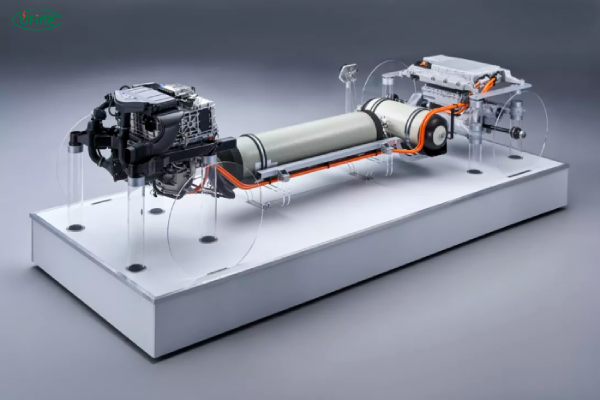
A hydrogen battery, technically a hydrogen fuel cell, is a type of clean energy system that generates electricity through a chemical reaction between hydrogen and oxygen. The key advantage? Water vapor is the only byproduct. No harmful emissions, no air pollution, just pure energy.
In essence, hydrogen batteries work by splitting hydrogen molecules into protons and electrons. The electrons create an electric current that can be used to power electric vehicles (EVs), backup power systems, and more. The protons, on the other hand, pass through a membrane and combine with oxygen to create water at the other end of the fuel cell.
This means that hydrogen batteries provide a cleaner, renewable, and highly efficient way of producing electricity. Unlike lithium-ion batteries that need to be recharged, hydrogen batteries can be refueled almost instantly, making them a potentially transformative solution for a wide range of industries.
A hydrogen battery is an energy storage device that uses hydrogen ions (protons) to store and release electrical energy.
Instead of lithium ions moving between electrodes — like in lithium-ion batteries — hydrogen ions move through an electrolyte, enabling charge and discharge cycles.
This sounds simple, but the implications are significant.
Hydrogen is the lightest element in the universe. Because of that, hydrogen-based batteries have the potential for higher energy density than lithium-ion batteries. In theory, this could mean lighter batteries with longer runtimes — something that matters whether you’re building drones, EVs, or grid storage systems.
But hydrogen batteries are not a single technology. The term may refer to:
- Hydrogen-ion batteries
- Proton batteries
- Hydrogen-based solid-state batteries
- Hybrid hydrogen storage batteries
Each approach is slightly different, and that’s part of why the technology still feels fragmented.
Part 2. How hydrogen battery technology works
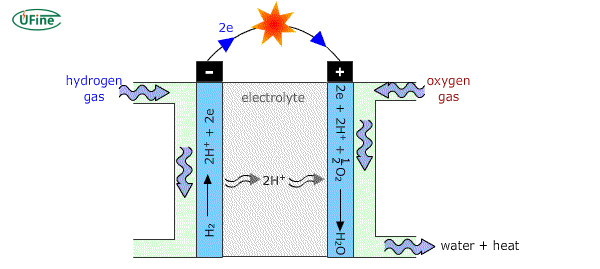
At a basic level, hydrogen batteries operate through ion movement — similar to lithium-ion batteries but with hydrogen ions instead.
During charging:
- Hydrogen ions move toward one electrode
- Electrons flow through an external circuit
- Energy is stored chemically
During discharge, the process reverses, releasing stored energy.
But here’s where things get interesting.
Hydrogen ions are much smaller than lithium ions. This allows:
- Faster ion mobility
- Potentially faster charging
- Lower material stress
- Longer cycle life (in theory)
However, smaller ions also create engineering challenges. Hydrogen can diffuse into materials, causing degradation over time. That’s one reason hydrogen battery technology is still evolving.
The beauty of hydrogen fuel cells lies in their efficiency and environmental friendliness. Unlike conventional combustion engines or even lithium-ion batteries, they don’t produce toxic byproducts. The only waste is water.
According to research highlighted by the U.S. Department of Energy, hydrogen-based storage technologies are advancing rapidly, but durability and cost remain key challenges.
Part 3. Hydrogen battery vs hydrogen fuel cell
One of the biggest sources of confusion is the difference between a hydrogen battery and a hydrogen fuel cell.
They both involve hydrogen, but they work very differently.
| Feature | Hydrogen battery | Hydrogen fuel cell |
|---|---|---|
| Energy storage | Yes | No |
| Rechargeable | Yes | No (requires refueling) |
| Hydrogen storage | Internal or chemical | External tank |
| Charging method | Electrical charging | Hydrogen refueling |
| Typical use | Electronics, storage | Vehicles, infrastructure |
A hydrogen fuel cell generates electricity from hydrogen gas. A hydrogen battery, on the other hand, stores electricity, just like lithium-ion.
This distinction matters because it affects how practical each technology is. Fuel cells require hydrogen infrastructure, while hydrogen batteries can potentially fit into existing battery systems.
That’s why researchers are increasingly interested in hydrogen battery technology as a more practical transition path.
Part 4. Hydrogen battery vs lithium-ion battery
This is the comparison most people care about: Could hydrogen batteries replace lithium-ion?
The honest answer: not yet — but possibly in specific applications.
| Factor | Hydrogen battery | Lithium-ion battery |
|---|---|---|
| Energy density | Potentially higher | Mature and reliable |
| Safety | Potentially safer (water-based electrolytes) | Thermal runaway risk |
| Cost | Currently high | Economies of scale |
| Technology maturity | Early-stage | Highly mature |
| Charging speed | Potentially faster | Moderate to fast |
Lithium-ion batteries have a massive advantage: maturity.
Decades of manufacturing, supply chains, and engineering improvements make lithium-ion hard to beat in the short term.
But hydrogen batteries may offer long-term advantages in:
- Grid storage
- Aerospace
- Heavy transportation
- Long-duration energy storage
These are areas where weight, safety, and energy density matter more than cost alone.
Part 5. Hydrogen battery technology advantages
1. Zero Emissions
As the world grapples with the urgent need to reduce carbon emissions and curb global warming, hydrogen batteries shine as a clean energy source. When used in vehicles or stationary power systems, they produce no emissions—only water vapor—making them an environmentally responsible choice.
Given the push for carbon neutrality in many industries, hydrogen batteries offer a tangible solution to the pressing problem of air pollution and greenhouse gas emissions.
2. Fast Refueling Times
One of the most exciting aspects of hydrogen batteries is their quick refueling time. While it can take hours to recharge lithium-ion batteries, hydrogen fuel cells can be refueled in just 3 to 5 minutes. This is crucial for applications like transportation, where refueling speed can make or break the practicality of an energy solution. The ability to refuel quickly makes hydrogen-powered vehicles, such as cars, buses, and trucks, far more convenient than electric vehicles, where charging stations are still limited and take much longer.
3. High Energy Density
Hydrogen has a high energy density, meaning that hydrogen fuel cells can store a significant amount of energy in a compact form. This is particularly beneficial in sectors like transportation, where long range and weight efficiency are critical.
For example, hydrogen-powered vehicles can travel hundreds of miles on a single refuel, far outpacing many battery electric vehicles (BEVs) that are limited by the size of their lithium-ion battery packs.
4. Long Lifespan and Durability
Hydrogen batteries have a longer lifespan than traditional batteries. They can withstand more charge-discharge cycles and maintain their performance over a greater number of years. This makes them particularly appealing for heavy-duty applications, such as electric buses and large trucks, which require more durability.
A few years ago, hydrogen batteries were mostly academic. Now, they’re appearing in real-world discussions.
This shift is happening for several reasons.
First, lithium supply concerns are growing. Mining, cost volatility, and geopolitical factors are pushing companies to explore alternatives.
Second, renewable energy storage is becoming more important. Solar and wind need long-duration storage — something hydrogen-based systems may handle well.
Third, safety concerns around lithium-ion batteries continue to drive innovation. Hydrogen battery designs using water-based electrolytes could reduce fire risks.
The International Energy Agency has also highlighted hydrogen as a key component of future clean energy systems, which indirectly supports hydrogen battery research.
Part 6. Where hydrogen batteries could actually win
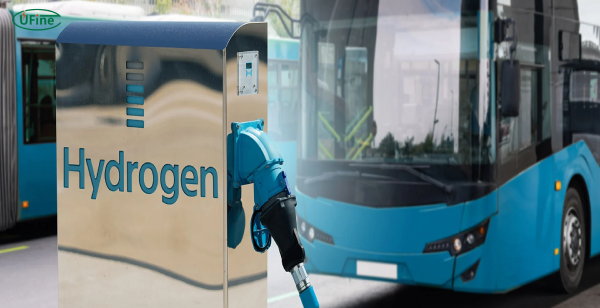
As the world pushes for renewable energy solutions and a transition away from fossil fuels, hydrogen batteries are becoming increasingly relevant. They are already being deployed in several key sectors:
1. Transportation (Hydrogen Vehicles)
Hydrogen-powered vehicles are a clean alternative to traditional gasoline and diesel cars. Companies like Toyota, Hyundai, and Honda have already launched hydrogen-powered cars, which offer zero-emission driving with the same range and refueling convenience as conventional vehicles. Hydrogen fuel cells can power everything from light-duty cars to heavy trucks.
Hydrogen buses and trains are also being deployed in various parts of the world, including Europe and Asia, as part of efforts to reduce transportation emissions. In regions where electric vehicle charging infrastructure is still underdeveloped, hydrogen vehicles offer a strong alternative.
2. Energy Storage and Backup Power
Hydrogen batteries also offer a game-changing solution for energy storage. For renewable energy sources, such as solar and wind, which can be intermittent, hydrogen fuel cells provide a means of storing excess energy when the wind is blowing or the sun is shining and releasing it when demand is higher or production is low.
In addition, hydrogen fuel cells are being used for backup power in homes, businesses, and remote locations. As power outages become more frequent, especially with climate-related disruptions, hydrogen-powered generators can provide reliable, sustainable electricity.
3. Industrial and Commercial Use
Beyond vehicles and backup power, hydrogen batteries are increasingly being considered for industrial applications. This includes off-grid energy solutions, warehouse logistics, and even data centers that require high reliability and clean energy.
Hydrogen batteries are unlikely to replace lithium-ion everywhere. But there are a few scenarios where they make real sense:
- Long-duration energy storage
- Aerospace and aviation
- Remote infrastructure
- Renewable energy storage
In these situations, energy density, safety, and longevity matter more than upfront cost.
For example, imagine a remote solar installation in a harsh environment. A safer, long-lasting hydrogen battery could reduce maintenance visits and improve reliability. That’s not just technical value — it’s operational value.
Part 7. Challenges slowing hydrogen battery adoption
Despite the promise, hydrogen battery technology still faces real obstacles.
- Material durability issues
- High development costs
- Limited commercialization
- Lack of manufacturing scale
These are not small problems. They’re the same kinds of challenges lithium-ion batteries faced decades ago.
But history suggests something important: battery technologies often take years — sometimes decades — to mature.
Hydrogen batteries may be following the same path.
Part 8. The future of hydrogen battery technology
Right now, hydrogen batteries sit somewhere between research and early commercialization.
Some prototypes show impressive performance, but large-scale manufacturing is still limited.
Still, momentum is building. Universities, startups, and major companies are investing in hydrogen storage research.
You may not see hydrogen batteries in your phone next year. But you might see them first in:
- Grid storage projects
- Industrial energy systems
- Aviation applications
And once a technology proves itself in niche applications, it often expands quickly.
That’s exactly what happened with lithium-ion.
Part 9. FAQs
1. Are hydrogen batteries safer than lithium-ion batteries?
Hydrogen batteries can potentially be safer, especially when using water-based electrolytes. These designs may reduce the risk of thermal runaway and fire hazards commonly associated with lithium-ion batteries. However, safety depends heavily on battery design and materials.
2. Why are hydrogen batteries not widely used yet?
Hydrogen battery technology is still developing. Challenges include material durability, manufacturing costs, and limited industrial-scale production. As research improves and costs decrease, wider adoption may follow.
3. Can hydrogen batteries work in extreme temperatures?
Some hydrogen battery designs show promise in extreme temperatures. Water-based or advanced solid-state electrolytes may improve performance in cold or hot environments, but real-world testing is still ongoing.
4. Do hydrogen batteries require hydrogen gas?
Not always. Many hydrogen batteries store hydrogen ions within materials rather than using hydrogen gas. This makes them more compact and potentially safer than hydrogen fuel cell systems.
5. How long could hydrogen batteries last?
Hydrogen batteries may offer longer cycle life due to reduced electrode stress. However, long-term durability still depends on material stability and manufacturing quality.
6. Are hydrogen batteries environmentally friendly?
Hydrogen batteries have the potential to be more environmentally friendly, especially if they use abundant materials and avoid rare metals. However, overall sustainability depends on production methods and lifecycle management.
Related Tags:

More Articles

Comparative Analysis: 14500 Battery Vs. 18650 Battery
Compare 14500 vs 18650 batteries by size, voltage, capacity, runtime, discharge current, charging, safety, and applications to choose the right cell.
12V Lithium-Ion What Voltage at Fully Charged and Why Your Battery Might Not Reach It
Check the 12V lithium battery voltage chart for 3S Li-ion and 4S LiFePO4. Learn full charge, resting voltage, charger limits, and fault checks.
LiFePO4 Voltage Chart Guide: Everything You Need to Know
Check the LiFePO4 voltage chart for 3.2V, 12V, 24V and 51.2V batteries. Compare SOC, charging voltage, cutoff limits and internal resistance.
Lithium Ion Cell Sizes: A Comprehensive Guide
Compare lithium ion cell sizes with a chart of dimensions, capacity ranges, cell types, applications, and key factors for selecting the right battery.
6 Volt Tractor Battery vs 12 Volt: Which One Fits Your Farm Equipment Best?
Compare 6V and 12V tractor batteries. Learn which voltage fits vintage or modern tractors, which specifications matter, and how to convert safely.


