- Part 1. What big square battery type is best for my device?
- Part 2. What voltage big square battery should I choose for my EV or solar system?
- Part 3. How to choose a big square battery with enough current for my device?
- Part 4. What big square battery capacity (Ah) is right for my use?
- Part 5. How to pick the right size and shape big square battery?
- Part 6. What battery chemistry is best for my big square battery?
- Part 7. How to match terminals and connectors on a big square battery?
- Part 8. How to calculate runtime for a big square battery?
- Part 9. FAQs about big square batteries
Choosing the right big square battery for your EV, solar system, or mobility device isn’t just about technical specs. It’s about solving real problems. This guide helps you make decisions that actually fit your devices and lifestyle.
Part 1. What big square battery type is best for my device?
Many users start with: “Which big square battery is compatible with my device without causing problems?”
Scenario: You own an EV, RV fridge, mobility scooter, or solar backup system. You need reliable, long-lasting power without taking up too much space.
Step to decide:
- Check your device’s required voltage (12V, 24V, 48V)
- Measure available battery compartment dimensions
- Estimate daily energy needs in amp-hours (Ah)
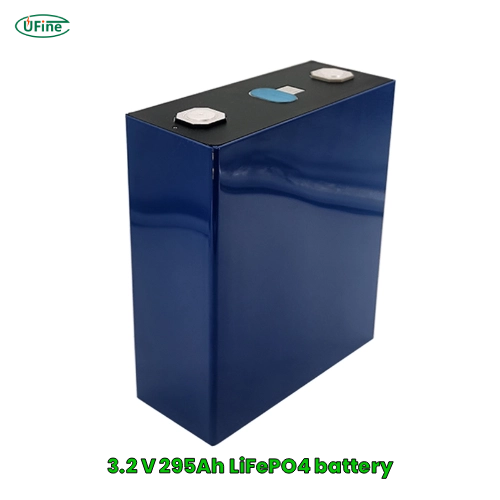
Example: A 3.2 V 295Ah LiFePO4 battery delivers multi-day solar backup. Ufine Battery also provides customized big square battery solutions if your device has unusual dimensions or voltage requirements.
Part 2. What voltage big square battery should I choose for my EV or solar system?
Voltage mismatch is a common mistake. “Can I use a higher or lower voltage battery?” Usually, no.
Scenario: Your 12V RV fridge is accidentally paired with a 24V battery—damage may occur.
Decision tips:
- Confirm your device voltage on the manual or label
- Select a battery with matching voltage or a modular system for series connection
- Avoid converters unless necessary
Example: Modular LiFePO4 batteries can be stacked to reach 24V or 48V for EVs and solar arrays. Ufine can customize voltage and series configurations for non-standard setups.
Part 3. How to choose a big square battery with enough current for my device?
High-current capability is critical for motors or industrial equipment.
Scenario: Mobility scooters, water pumps, or industrial motors require continuous high current.
Step to decide:
- Find the device’s maximum current draw
- Compare with battery continuous discharge rating
- Select a battery with a 20–30% safety margin
Example: High-current LiFePO4 batteries from Ufine, Battle Born, or RELiON provide steady power for EVs or heavy-duty industrial machines.
Part 4. What big square battery capacity (Ah) is right for my use?
Instead of abstract numbers, ask: “How long do I want my devices to run?”
Scenario: You want your RV fridge, solar system, or backup devices to last overnight or several days.
Step-by-step:
- List devices and their current draw
- Estimate daily runtime
- Calculate capacity: Runtime (hours) = Battery Capacity (Ah) ÷ Device Current (A)
- Add 20–30% extra for safety or future expansion
Example: A 5A device running 8 hours needs 40Ah. Ufine can customize capacity to meet specific runtime requirements.
Part 5. How to pick the right size and shape big square battery?
Physical compatibility is as important as electrical specs.
Scenario: Your EV, mobility scooter, or industrial device has limited battery space.
Step:
- Measure compartment dimensions (length, width, height)
- Check connector type and orientation
- Ensure space for ventilation or cooling
Example: Modular designs from Ufine or Renogy fit tight spaces. For unusual dimensions, Ufine offers custom-sized solutions.
Part 6. What battery chemistry is best for my big square battery?
Battery chemistry affects weight, lifespan, maintenance, and cost.
Scenario: EV owners prioritize lightweight, fast-charging batteries. Solar users focus on long cycle life. Backup systems may prefer cost-effective options.
Guide:
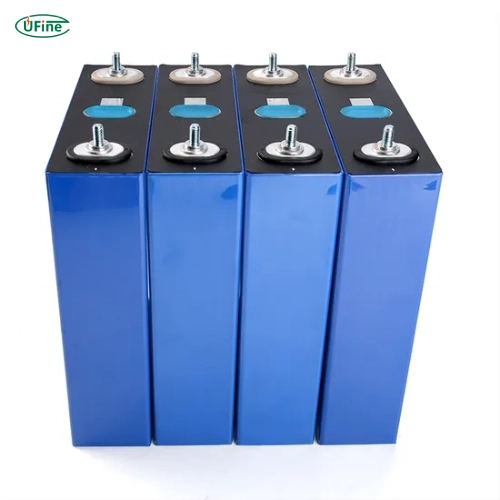
- LiFePO4 / Lithium-ion: Lightweight, long-lasting, fast-charging – ideal for EVs and solar storage
- AGM: Maintenance-free, durable – suitable for backup systems
- Lead-acid: Budget-friendly, heavier – for occasional use
Example: EVs often use LiFePO4; backup power may use AGM. Ufine can customize chemistry and configuration for your specific device.
Part 7. How to match terminals and connectors on a big square battery?
Correct connectors ensure safe installation and reliable operation.
Scenario: Inverters, pumps, or EVs may use bolt-on, spade, or Anderson plug connectors.
Step:
- Identify your device connector type
- Match battery terminals or use a safe adapter
- Verify cable thickness for high-current devices
Example: Many Ufine batteries come with flexible connector options and can be customized for unusual terminal setups. Other brands like Victron or RELiON also offer versatile terminal designs.
Part 8. How to calculate runtime for a big square battery?
Knowing runtime helps plan energy use and avoid running out of power unexpectedly.
Scenario: You’re planning an off-grid solar trip or long RV journey.
Step-by-step:
- Determine total device current draw
- Use formula: Runtime = Battery Capacity ÷ Device Current
- For lead-acid batteries, use only ~80% capacity to prevent over-discharge
- Add extra margin for safety or unexpected use
Example: A 100Ah battery powering a 5A device lasts ~20 hours. High-capacity LiFePO4 batteries provide multi-day operation without frequent recharging.
Part 9. FAQs about big square batteries
Can I use a higher capacity battery than my device needs?
Yes, it increases runtime and is generally safe with lithium batteries.
Can I use a 24V battery on a 12V device?
No. Only use a step-down converter if voltage differs.
What does Ah mean in batteries?
Ah (amp-hours) measures how much current a battery can supply over time.
How do I know when to replace my big square battery?
Replace when runtime drops significantly or battery cannot hold charge.
Are lithium big square batteries worth the investment?
Yes. They are lightweight, fast-charging, long-lasting, and cost-effective over time. Ufine can provide customized big square battery solutions tailored to your device or application.
Related Tags:

More Articles

고방전 배터리는 높은 전류와 발열로 배터리수명이 줄어듭니다. 구조적 한계, 사용 패턴, 충전 습관 등 실제 수명 단축 요인을 체계적으로 분석했습니다.
Capacitor vs Battery: What is the Difference?
Capacitor vs battery explained in detail. Learn the difference between capacitor and battery in energy storage, charging speed, lifespan, and real applications.
18650 Battery vs AA: Which Is Better for Your Device?
Compare 18650 vs AA batteries in capacity, voltage, rechargeability, and applications. Learn which battery type fits high-drain or everyday devices.
What is the Difference Between Battery Cell, Battery Control Module, and Battery Pack?
Compare battery cells, modules, and packs. Learn functions, design differences, control modules, and selection tips for EV, ESS, and industrial use.
How to Prevent LiPo Battery Explosion?
Can LiPo batteries explode or catch fire? Learn key causes of LiPo battery fires and proven charging, storage, and handling tips to reduce explosion risk.