
- Key Takeaways
- Part 1. What is a 12V lithium car battery
- Part 2. How long does the 12 V lithium car battery last?
- Part 3. Can a 12V lithium battery start a car
- Part 4. 12V lithium vs lead-acid: Real-world comparison
- Part 5. Cold weather performance: The real limitation
- Part 6. Is a 12V lithium car battery worth the cost
- Part 7. FAQs
For decades, the standard 12V car battery hasn’t changed much. It’s heavy, it degrades quickly, and sooner or later, it leaves you stranded at the worst possible time.
But recently, 12V lithium car batteries have started gaining attention — not just in racing or high-performance vehicles, but also in everyday cars, RVs, and off-grid systems.
So naturally, you might be wondering:
Is a 12V lithium car battery actually better?
Can you replace your current battery?
Will it work in cold weather?
And most importantly — is it worth the cost?
Let’s walk through this step-by-step.
Key Takeaways
- 12V lithium car batteries are significantly lighter and last much longer than lead-acid batteries
- Not all lithium batteries are suitable for starting engines — CCA matters
- Cold weather performance is one of the biggest considerations before switching
- Most vehicles can use a 12V lithium ion car battery, but compatibility should be checked
- Although more expensive upfront, lithium batteries often cost less over time
Part 1. What is a 12V lithium car battery
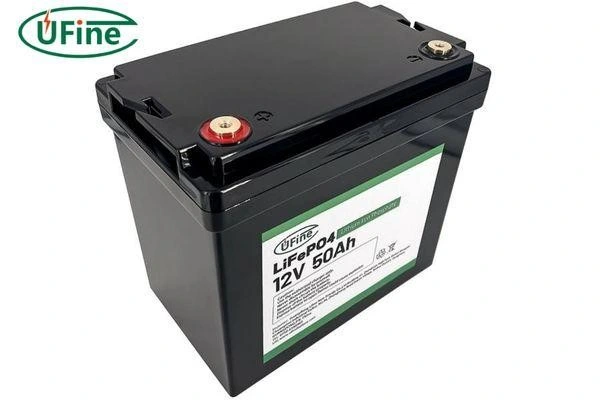
A 12V lithium car battery is a rechargeable battery that uses lithium-based chemistry instead of traditional lead-acid technology. Unlike conventional automotive batteries, lithium versions rely on advanced battery management systems (BMS) and higher energy density cells.
That difference may sound technical, but in practice, it changes how your car battery behaves every day.
For example, if you’ve ever struggled to lift a lead-acid battery out of your car, you’ll immediately notice the weight difference. A typical 12 volt lithium ion car battery can weigh 50–70% less than its lead-acid counterpart. That alone is why they’re popular in performance vehicles and off-road builds.
But weight isn’t the only difference. Lithium batteries also maintain stable voltage longer, which means your electronics, ignition, and accessories perform more consistently — especially in modern vehicles filled with sensitive electronics.
Types of lithium car batteries
Not all lithium batteries are the same. In fact, chemistry plays a big role in performance, safety, and lifespan.
Here’s a simplified comparison:
| Type | Advantages | Best For |
|---|---|---|
| LiFePO4 | Safe, long lifespan | Most automotive uses |
| NMC | High energy density | Performance vehicles |
| LTO | Extreme lifespan | Specialty applications |
LiFePO4 is currently the most popular choice for 12V lithium car battery applications because it balances safety, longevity, and performance.
Part 2. How long does the 12 V lithium car battery last?

A 12 volt lithium car battery can last up to 3 to 5 years. If used with extra care, it can last 5 to 7 years. A 12 volt lithium polymer car battery (LiPO) battery provides a lifespan of around 300 to 500 charge cycles. After completing its charge cycles, it starts to lose efficiency.
Whereas, a 12 volt lithium car battery (LIFePO4) provides more than 2000 charge cycles. So you will not have to replace the battery frequently. Several factors contribute to the life of a 12 volt lithium battery.
- Charging cycles: The primary factor affecting a lithium battery’s lifespan is the many charging cycles it goes through.
- Depth of discharge: Always aim to stay between 50% to 100% battery level because deep discharge can shorten the battery life.
- Extreme temperatures: A normal temperature guarantees a long lifespan of the 12 volt lithium car battery. Excessive heat or cold can damage the battery and reduce its lifespan.
Part 3. Can a 12V lithium battery start a car
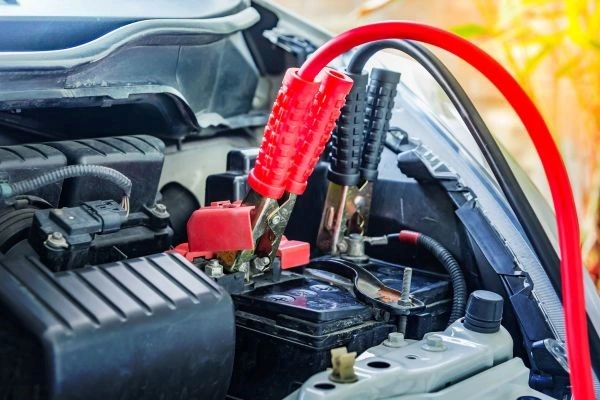
This is where things get more nuanced.
Not all lithium batteries are designed to start engines. Some are built for deep-cycle applications like RVs or solar storage, not high-current engine starting.
What matters most is CCA — Cold Cranking Amps.
When choosing a 12V lithium car battery, understanding starting power is critical — especially the difference between MCA vs CCA, which directly affects cold-start performance.
A proper 12V lithium car battery designed for starting applications can deliver extremely high burst current, sometimes exceeding traditional lead-acid batteries.
However, if you accidentally choose a deep-cycle lithium battery instead, it may struggle to start your vehicle — especially in colder weather.
So when choosing a 12V lithium ion car battery, pay attention to:
- CCA rating
- Peak discharge current
- Starting battery vs deep cycle design
These factors matter far more than capacity alone.
Part 4. 12V lithium vs lead-acid: Real-world comparison
If you are thinking of installing a 12v lithium battery for your car. In that case, it means you will get some compelling benefits with this change. Compared to a traditional 12 volt lead acid battery, a 12 volt lithium car battery is improved in almost every aspect. Here are the key differences between the two batteries.
1. Improved fuel efficiency
Lithium ion batteries come with high energy storage compared to traditional lead-acid batteries. A 12 volt lithium car battery is 60% lightweight. That means you will make your car lightweight and will get some good fuel mileage.
2. Increased performance and power delivery
Not only do lithium batteries improve fuel efficiency, but they also provide high torque and stable performance on the road. With the high and constant energy of a 12v lithium battery car computers and electrical instruments will perform at their peak.
3. Better suited for extreme weather conditions
The primary purpose of a car is to crank the engine to give it starting power. But it becomes hard to start the car in cold weather. A traditional lead acid battery has lower cold cranks. However, a new advanced 12 volt lithium car battery has high cold cranks and high energy density, making it easier to start the car in cold weather.
4. Reduced maintenance requirements
Installing lithium car battery 12v means getting rid of frequent topping up of fluids like lead-acid battery needs. Once you have installed a lithium battery in a car, you will not need to worry about maintaining the battery for many years.
Rather than just listing advantages, let’s compare how these batteries behave in everyday use.
| Feature | 12V Lithium Car Battery | Lead-Acid Battery |
|---|---|---|
| Weight | Very light | Heavy |
| Lifespan | 5–10 years | 2–4 years |
| Charging Speed | Fast | Slow |
| Maintenance | None | Sometimes required |
| Voltage Stability | High | Drops over time |
| Cost | Higher upfront | Lower upfront |
In real driving scenarios, lithium batteries feel more consistent. Your car starts more reliably, electronics behave more smoothly, and you’re less likely to deal with sudden battery failure.
That reliability alone is often why people switch.
Can you replace a lead-acid battery with lithium
This is usually the first real question people ask. And the answer is: Yes, but with a few considerations.
Most vehicles can technically run on a 12 volt lithium ion automotive battery, but compatibility depends on how your vehicle charges the battery. Traditional alternators were designed around lead-acid chemistry, which tolerates a wider charging range.
Lithium batteries, on the other hand, prefer more controlled charging.
Most alternators charge between 13.8V and 14.7V, which is acceptable for many lithium batteries — especially LiFePO4 designs — but not all. That’s why modern lithium car batteries often include built-in BMS protection to regulate charging.
If you’re unsure, it’s always worth checking your vehicle’s charging profile.
Still, in most real-world scenarios, switching to a lithium battery car setup is simpler than many people expect.
If you’re still deciding between technologies, this LiFePO4 vs lead acid comparison explains the real-world differences in lifespan, efficiency, and long-term cost.
Part 5. Cold weather performance: The real limitation
Lithium batteries behave differently in low temperatures. While they can usually discharge (start your car) in cold weather, charging below freezing can be restricted.
For example, many LiFePO4 batteries should not be charged below 0°C (32°F) without protection.
Fortunately, newer 12 volt lithium ion automotive battery models include:
- Low-temperature cut-off
- Self-heating features
- Advanced BMS systems
If you live in colder climates, this becomes an important factor when choosing a lithium battery.
Cold weather is another key factor — especially since lithium batteries may experience reduced capacity at low temperatures, as explained in this guide on do lithium batteries freeze.
Part 6. Is a 12V lithium car battery worth the cost
At first glance, lithium batteries seem expensive. But the real story becomes clearer when you consider lifespan.
Lead-acid battery:
- $120 average
- 3 years lifespan
Lithium battery:
- $350 average
- 8 years lifespan
When you calculate cost per year, lithium batteries often end up cheaper over time.
Plus, you avoid unexpected failures — which, honestly, is hard to put a price on when you’re stuck in a parking lot late at night.
When a lithium car battery makes the most sense
A lithium car battery 12V upgrade makes the most sense if:
- You want long lifespan
- You use many accessories or electronics
- You want weight reduction
- Your vehicle sits unused for long periods
Interestingly, lithium batteries also hold charge longer, which makes them ideal for vehicles that aren’t driven daily — like RVs, project cars, or seasonal vehicles.
Part 7. FAQs
How long can a 12V lithium car battery sit without being used?
One major advantage of lithium batteries is low self-discharge. A 12V lithium car battery can often sit for 6–12 months without significant power loss, making it ideal for seasonal vehicles and backup applications.
Do lithium car batteries improve fuel efficiency?
In most standard vehicles, fuel savings are small. However, because lithium batteries are much lighter, performance cars and racing vehicles may see slight efficiency and handling improvements.
Can a 12V lithium car battery be installed in any vehicle?
Not always. While many vehicles support lithium batteries, some cars with advanced charging systems or start-stop technology may require lithium batteries specifically designed for those applications.
Do 12V lithium car batteries require maintenance?
No. Unlike traditional lead-acid batteries, lithium batteries are maintenance-free. There’s no need to check water levels or worry about corrosion buildup.
How long does it take to charge a 12V lithium car battery?
Lithium batteries charge much faster than lead-acid. In many cases, they can reach 80% charge in under one hour, depending on alternator output and battery capacity.
Related Tags:

More Articles

The Ultimate Guide to Small Size Battery
Learn small battery types, sizes, and applications. Compare lithium, alkaline, and coin cells. Find the best small size battery for your device or project.
Lithium Battery Comparison: Soft Pack Vs. Hard Pack
Compare soft pack vs hard pack lithium battery. Understand structure, safety, energy density, and applications to choose the right battery.
What Size are 18650 Batteries?
Learn exact 18650 battery dimensions (18mm × 65mm), tolerances, and pack configurations. Compare 18650 size with 21700 and others for better battery selection.
The Ultimate Guide to Battery Terminal Clamps
Learn battery terminal clamps, including types, materials, installation, and how to choose the right battery clamp for car and industrial use.
What Is a Lithium-Ion Battery Pack?
Learn what a lithium ion battery pack is, how it works, key components, configurations, and real-world applications for industrial and commercial use.


