- Key Takeaways
- Part 1. Why choosing a small lithium battery is harder than it looks
- Part 2. Types of small lithium batteries
- Part 3. Choosing the right small lithium battery
- Battery Run Time
- Part 4. What affects small lithium battery performance
- Part 5. Hidden constraints most buyers overlook
- Part 6. Why work with Ufine Battery for small lithium batteries
- Part 7. FAQs
Small lithium batteries are everywhere — inside earbuds, smart sensors, laptops, wearables, and medical devices. Yet when you actually start looking for a small lithium battery, the options can feel confusing. You’ll see terms like small Li‑ion battery, small lithium polymer battery, or even smallest rechargeable battery, and it’s not always clear which one fits your project.
This guide walks you through how to choose the right small size lithium battery, what affects performance, and how to avoid common mistakes. Whether you’re designing a device or sourcing components, you’ll leave with a clearer path forward.
Key Takeaways
- Small lithium batteries come in multiple chemistries, including Li‑ion, lithium polymer, and LiFePO4 — each suited for different applications
- The smallest rechargeable battery is not always the best choice; capacity, discharge rate, and lifespan matter more
- Lithium polymer batteries are ideal for ultra‑thin or custom‑shaped devices
- Cylindrical small Li‑ion batteries often offer better stability and lifecycle
- Size, voltage, and current requirements should guide your selection — not just dimensions
Part 1. Why choosing a small lithium battery is harder than it looks
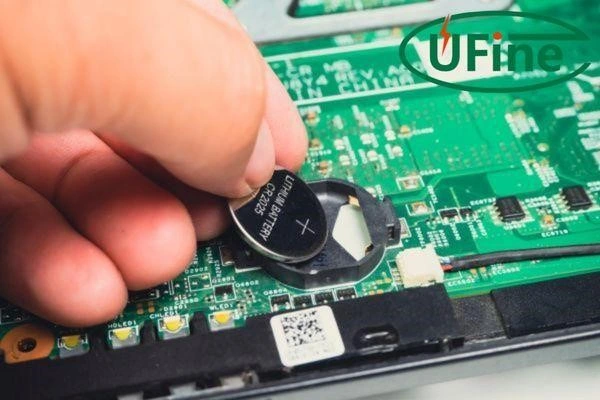
Let’s say you’re designing a smart tracker. The device is compact, so you naturally search for a small lithium battery.
You find two options:
- 300 mAh ultra-thin lithium polymer battery
- 500 mAh small Li-ion battery (slightly thicker)
At first glance, the smaller one looks perfect. But once the device transmits data, the voltage drops. The tracker randomly resets. Suddenly, your “perfect” battery becomes a problem.
This happens all the time.
Small batteries behave differently because:
- Less thermal mass (they heat up faster)
- Higher internal resistance
- More sensitive to peak current
- Faster voltage drop under load
So when selecting a small lithium ion battery, you’re not just choosing size — you’re balancing performance constraints.
Part 2. Types of small lithium batteries
When you search for a small lithium battery, you’ll typically encounter three main types:
1 Small lithium-ion battery (cylindrical or prismatic)
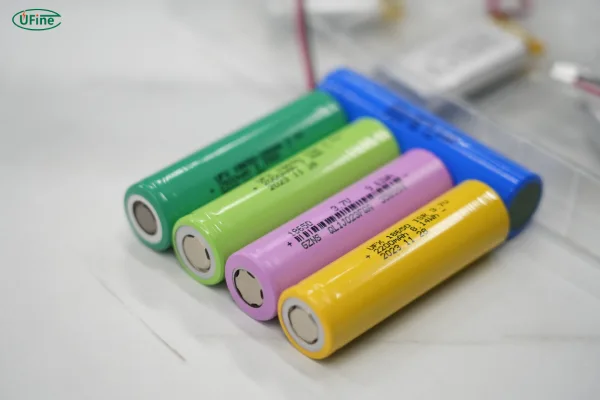
These are the most common small Li‑ion batteries used in electronics. They offer reliable performance, good energy density, and strong cycle life.
For example, 18650 and 14500 cells are technically small lithium batteries, though not always the smallest. However, mini cylindrical cells like 10440 or 10180 are often used when space is limited.
They are commonly used in:
- Portable electronics
- Flashlights
- Small robotics
- Compact industrial devices
2 Small lithium polymer battery
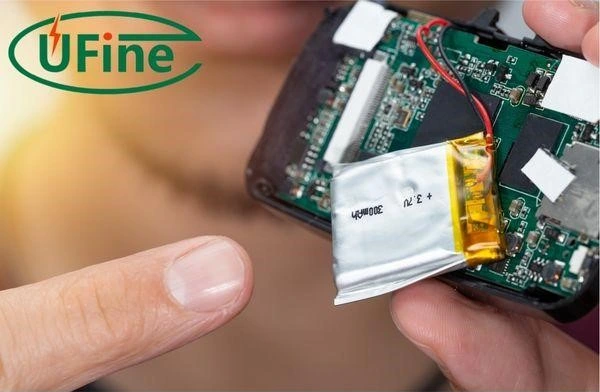
If your device needs a small size lithium battery with flexible dimensions, lithium polymer batteries are often the best option. These batteries can be made ultra‑thin or custom‑shaped, making them ideal for compact electronics.
You’ll often find small lithium polymer batteries in:
- Smart wearables
- Bluetooth devices
- GPS trackers
- IoT sensors
3 Smallest rechargeable battery options
When searching for the smallest rechargeable battery, coin‑style lithium batteries and micro Li‑ion cells often come into play. However, these ultra‑small batteries typically sacrifice capacity.
That means you’ll need to balance size and runtime carefully. In many cases, choosing a slightly larger small lithium ion battery dramatically improves performance.
Small lithium battery comparison
| Battery Type | Size Flexibility | Energy Density | Discharge Capability | Best Use Case |
|---|---|---|---|---|
| Small Li-ion cylindrical | Low | High | High | Stable long-term devices |
| Small lithium polymer battery | Very high | High | Medium | Thin compact devices |
| Micro lithium battery | Medium | Medium | Low | Ultra-small electronics |
| Ultra-thin lithium battery | Very high | Medium | Low | Wearables |
Part 3. Choosing the right small lithium battery
Instead of focusing only on size, consider the full picture. Start by asking yourself a few practical questions.
First, how much space do you actually have? Designers often underestimate how much room is needed for protection circuits and connectors. A small lithium battery might look compact on paper, but the full pack can be larger.
Second, how much current does your device require? A laptop small battery or compact computing device may need bursts of high current. In that case, selecting a battery with a higher discharge rate becomes essential.
Finally, how long should the device run? If runtime is critical, choosing the smallest rechargeable battery might not be practical.
Estimate battery runtime using our online calculator:
Example battery selection by application
| Application | Battery Type | Capacity Range | Key Priority |
|---|---|---|---|
| Wearables | Small lithium polymer battery | 50–500 mAh | Thin profile |
| IoT sensors | Small Li-ion battery | 200–2000 mAh | Long standby |
| Laptop small battery | Small lithium-ion pack | 1000–5000 mAh | High current |
| Medical devices | Small lithium battery | 100–1000 mAh | Reliability |
Part 4. What affects small lithium battery performance
Even among small lithium batteries, performance varies widely. Several factors play an important role.
Battery chemistry is one of the biggest differences. Some small lithium ion batteries prioritize energy density, while others focus on safety and lifespan. Lithium polymer batteries often allow more flexibility, but they may require careful handling.
Temperature also matters. Small batteries heat up faster due to limited space for thermal dissipation. If your device operates in extreme environments, you’ll need to select a battery designed for high or low temperatures.
Another factor is cycle life. If your device charges daily, choosing a battery with longer cycle life can significantly reduce long‑term cost.
Part 5. Hidden constraints most buyers overlook
One of the biggest issues with small lithium batteries is internal resistance.
Smaller cells typically have higher resistance, which leads to:
- Voltage drops
- Heat buildup
- Reduced efficiency
Another hidden factor is protection circuitry.
Even the smallest small lithium battery often requires:
- Overcharge protection
- Over-discharge protection
- Short-circuit protection
These components take up space — something many designers forget.
Temperature is another challenge. Small batteries struggle in:
- Low temperature environments
- High temperature electronics
Choosing the right small size lithium battery often means selecting a battery designed for extreme conditions.
Part 6. Why work with Ufine Battery for small lithium batteries
If you’re sourcing a small lithium battery for a compact device, working with an experienced manufacturer can make a big difference. Ufine Battery specializes in custom small lithium batteries designed for space-constrained applications.
Unlike off-the-shelf batteries, Ufine focuses on tailored solutions. Whether you need a small lithium polymer battery for a wearable, a small Li-ion battery for an IoT device, or a small size lithium battery for industrial equipment, their engineering team can adjust size, capacity, voltage, and discharge rate based on your device requirements.
Ufine Battery also offers:
- Custom ultra-small lithium batteries
- High-rate small lithium batteries
- High and low temperature battery solutions
- Ultra-thin lithium polymer batteries
This flexibility is especially helpful when standard batteries simply don’t fit your design. Instead of redesigning your device around a battery, you can design a battery around your product — which is often the smarter long-term solution.
Part 7. FAQs
1. What is the smallest rechargeable lithium battery available?
The smallest rechargeable lithium batteries are usually micro lithium polymer cells or miniature cylindrical Li-ion batteries like 10180 or 10280 sizes. These batteries are extremely compact but often have limited capacity. If runtime matters, choosing a slightly larger small lithium battery is usually more practical.
2. Are small lithium batteries safe to use?
Yes, small lithium batteries are safe when designed with proper protection circuits. Most high-quality batteries include: Overcharge protection, Over-discharge protection, Short-circuit protection, Safety also depends on proper charging, temperature conditions, and battery quality.
3. How long does a small lithium battery last?
The lifespan of a small lithium battery depends on: Charge cycles, Operating temperature,Discharge rate,Battery chemistry. Typically, small lithium batteries last between 300 and 1000 charge cycles. High-quality batteries can last longer with proper usage.
4. How do I choose the right capacity for a small lithium battery?
To estimate battery capacity, consider: Device power consumption, Desired runtime, Charging frequency. For example, if your device consumes 100 mA and you want 5 hours of runtime, you’ll need at least a 500 mAh battery. However, always add 20–30% margin to ensure stable performance.
Related Tags:

More Articles

JST vs Molex: The Right Battery Connector Choice
JST or Molex for your battery? Learn how connector selection affects current, voltage drop, reliability, and device performance.
Custom Battery Pricing: Costs Manufacturers Don’t Mention
A low battery quote may not be the final cost. Discover common hidden expenses that affect custom lithium battery projects.
Battery Wire Length: Hidden Cause of Power Loss
A longer battery wire can cause voltage drop, power loss, and unstable operation. Learn how wire length affects battery performance.
How Device Sleep Modes Affect Battery Life
Think sleep mode extends battery life? Learn why devices still drain power and how firmware, hardware, and batteries affect runtime.
LiPo Battery and PCB Design: Clearance, Insulation, and Placement
Learn how to optimize LiPo battery PCB clearance, insulation, placement, wiring, and thermal design—and avoid common integration mistakes.