- Key Takeaways
- Part 1. What is a fast charging battery and how it works
- Part 2. How we tested these fast charging batteries
- Part 3. Fast charging battery comparison table
- Part 4. Best fast charging batteries for different devices
- Part 5. Fast charging battery selection guide
- Part 6. Application-based fast charging battery guide
- Part 7. Fast charging battery FAQs
Looking for a fast charging battery that reduces downtime and improves device efficiency? Whether you’re powering IoT devices, drones, or portable electronics, choosing the right fast charge battery can significantly impact performance and productivity.
This guide explains how fast charging batteries work, compares the top options available, and helps you select the best fast charging battery based on real-world applications.
Key Takeaways
- Fast charging batteries support higher C-rates (1C–2C+) for reduced downtime
- Lithium-ion and LiPo chemistries outperform NiMH for fast charging applications
- Lower internal resistance and better thermal management enable faster charging
- Balance charging speed with cycle life for long-term cost efficiency
- Application requirements (IoT, drones, embedded systems) determine optimal battery choice
Part 1. What is a fast charging battery and how it works
A fast charging battery is designed to accept higher charging currents (C-rate) without compromising safety, cycle life, or thermal stability. Unlike standard batteries, fast charge batteries use optimized materials, improved electrolytes, and advanced battery management systems (BMS) to reduce charging time.
Key factors that determine fast charging performance include:
- Charge rate (C-rate): Higher C-rate enables faster energy input
- Internal resistance: Lower resistance reduces heat generation
- Thermal management: Prevents overheating during fast charging
- Battery chemistry: Li-ion and LiPo outperform NiMH in fast charging
For example, lithium-ion batteries with optimized designs can support 1C–2C charging, while some high-rate batteries can go even higher under controlled conditions.
Part 2. How we tested these fast charging batteries
To identify the best fast charging batteries, we evaluated each model based on real-world engineering scenarios rather than just manufacturer specifications.
Our testing criteria included:
- Charging speed: Measured time from 20% to 80% capacity
- Cycle life: Performance after 300–500 charge cycles
- Thermal stability: Behavior under continuous fast charging
- Application compatibility: Suitability for IoT, drones, and embedded systems
- Safety features: Protection against overcharge, overheating, and short circuits
We also compared battery structure, connector types, and real-world usability in development boards, sensors, and portable electronics.
Part 3. Fast charging battery comparison table
| Battery | Capacity | Cycle Life | Charge Performance | Best For |
|---|---|---|---|---|
| UFine 802035 | 500mAh | 500+ | Stable fast charge | IoT devices |
| EEMB 150mAh | 150mAh | 300–500 | Fast for low load | Bluetooth devices |
| Qimoo 1000mAh | 1000mAh | 500+ | Balanced charging | Handheld devices |
| Blomiky 500mAh | 500mAh | 300+ | Quick USB charging | RC toys |
| RC Battery Depot 2000mAh | 2000mAh | 500+ | Moderate fast charge | Robotics |
Part 4. Best fast charging batteries for different devices
1Qimoo 503450 3.7V Lipo Battery 1000mAh
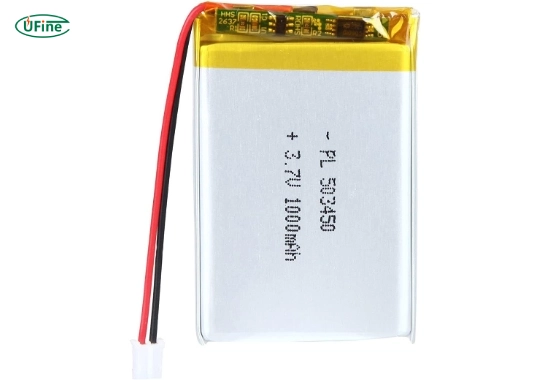
Best for: Handheld electronics and GPS devices
What we liked:
- Balanced capacity and fast charging performance
- Stable output for mid-power devices
- Easy integration with JST connector
What could be improved:
- Not ideal for ultra-compact devices
- Limited high-rate discharge capability
2EEMB 3.7V 150mAh LiPo Battery
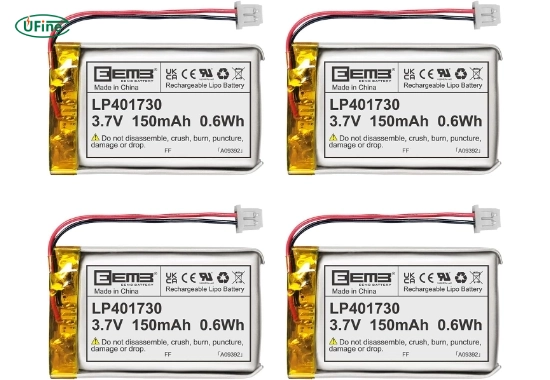
Best for: Bluetooth devices and ultra-compact electronics
What we liked:
- Very fast charging due to low capacity
- Compact size for space-constrained designs
- Reliable safety protection
What could be improved:
- Short runtime
- Not suitable for high-load applications
3UFine 3.7 V 500mAh Lithium Ion Battery 802035
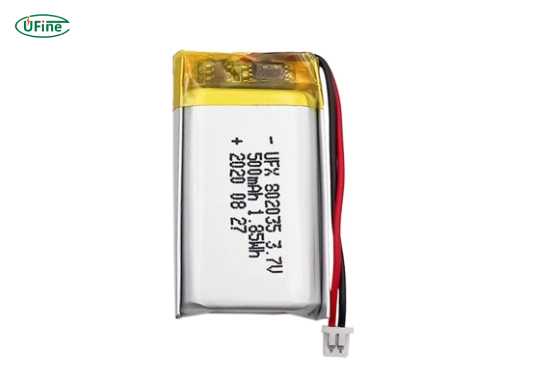
Best for: IoT devices and custom battery solutions
What we liked:
- Stable fast charging with integrated protection circuit
- Good balance between size and capacity
- Suitable for customized applications
What could be improved:
- Not optimized for ultra-high discharge applications
- Lead time may be longer for custom orders
4Blomiky 3.7V 500mAh Li-ion Battery
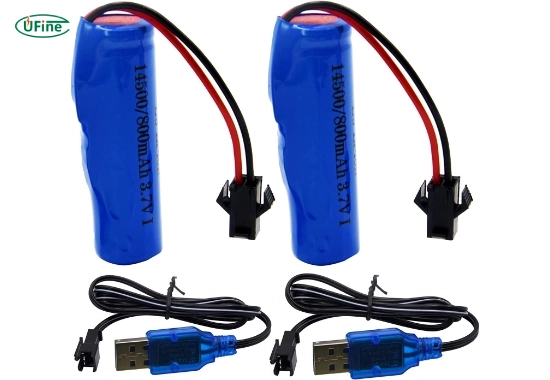
Best for: RC cars and hobby electronics
What we liked:
- Built-in USB charging for convenience
- Quick turnaround charging for hobby use
- Easy to use for beginners
What could be improved:
- Lower cycle life compared to industrial batteries
- Limited performance under continuous load
5RC Battery Depot 2000mAh LiPo Battery
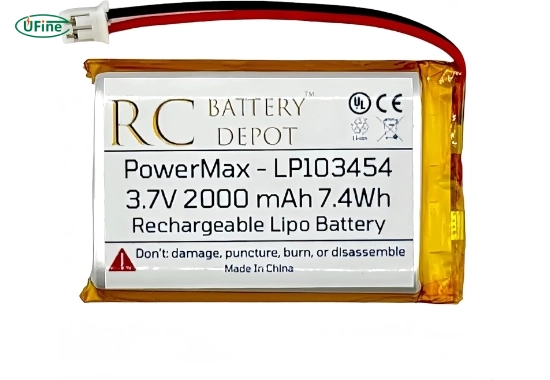
Best for: Robotics and mid-power systems
What we liked:
- High capacity with stable fast charging
- Suitable for longer runtime applications
- Compact design for integration
What could be improved:
- Longer charging time compared to small batteries
- Slightly bulkier size
6MakerFocus 2000mAh Lithium Battery
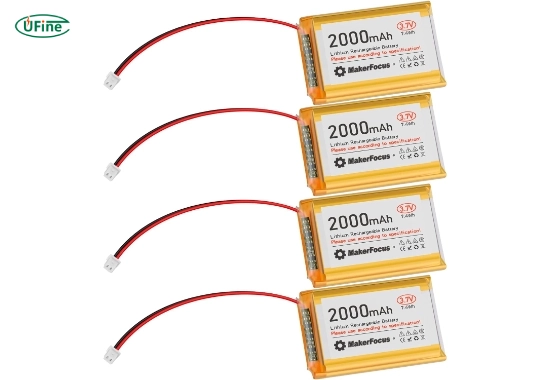
Best for: Arduino and embedded development
What we liked:
- High capacity for development boards
- Built-in protection board improves safety
- Reliable fast charging performance
What could be improved:
- Not ideal for compact devices
- Charging efficiency varies with load
7Jameco ReliaPro 500mAh LiPo Battery
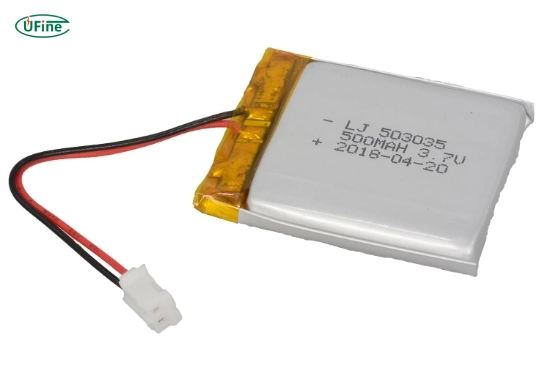
Best for: Portable electronics
What we liked:
- Reliable performance and easy integration
- Good for small-scale devices
- Consistent charging behavior
What could be improved:
- Average cycle life
- Limited high-rate charging capability
8YTKavq 850mAh LiPo Battery
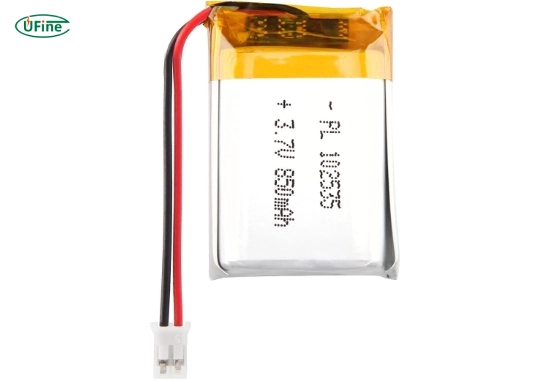
Best for: Wireless sensors and cameras
What we liked:
- Balanced size and capacity
- Fast charging for medium-load devices
- Flexible usage scenarios
What could be improved:
- Not suitable for heavy-duty use
- Moderate discharge current limit
9MakerFocus 10000mAh LiPo Battery
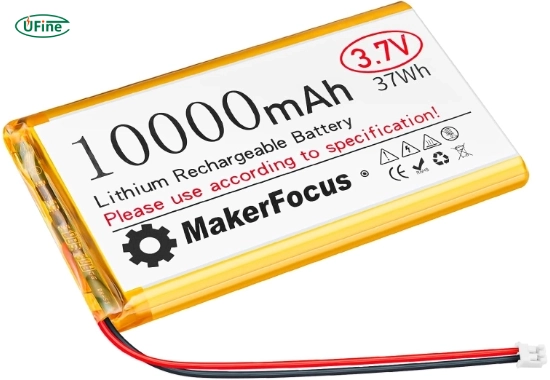
Best for: Raspberry Pi and high-demand devices
What we liked:
- Very high capacity
- Stable performance under long usage
- Supports extended runtime
What could be improved:
- Slow relative charging due to large capacity
- Bulkier size
10EEMB 2000mAh LiPo Battery
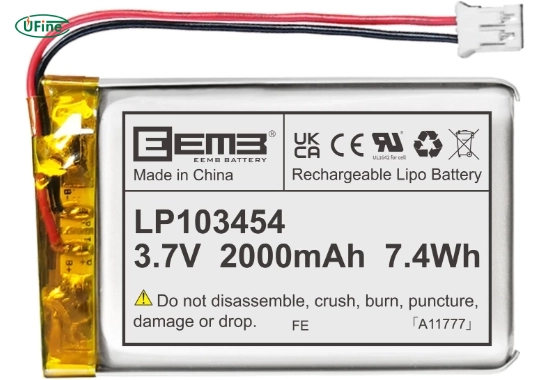
Best for: Portable speakers and electronics
What we liked:
- Good balance of capacity and charging speed
- Widely compatible
- Reliable performance
What could be improved:
- Standard performance without standout features
- Average thermal performance
Part 5. Fast charging battery selection guide
Choosing the best fast charging battery depends on your device requirements and operating conditions. Here are the key factors to consider:
- Charging speed (C-rate): Choose batteries that support higher charge rates for faster turnaround
- Capacity: Higher capacity means longer runtime but slower charging
- Device size constraints: Smaller devices require compact batteries
- Thermal performance: Important for continuous fast charging applications
- Cycle life: Determines long-term cost and durability
For industrial buyers, balancing charging speed and battery lifespan is critical. Extremely fast charging may reduce overall cycle life if not properly managed.
Part 6. Application-based fast charging battery guide
| Application | Recommended Battery Type | Key Requirement |
|---|---|---|
| IoT devices | Li-ion 500mAh | Compact + stable fast charge |
| Drones | High-rate LiPo | High discharge + fast recharge |
| Bluetooth devices | Small LiPo (150mAh) | Quick charging |
| Embedded systems | 2000mAh Li-ion | Long runtime + stable charging |
| Raspberry Pi / UPS | 10000mAh LiPo | High capacity + reliability |
Part 7. Fast charging battery FAQs
What is the fastest charging battery type?
Lithium-ion and lithium polymer batteries currently offer the fastest charging performance due to their low internal resistance and high charge acceptance rate.
How to choose a fast charging battery for your device?
You should consider charging rate, capacity, device size, and thermal performance to ensure safe and efficient operation.
Do fast charging batteries reduce lifespan?
Frequent high-rate charging can reduce battery lifespan if thermal management is not properly controlled.
What is the difference between fast charge battery and normal battery?
Fast charge batteries support higher charging currents and include better thermal and safety management compared to standard batteries.
Are fast charging batteries safe?
Yes, fast charging batteries are safe when used with proper chargers and built-in protection systems.
Related Tags:

More Articles

Best 5 Riding Lawn Mower Battery Manufacturers
Looking for the best riding mower battery? Compare top battery brands by lifespan, maintenance, price, and performance.
All You Need to Know About CB Certification for Lithium Batteries
Learn what CB certification and the IECEE CB Scheme mean for lithium batteries. Explore requirements, testing, benefits, and global market access.
How to Choose the Right 3S LiPo Battery 5000mAh for Your RC Hobby Projects?
Learn how to choose the best 3S LiPo battery 5000mAh for RC cars, drones, boats, and planes. Compare C ratings, runtime, connectors, charging, and safety tips.
Comparing Semi Truck Batteries vs. Truck Batteries
Compare semi truck batteries and truck batteries by size, CCA, lifespan, and battery type. Learn how to choose the right truck battery for your vehicle.
Top 10 Flat Lithium Ion Battery Options for Compact Devices
Explore top flat lithium ion battery options, key specifications, and selection factors for compact electronics, medical devices, and energy storage systems.