
- Key Takeaways
- Part 1. What is a battery inverter?
- Part 2. Inverter battery meaning
- Part 3. How does a battery inverter work?
- Part 4. Main components of a battery and inverter system
- Part 5. Types of battery inverters
- Part 6. Household inverter battery systems
- Part 7. Lead-acid vs lithium inverter batteries
- Part 8. Important battery inverter specifications
- Part 9. Battery pack inverter applications
- Part 10. How to choose the right battery inverter?
- Part 11. Common battery inverter problems
- Part 12. Battery inverter installation tips
- Part 13. FAQs about battery inverter
A battery inverter is the core device that allows stored battery energy to power household appliances, industrial systems, and backup equipment. It converts DC electricity from a battery pack into usable AC electricity for everyday devices.
Today, battery inverter systems are widely used in homes, solar energy systems, RVs, telecom stations, emergency backup systems, and off-grid power projects. As energy storage demand grows, understanding how an inverter and battery system works is important for selecting safe, efficient, and reliable power solutions.
Key Takeaways
- A battery inverter converts DC battery power into AC electricity for appliances and equipment.
- Modern battery inverter systems often include battery charging, monitoring, and protection functions.
- Pure sine wave inverters are best for sensitive electronics and motor-driven devices.
- Hybrid inverter systems combine solar, grid, and battery storage into one solution.
- Choosing the correct inverter battery setup depends on power demand, runtime, voltage, battery chemistry, and surge load.
- Lithium battery packs offer longer lifespan, faster charging, and higher efficiency than traditional lead-acid inverter batteries.
Part 1. What is a battery inverter?
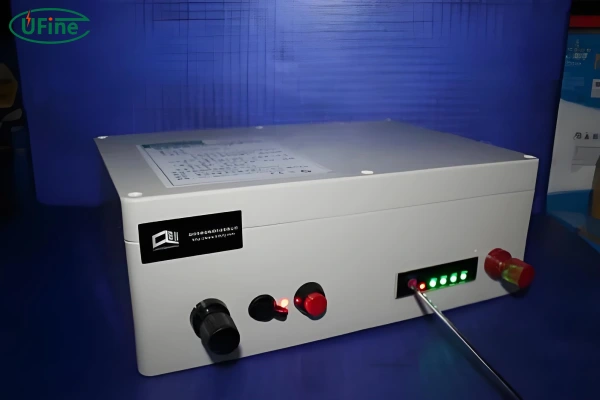
A battery inverter is an electronic device that converts direct current (DC) stored in batteries into alternating current (AC), which powers most household and commercial equipment.
In simple terms, the battery stores energy, while the inverter makes that energy usable.
This is why people often refer to the system as a “battery and inverter” setup or an “inverter battery system.”
Part 2. Inverter battery meaning
The term “inverter battery” usually refers to the battery used together with an inverter. In residential backup systems, the inverter and battery work together as one power solution:
- The battery stores electricity
- The inverter converts and manages the power
- The connected appliances receive AC electricity
Without the inverter, the battery alone cannot directly run most AC devices.
Part 3. How does a battery inverter work?
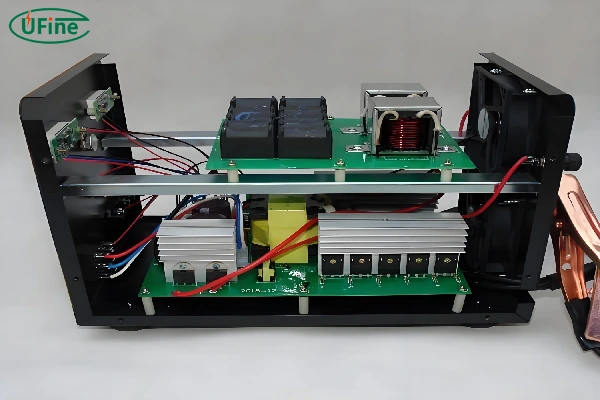
A battery inverter works through several stages of power conversion and regulation.
1. DC power input
The inverter receives DC electricity from a battery pack or battery bank. Common system voltages include:
- 12V
- 24V
- 48V
Larger household inverter battery systems and industrial battery inverter power systems often use 48V for higher efficiency.
2. High-speed switching
Electronic switching components rapidly alternate the DC current direction. This creates a waveform that mimics AC electricity.
Modern inverters commonly use:
- MOSFETs
- IGBTs
- PWM (Pulse Width Modulation) technology
3. Waveform conversion
The inverter shapes the electrical output into usable AC power.
There are two common waveform types:
| Inverter Type | Output Quality | Best Use |
|---|---|---|
| Modified Sine Wave | Basic waveform | Simple appliances |
| Pure Sine Wave | Smooth utility-grade waveform | Computers, medical devices, motors, refrigerators |
Pure sine wave battery inverter systems are recommended for most modern electronics.
4. Voltage and frequency regulation
The inverter stabilizes output voltage and frequency to ensure compatibility with connected devices.
Typical standards include:
- 120V / 60Hz in the United States
- 230V / 50Hz in many other countries
Stable regulation improves safety and appliance lifespan.
Part 4. Main components of a battery and inverter system
A complete battery inverter power system usually contains the following components:
| Component | Function |
|---|---|
| Battery Pack | Stores electrical energy |
| Inverter | Converts DC to AC |
| Charger | Recharges batteries |
| Battery Management System (BMS) | Protects and balances lithium batteries |
| Transfer Switch | Automatically changes between grid and battery power |
| Monitoring System | Tracks battery and inverter performance |
For lithium systems, a smart BMS is critical for safety and cycle life. Learn more about Battery Management Systems (BMS).
Part 5. Types of battery inverters
Choosing the correct inverter depends on the application, grid access, and energy goals.
1. Off-grid inverters
Off-grid battery inverters operate independently from the utility grid.
Common applications:
- Remote homes
- Cabins
- Telecom stations
- Agricultural systems
- Outdoor monitoring equipment
These systems usually rely on solar panels and large battery packs.
2. Grid-tied inverters
Grid-tied inverters work together with the utility grid.
Main benefits:
- Lower energy bills
- Backup support
- Solar integration
- Energy export capability in some regions
However, many standard grid-tied inverters stop working during outages unless paired with batteries.
3. Hybrid inverters
Hybrid inverter systems combine:
- Solar charging
- Grid connection
- Battery storage
- Intelligent energy management
Hybrid systems are becoming popular in residential and commercial energy storage projects.
Part 6. Household inverter battery systems
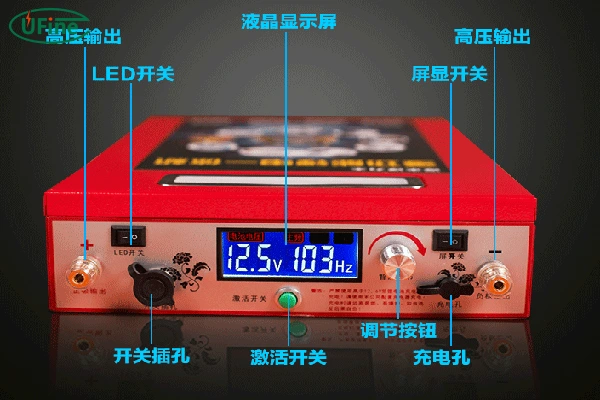
A household inverter battery system provides backup electricity during power outages.
Typical powered devices include:
- Lights
- Wi-Fi routers
- Refrigerators
- TVs
- Fans
- Security systems
- Medical equipment
Part 7. Lead-acid vs lithium inverter batteries
| Feature | Lead-Acid | Lithium Battery |
|---|---|---|
| Lifespan | Shorter | Longer |
| Charging Speed | Slower | Faster |
| Weight | Heavy | Lightweight |
| Maintenance | Higher | Low |
| Depth of Discharge | Limited | Higher |
| Efficiency | Lower | Higher |
Lithium battery pack inverter systems are increasingly preferred because of longer cycle life and improved energy efficiency.
You can also explore our guide on lithium-ion battery packs.
Part 8. Important battery inverter specifications
Understanding inverter specifications helps avoid overload, poor performance, and battery damage.
- Power rating
Measured in:
- Watts (W)
- Kilowatts (kW)
The inverter must support both:
- Continuous load
- Surge load
Motor-driven appliances often require 2–3 times startup power.
- Battery voltage
Common battery inverter voltages:
- 12V for small systems
- 24V for medium systems
- 48V for high-power systems
Higher voltage systems reduce current and improve efficiency.
- Efficiency
High-quality inverters usually achieve:
- 90%–95% conversion efficiency
Higher efficiency reduces energy loss and heat generation.
- Transfer time
UPS-style inverter systems may switch in milliseconds during outages.
This is important for:
- Computers
- Servers
- Medical equipment
- Safety protections
Modern inverter battery systems often include:
- Overload protection
- Short-circuit protection
- Over-temperature protection
- Low-voltage shutdown
- Reverse polarity protection
Part 9. Battery pack inverter applications
Battery inverter systems are used across many industries.
- Residential backup power
Homes use inverter battery systems for uninterrupted electricity during outages.
- Solar energy storage
Solar battery inverter systems store excess daytime energy for nighttime use.
The U.S. Department of Energy Solar Energy Technologies Office provides additional information on solar storage technologies.
- RV and marine systems
Portable battery and inverter systems power:
- Refrigerators
- Microwaves
- Air pumps
- Navigation equipment
- Telecom and data centers
Battery inverter backup systems help maintain critical communication infrastructure during grid failure.
- Industrial and commercial energy storage
Factories and commercial buildings use large battery inverter power systems for:
- Peak shaving
- Backup power
- Renewable energy integration
- Energy cost reduction
Part 10. How to choose the right battery inverter?
Selecting the correct inverter requires more than simply matching wattage.
- Calculate total load
List all devices and their power consumption.
Example:
Device Power Refrigerator 600W TV 150W Router 20W Lights 100W Total running load: 870W
Recommended inverter size: at least 1200W–1500W to handle surge demand safely.
- Determine backup runtime
Longer runtime requires larger battery capacity.
For example:
- 100Ah battery = shorter runtime
- 200Ah battery = longer runtime
- Choose battery chemistry
Lithium batteries are ideal for:
- Frequent cycling
- Fast charging
- Long lifespan
- Lightweight systems
Lead-acid batteries may still be suitable for lower-cost backup applications.
- Select pure sine wave when possible
Pure sine wave inverters provide cleaner power and better compatibility with modern electronics.
- Check expansion compatibility
Future-ready systems should support:
- Solar charging
- Additional battery packs
- Remote monitoring
- Smart energy management
Part 11. Common battery inverter problems
- Inverter overload
Occurs when connected devices exceed inverter capacity.
Solution:
- Reduce load
- Upgrade inverter size
- Battery drains too quickly
Possible causes:
- Small battery capacity
- Aging batteries
- Low inverter efficiency
- Overheating
Poor ventilation or excessive load can cause overheating.
Always install battery inverter systems in well-ventilated areas.
- Alarm or fault codes
Modern inverter systems display warning codes for:
- Low voltage
- Over-temperature
- Overload
- Battery communication issues
Consult the manufacturer’s manual for diagnostics.
Part 12. Battery inverter installation tips
For reliable operation:
- Use properly sized cables
- Keep cable runs short
- Install adequate ventilation
- Avoid moisture exposure
- Follow local electrical codes
- Use compatible battery chemistry and voltage
For larger systems, professional installation is recommended.
The National Fire Protection Association (NFPA) and local electrical standards should always be followed for energy storage system safety.
Part 13. FAQs about battery inverter
What is the difference between a battery and inverter?
A battery stores electrical energy, while the inverter converts that stored DC energy into usable AC electricity.
Can an inverter work without a battery?
Some grid-tied inverters can operate without batteries, but backup power systems usually require both a battery and inverter.
Which battery is best for an inverter?
Lithium batteries are generally the best choice because they offer longer lifespan, faster charging, and higher efficiency.
How long can a household inverter battery last?
Battery runtime depends on battery capacity and power load. A larger battery pack can support appliances for several hours or longer.
What size inverter do I need for my home?
The correct size depends on the total running wattage and surge power of your appliances. Most homes use systems between 1kW and 10kW.
Related Tags:

More Articles
Buck vs. Boost vs. Buck-Boost Converter: Which Is Best for Battery?
Not sure which converter your battery-powered device needs? Compare Buck, Boost, and Buck-Boost designs and discover what affects voltage stability and runtime.
How to Match 18650 Cells for a Reliable Battery Pack?
Building an 18650 battery pack? Learn how to compare cell capacity, voltage, and internal resistance to avoid mismatches and improve reliability.
Why Do 18650 Battery Packs Get Hot During Discharge?
Is your 18650 battery pack overheating under load? Learn what causes excess heat, how to spot dangerous symptoms, and what to do next.
18650 Battery BMS: How to Get the Specs Right
Learn how to choose a BMS for an 18650 battery pack. Compare voltage, current ratings, protection features, and balancing before you buy.
Why Does My Ring Camera Battery Drain So Fast or Stop Charging?
Is your Ring camera battery draining fast or not charging? Discover common causes, practical fixes, and when to replace the battery.


