
- Key Takeaways
- Part 1. What is an air purifier battery?
- Part 2. Types of air purifier batteries
- Part 3. How to choose the right battery for your air purifier?
- Part 4. Application-based air purifier battery selection guide
- Part 5. Top 5 air purifier battery models for efficient filtration
- Part 6. Battery maintenance and lifespan optimization
- Part 7. Air purifier battery FAQs
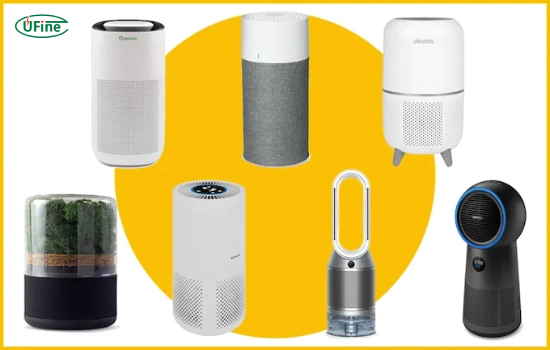
An air purifier battery determines runtime, filtration stability, and portability in battery-powered air purifiers.
This guide explains how air purifier batteries work, compares battery types, and shows how to choose the right battery for different applications.
Key Takeaways
- Lithium-ion batteries are the preferred choice for modern portable air purifiers due to high energy density, low weight, and long cycle life.
- Battery capacity (mAh) directly determines runtime, but voltage compatibility and discharge stability are equally critical.
- High-discharge LiPo batteries suit compact, high-power designs, while cylindrical Li-ion packs are better for long-duration operation.
- Battery lifespan is typically 2–5 years, heavily influenced by charge depth, temperature, and airflow load.
- For OEM and B2B buyers, safety protections (BMS, overcharge/over-discharge) are as important as raw capacity.
Part 1. What is an air purifier battery?
An air purifier battery is a rechargeable power source that enables an air purifier to operate independently of a fixed power outlet. This is essential for portable, mobile, or backup-use air purifiers deployed in bedrooms, vehicles, offices, medical rooms, and temporary workspaces.
From an engineering perspective, the battery must provide:
- Stable voltage output for fan motors and control boards
- Sufficient energy density to support extended filtration cycles
- Safe operation under continuous load and elevated temperatures
Why batteries matter in air purifiers
- Portability: Enables flexible placement without AC power constraints.
- Backup Operation: Maintains air purification during power outages.
- Energy Optimization: Battery-powered designs often pair with low-power motors and efficient filters.
Part 2. Types of air purifier batteries
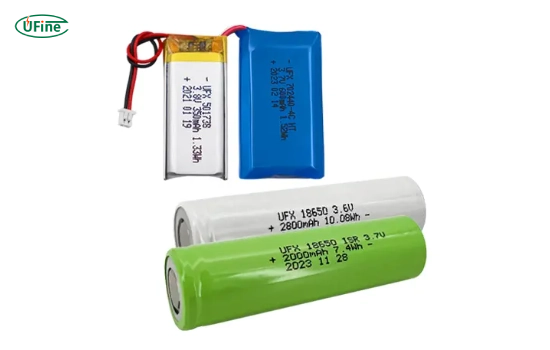
Most air purifiers rely on one of the following battery chemistries. Each type influences runtime, weight, cost, and maintenance requirements.
1 Lithium-ion batteries
Lithium-ion batteries dominate modern air purifier designs due to high energy density, low self-discharge, and long service life. They are widely used in residential, medical, and professional-grade portable air purifiers.
From a safety and compliance perspective, lithium-ion batteries used in air purifiers are typically designed according to IEC 62133 lithium battery safety standards, which define requirements for portable sealed secondary cells and battery packs.
2 Nickel-metal hydride (NiMH) batteries
NiMH batteries offer reasonable performance at lower cost but suffer from higher weight and faster capacity fade. They are mainly found in legacy or budget-oriented designs.
3 Lead-acid batteries
Lead-acid batteries are typically reserved for large stationary or industrial air purification systems where weight and portability are not critical factors.
| Battery Type | Strengths | Limitations |
|---|---|---|
| Lithium-Ion | Lightweight, long cycle life, high efficiency | Higher upfront cost |
| NiMH | Lower cost, acceptable durability | Heavier, shorter lifespan |
| Lead-Acid | Cost-effective for large systems | Heavy, low energy density |
Part 3. How to choose the right battery for your air purifier?
Selecting an appropriate air purifier battery requires balancing electrical compatibility, runtime expectations, and physical constraints.
- Voltage Matching: The battery voltage must match the purifier’s motor and control circuitry.
- Capacity (mAh): Higher capacity enables longer runtime but increases size and weight.
- Discharge Rate: High airflow purifiers require batteries with stable discharge under load.
- Form Factor: Cylindrical Li-ion packs favor endurance, while LiPo packs suit compact designs.
When selecting batteries for continuous-operation air purifiers, it is also recommended to reference airflow and energy-efficiency guidelines published by the U.S. Environmental Protection Agency (EPA), especially for residential and medical environments.
Part 4. Application-based air purifier battery selection guide
Different air purifier applications place different demands on battery voltage, capacity, and discharge behavior. The table below provides a practical reference for selecting the recommended air purifier battery type based on real-world usage scenarios.
| Application Scenario | Typical Air Purifier Type | Recommended Battery Type | Common Voltage Range | Key Selection Reason |
|---|---|---|---|---|
| Personal / Desktop Use | Small portable air purifier | LiPo battery | 7.4V – 11.1V | Compact size, lightweight, quick response |
| Bedroom / Living Room | Medium portable air purifier | Lithium-ion battery | 11.1V | Long runtime with stable airflow |
| Large Room / Office | High-capacity portable air purifier | Lithium-ion battery pack | 11.1V – 14.8V | Extended operation and improved energy efficiency |
| Car / Travel Use | Compact vehicle air purifier | LiPo battery | 7.4V – 11.1V | Fast charging and limited installation space |
| Medical / Sensitive Environments | Low-noise precision air purifier | Lithium-ion battery with BMS | 11.1V | Stable output, safety protection, low thermal risk |
| Commercial / Continuous Operation | High-airflow air purification system | High-capacity lithium-ion battery | 11.1V – 24V | Durability and long cycle life under sustained load |
For most modern portable air purifiers, lithium-ion batteries remain the preferred choice due to their balance of runtime, safety control, and long-term reliability.
Part 5. Top 5 air purifier battery models for efficient filtration
Below are representative air purifier battery models commonly used in portable, residential, and commercial air purifiers. The selection focuses on voltage compatibility, runtime stability, and real-world filtration performance.
1 Ufine 11.1V 5000mAh Lithium-Ion Battery Pack
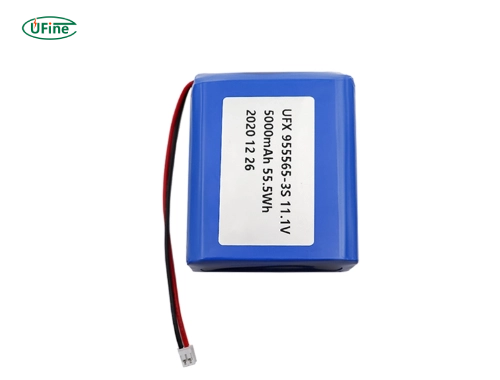
Best for: Large portable air purifiers requiring long continuous runtime.
- Voltage: 11.1V
- Capacity: 5000mAh
- Chemistry: Lithium-ion
- Strength: Long runtime, stable discharge, OEM-friendly
2 TKCB 11.1V 7800mAh Lithium-Ion Battery
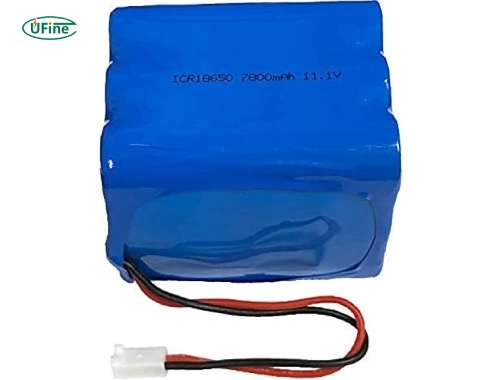
Best for: High-coverage air purifiers used in large rooms or commercial spaces.
- Voltage: 11.1V
- Capacity: 7800mAh
- Chemistry: Lithium-ion
- Strength: Extended runtime with built-in protection circuit
3 CBB 11.1V 5200mAh LiPo Battery Pack
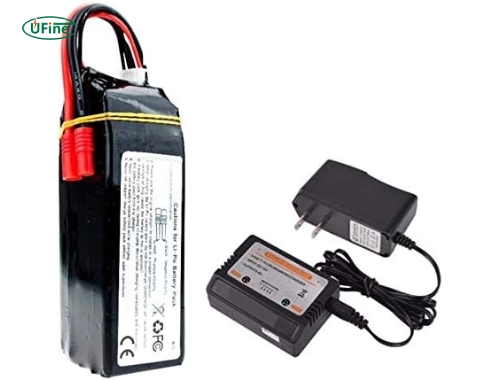
Best for: Home and office air purifiers balancing size and airflow.
- Voltage: 11.1V
- Capacity: 5200mAh
- Chemistry: LiPo
- Strength: Compact size, consistent power delivery
4 Powerhobby 11.1V 5200mAh High-Discharge LiPo Battery
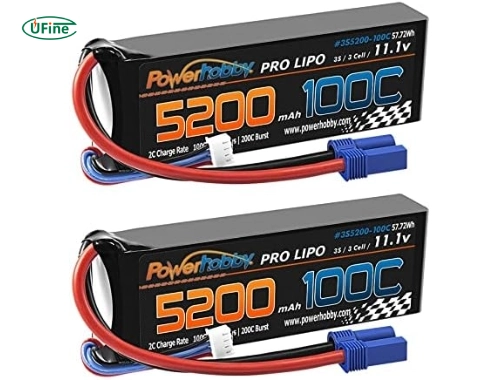
Best for: High-airflow air purifiers with powerful fan motors.
- Voltage: 11.1V
- Capacity: 5200mAh
- Chemistry: LiPo
- Strength: Handles peak load without voltage drop
5 OVONIC 11.1V 2200mAh LiPo Battery
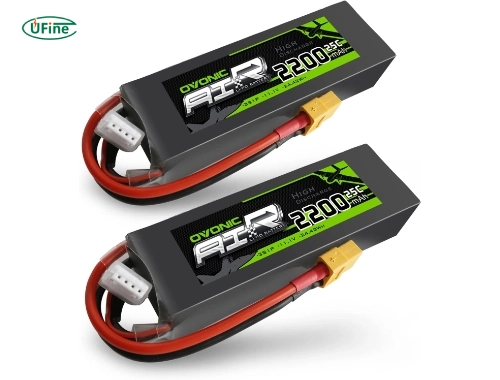
Best for: Portable and car air purifiers with limited internal space.
- Voltage: 11.1V
- Capacity: 2200mAh
- Chemistry: LiPo
- Strength: Lightweight, fast charging
6 Coonyard 7.4V 3000mAh LiPo Battery
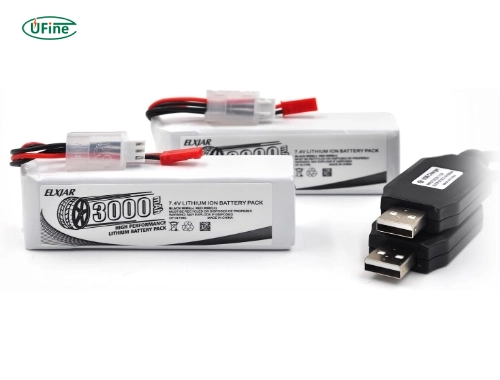
Best for: Compact air purifiers used in bedrooms and personal spaces.
- Voltage: 7.4V
- Capacity: 3000mAh
- Chemistry: LiPo
- Strength: Balanced runtime and portability
7 Other air purifier battery options
In a small number of niche air purifier designs, manufacturers may use alternative batteries such as Nickel-Cadmium (NiCd) batteries or specialty LiPo battery packs originally developed for RC or industrial equipment.
These batteries are typically found in legacy models, customized prototypes, or compact devices with unique power or form-factor requirements. However, due to lower energy density, higher weight, or limited safety features, they are less commonly used in modern mainstream portable air purifier systems.
Part 6. Battery maintenance and lifespan optimization
- Avoid full discharge; maintain charge between 20%–80% where possible.
- Store batteries at moderate temperature to reduce degradation.
- Ensure filters remain clean to reduce motor load and battery drain.
For buyers evaluating long-term reliability, certification systems such as UL battery safety testing help verify protection against overcharge, short-circuit, and thermal risks in air purifier battery packs.
Ufine Battery provides custom air purifier battery design and manufacturing, with options for specific voltage, capacity, size constraints, and safety certifications tailored to your portable air purification system.
Find A Solution NowPart 7. Air purifier battery FAQs
What is the best air purifier battery type for portable air purifiers?
Lithium-ion batteries are the best air purifier battery type for most portable air purifiers due to their high energy density, stable voltage output, and long cycle life.
How long does an air purifier battery last?
Most air purifier batteries last 2–5 years under normal usage. Battery lifespan depends on chemistry, operating temperature, discharge depth, and usage frequency.
How do I choose the right air purifier battery capacity?
Air purifier battery capacity should match the required runtime and airflow level. Higher mAh provides longer operation, but correct voltage and stable discharge are equally critical.
Can I replace an air purifier battery with a higher-capacity battery?
Yes, but only if the replacement air purifier battery matches the original voltage, size, connector, and discharge characteristics.
Why does an air purifier battery drain faster over time?
Air purifier battery drain increases over time due to battery aging, elevated operating temperatures, clogged filters raising motor load, or frequent deep discharges.
Related Tags:

More Articles
Capacitor vs Battery: What is the Difference?
Capacitor vs battery explained in detail. Learn the difference between capacitor and battery in energy storage, charging speed, lifespan, and real applications.
18650 Battery vs AA: Which Is Better for Your Device?
Compare 18650 vs AA batteries in capacity, voltage, rechargeability, and applications. Learn which battery type fits high-drain or everyday devices.
What is the Difference Between Battery Cell, Battery Control Module, and Battery Pack?
Compare battery cells, modules, and packs. Learn functions, design differences, control modules, and selection tips for EV, ESS, and industrial use.
How to Prevent LiPo Battery Explosion?
Can LiPo batteries explode or catch fire? Learn key causes of LiPo battery fires and proven charging, storage, and handling tips to reduce explosion risk.
Aluminium Ion Battery vs Lithium-Ion: A Detailed Comparison
Compare aluminium ion battery vs lithium-ion battery in energy density, charging speed, safety, cost, and uses. A practical guide for engineers and buyers.


