
- Key Takeaways
- Part 1. What is a 6 volt battery?
- Part 2. Typical electrical characteristics of a 6 volt battery
- Part 3. Common types of 6 volt batteries
- Part 4. Deep-cycle vs starting 6 volt batteries
- Part 5. 6 volt vs 12 volt batteries: which should you choose?
- Part 6. Using 6V batteries in series: practical engineering considerations
- Part 7. What are 6 volt batteries used for?
- Part 8. How long do 6 volt batteries last?
- Part 9. Common 6 volt battery failure modes
- Part 10. How to charge a 6 volt battery correctly
- Part 11. Cost vs lifetime: Is a 6V lithium battery worth it?
- Part 12. Basic maintenance tips
- Part 13. FAQs
A 6 volt battery is a low-voltage energy storage device commonly used in golf carts, vintage vehicles, solar power systems, and industrial equipment. While modern electronics often rely on 12V or higher-voltage systems, 6V batteries remain widely used where deep-cycle durability, predictable discharge, and long service life are more important than high peak power.
This article explains what a 6 volt battery is, what it is used for, how long it typically lasts, and how to charge it correctly, based on real-world engineering practice rather than theory alone.
Key Takeaways
- 6V batteries are still widely used in golf carts, vintage vehicles, solar systems, and industrial equipment where deep-cycle reliability matters more than peak power.
- Battery type determines performance and maintenance: Flooded, AGM, Gel, and LiFePO₄ batteries each have different lifespans, charging requirements, and use cases.
- Deep-cycle vs starter batteries: Using the wrong type can drastically shorten lifespan; always match battery design to the application.
- Series/parallel setups affect durability: Mismatched or aging batteries in series can reduce overall system performance.
- Proper charging and maintenance are critical: Use correct chargers, monitor voltage, clean terminals, and store batteries properly to maximize life.
Part 1. What is a 6 volt battery?
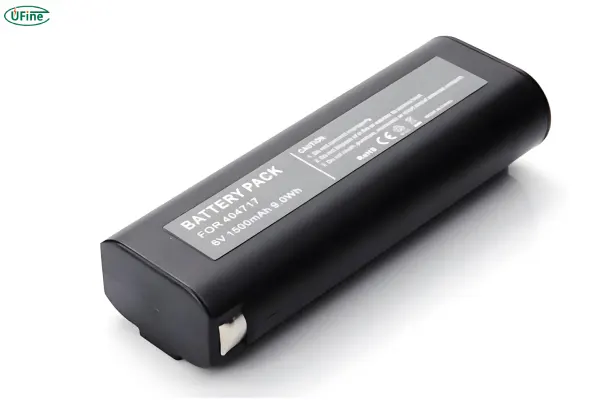
In practical terms, a 6V battery is designed to deliver a nominal voltage of around 6.0–6.4 volts, depending on chemistry and state of charge.
Internally, this voltage is achieved by connecting individual cells in series:
- Lead-acid batteries: three cells at ~2.1V each
- Lithium iron phosphate (LiFePO₄): two cells at ~3.2V each
From an engineering standpoint, the reason 6V batteries are still used today has little to do with voltage and much more to do with internal construction. Many 6V batteries—especially lead-acid types—use thicker plates than comparable 12V batteries, which improves resistance to repeated deep discharge and extends usable life in cycle-heavy applications.
Part 2. Typical electrical characteristics of a 6 volt battery
Understanding real voltage behavior helps avoid many common misdiagnoses.
A fully charged 6V lead-acid battery typically rests at 6.3–6.4V after charging. During normal operation, voltage will drop under load:
- Light load: ~6.1–6.3V
- Moderate load: ~5.8–6.0V
- Heavy load: voltage may briefly dip lower
This drop is normal and does not indicate battery failure. What matters is how quickly the voltage recovers once the load is removed. A battery that remains below 5.5V at rest often indicates sulfation or capacity loss.
Part 3. Common types of 6 volt batteries
Not all 6V batteries behave the same. The differences become obvious once you look at how they are used in the field.
Main 6V battery types
1.Flooded lead-acid
Still common in golf carts and utility vehicles. Affordable and tolerant of high current, but requires electrolyte maintenance.
2. AGM (Absorbed Glass Mat)
Sealed, vibration-resistant, and faster to charge than flooded batteries. Often used where maintenance access is limited.
3. Gel
Designed for slow, deep discharge. More sensitive to charging voltage, but stable across a wide temperature range.
Lightweight, high usable capacity, and extremely long cycle life when paired with a proper BMS and charger.
Typical performance comparison
| Battery type | Typical cycle life* | Maintenance | Best suited for |
|---|---|---|---|
| Flooded lead-acid | 300–500 cycles | Regular | Golf carts, cost-driven systems |
| AGM | 500–700 cycles | None | Vibration-heavy vehicles |
| Gel | 700–900 cycles | None | Solar and deep-cycle storage |
| Lithium (LiFePO₄) | 3,000+ cycles | None | Weight-sensitive, long-life systems |
*Cycle life estimates assume moderate depth of discharge and correct charging.
For a detailed comparison of battery chemistries in high-vibration applications like ATVs, see our flooded vs LiFePO4 vs AGM ATV battery comparison to understand how different designs affect performance and life.
Part 4. Deep-cycle vs starting 6 volt batteries
Not all 6V batteries are designed to be deeply discharged.
Most 6V batteries used in golf carts and solar systems are deep-cycle batteries, built with thick plates that sacrifice peak current for longevity. By contrast, starting batteries are optimized to deliver short bursts of high current and are damaged quickly if deeply discharged.
Using a 6V starting battery in a deep-cycle application is one of the fastest ways to shorten battery life—even if the voltage rating appears correct.
Many common failures tie back to design purpose; if you want to see how deep-cycle batteries differ from regular types in failure resilience, refer to our comparative analysis of deep-cycle vs regular battery.
Part 5. 6 volt vs 12 volt batteries: which should you choose?
The difference between 6V and 12V batteries is not simply output voltage.
In many deep-cycle systems, two 6V batteries connected in series perform better over time than a single 12V battery. Load is distributed more evenly, and plate degradation occurs more slowly.
By contrast, 12V batteries are better suited to:
- Modern automotive starting systems
- High-power inverters
- Applications requiring short bursts of very high current
Rule of thumb:
- Choose 6V batteries for long-duration, repeated discharge
- Choose 12V batteries for high-power, short-duration loads
Part 6. Using 6V batteries in series: practical engineering considerations
Series connection is common, but it introduces its own risks.
Engineers typically pay attention to:
- Using matched batteries (same type, age, and capacity)
- Avoiding mixing old and new batteries
- Monitoring imbalance in long battery strings
A single weak 6V battery in a series bank can limit the performance and lifespan of the entire system.
Part 7. What are 6 volt batteries used for?
6V batteries are commonly used in applications that prioritize reliability over convenience.
Typical uses include:
- Golf carts and electric utility vehicles
- Vintage cars and motorcycles with original 6V electrical systems
- Solar and off-grid energy storage (series-connected battery banks)
- Industrial floor machines and cleaning equipment
- Medical and mobility devices
- Children’s ride-on vehicles and specialty equipment
Can a 6 volt battery be used in a car?
A 6V battery can be used in a car only if the vehicle was designed for a 6V electrical system, which is typically the case for vintage and classic vehicles. Modern cars require 12V systems and should not be converted to 6V without extensive redesign.
Part 8. How long do 6 volt batteries last?
Most 6 volt batteries last between 2 and 10 years, depending on battery type, usage, and charging quality.
Typical lifespan by battery type
- Flooded lead-acid: 2–5 years
- AGM: 4–6 years
- Gel: 5–7 years
- Lithium (LiFePO₄): 8–10+ years
In real-world use, batteries fail early most often due to:
- Chronic overcharging
- Repeated deep discharge
- High operating temperatures
- Long periods left in a discharged state
From an engineering perspective, charging accuracy has a greater impact on lifespan than brand or chemistry.
Part 9. Common 6 volt battery failure modes
Real-world failures tend to follow predictable patterns:
- Sulfation in lead-acid batteries caused by prolonged undercharging
- Capacity fade due to high operating temperatures
- Premature aging from charger mismatch
- Cell imbalance in series-connected battery banks
Most of these issues develop gradually and can be mitigated with correct charging and routine inspection.
Part 10. How to charge a 6 volt battery correctly
Charging is the most common cause of premature 6V battery failure.
Always use a charger designed for 6 volts and matched to the battery chemistry.
Typical charging voltage ranges
| Battery type | Recommended charging voltage |
|---|---|
| Flooded lead-acid | 7.2–7.4V |
| AGM | 7.0–7.2V |
| Gel | 6.9–7.1V |
| LiFePO₄ | 7.0–7.3V |
Basic charging steps
- Verify charger voltage and battery chemistry compatibility
- Connect positive and negative terminals correctly
- Monitor temperature during charging
- Allow the charge cycle to complete fully
- Disconnect the charger once charging is complete
Never use a standard lead-acid charger on a lithium battery unless explicitly approved by the manufacturer.
Part 11. Cost vs lifetime: Is a 6V lithium battery worth it?
Lithium 6V batteries cost more upfront, but they often reduce replacement frequency, downtime, and maintenance labor. In systems with daily cycling or difficult access, total cost of ownership can favor lithium despite the higher initial price.
For low-use or cost-sensitive systems, lead-acid batteries may still be the practical choice.
Part 12. Basic maintenance tips
Simple habits significantly extend battery life:
- Keep terminals clean and corrosion-free
- Check electrolyte levels on flooded batteries
- Avoid leaving batteries deeply discharged
- Store batteries in a cool, dry environment
Most 6V batteries degrade gradually due to preventable stress rather than sudden failure.
Part 13. FAQs
Can I replace a 12V battery with two 6V batteries?
Yes, if connected in series and space allows. This is common in golf carts and solar systems.
Is a 6 volt car battery still used today?
Only in vintage and classic vehicles originally designed for 6V systems.
Can a 6 volt battery be overcharged?
Yes. Overcharging is one of the leading causes of premature battery failure.
Is a 6V lithium battery better than lead-acid?
For long-term use, weight-sensitive systems, and high cycle life requirements, lithium is generally superior.
Related Tags:

More Articles
Gravity Battery vs. Traditional Battery: A Comparative Analysis
2026 comparison of gravity batteries and traditional batteries. Learn efficiency, lifespan, cost per kWh, and best applications for grid energy storage.
What Are 6V Batteries? A Complete Guide to Their Types and Uses
Learn what a 6V battery is, common 6 volt battery types, real-world uses, selection tips, and FAQs to choose the right 6V battery.
What Does C Mean in Batteries? (Battery C Rating Explained for Engineers & Buyers)
Learn what C rating means in batteries, how to calculate battery C rate, C rating charts, examples, and how to choose the right C rating for your application.
What is a LiCoO2 battery? Learn how a lithium cobalt oxide battery works, the LiCoO2 battery reaction, advantages, limits, and compares with LiFePO4 and NMC.
Best 10 Golf Cart Battery Manufacturers 2026
Find out the top golf cart battery manufacturers. Know about manufacturers' details and golf cart battery highlighted features to choose the right battery.


