

Part 1. iPad / Tablet battery application overview
Ufine Battery provides advanced lithium battery solutions specifically engineered for iPads and tablets, delivering reliable power for education, commercial, and industrial applications. Tablet devices require long-lasting battery life, consistent voltage under high-load applications, and safe operation in varying temperature conditions. Manufacturers and integrators face challenges in fitting high-capacity batteries into slim devices without compromising safety or cycle life.
Lithium-ion and lithium-polymer batteries are the standard for modern tablets. According to Battery University, these batteries typically degrade 20–30% over 2 years under continuous use, emphasizing the need for high-quality, engineered solutions.
This page addresses common tablet battery challenges, outlines Ufine’s technical solutions, provides recommended battery types, and offers decision-making parameters for different tablet scenarios, helping engineering and procurement teams select the optimal battery solution.

Part 2. Common power challenges in iPad / tablet devices
- Limited space vs. high capacity: Tablets require batteries that fit slim designs while providing 7–12 hours of continuous operation.
- Voltage stability under heavy usage: Video streaming, gaming, and multitasking can cause voltage drops affecting performance.
- Temperature sensitivity: Batteries must operate reliably from -20℃ to 60℃ in classroom, office, or field conditions.
- Long-term durability: Tablets typically require >500 full charge cycles to maintain acceptable capacity.
- Safety and compliance: Batteries must meet CE, UL, UN38.3 certifications to ensure safe deployment across regions.

Part 3. Ufine technical solutions for iPads & tablets
Ufine provides batteries that address energy density, cycle life, and temperature performance while ensuring safety and regulatory compliance.
Key technical advantages:
- High energy density & thin profile: Enables long runtime without increasing device thickness.
- Battery Management System (BMS): Protects against overcharge, over-discharge, and short-circuit.
- Low self-discharge: Ensures extended standby time for tablets in education or industrial deployments.
- Wide operating temperature range: Supports -40℃ to 85℃, ideal for field use.
- Certifications: CE, UL, UN38.3 for international deployment.
Technical solutions by scenario:
- Education tablets: Require lightweight, high-capacity batteries to support full-day usage.
- Commercial tablets: Need stable voltage and high cycle life for multitasking, conferencing, and office applications.
- Industrial tablets: Require ruggedized batteries with wide temperature tolerance and long lifecycle for field deployment.

Part 4. Decision-making parameters for tablet battery selection
| Tablet Scenario | Typical Capacity (mAh) | Nominal Voltage (V) | Max Thickness (mm) | Expected Cycle Life | Operating Temp (℃) | Notes |
|---|---|---|---|---|---|---|
| Education Tablets | 1000–5000 | 3.7 | ≤10 | 500–800 | 0~45 | Lightweight, supports 8–10h usage |
| Commercial Tablets | 4000–10000 | 7.4 | ≤15 | 800–1000 | -10~60 | High stability under multitasking |
| Industrial Tablets | 5000–10000 | 7.4–11.1 | ≤20 | >1000 | -40~85 | Ruggedized, wide temp, long lifecycle |
| Ultra-compact / Mini Tablets | 300–1500 | 3.7 | ≤5 | 300–500 | 0~45 | Focus on portability, light apps |
This table helps procurement and engineering teams select batteries based on real technical requirements, not just brand or model.
Part 5. Recommended battery types for iPad / tablet devices
Education Tablets:
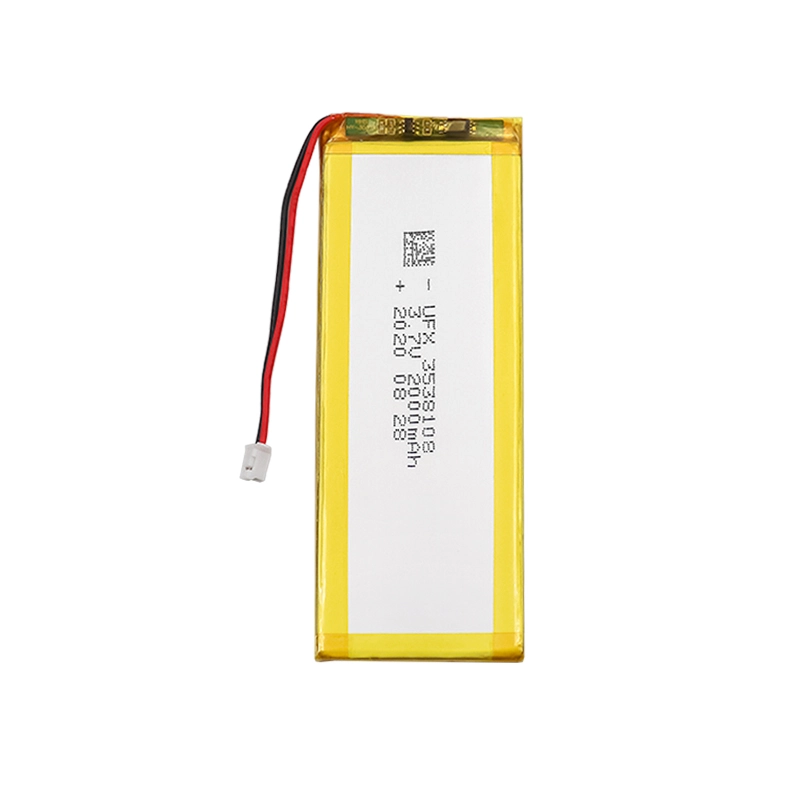
- 3.7V 5000mAh Li-ion (6759104) – lightweight, 67x59x10 mm, provides ~8–10h usage.
- 3.7V 1000mAh Li-ion (102050) – ultra-compact solution for small tablets.
Commercial Tablets:
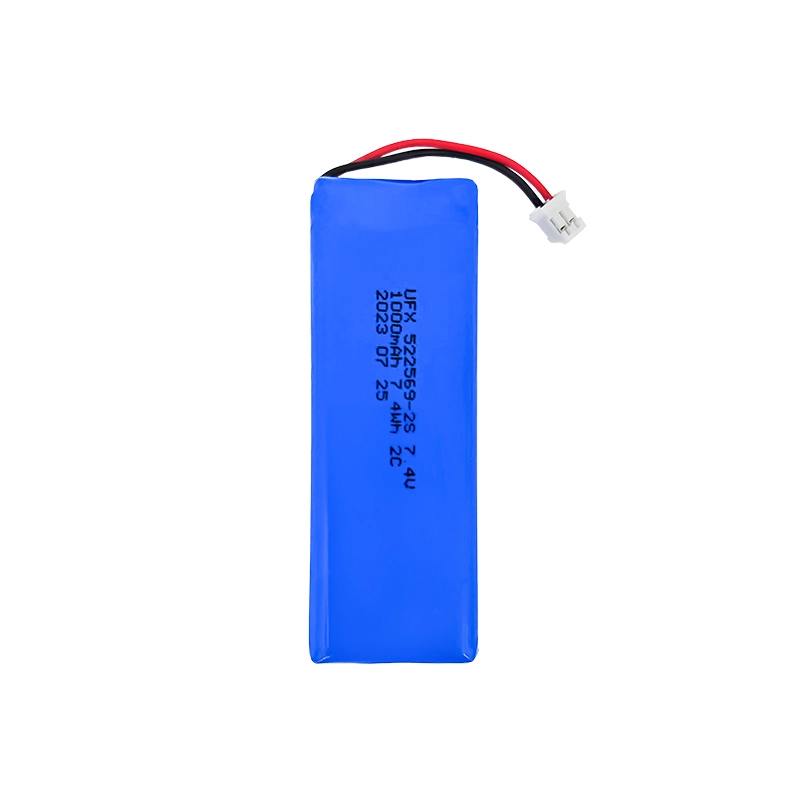
- 7.4V 10000mAh Li-ion Pack (1160100-2S) – supports heavy multitasking and conferencing.
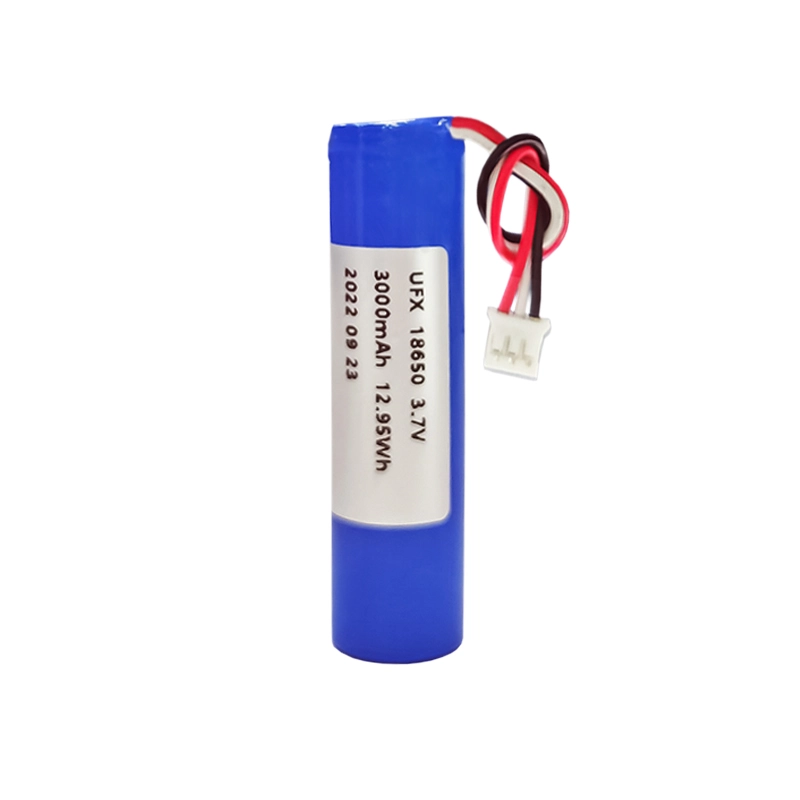
- 7.4V 4400mAh 18650 Pack (18650-2P2S) – high cycle life for office and enterprise tablets.
Industrial Tablets:
- 3.7V 10000mAh Li-ion (955565-2P) – ultra-stable, ruggedized for field use.
- 7.4V 5000mAh Li-ion Pack (105565-2S) – long lifecycle, wide temp range.
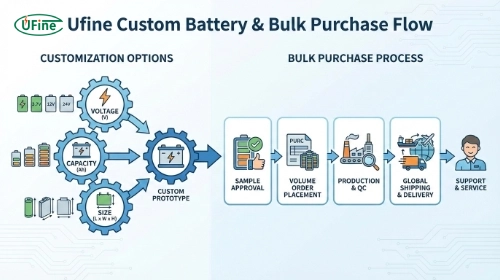
Contact our engineers today for tailored recommendations and prototype support.
Get Custom Battery SolutionsHigh Energy Density
It stores large amounts of energy in a smaller and lighter package
Longer Cycle Life
Withstands extensive charge and discharge cycles
Low Self-Discharge
Maintains power longer when not in use
Safety
Minimizes the risk of accidents and ensures safe operation
More Information About iPad Battery
-
How many cycles can these batteries reliably handle in tablet deployment?
-
Can Ufine customize voltage, capacity, or dimensions for a specific tablet model?
-
What certifications ensure safety for commercial and industrial deployment?
-
What is the safe operating temperature range for different tablet scenarios?
-
Does Ufine support large-scale procurement and fleet management?
Latest Blogs
About Lithium Battery Industry News
Capacitor vs Battery: What is the Difference?
Capacitor vs battery explained in detail. Learn the difference between capacitor and battery in energy storage, charging speed, lifespan, and real applications.
2026/02/28 Ufine
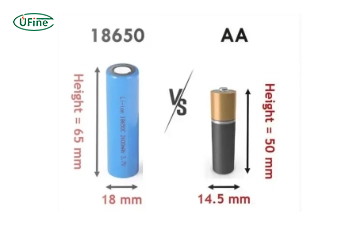
18650 Battery vs AA: Which Is Better for Your Device?
Compare 18650 vs AA batteries in capacity, voltage, rechargeability, and applications. Learn which battery type fits high-drain or everyday devices.
2026/02/28 Ufine
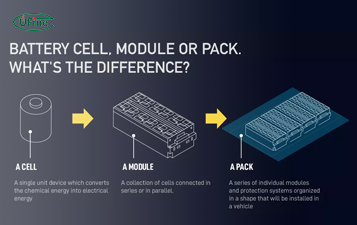
What is the Difference Between Battery Cell, Battery Control Module, and Battery Pack?
Compare battery cells, modules, and packs. Learn functions, design differences, control modules, and selection tips for EV, ESS, and industrial use.
2026/02/28 Ufine

How to Prevent LiPo Battery Explosion?
Can LiPo batteries explode or catch fire? Learn key causes of LiPo battery fires and proven charging, storage, and handling tips to reduce explosion risk.
2026/02/28 Ufine
Aluminium Ion Battery vs Lithium-Ion: A Detailed Comparison
Compare aluminium ion battery vs lithium-ion battery in energy density, charging speed, safety, cost, and uses. A practical guide for engineers and buyers.
2026/02/28 Ufine

C vs D vs AA Battery: Size, Voltage, Capacity & Key Differences Explained
Compare AA, C, and D batteries by size, voltage, capacity, and lifespan. Learn the real difference between C and D batteries and which one you should use.
2026/02/28 Ufine

