
- Key takeaways
- Part 1. Learn 3V lithium battery
- Part 2. 3V lithium battery shapes: tailoring to device needs
- Part 3. Common models of 3V lithium batteries
- Part 4. 3V lithium battery vs alkaline battery
- Part 5. Application: where 3V lithium batteries power our lives
- Part 6. How long does a 3V lithium battery last?
- Part 7. Is a 3V lithium battery rechargeable?
- Part 8. Key parameters to consider
- Part 9. Well-known brands
- Part 10. Final words
- Part 11.FAQs
If you’ve ever replaced a small battery in your car key, medical device, or sensor, chances are you’ve used a 3V lithium battery. It’s one of those components that quietly powers modern life—reliable, compact, and often overlooked.
But here’s the catch: not all 3V batteries are the same. And if you choose the wrong one, you may end up with shorter runtime, device failure, or even safety issues.
So let’s break it down in a way that actually helps you make the right decision.
Key takeaways
- A 3V lithium battery is a high-energy power source commonly used in compact electronic devices such as key fobs, sensors, and medical equipment.
- Most 3V lithium batteries are non-rechargeable (primary batteries), designed for long-lasting and stable performance.
- Common types include CR2032, CR2025, CR123A, and CR2, each suited for different applications and capacity needs.
- Compared to alkaline batteries, 3V lithium batteries offer higher energy density, longer shelf life, and better performance in extreme temperatures.
- Although alkaline batteries are cheaper upfront, lithium batteries are more cost-effective over time due to their longer lifespan.
- Not all 3V batteries are the same—choosing the right type depends on device requirements, size, and usage conditions.
- For applications requiring rechargeability, alternatives like Li-ion (3.6V) or LiFePO4 (3.2V) are typically used instead of standard 3V lithium batteries.
Part 1. Learn 3V lithium battery
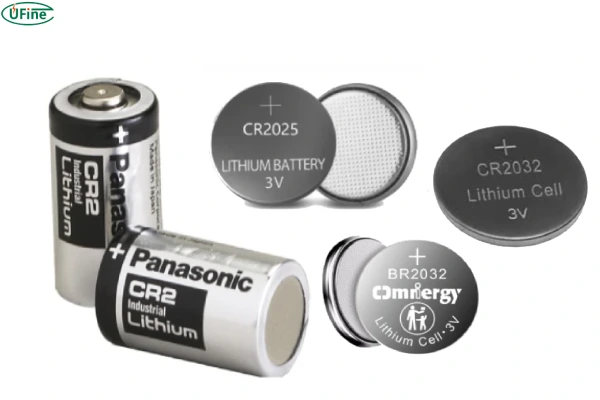
At its core, the 3V lithium battery is based on lithium-ion chemistry, a high-energy-density solution that provides powerful, long-lasting energy. The voltage rating of 3 volts refers to the battery’s ability to consistently deliver this power. But what makes lithium different from other battery chemistries, such as alkaline or nickel-metal hydride? It comes down to lithium’s lightweight nature and its ability to store a significant amount of energy in a small space.
Structurally, a 3V lithium battery consists of three main components: a positive cathode made of lithium metal oxide, a negative anode made from graphite, and an electrolyte that allows the lithium ions to move between the two. This movement generates the electric current necessary to power a device. What makes this chemistry particularly effective is its stability and ability to function over long periods, even in challenging environments, such as extreme cold or high heat.
For example, picture a professional hiker trekking through snowy mountains, relying on a GPS device powered by a 3V lithium battery. Even in sub-zero temperatures, this battery keeps functioning, offering reliable energy when other types would fail.
Lithium Battery VS Alkaline Battery: How to Choose?
Part 2. 3V lithium battery shapes: tailoring to device needs
3V lithium batteries are designed in a variety of shapes and sizes to meet the specific requirements of different devices. These shapes aren’t just for convenience—they’re optimized for both form and function:
- Coin or Button Cells: These are flat, disc-like batteries commonly found in watches, calculators, and remote controls. Models like the CR2032 or CR2025 are famous for their reliability in small electronics.
- Cylindrical Cells: Shaped like small tubes, cylindrical batteries are slightly larger and are used in devices like flashlights or some medical equipment. A common example is the CR123A.
- Prismatic Cells: Rectangular and flat, these cells are used in compact devices, such as fitness trackers, where space-saving is essential.
Part 3. Common models of 3V lithium batteries
When it comes to 3V lithium batteries, several models are widely used across a range of industries. Here are some of the most popular:
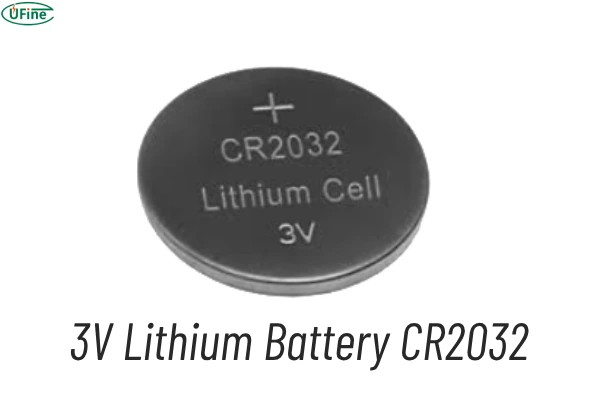
1 CR2032
One of the most common coin cells, used in key fobs, watches, and even some motherboards.
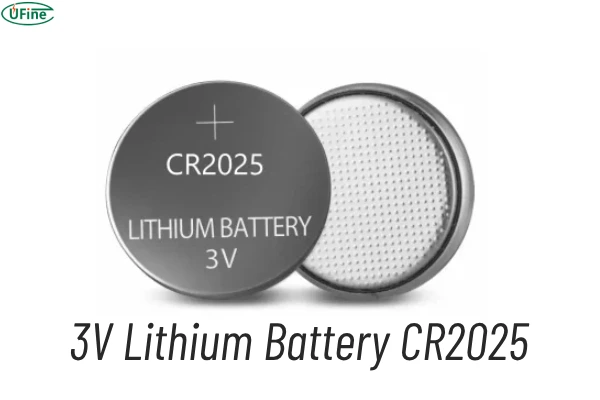
2 CR2025
Similar to the CR2032, but slightly thinner, making it ideal for slimmer devices.
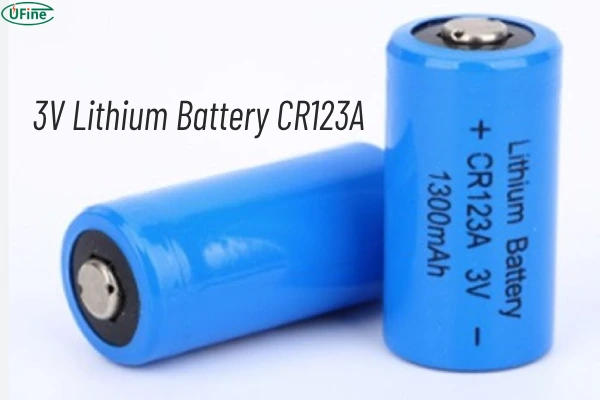
3 CR123A
A cylindrical battery used in high-drain devices like cameras, flashlights, and medical instruments.
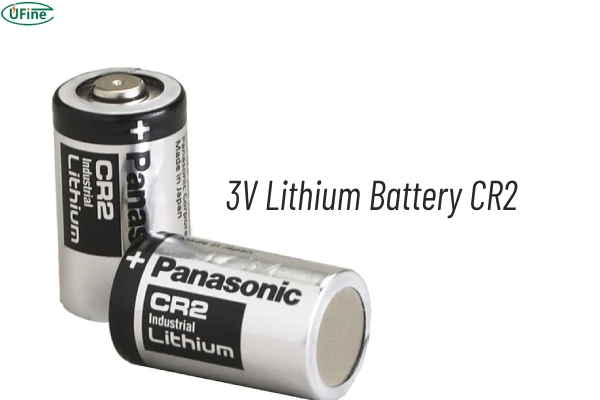
4 CR2
A smaller cylindrical battery, often found in compact cameras and some security devices.
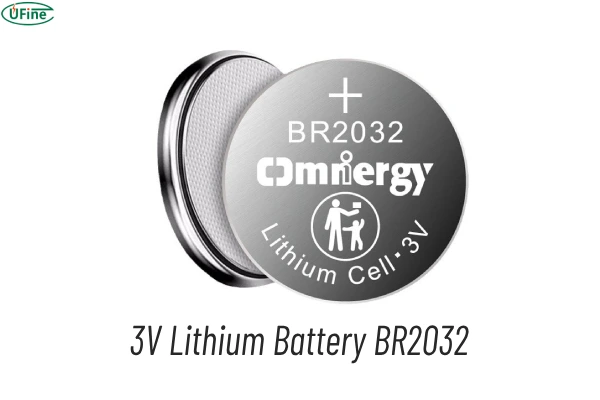
5 BR2032
This button cell has a long shelf life and is used in devices where durability over time is key, like memory backup systems.
Part 4. 3V lithium battery vs alkaline battery
When choosing a battery for your device, understanding the difference between 3V lithium batteries and alkaline batteries is essential. Although both are widely used, they serve different purposes and offer distinct performance advantages.
1. Voltage Difference
A typical lithium battery provides a stable 3V output, while alkaline batteries usually offer 1.5V per cell. This means lithium batteries can deliver higher voltage in a more compact form.
2. Energy Density
Lithium batteries have significantly higher energy density than alkaline batteries. This allows them to last longer in devices such as key fobs, medical equipment, and sensors.
3. Shelf Life
3V lithium batteries can last 5–10 years in storage due to their low self-discharge rate. In contrast, alkaline batteries usually have a shorter shelf life of around 2–3 years.
4. Performance in Extreme Temperatures
Lithium batteries perform reliably in extreme temperatures, especially in cold environments. Alkaline batteries tend to lose efficiency quickly in low temperatures.
5. Weight and Size
Lithium batteries are generally lighter and more compact, making them ideal for small electronic devices where space is limited.
6. Cost Consideration
Alkaline batteries are cheaper upfront, but lithium batteries offer better long-term value due to their longer lifespan and higher efficiency.
Quick Comparison Table
| Feature | 3V Lithium Battery | Alkaline Battery |
|---|---|---|
| Voltage | 3V | 1.5V |
| Rechargeable | Mostly No | No |
| Lifespan | Long | Short |
| Temperature Range | Wide | Limited |
| Energy Density | High | Low |
| Cost (Long-term) | More cost-effective | Less efficient |
Part 5. Application: where 3V lithium batteries power our lives
The versatility of 3V lithium batteries is reflected in their broad range of applications. These batteries are used in:
- Remote controls for cars, televisions, and garage doors.
- Wearable devices, including fitness trackers, smartwatches, and health monitoring systems.
- Medical devices, such as glucose monitors, hearing aids, and pacemakers.
- Cameras and other high-performance electronics, where reliable, continuous power is essential.
- Security systems, including sensors and alarms.
Part 6. How long does a 3V lithium battery last?
Battery life is always a key concern when choosing power sources. The lifespan of a 3V lithium battery depends on its usage and the type of device it powers. For instance:
- A CR2032 battery in a low-drain device like a watch can last up to 5 years.
- In higher-drain applications like a camera or a GPS, a CR123A battery may last around 1 to 2 years.
It’s important to note that environmental factors can affect battery life. For instance, extreme temperatures—either hot or cold—can shorten a battery’s lifespan. Keeping spare batteries on hand ensures that you won’t be caught off guard when a critical device runs out of power.
Part 7. Is a 3V lithium battery rechargeable?
The majority of 3V lithium batteries, especially coin cells like the CR2032, are non-rechargeable. These are designed for single use and disposal. However, some cylindrical 3V lithium batteries, like the RCR123A, are rechargeable and can be used multiple times.
Rechargeable 3V lithium batteries are ideal for devices that consume a lot of power and are used frequently, like cameras or high-powered flashlights. In these cases, investing in a rechargeable option can save both money and reduce waste over time.
You might be wondering: why not just recharge them?
The answer is chemistry. These batteries are optimized for energy density and shelf life, not for repeated charge cycles. Trying to recharge them can lead to overheating or internal damage.
That said, if your application requires rechargeability, there are alternatives:
- Lithium-ion batteries (typically 3.6V or 3.7V)
- Lithium iron phosphate (LiFePO4, around 3.2V)
These are commonly used in custom battery packs or industrial devices.
Part 8. Key parameters to consider
When purchasing a 3V lithium battery, several key parameters should be considered:
- Capacity (mAh): Higher capacity means longer usage time.
- Discharge rate: Ensure that the battery’s discharge rate matches the needs of your device.
- Size and Shape: Make sure the battery fits the compartment designed for it.
- Shelf life: Some 3V lithium batteries can last up to 10 years in storage.
These parameters are crucial in determining which battery will perform best for your specific device. For instance, a high-drain device like a digital camera will need a higher capacity battery to maintain optimal performance.
Part 9. Well-known brands
Choosing a reliable brand ensures quality and longevity. Here are seven well-known brands that offer high-performance 3V lithium batteries:
- Duracell
- Panasonic
- Energizer
- Sony
- Maxell
- Toshiba
- Renata
These brands are trusted for their durability and performance, particularly in critical applications like medical devices or security systems.
Part 10. Final words
By understanding the chemistry, structure, and wide range of applications of 3V lithium batteries, you can make informed decisions about which battery best suits your needs. Whether powering your everyday gadgets or essential medical devices, 3V lithium batteries are a reliable, long-lasting solution that offers both power and peace of mind.
Part 11.FAQs
1. Why are most 3V lithium batteries non-rechargeable?
Most 3V lithium batteries use primary lithium chemistry, which is designed for single-use to ensure higher energy density and longer shelf life.
2. What happens if you try to recharge a 3V lithium battery?
Recharging a non-rechargeable 3V lithium battery can cause overheating, leakage, or even explosion due to internal chemical instability.
3. Are all coin cell batteries 3V lithium batteries?
No. While many coin cells like CR2032 are 3V lithium, some coin cells use different chemistries and voltages depending on application.
4. Can I replace a 3V lithium battery with two 1.5V batteries?
Technically yes in some cases, but it’s not recommended due to differences in size, discharge behavior, and safety risks.
5. Do 3V lithium batteries perform well in extreme temperatures?
Yes. Lithium batteries typically perform better than alkaline batteries in both low and high temperature environments.
Related Tags:

More Articles
Dead Battery or Device Failure? How to Find the Cause
Think your device is broken? Learn how to tell if the problem comes from battery aging or hardware failure before replacing your electronics.
Why iPhone Duo Uses Two Batteries: The Engineering Behind Foldable Phone Power
Why do foldable phones need two batteries? Explore the engineering challenges behind iPhone Duo’s dual-battery architecture and future battery trends.
Solid-State Batteries: 3 Myths You Need to Know
Solid-state batteries promise safer EVs and longer range, but the reality is more complex. Discover the challenges behind this next-gen technology.
Battery Capacity vs Discharge Rate: The Choice Engineers Face
Higher capacity or higher discharge rate? Learn how to choose the right LiPo battery for longer runtime, stable power output, and better device performance.
Battery Cable Size Guide: Choose the Right Wire Fast
Not sure what battery cable size you need? Learn how to select the right wire gauge, terminal size, and cable for safer, more efficient battery systems.


