- Key Takeaways
- Part 1. Why your riding mower battery matters
- Part 2. Types of riding lawn mower batteries
- Part 3. Voltage, capacity, size, and weight
- Part 4. Lawn mower battery sizes explained
- Part 5. How long does a riding lawn mower battery last?
- Part 6. Brand and market trends
- Part 7. Environment and usage considerations
- Part 8. Maintenance, charging, and winter care
- Part 9. Recognizing when it’s time for a new battery
- Part 10. Replacing your riding mower battery
- Paryt 11. FAQs
Key Takeaways
- Choosing the right battery ensures your mower starts quickly and runs smoothly.
- AGM, lithium, and lead-acid batteries have different strengths depending on your needs.
- Voltage, capacity, size, and weight are crucial for performance.
- Proper maintenance and storage help extend battery life and prevent frustrating starts.
Part 1. Why your riding mower battery matters
Imagine it’s a sunny Saturday morning. You hop on your riding mower, turn the key, and… nothing happens. The engine struggles, cranks slowly, or doesn’t start at all. Often, this frustration comes from a weak or mismatched battery.
A high-quality battery ensures your mower starts instantly, powers lights, and runs accessories reliably. Cold winters or hot summers can challenge battery performance. Frequent mowing, long idle periods, or improper storage can also shorten lifespan. Choosing the right battery can save you time, effort, and unnecessary trips to the hardware store.
Part 2. Types of riding lawn mower batteries
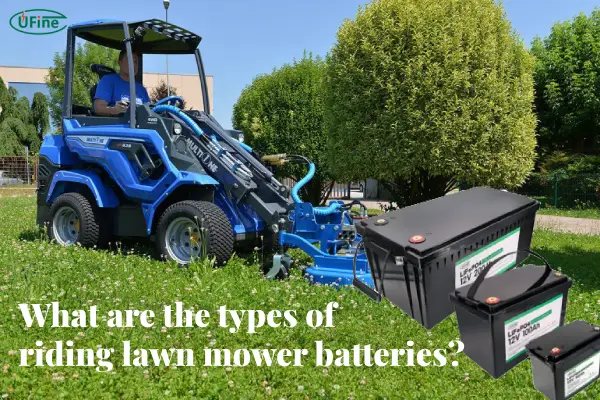
1 Flooded Lead-Acid Batteries
These are the classic choice. They’re affordable and widely available, but they require occasional water checks to prevent leaks. If neglected, their performance can degrade faster.
2 AGM Batteries
AGM batteries are sealed, maintenance-free, and more reliable in harsh conditions. They are spill-proof and easier to install, making them a popular option for homeowners who want convenience without sacrificing performance.
3 Lithium-Ion Batteries
Lithium batteries are lightweight, charge quickly, and last longer than lead-acid types. They cost more upfront, but save time and reduce frustration in the long run.
Type Comparison Table
| Feature | What to Consider | Why It Matters |
|---|---|---|
| Voltage | 12V vs 6V | Wrong voltage can damage mower |
| Capacity | 18–35 Ah | Affects runtime for your lawn size |
| Weight | 10–25 lbs | Impacts handling and storage |
| Size | U1, U1R, U1L | Ensures proper fit and safe connection |
AGM VS Lithium VS Lead-Acid Battery: Comprehensive Comparison
Part 3. Voltage, capacity, size, and weight
1 Voltage Considerations
Most modern mowers run on 12V, though some older models use 6V. Using the wrong voltage can cause poor starts or even damage your mower.
2 Capacity and Runtime
Capacity (ampere-hours, Ah) affects how long you can mow without recharging. Large lawns require higher Ah batteries, while smaller lawns don’t need extra-heavy capacity.
3 Weight and Handling
Lead-acid batteries are heavy, typically 15–25 lbs. This can make moving or storing your mower a bit tricky. Lithium batteries are under 10 lbs, which is easier to handle and store.
4 Size and Fit
Battery size affects compartment fit and terminal alignment. A battery that’s slightly too large or too small can cause loose connections or rattling. Always measure the compartment and confirm the correct size in your mower’s manual.
| Feature | What to Consider | Why It Matters |
|---|---|---|
| Voltage | 12V vs 6V | Wrong voltage can damage mower |
| Capacity | 18–35 Ah | Determines runtime for your lawn size |
| Weight | 10–25 lbs | Impacts handling and storage |
| Size | U1, U1R, U1L | Ensures proper fit and safe connection |
Part 4. Lawn mower battery sizes explained
Battery size is often overlooked, but it’s just as important as type or voltage. Common sizes include U1, U1R, U1L, plus some lithium-specific formats. Each size determines the compartment fit and terminal placement.
Common Riding Mower Battery Sizes
| Size | Dimensions (approx.) | Terminal Position | Typical Usage | Notes |
|---|---|---|---|---|
| U1 | 7.5 x 6.8 x 6.9 in | Center-top | Most residential mowers | Most common size |
| U1R | 7.5 x 6.8 x 6.9 in | Reversed | Some John Deere, Cub Cadet | Check cable alignment |
| U1L | 7.5 x 6.8 x 6.9 in | Left-side reverse | Less common | Verify manual before purchase |
| Lithium Variants | Varies (smaller than lead-acid) | Varies | High-performance & lightweight | Always check specs |
Tips for choosing the right size:
- Measure your battery compartment before buying.
- Check your mower’s manual for recommended size.
- Make sure terminals match your cable positions.
- A properly sized battery ensures consistent starts, stable connections, and safe operation.
Part 5. How long does a riding lawn mower battery last?
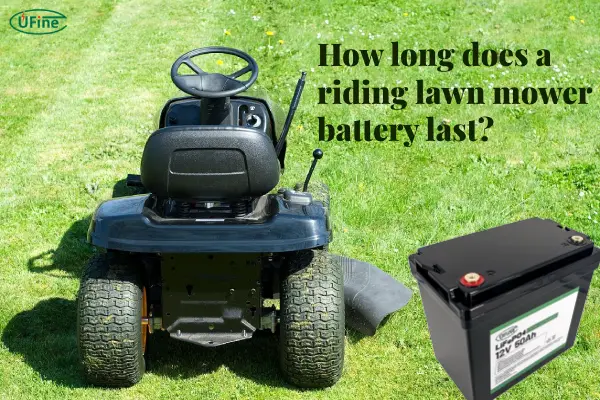
On average, a riding lawn mower battery has a lifespan of 3 to 5 years. However, various factors can influence this duration. Frequent use, extreme weather conditions, and inadequate maintenance can shorten battery life. For instance, a homeowner named Tom found that regularly charging his battery and keeping it clean extended its life significantly.
To maximize your battery’s lifespan, perform routine checks and maintenance. If you notice slow cranking or reduced performance, it may be time to consider a replacement.
Part 6. Brand and market trends
Not all batteries are created equal. Brands like John Deere, Cub Cadet, Husqvarna, and Troy-Bilt are known for compatibility and reliability. Generic batteries can save money but sometimes sacrifice lifespan or performance.
Market trends show lithium batteries gaining popularity for their lightweight design and long lifespan, especially as the lawn mower battery market is expected to reach $320 million by 2029. Lithium-ion and lithium-iron lawn mower batteries are the leading choices, as they don’t emit exhaust fumes and produce less greenhouse gas than lead-acid batteries. AGM remains a strong, reliable option for those who want maintenance-free performance without the higher cost of lithium. Flooded lead-acid still works for budget-conscious users or occasional mowing.
Part 7. Environment and usage considerations
Where you live and how you mow affect your battery choice. Cold winters can make batteries hard to start, while hot summers can reduce lifespan, especially for flooded lead-acid types.
Usage frequency matters too. If you mow a small yard once a week, a standard AGM or flooded battery may suffice. For larger lawns or multiple mowing sessions per week, lithium or high-capacity AGM batteries are better.
Storage also plays a role. Lithium batteries are lighter and easier to remove for indoor storage, preventing deep discharge and extending life. Proper storage and handling can make a huge difference in longevity.
Part 8. Maintenance, charging, and winter care
Even the best battery needs proper care. Flooded batteries require occasional water checks. AGM and lithium are mostly maintenance-free but still need correct charging. Always use a charger compatible with your battery type. Using the wrong charger can damage lithium batteries.
During winter, remove your battery and store it in a cool, dry place. Keeping it partially charged prevents deep discharge. Cleaning terminals and checking connections helps avoid corrosion and ensures your mower starts smoothly every season.
Part 9. Recognizing when it’s time for a new battery
Signs of Battery Failure
You may need a new battery if:
- The mower struggles to start
- You must recharge frequently
- Lights dim or flicker during use
Lifespan Expectations
Lead-acid and AGM batteries usually last 3–5 years. Lithium can reach 8 years. Replacing early prevents frustrating mornings with a mower that won’t start.
Part 10. Replacing your riding mower battery
Replacing a battery is straightforward.
First, turn off your mower and remove the key.
Then locate the battery (often under the seat). Disconnect the negative terminal first, then the positive. Remove the old battery, place the new one in, and reconnect positive first, then negative.
Test the mower before finishing.
Take your old battery to a certified recycling center, like those recommended by the EPA (nofollow). Proper disposal helps protect the environment.
Paryt 11. FAQs
Can I use a car battery in my riding mower?
Car batteries are usually larger, heavier, and have higher cold-cranking amps than mower batteries. While they may physically fit in some mowers, they can over-stress your mower’s electrical system. Stick to batteries designed for riding mowers to ensure safety and performance.
How often should I clean my battery terminals?
Even maintenance-free batteries benefit from a quick inspection. Cleaning terminals every 2–3 months with a mixture of baking soda and water prevents corrosion, which can reduce power flow and cause starting problems.
Can riding mower batteries be charged while installed?
Yes, most batteries can be charged in place, but using a charger designed for your battery type is crucial. For lithium batteries, avoid chargers meant for lead-acid batteries, as this can damage the battery or reduce its lifespan.
Can a low-quality battery affect mower blades or engine?
Indirectly, yes. A weak or inconsistent battery can prevent the engine from reaching optimal RPM quickly. Over time, this can cause uneven blade performance, strain on the starter motor, or difficulty engaging attachments.
What happens if I store a battery fully discharged?
Storing a battery fully discharged, especially during winter, can lead to sulfation in lead-acid types or deep discharge in lithium batteries. Both scenarios reduce battery lifespan and may make it impossible to recharge. Always store partially charged.
Can riding mower batteries power other accessories?
Yes, many batteries can power lights, stereo systems, or small attachments. However, adding accessories increases drain, so make sure your battery has sufficient capacity (Ah) to handle extra loads without affecting starting performance.
Related Tags:

More Articles

JST vs Molex: The Right Battery Connector Choice
JST or Molex for your battery? Learn how connector selection affects current, voltage drop, reliability, and device performance.
Custom Battery Pricing: Costs Manufacturers Don’t Mention
A low battery quote may not be the final cost. Discover common hidden expenses that affect custom lithium battery projects.
Battery Wire Length: Hidden Cause of Power Loss
A longer battery wire can cause voltage drop, power loss, and unstable operation. Learn how wire length affects battery performance.
How Device Sleep Modes Affect Battery Life
Think sleep mode extends battery life? Learn why devices still drain power and how firmware, hardware, and batteries affect runtime.
LiPo Battery and PCB Design: Clearance, Insulation, and Placement
Learn how to optimize LiPo battery PCB clearance, insulation, placement, wiring, and thermal design—and avoid common integration mistakes.