
- Part 1. What are small size batteries and how are they classified?
- Part 2. How we evaluated these small size batteries?
- Part 3. Small size batteries comparison: 10 Common options
- Part 4. How to choose the right small size batteries for your device?
- Part 5. Common small battery types and their real-world applications
- Part 6. FAQs about small size batteries
Looking for the right small size battery? This guide goes beyond simple recommendations. Instead of just listing options, we break down battery types, real-world use cases, and performance differences to help you choose the most suitable solution.
In this guide:
- Common types of small batteries and their differences
- A comparison of widely used small battery options
- Key technical factors (capacity, temperature, cycle life)
- Practical selection advice for different applications
Disclosure: Ufine Battery is a manufacturer of lithium batteries and is included in this guide. We aim to provide a balanced comparison based on technical specifications, application scenarios, and industry experience.
Part 1. What are small size batteries and how are they classified?
Small size batteries (also called compact or miniature batteries) are designed for devices where space is limited but reliable power is still required. These batteries are widely used in consumer electronics, medical devices, and compact industrial equipment.
Unlike larger battery systems, small batteries must balance size, capacity, and discharge performance. Choosing the right type depends heavily on the application scenario.
Common types of small batteries:
- Button Cell (Coin Cell): Ultra-compact batteries used in watches, hearing aids, and medical sensors.
- AA / AAA Batteries: Standard household batteries widely used in remote controls and portable electronics.
- Rechargeable NiMH Batteries: Suitable for frequent-use devices with moderate power demands.
- Lithium-Ion Small Batteries: High energy density, commonly used in compact smart devices and custom electronics.
- 9V Batteries: Used in specialized devices such as smoke detectors and measurement tools.
Part 2. How we evaluated these small size batteries?
To ensure a meaningful comparison, we evaluated small batteries based on a combination of technical specifications, typical application scenarios, and industry usage experience.
- Capacity & energy density: Measured in mAh and its impact on runtime
- Discharge performance: Stability under continuous and high-drain usage
- Temperature performance: Suitability for low and high temperature environments
- Cycle life (for rechargeable types): Number of charge/discharge cycles
- Application fit: Matching battery type to real-world device requirements
For lithium batteries, we also considered customization flexibility, safety design, and performance under extreme conditions.
Part 3. Small size batteries comparison: 10 Common options
The following comparison includes a mix of lithium, alkaline, and rechargeable batteries commonly used in compact devices. Instead of ranking purely by marketing claims, we focus on real-world usage scenarios and technical characteristics.
1. Energizer Ultimate Lithium (AA)
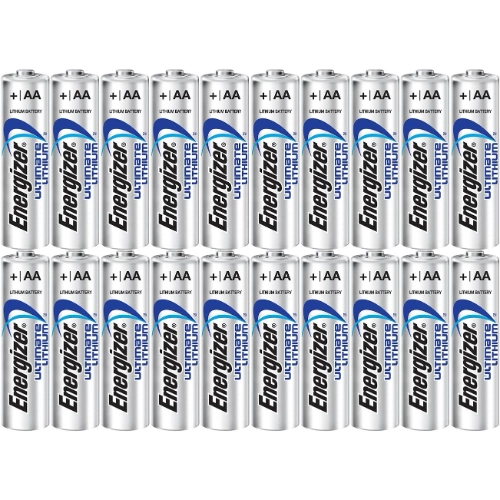
Best for: High-drain portable electronics in extreme environments
Key Specifications:
- Type: AA Lithium
- Operating Temperature: -40°F to 140°F
- Shelf Life: Up to 20 years
What we liked:
- Excellent performance in extreme temperatures
- Very long shelf life compared to alkaline batteries
- Stable output for high-drain devices
What could be improved:
- Higher cost compared to alkaline alternatives
- Limited rechargeability (single-use)
Bottom line: A reliable option for demanding environments where temperature resistance and long storage life are critical.
2. Panasonic Eneloop Pro (Rechargeable AA)
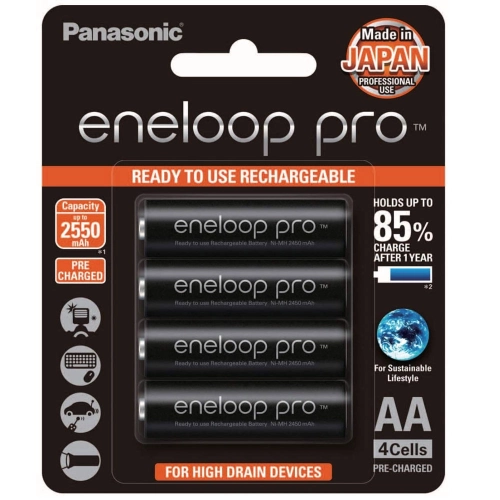
Best for: Reusable power in high-drain consumer electronics
Key Specifications:
- Capacity: 2550mAh
- Recharge Cycles: Up to 500
- Voltage: 1.2V
What we liked:
- Strong capacity for rechargeable AA batteries
- Performs well in low-temperature environments
- Good balance between performance and sustainability
What could be improved:
- Higher upfront cost than disposable batteries
- Requires compatible charger
Bottom line: A solid rechargeable solution for users who prioritize long-term cost efficiency and reduced waste.
3. Duracell CopperTop Alkaline (AA)
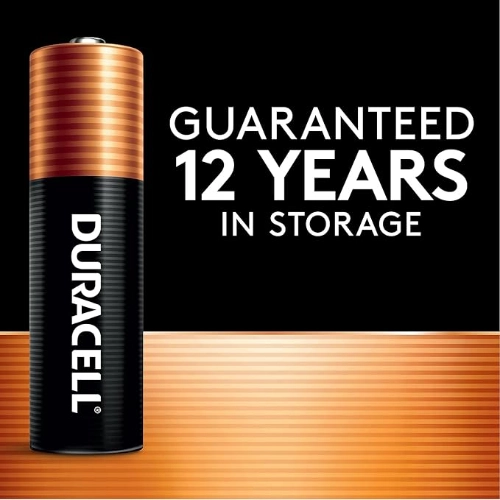
Best for: Everyday household devices
Key Specifications:
- Voltage: 1.5V
- Type: Alkaline
- Shelf Life: Up to 10 years
What we liked:
- Widely available and reliable
- Suitable for low to moderate drain devices
- Good leak protection design
What could be improved:
- Shorter lifespan in high-drain devices
- Not rechargeable
Bottom line: A dependable general-purpose battery for everyday electronics with moderate energy demands.
4. Ufine 3.7V 30mAh Lithium Ion Battery
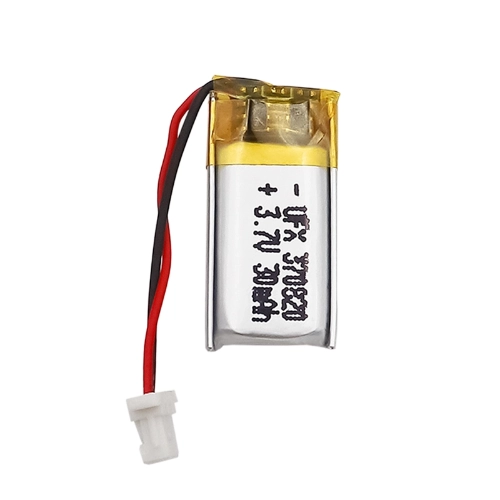
Best for: Ultra-compact custom devices and embedded electronics
Key Specifications:
- Capacity: 30mAh
- Voltage: 3.7V
- Operating Temperature: -20°C to 60°C
What we liked:
- Very compact size suitable for space-limited designs
- Stable lithium-ion performance with high energy density
- Suitable for customized battery solutions
What could be improved:
- Lower capacity compared to standard AA/AAA batteries
- Requires integration with battery management systems (BMS)
Bottom line: A specialized small lithium battery ideal for custom applications where size constraints and design flexibility are critical.
5. AmazonBasics AAA High-Performance
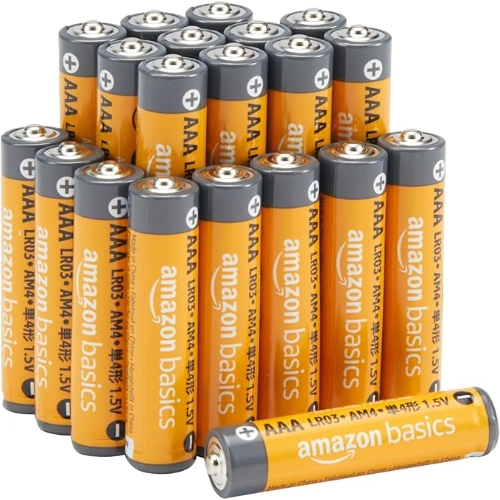
Best for: Low-drain devices such as remote controls, clocks, and basic electronics
Technical perspective: As a standard AAA alkaline battery (1.5V), it provides stable output under intermittent usage but is not designed for continuous high current discharge.
What we liked:
- Reliable performance for low-power applications
- Long shelf life suitable for backup storage
What could be improved:
- Performance drops quickly in high-drain devices
- Less cost-efficient for frequent usage compared to rechargeable options
Bottom line: A practical choice for everyday, low-drain usage where cost and availability matter more than performance.
6. Rayovac Fusion Alkaline
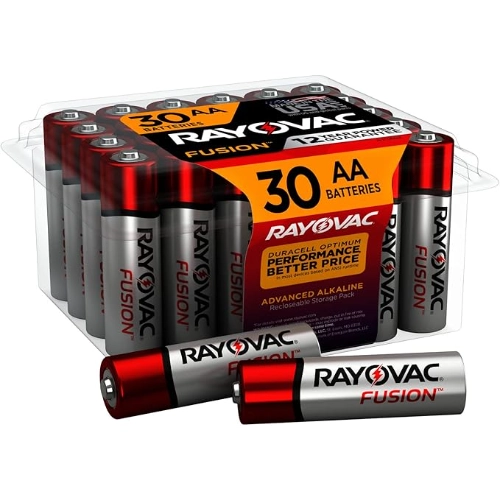
Best for: Mid-to-high drain consumer electronics
Technical perspective: Compared to standard alkaline batteries, this model is optimized for higher output stability, making it more suitable for devices with fluctuating power demand.
What we liked:
- Stronger performance in high-drain scenarios than basic alkaline batteries
- Improved durability and leak resistance
What could be improved:
- Still outperformed by lithium batteries in extreme conditions
- Non-rechargeable, leading to higher long-term cost
Bottom line: A step above entry-level alkaline batteries, suitable for users needing slightly higher performance without switching to lithium.
7. Varta Longlife Power
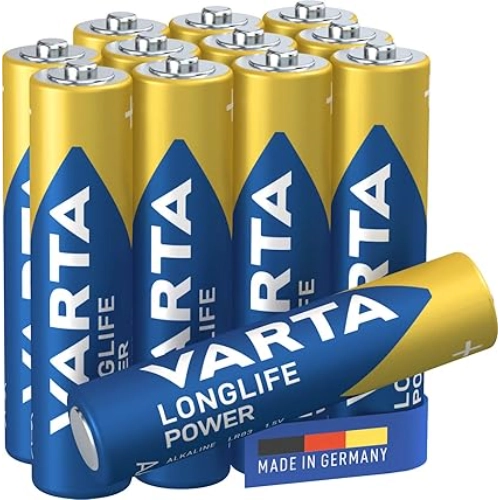
Best for: Stable performance in everyday and semi-professional devices
Technical perspective: Designed with a focus on consistency and safety, this battery performs reliably across a range of moderate-load applications.
What we liked:
- Consistent output for daily-use electronics
- Strong safety and leak protection design
What could be improved:
- Less competitive in high-drain applications
- Availability may vary depending on region
Bottom line: A dependable option for users prioritizing stability and safety over peak performance.
8. Sony Cycle Energy NiMH
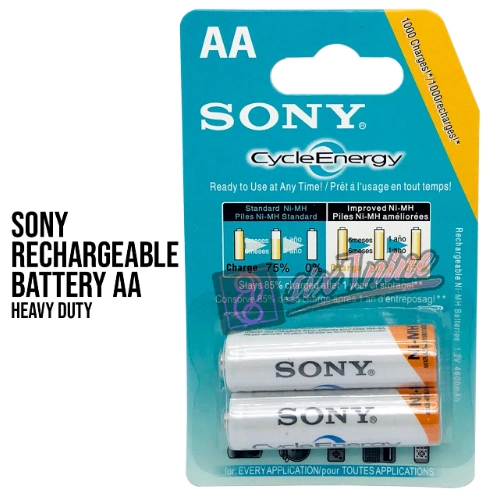
Best for: Frequent-use devices requiring rechargeable solutions
Technical perspective: NiMH chemistry allows repeated charging cycles, making it more sustainable and cost-effective over time compared to disposable batteries.
What we liked:
- High number of recharge cycles reduces long-term cost
- Suitable for moderate to high-drain devices
What could be improved:
- Higher self-discharge rate compared to lithium-ion batteries
- Requires proper charging management for optimal lifespan
Bottom line: A practical rechargeable solution for users looking to balance performance, cost, and environmental impact.
9. EBL Rechargeable Batteries
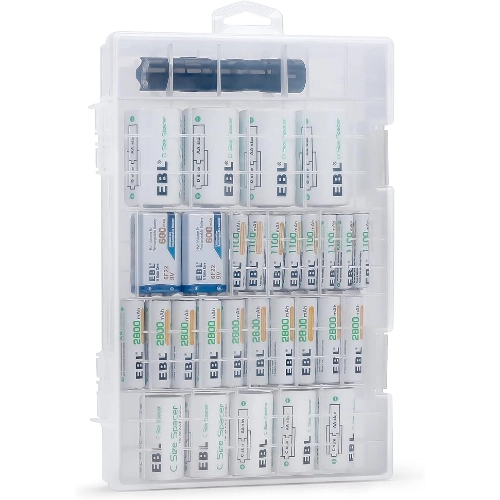
Best for: Multi-device compatibility with flexible size requirements
Technical perspective: The inclusion of adapters allows AA batteries to function as larger sizes (C/D), increasing versatility but also adding complexity.
What we liked:
- Flexible usage across multiple device types
- Cost-effective for users with varied battery needs
What could be improved:
- Adapters increase bulk and reduce compactness
- Performance may vary depending on device compatibility
Bottom line: A versatile option for households or users managing multiple battery-powered devices.
10. Tenergy Premium Rechargeable
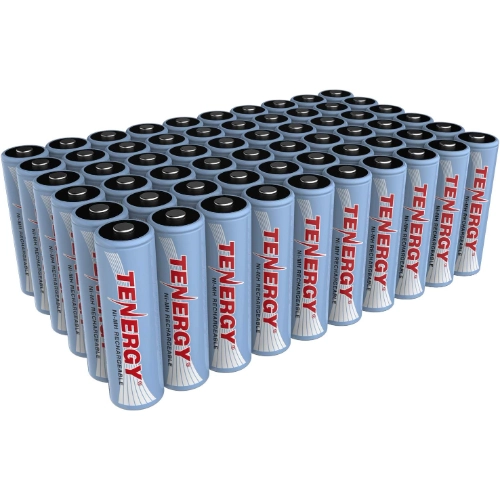
Best for: General-purpose rechargeable applications
Technical perspective: Designed for broad compatibility, this battery balances capacity and rechargeability, making it suitable for both low and moderate-drain devices.
What we liked:
- Versatile across a wide range of devices
- No memory effect allows flexible charging
What could be improved:
- Performance gradually declines after repeated cycles
- Not optimized for extreme temperature environments
Bottom line: A flexible rechargeable option for everyday use, especially where convenience matters more than peak performance.
Part 4. How to choose the right small size batteries for your device?
Choosing the right small size batteries is not only about size compatibility. Different battery types perform very differently depending on the application, usage frequency, and operating environment.
Below are the key factors to consider when selecting small batteries:
- Device compatibility: Always match the battery size (AA, AAA, coin cell, or custom lithium battery) with your device requirements. Even small dimensional differences can affect performance or safety.
- Power demand (low vs high drain): Low-drain devices (e.g., remotes, clocks) work well with alkaline batteries, while high-drain devices (e.g., cameras, medical electronics) require lithium or rechargeable batteries.
- Battery chemistry: Lithium batteries offer higher energy density and better temperature performance, while NiMH batteries are more suitable for repeated use. Alkaline batteries are best for cost-sensitive, low-power applications.
- Operating temperature: If your device operates in extreme environments, lithium batteries perform significantly better than alkaline or NiMH options.
- Rechargeability: For frequently used devices, rechargeable batteries reduce long-term cost and environmental impact.
- Size constraints and customization: For compact or embedded devices, ultra-small lithium batteries or custom battery packs may be required to meet design limitations.
In practice, there is no single “best” battery for all scenarios. The right choice depends on balancing size, performance, and usage conditions.
Part 5. Common small battery types and their real-world applications
Different types of small batteries are designed for specific use cases. Understanding these differences can help you select the most efficient option.
- Alkaline small batteries: Best for low-drain devices such as remote controls, clocks, and toys. They are affordable but not suitable for continuous high power usage.
- Lithium small batteries: Ideal for high-performance and compact devices. They offer high energy density, stable voltage output, and excellent performance in extreme temperatures.
- NiMH rechargeable batteries: Suitable for frequently used electronics like cameras and gaming devices. They reduce long-term costs but require proper charging management.
- Button cell batteries: Used in ultra-small electronics such as watches, hearing aids, and medical sensors.
- Custom lithium batteries: Designed for specialized applications such as medical devices, IoT devices, and industrial electronics where standard sizes are not sufficient.
By matching battery type with application, users can significantly improve both performance and lifespan.
Part 6. FAQs about small size batteries
What are small size batteries?
Small size batteries are compact power sources designed for devices with limited space, such as remote controls, medical devices, and portable electronics. Common types include AA, AAA, button cells, and small lithium batteries.
What are the most common small battery types?
The most common small battery types include alkaline (AA, AAA), lithium batteries, NiMH rechargeable batteries, and button cell batteries. Each type is suited for different power and usage requirements.
Which small battery is best for high-drain devices?
Lithium batteries are generally the best choice for high-drain devices because they provide stable voltage output, higher energy density, and better performance under heavy load compared to alkaline batteries.
What is the smallest battery size available?
The smallest battery sizes are typically button cells or custom micro lithium batteries, which can be only a few millimeters in diameter and are used in compact electronics and medical devices.
Are rechargeable small batteries better than disposable ones?
Rechargeable small batteries are better for frequent use because they reduce long-term cost and waste. However, disposable batteries may be more convenient for low-drain or backup applications.
Related Tags:

More Articles
Dead Battery or Device Failure? How to Find the Cause
Think your device is broken? Learn how to tell if the problem comes from battery aging or hardware failure before replacing your electronics.
Why iPhone Duo Uses Two Batteries: The Engineering Behind Foldable Phone Power
Why do foldable phones need two batteries? Explore the engineering challenges behind iPhone Duo’s dual-battery architecture and future battery trends.
Solid-State Batteries: 3 Myths You Need to Know
Solid-state batteries promise safer EVs and longer range, but the reality is more complex. Discover the challenges behind this next-gen technology.
Battery Capacity vs Discharge Rate: The Choice Engineers Face
Higher capacity or higher discharge rate? Learn how to choose the right LiPo battery for longer runtime, stable power output, and better device performance.
Battery Cable Size Guide: Choose the Right Wire Fast
Not sure what battery cable size you need? Learn how to select the right wire gauge, terminal size, and cable for safer, more efficient battery systems.


