
- Key Takeaways
- Part 1. What is a swollen battery
- Part 2. The chemistry behind swelling
- Part 3. How batteries swell
- Part 4. How dangerous is a swollen battery?
- Part 5. Signs your battery is swelling
- Part 6. Can a swollen battery be used?
- Part 7. Should you try to fix it?
- Part 8. Safe removal and disposal
- Part 9. Can a swollen battery explode?
- Part 10. Prevention habits that make a difference
- Part 11. Wrapping Up
- Part 10. FAQs
Key Takeaways
- A swollen lithium battery isn’t just cosmetic—it’s a safety hazard that can lead to fire, chemical leakage, or device damage.
- Common causes include overcharging, heat, aging, manufacturing defects, and physical damage.
- Once swelling starts, stop using the device immediately and handle the battery per safety guidelines.
- Preventive care—like avoiding extreme heat and using quality chargers—can significantly reduce risk.
Part 1. What is a swollen battery
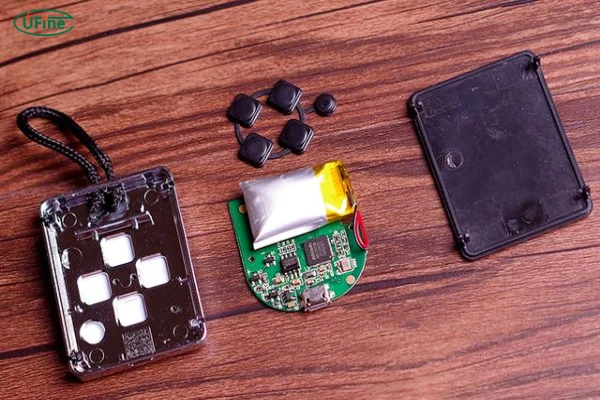
When a lithium-ion battery swells, gases build up inside the cell casing due to unwanted chemical reactions. These gases cause the battery to physically expand and, in severe cases, push against the device’s frame or screen.
This is different from normal battery wear: it’s a symptom that something has gone wrong inside the chemistry of the battery. Unlike some minor electronic glitches, swelling is irreversible and a sign of internal structural damage.
Part 2. The chemistry behind swelling
Inside a lithium-ion battery, electrodes and electrolytes work together to store energy. Over time—or under stress—several things can happen:
- Electrolyte decomposition releases gases such as CO, CO₂, and H₂.
- Repeated charge/discharge cycles cause the solid electrolyte interphase (SEI) layer to thicken, increasing internal resistance and heat.
- Manufacturing defects like uneven electrode coatings create micro‑shorts that accelerate gas production.
These processes produce pressure inside the sealed battery cell, causing it to bulge.
To better understand the chemical reactions that power modern cells, check out how a battery works and the roles of anode and cathode. How does a battery work? Complete Guide to Battery Operation.
Part 3. How batteries swell
Below is a more complete look at what makes batteries expand:
| Cause | Why It Matters |
|---|---|
| Overcharging | Charging beyond safe voltage levels produces excess gas that increases pressure. |
| Heat Exposure | High temperatures (>60°C/140°F) accelerate chemical reactions inside the cell. |
| Natural Aging | Older batteries have thicker SEI layers and degrade faster, increasing the chance of gas buildup. |
| Poor Manufacturing | Defects in electrode coatings or seals raise the risk dramatically. |
| Physical Damage | Drops, bends, or punctures can create internal shorts that trigger gas production. |
Part 4. How dangerous is a swollen battery?
Once swelling starts, it’s a serious red flag. Here’s what can go wrong:
Potential Consequences
- Fire or Ignition: Increased pressure and internal heat may spark thermal runaway, leading to fire.
- Explosion Risk: High internal gas pressure—especially if punctured—can cause violent rupture.
- Toxic Leaks: Electrolytes inside the battery are corrosive and hazardous upon contact.
- Device Damage: Expansion can warp casings or crack screens.
The U.S. Consumer Product Safety Commission (CPSC) has repeatedly issued warnings about lithium‑ion batteries posing fire and burn hazards, including recalls when overheating and swelling caused serious risks in consumer products.
A swollen battery still powering a device is a ticking time bomb—stop using it immediately.
Part 5. Signs your battery is swelling
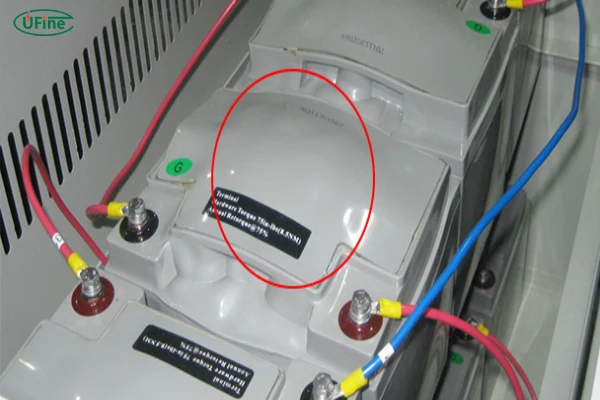
Swelling is often visible before it’s hazardous. Here are the most reliable signs:
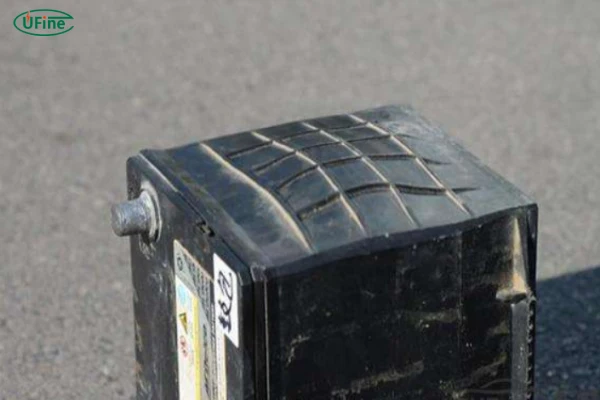
- Bulging Case or Screen: A clear upward warp in the device body.
- Lifted Screen: Screen starts to separate from the frame.
- Poor Performance: Rapid drain, erratic battery percentages, or voltage dropping fast.
- Heat During Charging: The device gets extra hot near the battery.
- Odd Sounds or Smells: Hissing or chemical odors.
Even subtle bulges are dangerous; don’t wait until it’s obvious.
Part 6. Can a swollen battery be used?
No. Even if the device seems to work normally, continued use risks fire or explosion. Once swelling begins, the internal protective mechanisms are no longer reliable.
Part 7. Should you try to fix it?
Absolutely not. A swollen battery cannot be repaired—only replaced. Trying to puncture or compress it, even out of curiosity or frustration, significantly increases the danger.
Part 8. Safe removal and disposal
Turn Off the Device
Power it down immediately and disconnect any charging accessories.
Protect Yourself
Wear gloves and eye protection, and avoid metal tools that might puncture the battery.
Move Carefully
If the battery is removable, carefully extract it and place it on a non‑flammable surface like concrete or metal.
Contain It Safely
If a fireproof containment bag or container is available, use it. Hold materials like sand or metal cans as secondary containment.
Do Not Throw in Trash
Swollen batteries are hazardous waste. Never mix them with regular trash—they might ignite or leak.
Take to a Certified Recycler
Many electronics stores, recycling centers, and municipal hazardous waste facilities accept lithium‑ion batteries. If you’re unsure where to go, contact local waste management or electronics retailers.
Part 9. Can a swollen battery explode?
The likelihood of an immediate explosion is low, but the risk increases rapidly if the battery is punctured, charged again, or exposed to heat. Even small mechanical stress can push an already compromised battery toward thermal runaway.
What is the lithium ion battery fire temperature?
Think of it like a shaken carbonated drink—the pressure is contained normally, but compromise the container and everything goes wrong.
Part 10. Prevention habits that make a difference
You may not be able to prevent every issue, but smart care dramatically reduces your risk.
| Habit | Benefit |
|---|---|
| Avoid Overcharging | Stops excessive heat and gas buildup. |
| Keep Devices Cool | Reduces thermal stress on cells. |
| Use Certified Chargers | Prevents unstable voltages that accelerate damage. |
| Don’t Push to 0% or 100% Frequently | Moderates strain on battery chemistry. |
| Check Battery Health Regularly | Early issues can be spotted before swelling starts. |
Part 11. Wrapping Up
Swollen batteries are more than just a nuisance—they’re a serious hazard. Recognizing the early signs, understanding the risks, and following proper handling procedures not only protects your device but also keeps you and others safe.
In short:
If you see swelling, don’t use the device.
Remove and dispose of the battery safely.
Practice good battery habits to avoid swelling in the first place.
Part 10. FAQs
Can a swollen battery recover if I stop using it?
No, once a battery swells, the internal chemical reactions are irreversible. Stopping use prevents further damage but doesn’t shrink the battery.
Are all devices equally at risk for battery swelling?
No. High-capacity devices like laptops, e-bikes, and tablets are more prone than small gadgets, especially under heat stress.
Is it safe to ship a device with a swollen battery?
No. Swollen batteries are considered hazardous. Shipping them can violate safety regulations and risk fire.
Does cold weather prevent battery swelling?
Extreme cold slows chemical reactions but doesn’t eliminate risk. Swelling is still possible if the battery is damaged or overcharged.
Are replacement batteries always safe from swelling?
Not always. Only use high-quality, certified replacements. Cheap or counterfeit batteries may have manufacturing flaws that cause swelling.
Related Tags:

More Articles

JST vs Molex: The Right Battery Connector Choice
JST or Molex for your battery? Learn how connector selection affects current, voltage drop, reliability, and device performance.
Custom Battery Pricing: Costs Manufacturers Don’t Mention
A low battery quote may not be the final cost. Discover common hidden expenses that affect custom lithium battery projects.
Battery Wire Length: Hidden Cause of Power Loss
A longer battery wire can cause voltage drop, power loss, and unstable operation. Learn how wire length affects battery performance.
How Device Sleep Modes Affect Battery Life
Think sleep mode extends battery life? Learn why devices still drain power and how firmware, hardware, and batteries affect runtime.
LiPo Battery and PCB Design: Clearance, Insulation, and Placement
Learn how to optimize LiPo battery PCB clearance, insulation, placement, wiring, and thermal design—and avoid common integration mistakes.


