- Key takeaways
- Part 1. What is a 3 volt battery?
- Part 2. Primary vs. rechargeable 3 volt batteries
- Part 3. Common 3V battery types and specifications
- Part 4. Where 3 volt batteries are commonly used
- Part 5. How long does a 3 volt battery last?
- Part 6. Is a 3 volt battery rechargeable?
- Part 7. Can two AA batteries replace a 3V battery?
- Part 8. Key parameters to consider when choosing a 3V battery
- Part 9. Final thoughts
- Part 10. FAQs
A 3 volt battery is one of those components most people rarely think about—until a device suddenly stops working. From car key fobs and watches to sensors and smart electronics, 3V batteries quietly deliver stable power for years with minimal attention.
At first, a 3V battery sounds straightforward. However, once you start comparing battery types, chemistries, and rechargeable options, the picture becomes more complex. Choosing the wrong 3 volt battery can lead to short runtime, unstable voltage, or compatibility issues.
This guide explains what a 3 volt battery is, how different 3V battery types compare, and what actually matters when selecting a 3 volt rechargeable battery or primary lithium battery in real applications.
Key takeaways
- Not all 3V batteries are interchangeable. Coin cells like CR2032 prioritize compact size and long standby life, while cylindrical options such as CR123A support higher discharge currents.
- Primary lithium 3 volt batteries offer the longest shelf life and lowest self-discharge, making them the preferred choice for devices that remain idle for long periods.
- A 3 volt rechargeable battery can reduce replacement costs, but only if the device is designed to support rechargeable chemistry and proper charging control.
- Battery capacity alone does not determine performance. Discharge rate, temperature range, and usage pattern often have a greater impact on real-world battery life.
Part 1. What is a 3 volt battery?
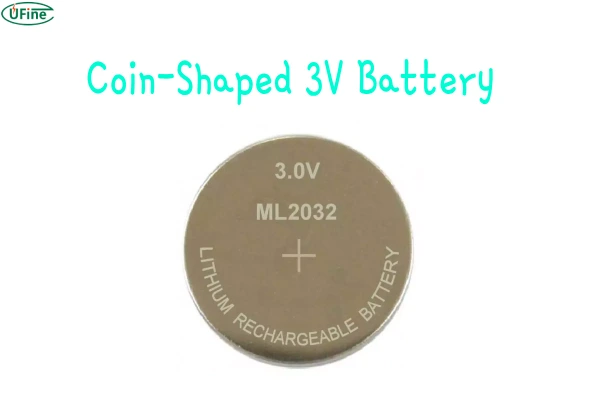
A 3 volt battery is designed to deliver a nominal voltage of 3.0V with minimal fluctuation during discharge. This stable voltage output is the main reason 3V batteries are widely used in low-power and precision electronics.
Most 3V batteries fall into two physical categories:
- Coin-shaped lithium batteries, such as CR2032 and CR2025
- Cylindrical lithium batteries, such as CR123A
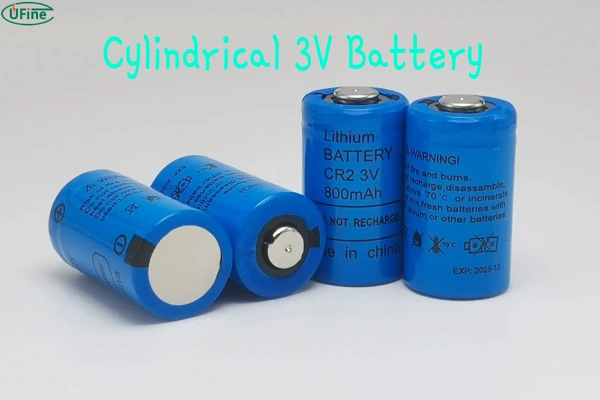
Although they share the same voltage rating, their capacity, discharge capability, and physical size vary significantly. In practice, voltage compatibility is only the starting point—battery chemistry and load requirements matter just as much.
Part 2. Primary vs. rechargeable 3 volt batteries
Before choosing a battery, it helps to understand whether your application is better suited for a primary (non-rechargeable) or a rechargeable 3V battery.
1 Primary 3V Lithium Batteries
Primary lithium 3 volt batteries are optimized for long service life and reliability. They offer extremely low self-discharge, which makes them ideal for devices that remain in standby mode for extended periods.
Typical advantages include:
- Shelf life up to 10 years
- Stable voltage throughout discharge
- Wide operating temperature range
- Minimal maintenance
This is why coin cells like CR2032 dominate applications such as watches, remotes, and sensors.
2 Rechargeable 3 Volt Batteries
A 3 volt rechargeable battery is usually based on lithium-ion chemistry. While rechargeable options reduce replacement costs over time, they introduce additional considerations such as charging voltage, protection circuitry, and device compatibility.
Rechargeable 3V batteries are better suited for devices with frequent power consumption, where replacing disposable batteries would be inefficient.
Table 1: Primary vs. Rechargeable 3 Volt Batteries
| Feature | Primary 3V Lithium Battery | Rechargeable 3V Battery |
|---|---|---|
| Rechargeable | No | Yes |
| Shelf Life | Up to 10 years | Shorter |
| Self-Discharge | Very low | Higher |
| Maintenance | Minimal | Requires charging |
| Typical Use | Low-drain, standby devices | Frequent-use electronics |
In practice, using a rechargeable battery in a device not designed for it can cause unstable performance or even damage.
Primary Battery Vs. Rechargeable Lithium Battery
Part 3. Common 3V battery types and specifications
Not all 3V batteries are interchangeable. The most commonly used models differ greatly in size, capacity, and current capability.
Table 2: Common 3 Volt Battery Types
| Battery Type | Shape | Typical Capacity | Common Applications |
|---|---|---|---|
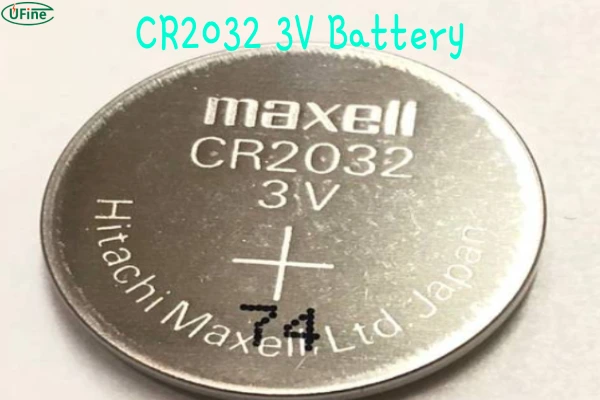
| CR2032 | Coin | 220–240 mAh | Watches, trackers, CMOS |
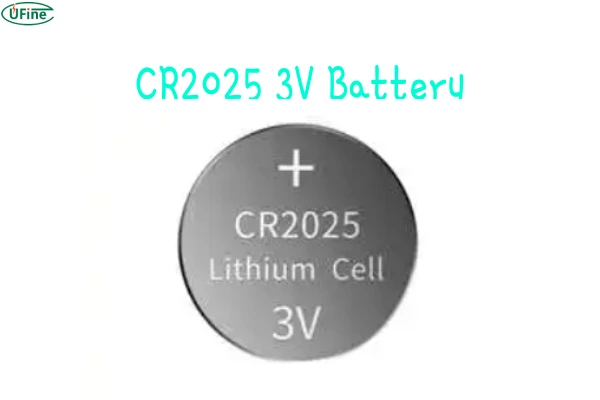
| CR2025 | Coin | 150–170 mAh | Slim remotes, medical devices |
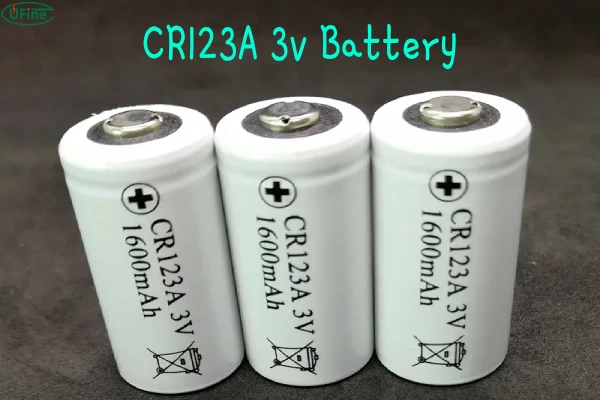
| CR123A | Cylindrical | ~1500 mAh | Cameras, flashlights, sensors |
Coin cells prioritize compact size and long standby life, while cylindrical 3V batteries like CR123A are designed for higher discharge rates and more demanding loads.
Part 4. Where 3 volt batteries are commonly used
The versatility of a 3V battery makes it suitable for a wide range of electronics. You will commonly find them in:
- Car key fobs – long standby life with consistent voltage
- Watches and wearables – precise power delivery over years
- Medical devices – reliability and low self-discharge are critical
- Smart home systems – motion sensors, door locks, alarms
- Cameras and LED flash units – typically using CR123A batteries
In these applications, stable voltage matters more than raw capacity, which explains the dominance of lithium-based 3V batteries.
Part 5. How long does a 3 volt battery last?
Battery life depends on more than capacity alone. Discharge rate, usage pattern, and operating environment all play a role.
- A CR2032 lithium battery can last 8–10 years in low-drain devices.
- A CR123A 3V battery typically lasts 3–5 years under moderate load.
- Rechargeable 3V batteries may last fewer years per charge cycle but offer longer total service life if managed properly.
Devices with long standby periods benefit most from primary lithium batteries, while frequently used electronics may justify rechargeable solutions.
Part 6. Is a 3 volt battery rechargeable?
Yes—but only in specific cases.
A 3 volt rechargeable battery usually operates within a controlled voltage range and requires a compatible charging system. Not all 3V devices are designed to handle charging circuits or lithium-ion behavior.
If a device does not explicitly support rechargeable batteries, using one can result in:
- Reduced runtime
- Improper charging
- Safety risks
Always confirm device compatibility before switching battery types.
Part 7. Can two AA batteries replace a 3V battery?
All About AA Rechargeable Batteries
Technically, two AA batteries connected in series produce 3 volts. However, voltage alone does not guarantee compatibility.
Differences in size, discharge characteristics, and internal resistance mean that two AA batteries rarely serve as a practical replacement for a dedicated 3V lithium battery. Most 3V-powered devices are designed specifically for compact lithium cells.
Part 8. Key parameters to consider when choosing a 3V battery
When selecting a 3 volt battery, focus on the following technical parameters:
Table 3: Key Selection Parameters for 3V Batteries
| Parameter | Why It Matters |
|---|---|
| Capacity (mAh) | Determines runtime |
| Battery Chemistry | Affects stability and lifespan |
| Discharge Rate | Must match device load |
| Operating Temperature | Critical for outdoor or industrial use |
| Shelf Life | Important for backup power |
For example, a CR123A offers significantly higher capacity and discharge capability than a CR2032, but it also requires more installation space.
Part 9. Final thoughts
A 3V battery may be small, but it plays a critical role in modern electronics. Understanding the differences between primary and rechargeable options, as well as common 3V battery types, helps prevent performance issues and unnecessary replacements.
By matching the right 3 volt battery to your device’s power requirements and usage pattern, you ensure stable operation, longer service life, and improved reliability.
Part 10. FAQs
1. Can I replace any 3V battery with another 3V battery?
No. Even if two batteries share the same 3V rating, differences in size, capacity, and discharge behavior can affect compatibility. Using the wrong 3 volt battery may cause poor performance or prevent the device from working at all.
2. Why do some 3 volt batteries last much longer than others?
Battery lifespan depends on more than capacity. Factors such as self-discharge rate, internal resistance, storage conditions, and device power consumption all influence how long a 3V battery lasts in real use.
3. Do 3 volt batteries lose power when stored for a long time?
Yes, but the rate varies. Primary lithium 3 volt batteries lose very little power during storage, which is why they are commonly used for backup and standby applications. Storage temperature and humidity still play a role in preserving battery health.
4. How do I know if a rechargeable 3V battery is worth using in my device?
A rechargeable 3 volt battery makes sense when the device is used frequently and supports rechargeable chemistry. For low-drain or rarely used devices, a primary lithium 3V battery is usually more efficient and reliable.
Related Tags:

More Articles

Best 24V Lithium Battery: Top 10 Compared
Discover the top 24V lithium batteries. We compare capacity, price, cycle life, safety features, and the best options for different applications.
Top LFP Cell Manufacturers in China You Should Know
Looking for reliable LiFePO4 cells? Explore China's top LFP battery manufacturers, key technologies, production capabilities, and supplier selection tips.
Check If Your Charger Works: Simple Test Guide
Think your battery charger's broken? Quick tests can show you for sure. See if it’s the charger or the battery that's causing issues. Read more.
Best Camera Batteries: 7 Brands Compared & Tested
Looking for the best camera battery? Compare 7 top brands, including OEM and third-party options, to find the right battery for your camera.
What You Need to Know About Portable Fan Batteries
Discover the best portable electric fan battery, its types, lifespan, and maintenance tips. Learn how to choose the right one and keep it running longer.