
- Key takeaways
- Part 1. What is a slim lithium battery
- Part 2. Slim battery types and their differences
- Part 3. Chemistry of slim lithium batteries
- Part 4. How thin is a slim lithium battery
- Part 5. Voltage
- Part 6. Typical capacity range
- Part 7. Advantages and disadvantages
- Part 8. Where slim lithium batteries are used
- Part 9. Voltage and performance considerations
- Part 10. Choosing the right slim battery
- Part 11. FAQs
Slim lithium batteries didn’t become popular because they were trendy — they became essential. As devices got thinner, designers ran into a very real problem: traditional batteries simply didn’t fit anymore.
That’s where the slim lithium battery comes in. Whether you’re designing a wearable, medical device, GPS tracker, or compact industrial equipment, choosing the right thin lithium battery often determines how successful your product will be.
This guide walks you through what slim batteries actually are, how they differ, and how to choose the right one.
Key takeaways
- Slim lithium batteries are designed for space-constrained devices without sacrificing performance
- The most common slim battery types include Li-polymer, lithium-ion, and LiFePO4
- Thinner batteries usually mean lower capacity, so balance is important
- Customization is often necessary for real-world applications
- Slim batteries are widely used in wearables, medical devices, and IoT products
Part 1. What is a slim lithium battery
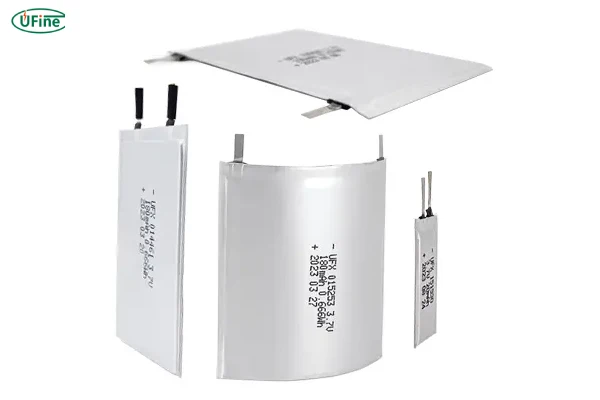
A slim lithium battery is simply a lithium-based rechargeable battery designed with a reduced thickness. But in practice, it’s more than just “thin.”
A well-designed thin lithium battery balances three things:
- thickness
- capacity
- discharge performance
If you push one too far — for example, making the battery extremely thin — you usually sacrifice the others.
Most slim lithium batteries today use lithium polymer (LiPo) pouch cells because they allow flexible sizing. Unlike cylindrical cells, pouch cells can be shaped to match the device rather than forcing the device to match the battery.
That’s why you’ll often see slim batteries used in:
- Smart cards
- Wearables
- Medical devices
- IoT hardware
These applications don’t just need power — they need power that fits.
If you want to see how different battery shapes affect performance, check out our cylindrical vs prismatic vs pouch cells guide.
Part 2. Slim battery types and their differences
Not all slim lithium batteries are the same. The chemistry you choose affects safety, lifespan, and performance.
Here’s a practical comparison:
| Battery Type | Thickness Potential | Energy Density | Cycle Life | Best For |
|---|---|---|---|---|
| Lithium Polymer (LiPo) | Ultra thin (1–10mm) | High | 500–800 cycles | Wearables, IoT |
| Lithium-ion (Li-ion) | Medium | High | 500–1000 cycles | Consumer electronics |
| LiFePO4 | Usually thicker | Medium | 2000+ cycles | Industrial & medical |
A slim LiFePO4 battery is particularly interesting. It’s not always the thinnest option, but it offers excellent safety and long lifespan. That’s why it’s commonly used in medical and industrial environments where reliability matters more than compact size.
Part 3. Chemistry of slim lithium batteries
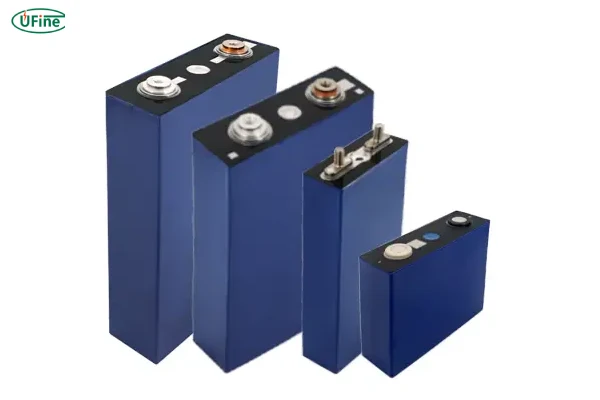
Slim lithium batteries come in various types, depending on their chemical composition and intended use. Here are the most common types:
-
LiCoO2 (Lithium Cobalt Oxide): Known for high energy density and good thermal stability, LiCoO2 batteries are often used in high-performance electronics, such as smartphones and laptops.
-
LiFePO4 (Lithium Iron Phosphate): These batteries are known for their enhanced safety and long cycle life. They are typically used in applications where reliability and safety are paramount, such as in electric vehicles and solar energy storage systems.
-
LiMn2O4 (Lithium Manganese Oxide): Offering good thermal stability and safety, LiMn2O4 batteries are commonly used in power tools and medical devices. They strike a balance between energy density and cost.
-
LFP (Lithium Phosphate): These are newer, more eco-friendly alternatives that provide excellent cycle life and improved safety, commonly used in renewable energy systems.
Part 4. How thin is a slim lithium battery
There’s no universal definition, but most manufacturers consider a battery “slim” when thickness falls between 1mm and 10mm.
However, thickness directly impacts capacity. Here’s a rough idea:
| Thickness | Typical Capacity Range | Common Use |
|---|---|---|
| 1–3 mm | 50–300 mAh | Smart cards, sensors |
| 3–6 mm | 300–1500 mAh | Wearables, IoT |
| 6–10 mm | 1500–5000 mAh | Tablets, portable devices |
This is why engineers often say: thinner isn’t always better.
If you go too thin, the device may not last long enough between charges — and that creates a poor user experience.
Custom slim lithium batteries and why they matter
In many cases, off-the-shelf batteries don’t work. That’s when custom slim batteries become necessary.
Manufacturers like Ufine Battery often design batteries tailored to specific devices. This may include:
- Custom thickness
- Custom shape
- Connector selection
- Protection circuit integration
Custom batteries are especially useful when your device has strict space constraints or unique performance requirements.
Part 5. Voltage
The typical voltage of slim lithium batteries is 3.7V, which is standard for most lithium-ion cells. This voltage can vary slightly depending on the specific type of lithium chemistry used, but 3.7V is the most common. Some batteries may have multiple cells in series, which increases the voltage for higher-power applications, such as electric vehicles or energy storage systems.
Part 6. Typical capacity range
The capacity of a slim lithium battery typically ranges from 100mAh to 3000mAh, depending on the intended application. For example:
- Small devices like fitness trackers or wireless earbuds usually have batteries around 100mAh to 500mAh.
- Portable electronics like smartphones and tablets typically range from 1000mAh to 3000mAh.
- Larger applications such as electric vehicles may use batteries with a much higher capacity, depending on the specific requirements of the device.
Part 7. Advantages and disadvantages
Advantages
- Space-Efficient: The slim design allows these batteries to be used in devices with limited space, offering a compact yet powerful solution.
- Lightweight: With their thin profile, these batteries are ideal for portable applications, where weight is a concern.
- High Energy Density: Slim lithium batteries provide more power per unit of volume compared to traditional battery types.
- Long Life Span: Thanks to their robust design, slim lithium batteries typically offer longer lifespans, with more charge/discharge cycles.
- Faster Charging: Many slim lithium batteries are designed to support faster charging speeds, which is a great benefit for portable electronics.
Disadvantages
- Higher Cost: While efficient, slim lithium batteries can be more expensive due to the materials used in their construction.
- Temperature Sensitivity: These batteries can be sensitive to extreme temperatures, which may impact their performance if not used in appropriate conditions.
- Limited Power Output: Due to their compact size, these batteries may not be suitable for high-power-demand applications like large electric vehicles or industrial equipment.
Part 8. Where slim lithium batteries are used
Slim batteries appear in more places than you might expect. You probably use one every day without noticing.
Here are some of the most common scenarios:
- Wearable devices like smartwatches and fitness trackers
- Medical equipment such as portable monitors
- GPS trackers and IoT devices
- Smart cards and compact consumer electronics
What these devices share is simple: they prioritize size, weight, and user comfort.
Part 9. Voltage and performance considerations
Most slim lithium batteries use the standard lithium-ion voltage:
- 3.7V nominal (Li-ion / LiPo)
- 3.2V nominal (LiFePO4)
For higher voltage requirements, multiple cells can be connected in series. But doing so increases thickness, which again becomes a design trade-off.
You can also consider discharge rate. Slim batteries typically have lower discharge capability compared to thicker batteries. This matters if your device has sudden power spikes, like wireless transmission or motors.
Part 10. Choosing the right slim battery
Selecting the right slim battery is rarely about just capacity. It’s about understanding your device’s real-world usage.
Here are the key things you should think about:
- Capacity (mAh): Choose the right capacity based on the energy requirements of your device.
- Voltage (V): Ensure that the battery’s voltage matches your device’s power needs.
- Cycle Life: Look for a battery that offers a high number of charge/discharge cycles for long-lasting performance.
- Size and Shape: Make sure the dimensions of the battery fit your device or application.
- Safety Features: Opt for batteries with built-in safety features like overcharge protection and thermal management.
- Charging Time: If fast charging is critical, check the battery’s charging specifications.
For example, a wearable device may prioritize comfort and weight, while an industrial tracker may prioritize reliability and temperature tolerance.
Part 11. FAQs
1. Can slim lithium batteries be made in custom shapes?
Yes, one of the biggest advantages of a slim lithium battery is design flexibility. Unlike cylindrical cells, thin lithium batteries can be customized into rectangular, curved, or irregular shapes to fit compact devices.
2. Do slim lithium batteries degrade faster than standard batteries?
Not necessarily. A well-designed slim lithium battery can last just as long as a standard lithium battery. However, extremely thin batteries may experience slightly faster degradation if they are frequently charged at high current or exposed to high temperatures.
3. Can slim lithium batteries handle high current applications?
Most slim lithium batteries are designed for low to moderate power consumption. If your device requires sudden current spikes, such as wireless transmission or motor-driven components, the battery must be carefully selected. Some thin lithium batteries are engineered with higher discharge rates, but this usually increases thickness slightly.
4. Can slim lithium batteries be used in IoT devices?
Yes, slim lithium batteries are commonly used in IoT devices such as trackers, sensors, and smart monitoring systems. These devices often require compact power sources that can fit into small enclosures while maintaining long standby time.
5. Are slim lithium batteries more expensive?
In some cases, yes. Slim lithium batteries often require customized designs and specialized manufacturing processes. While this can increase cost, the benefits of compact size and flexible design often outweigh the price difference, especially for space-constrained devices.
Related Tags:

More Articles

Best 24V Lithium Battery: Top 10 Compared
Discover the top 24V lithium batteries. We compare capacity, price, cycle life, safety features, and the best options for different applications.
Top LFP Cell Manufacturers in China You Should Know
Looking for reliable LiFePO4 cells? Explore China's top LFP battery manufacturers, key technologies, production capabilities, and supplier selection tips.
Check If Your Charger Works: Simple Test Guide
Think your battery charger's broken? Quick tests can show you for sure. See if it’s the charger or the battery that's causing issues. Read more.
Best Camera Batteries: 7 Brands Compared & Tested
Looking for the best camera battery? Compare 7 top brands, including OEM and third-party options, to find the right battery for your camera.
What You Need to Know About Portable Fan Batteries
Discover the best portable electric fan battery, its types, lifespan, and maintenance tips. Learn how to choose the right one and keep it running longer.


