
- Key Takeaways
- Part 1. How to charge a LiPo battery safely?
- Part 2. Charging voltage, current, and temperature explained
- Part 3. Charging a new LiPo battery: what you should (and shouldn’t) do
- Part 4. LiPo vs. lithium-ion charging: are they the same?
- Part 5. How long does it take to charge a LiPo battery?
- Part 6. Common charging mistakes you should avoid
- Part 7. How to maintain and store LiPo batteries properly
- Part 8. FAQs
Key Takeaways
- You should always charge a LiPo battery using a charger designed for LiPo chemistry and CC/CV charging.
- The standard charge voltage is 4.2V per cell, and exceeding it can permanently damage the battery.
- Slow, controlled charging improves both safety and long-term battery life.
- Proper storage and charging habits matter just as much as the charger itself.
Before getting into “how,” it helps to understand why LiPo charging is special.
Unlike traditional lithium-ion batteries with metal casings, LiPo batteries use a polymer electrolyte and flexible pouch structure. That design allows for thinner, lighter batteries—but it also means they’re more sensitive to overcharging, overheating, and physical damage.
In other words, LiPo batteries are powerful, but they demand respect. That’s why charging rules exist in the first place.
Part 1. How to charge a LiPo battery safely?
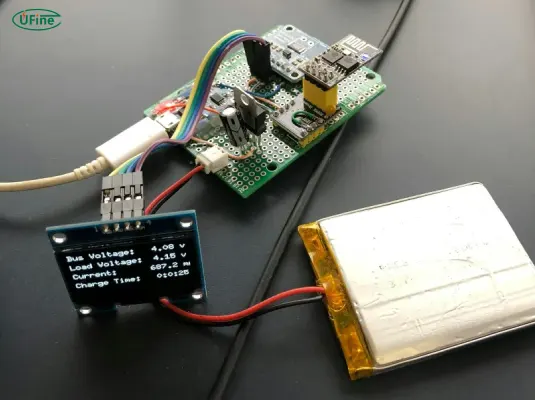
0 Step 0: Inspect Your Battery
Before plugging in your LiPo battery, always inspect it carefully:
- Check for swelling, leaks, punctures, or damaged connectors.
- Look at the battery pouch: any bulging is a warning sign.
- If the battery shows visible damage, do not attempt to charge it.
Why: Charging a damaged LiPo battery can cause overheating, fire, or chemical leakage.
1 Step 1: Choose the Right Chargers
Using the correct charger is the most important step:
- Use a charger specifically labeled for LiPo batteries.
- Set the correct voltage per cell (4.2V max) and charging current (≤1C).
- If you want to build a battery pack from multiple LiPos, check our guide on how to connect lithium batteries in series and parallel for safe wiring practices.
Why: LiPo chargers regulate current and voltage automatically to prevent overheating and cell damage.
2 Step 2: Connect and Start Charging
Now that you have the right charger:
- Connect the battery to the charger securely.
- Place the battery on a non-flammable, heat-resistant surface.
- Start charging at a slow or moderate rate. Avoid fast charging whenever possible.
Tip: Charging slower may take longer, but it greatly reduces stress on the cells and prolongs their life.
3 Step 3: Monitor the Charging Process
| Parameter | Recommended |
|---|---|
| Voltage per cell | 4.2V max |
| Charging current | ≤1C |
| Temp | 0–45℃ |
Even with a dedicated charger, keep an eye on your battery:
- Ensure the battery stays within safe temperature limits (0–45°C).
- Stop charging immediately if you notice excessive heat, strange smells, or swelling.
- Avoid leaving the battery unattended for long periods.
Why: LiPo batteries are sensitive. Even small issues can escalate if ignored.
To learn why your battery may overheat during charging and how to prevent it, this article explains the common causes and safety tips.
4 Step 4: Finish Charging and Store Properly
Once the battery reaches full charge:
- Disconnect it promptly.
- If you won’t use it soon, store at 40–60% charge in a cool, dry place.
- Avoid full discharge for long-term storage; this accelerates aging.
Tip: Regularly cycling the battery (partial charge/discharge) helps maintain its performance.
5 Step 5: Maintenance & Common Mistakes
Here are practical habits that make a big difference:
- Never use a phone charger or generic USB adapter for LiPo batteries.
- Do not charge a swollen or leaking battery.
- Avoid discharging completely before every charge—partial cycles are fine.
- Keep connectors and terminals clean.
Part 2. Charging voltage, current, and temperature explained
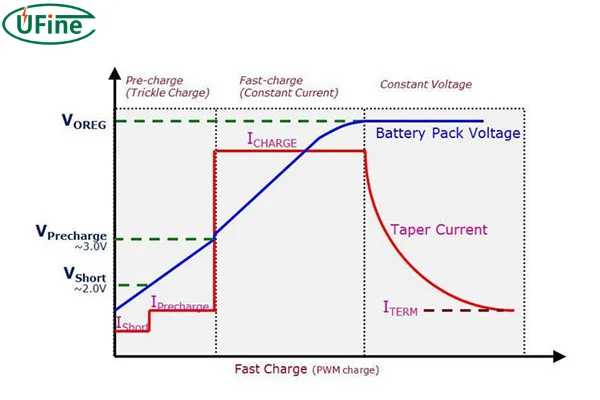
This is where many charging mistakes happen—usually because the numbers sound more complicated than they really are.
Typical LiPo Charging Parameters
| Parameter | Recommended Range |
|---|---|
| Charge voltage | 4.16V–4.20V per cell |
| Maximum voltage | 4.23V (do not exceed) |
| Charging current | ≤ 1C (based on capacity) |
| Charging temperature | 0°C to 45°C |
The key takeaway here is balance. Voltage determines how full the battery gets, current determines how fast, and temperature determines how safely everything happens.
For a deeper understanding of LiPo battery voltages and safe charging ranges, this overview provides essential details you need to know.
Part 3. Charging a new LiPo battery: what you should (and shouldn’t) do
| Do | Don’t |
|---|---|
| Use LiPo charger | Use USB phone charger |
| Monitor charging | Leave unattended overnight |
| Store at 50% charge | Fully discharge for long-term storage |
| Keep on heat-resistant surface | Charge on flammable surface |
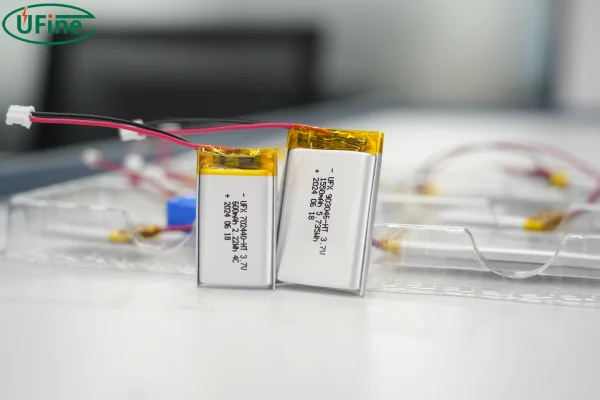
A brand-new LiPo battery doesn’t need “activation” cycles like older battery chemistries. Still, your first few charges matter.
When charging a new LiPo battery, avoid deep discharge right away. Instead, charge it normally, use it moderately, and let the battery settle into regular cycles.
Also, be mindful of heat—especially in warmer environments. Chargers can heat up quickly, and placing them on flammable surfaces is never a good idea.
Finally, always check that the charger’s voltage and current settings match the battery’s specifications. Even small mismatches can add up over time.
Part 4. LiPo vs. lithium-ion charging: are they the same?
They’re similar—but not identical.
Both use CC/CV charging and similar voltage limits. However, LiPo batteries are generally less tolerant of abuse due to their pouch structure. This means charging discipline matters even more with LiPo than with cylindrical lithium-ion cells.
If you’re working with mixed battery types, always follow the manufacturer’s specifications rather than assuming one rule fits all.
If you’re unsure whether to choose LiPo or lithium-ion batteries for your device, check out this comparison to understand the key differences and benefits.
Part 5. How long does it take to charge a LiPo battery?
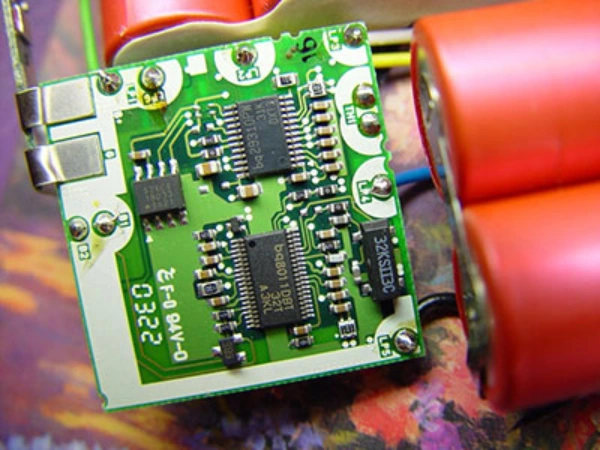
In most cases, a LiPo battery reaches about 90% charge within 2–3 hours. The remaining percentage takes longer because the charger reduces current as it approaches the final voltage.
That slower final stage is normal—and necessary. Pushing past it won’t give you more usable energy, but it will increase internal stress.
Once the charger indicates “full,” disconnect the battery. Leaving it connected overnight is not recommended, even if protection circuits are present.
Part 6. Common charging mistakes you should avoid
Many LiPo battery failures don’t come from defects—they come from habits.
Here are a few mistakes worth avoiding:
- Using a charger not specifically designed for LiPo batteries
- Charging unattended for long periods
- Ignoring battery swelling, leakage, or abnormal heat
- Exceeding the recommended charge voltage “just this once.”
If you ever notice swelling or leakage, stop using the battery immediately. Charging or discharging a damaged LiPo battery is a serious safety risk.
Part 7. How to maintain and store LiPo batteries properly
Charging is only part of the story. Storage habits directly affect battery lifespan.
If you won’t be using a LiPo battery for weeks or months, store it at 40%–60% charge. Fully charged or fully discharged storage accelerates aging. Additionally, try to keep batteries in a cool, dry environment away from direct sunlight.
Over time, all lithium batteries age—even when unused. That’s normal. The goal is simply to slow the process as much as possible.
Part 8. FAQs
Should you charge a LiPo battery to 100% every time?
Not necessarily. For daily use, partial charging can help extend battery lifespan.
What happens if a LiPo battery is overcharged?
Overcharging can cause swelling, internal damage, and serious safety hazards.
Is it safe to charge LiPo batteries overnight?
It’s strongly discouraged. Even with protection circuits, unattended charging increases risk.
How do you know when a LiPo battery is damaged?
Swelling, leakage, unusual heat, or a sharp drop in performance are all warning signs.
Does slow charging really make a difference?
Yes. Slower charging reduces internal stress and improves long-term reliability.
Related Tags:

More Articles

Solar Battery: A Comprehensive Guide
Learn what a solar battery is, how it works, main types, typical costs, and how to choose the right battery for solar panels in real applications.
Top 10 Lithium Iron Phosphate Manufacturers in the World
2026 guide to the top 10 LiFePO4 battery manufacturers. Compare who makes LFP batteries, certifications, applications, and reliable suppliers.
Get practical insights on selecting, using, and troubleshooting 24V power supplies. Avoid common mistakes and optimize your setup today.
A Simple Guide to 3.7V 2000mAh Li Ion Batteries
Is a 3.7V 2000mAh battery enough for your device? Learn runtime, replacement rules, connector types, and how to avoid common battery mistakes.
How Much Does a Golf Cart Battery Weigh?
Learn how golf cart batteries affect total golf cart weight and size, with average weight ranges and standard dimensions for electric golf carts.


