- Key takeaways
- Part 1. What is a flat lithium ion battery?
- Part 2. How we evaluated these flat lithium ion battery options?
- Part 3. Top 10 flat lithium ion battery options
- Part 4. Flat lithium battery comparison table
- Part 5. How to choose the right flat lithium ion battery?
- Part 6. Flat lithium battery applications and use cases
- Part 7. Flat lithium ion battery FAQs
Flat lithium ion batteries are widely used in compact devices such as wearables, medical equipment, industrial sensors, and portable electronics due to their slim structure and high energy density.
Compared with cylindrical battery cells, flat lithium batteries are designed for space-limited applications where thickness, weight, and layout flexibility are critical design factors.
This guide explains flat lithium ion battery types, key selection factors, and compares 10 commonly used flat lithium battery options for different applications.
Disclosure: Ufine Battery is our company. Products are included based on battery design flexibility, energy density, cycle life, discharge capability, operating temperature range, certifications, and application suitability. Rankings do not represent paid placement.
Key takeaways
- Flat lithium ion batteries are designed with a thin, compact shape, ideal for space-limited applications.
- Compared with cylindrical batteries, flat lithium batteries provide better space utilization in slim devices.
- Most flat lithium batteries use lithium polymer (LiPo) or prismatic lithium ion cell structures.
- Common applications include wearables, medical devices, IoT sensors, consumer electronics, and energy storage systems.
- Key selection factors include capacity, voltage, discharge rate, physical size, cycle life, and safety certifications.
- Certifications such as UN38.3, UL, and IEC62133 are critical for commercial and industrial use.
Part 1. What is a flat lithium ion battery?
A flat lithium ion battery is a rechargeable lithium battery designed with a thin and compact shape. Compared with cylindrical battery formats such as 18650 or 21700 cells, flat battery cells maximize available internal space and allow manufacturers to build thinner products.
Most flat lithium batteries use lithium polymer (LiPo) or prismatic lithium ion cell structures.
Common characteristics include:
- Slim profile: Ideal for products with strict thickness limitations.
- High energy density: Delivers more energy in a compact footprint.
- Low self-discharge: Maintains stored power during long standby periods.
- Lightweight design: Supports portable and wearable devices.
- Custom dimensions: Many manufacturers offer OEM battery sizing.
Flat lithium ion battery cells are commonly found in:
- Wearable electronics
- Medical devices
- Bluetooth products
- Portable industrial equipment
- GPS trackers
- Consumer electronics
- Smart home systems
- Backup power solutions
Part 2. How we evaluated these flat lithium ion battery options?
To improve selection quality, battery options were evaluated using consistent engineering criteria:
- Battery chemistry and energy density
- Cycle life performance
- Temperature operating capability
- Compact design suitability
- Customization flexibility
- Application compatibility
- Safety certifications
- Industry reputation
Because flat lithium battery products serve different industries, rankings focus on application suitability rather than assigning a universal “best” battery.
Part 3. Top 10 flat lithium ion battery options
1. Samsung SDI flat lithium ion battery
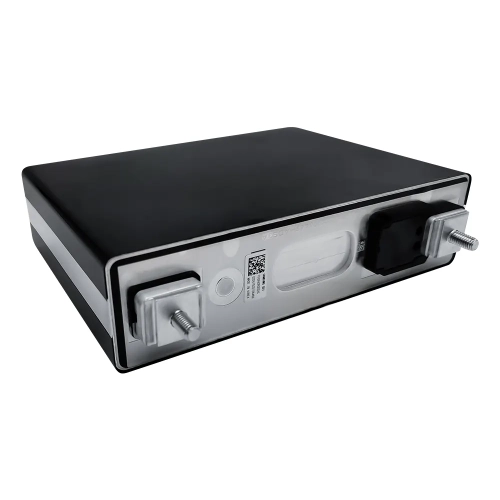
Best for: Solar storage and large energy systems
Specifications
- Voltage: 3.7V
- Capacity: 94Ah
- Size: 45 × 173 × 125 mm
- Cycle life: 3000+ cycles
- Cell type: Prismatic lithium ion battery
Advantages
- High-capacity flat battery cell structure
- NMC chemistry supports high energy density
- Space-efficient battery architecture
- Suitable for demanding energy applications
Limitations
- Large physical size limits portable device usage
- Primarily designed for energy storage systems
Applications
- Solar energy storage
- RV battery systems
- Home backup energy
- Industrial storage systems
2. Ufine 3.7V 1200mAh flat lithium ion battery
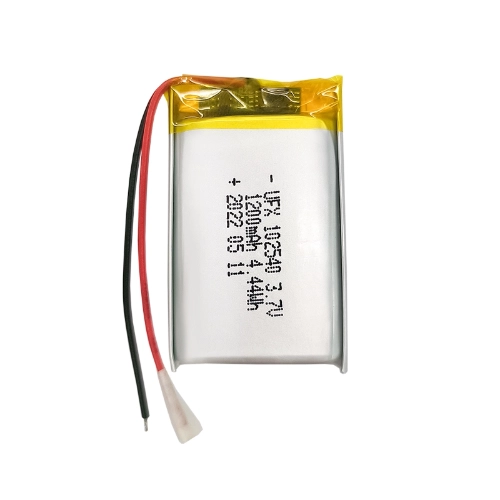
Best for: OEM electronics and custom battery projects
Specifications
- Voltage: 3.7V
- Capacity: 1200mAh
- Weight: 18.6g
- Configuration: 1S1P
- Certifications: CQC, UL, TUV
- Operating temperature support: Down to -40°C customization available
Advantages
- Custom size and capacity flexibility
- Compact flat lithium battery design
- Built-in protection options
- Suitable for multiple OEM projects
Limitations
- Lower capacity compared with large energy storage battery solutions
- Custom projects may require engineering lead time
Applications
- Portable electronics
- Wearable devices
- Industrial handheld equipment
- IoT products
- Medical electronics
3. LG Chem flat lithium ion battery
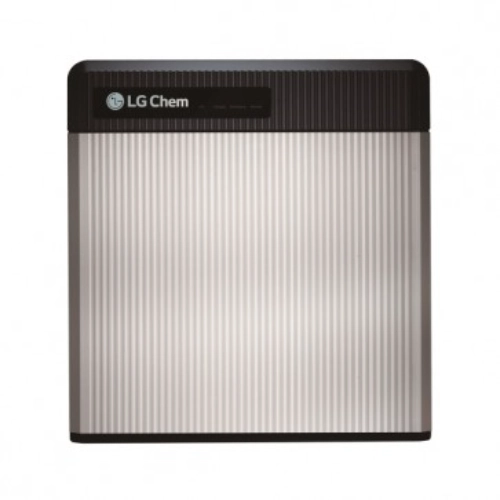
Best for: Residential energy storage systems
Specifications
- Total power: 9.8 kWh
- Usable energy: 8.8 kWh
- Voltage range: 42.0–58.8V
- Nominal capacity: 189Ah
- Weight: 75kg
Advantages
- Long cycle performance
- High DC round-trip efficiency
- Compact installation design
- Reliable residential ESS solution
Limitations
- Large system size not suitable for portable electronics
- Higher cost than smaller flat lithium battery solutions
Applications
- Residential solar storage
- Home backup power
- Renewable energy integration
4. Panasonic flat lithium ion battery
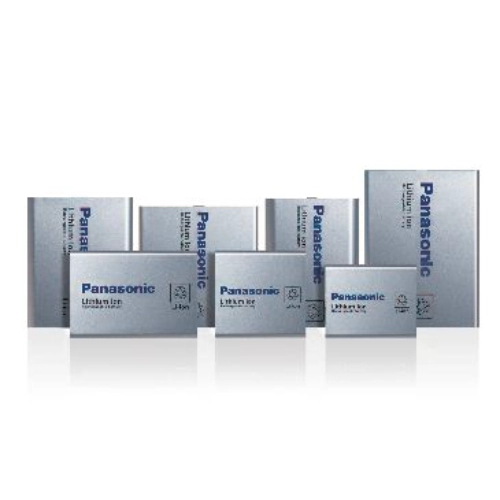
Best for: Portable industrial and commercial electronics
Specifications
- High energy density design
- Stable discharge voltage
- Low self-discharge
- Dimensions: 75 × 28 × 36 mm
Advantages
- Compact battery footprint
- Stable voltage delivery
- Long storage capability
- Reliable performance across multiple applications
Limitations
- May require integrated protection circuitry
- Less customization flexibility than OEM battery manufacturers
Applications
- UPS systems
- POS terminals
- GPS equipment
- Portable electronics
5. Sony flat lithium ion battery
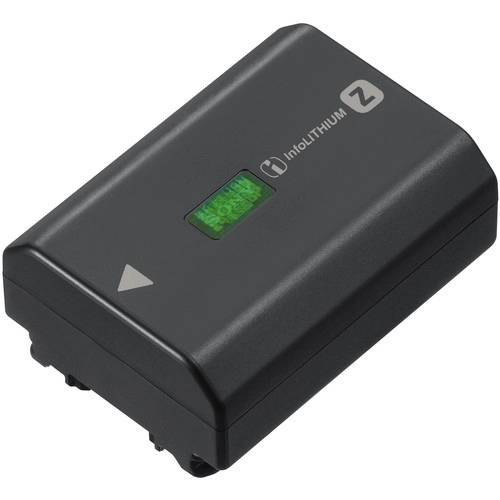
Best for: Camera and imaging equipment
Specifications
- Voltage: 7.2V
- Capacity: 2280mAh
- Model: NP-FZ100
- InfoLITHIUM charge monitoring support
Advantages
- Optimized for camera systems
- Reliable charge monitoring
- Long runtime performance
- High compatibility within Sony ecosystem
Limitations
- Application-specific battery design
- Limited flexibility outside imaging products
Applications
- Photography
- Video recording
- Outdoor production equipment
6. CATL flat lithium ion battery
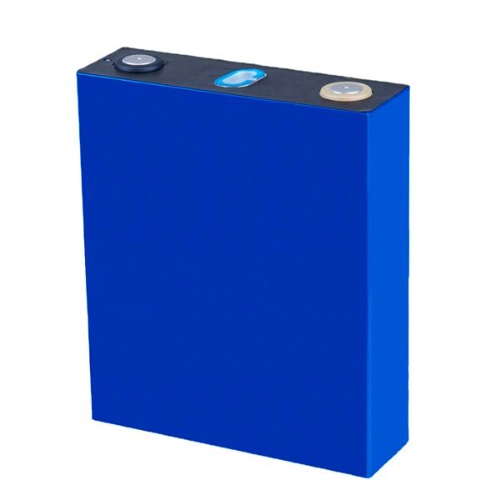
Best for: Industrial ESS and renewable energy storage
Specifications
- Nominal voltage: 3.2V
- Capacity: 228Ah
- Cycle life: ≥4000 cycles
- Internal resistance: 0.22±0.05mΩ
Advantages
- Long service life
- Low self-discharge rate
- Excellent thermal stability
- Suitable for demanding industrial projects
Limitations
- Large cell dimensions
- Less suitable for miniature electronics
Applications
- Energy storage systems
- Renewable energy projects
- Commercial backup power
7. BYD flat lithium ion battery
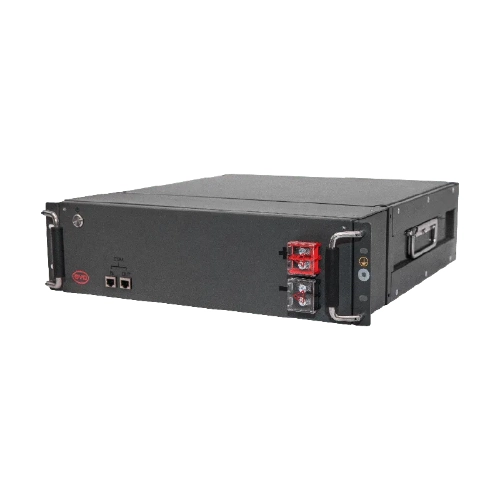
Best for: Residential backup energy storage
Specifications
- Usable energy: 5kWh
- Weight: 47kg
- Communication: CAN / RS485
- LFP battery chemistry
Advantages
- Long-life LiFePO4 battery technology
- Reliable backup performance
- Compact installation footprint
- Advanced system communication capability
Limitations
- Primarily optimized for ESS applications
- Not intended for portable electronics integration
Applications
- Residential energy systems
- Backup electricity storage
- Renewable energy support
8. SK Innovation flat lithium ion battery
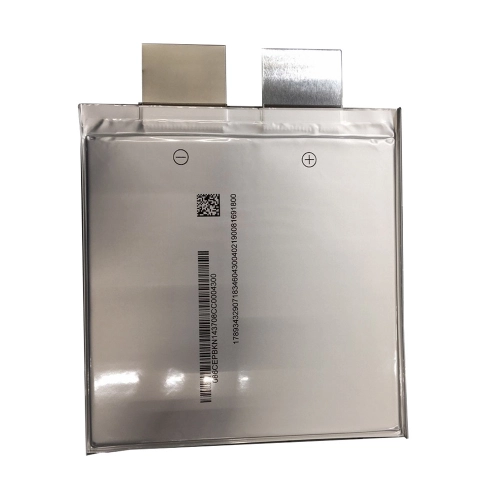
Best for: Electric mobility applications
Specifications
- Capacity: 37.8Ah
- Energy density: 192Wh/kg
- High discharge capability
- Compact pouch cell structure
Advantages
- Strong discharge performance
- Long operational lifespan
- Lightweight battery architecture
- Suitable for mobility systems
Limitations
- Primarily designed for EV-related use cases
- May exceed requirements for low-power electronics
Applications
- Electric mobility systems
- Energy storage projects
- Industrial battery integration
9. Toshiba flat lithium ion battery
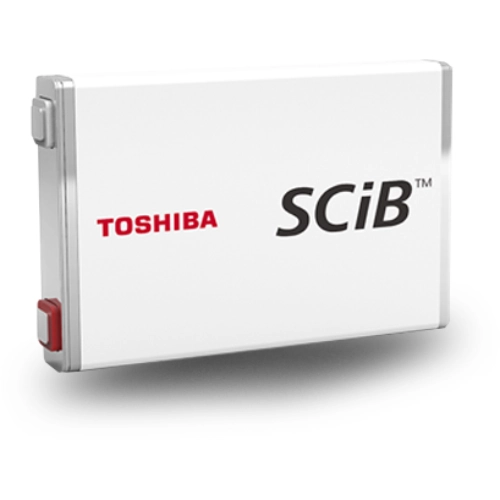
Best for: High-cycle industrial applications
Specifications
- Cycle life: 20,000+ cycles
- 80% recharge time: 6 minutes
- Operating temperature: Down to -30°C
- High current charge and discharge capability
Advantages
- Extremely long service life
- Fast charging capability
- Excellent low-temperature performance
- High reliability
Limitations
- Industrial-oriented pricing
- Not optimized for thin consumer electronics
Applications
- Industrial systems
- Backup infrastructure
- Commercial energy storage
10. A123 Systems flat lithium ion battery
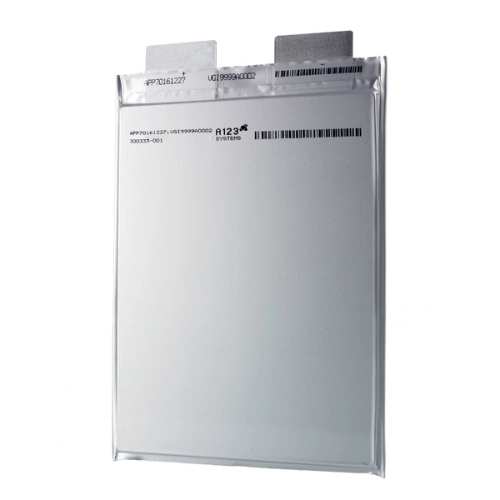
Best for: Utility-scale storage systems
Specifications
- Grid-scale storage capability
- Frequent charge cycle support
- High throughput operation
- Industrial battery deployment focus
Advantages
- Strong grid-storage capability
- High scalability
- Suitable for utility projects
- Supports renewable energy infrastructure
Limitations
- Not designed for compact consumer products
- Project deployment complexity
Applications
- Grid energy storage
- Renewable energy systems
- Large infrastructure backup systems
Part 4. Flat lithium battery comparison table
| Battery Brand | Best For | Battery Type | Cycle Life | Key Strength |
|---|---|---|---|---|
| Samsung SDI | Solar Storage | Prismatic Li-ion | 3000+ | High energy density |
| Ufine | OEM Electronics | Flat Li-ion | Custom dependent | Customization flexibility |
| LG Chem | Residential ESS | Li-ion ESS | 6000+ | High efficiency |
| Panasonic | Portable Devices | Rechargeable Li-ion | Application dependent | Compact design |
| Sony | Camera Equipment | Pack Battery | Application dependent | Camera ecosystem |
| CATL | Industrial Storage | LFP | 4000+ | Long lifespan |
| BYD | Backup Power | LFP | Application dependent | ESS integration |
| SK Innovation | Mobility Systems | Pouch Cell | 10 years design life | Power density |
| Toshiba | Industrial Systems | Lithium Ion | 20000+ | Ultra-fast charging |
| A123 Systems | Grid Storage | Lithium Battery | Application dependent | Utility deployment |
Part 5. How to choose the right flat lithium ion battery?
Choosing the right flat lithium ion battery requires matching technical specifications with real application requirements. Unlike general-purpose batteries, flat lithium batteries must be selected based on space constraints, discharge behavior, and system integration needs.
Below are the key engineering factors used in battery selection.
1. Flat lithium battery capacity requirements
Battery capacity (mAh or Ah) determines how long a device can operate before recharging. Higher capacity flat lithium ion batteries are typically used in energy storage systems, while lower capacity cells are used in compact electronics.
- Small devices: 100mAh – 3000mAh
- Consumer electronics: 3000mAh – 10Ah
- Energy storage systems: 10Ah – 200Ah+
2. Voltage matching for flat lithium ion battery systems
Voltage must match device architecture. Most flat lithium batteries operate at nominal 3.7V (Li-ion) or 3.2V (LiFePO4).
Incorrect voltage selection can lead to system instability, reduced cycle life, or safety risks.
3. Discharge rate (C-rate) selection
The discharge rate determines how quickly a flat lithium battery can safely release energy.
- Low-power devices: 0.5C – 1C
- Industrial equipment: 1C – 3C
- High-performance systems: 3C+
4. Physical size and flat battery design constraints
One of the most critical advantages of a flat lithium ion battery is its thin geometry. However, every device has strict dimensional constraints that must be considered during selection.
- Thickness limitations
- Length and width constraints
- Flexible or rigid enclosure design
5. Cycle life and long-term stability
Cycle life determines how many charge-discharge cycles a flat lithium battery can support before capacity drops below 80%.
- Consumer devices: 500–1500 cycles
- Industrial applications: 2000–5000 cycles
- Advanced systems: 5000+ cycles
6. Safety certifications for flat lithium batteries
For commercial and industrial use, certifications are critical:
- UN38.3 (transport safety)
- UL certification (electrical safety)
- IEC62133 (battery safety standard)
- CE certification (EU compliance)
Certified flat lithium ion batteries significantly reduce system integration risk.
Part 6. Flat lithium battery applications and use cases
Flat lithium ion batteries are widely used across industries due to their compact structure, high energy density, and flexible customization capability.
Flat lithium battery for wearable devices
Wearable electronics require ultra-thin battery designs that can fit curved or compact structures.
- Smartwatches
- Fitness trackers
- Smart rings
- Health monitoring patches
Flat lithium ion batteries provide stable output and lightweight performance ideal for continuous wear.
Flat lithium ion battery for medical devices
Medical electronics require high reliability and stable voltage output.
- Portable monitoring devices
- Infusion pumps
- Diagnostic equipment
- Emergency medical tools
Low self-discharge and safety protection features make flat lithium batteries suitable for critical systems.
Flat lithium battery for consumer electronics
Many compact consumer products rely on flat lithium ion battery technology.
- Bluetooth speakers
- Wireless earphones
- Handheld devices
- Smart home controllers
Flat lithium ion battery for industrial equipment
Industrial systems require durable and high-cycle flat battery solutions.
- IoT sensors
- Tracking devices
- Handheld scanners
- Industrial control systems
Flat lithium battery for energy storage systems
High-capacity flat lithium ion batteries are used in renewable energy and backup power systems.
- Solar energy storage
- Home backup systems
- Microgrid applications
- Commercial energy storage
Flat lithium battery for electric mobility systems
Flat lithium batteries are also used in mobility and transportation systems requiring high discharge performance.
- Electric bikes
- Light electric vehicles
- Robotics systems
- Automated guided vehicles (AGV)
These applications require batteries with strong discharge capability and long cycle life.
Part 7. Flat lithium ion battery FAQs
What is a flat lithium ion battery used for?
A flat lithium ion battery is used in compact electronics, wearable devices, medical equipment, and energy storage systems where space is limited and high energy density is required.
What is the difference between flat lithium battery and cylindrical battery?
Flat lithium batteries have a thin, rectangular or pouch structure, while cylindrical batteries like 18650 cells have a round shape. Flat batteries provide better space utilization in slim devices.
Are flat lithium ion batteries safe to use?
Yes, flat lithium ion batteries are safe when they include proper protection circuits and comply with standards such as UN38.3, UL, and IEC62133.
What is the lifespan of a flat lithium ion battery?
The lifespan of a flat lithium ion battery typically ranges from 500 to over 5000 cycles depending on chemistry, usage conditions, and design quality.
How do I choose the right flat lithium battery for my project?
You should select a flat lithium battery based on capacity, voltage, discharge rate, physical size constraints, cycle life, and required safety certifications.
Related Tags:

More Articles

Best Lithium Polymer Battery Manufacturers Compared
Compare the 7 best lithium polymer battery manufacturers . See strengths, pricing, applications, and how to choose the right supplier
Best 5 Riding Lawn Mower Battery Manufacturers
Looking for the best riding mower battery? Compare top battery brands by lifespan, maintenance, price, and performance.
All You Need to Know About CB Certification for Lithium Batteries
Learn what CB certification and the IECEE CB Scheme mean for lithium batteries. Explore requirements, testing, benefits, and global market access.
How to Choose the Right 3S LiPo Battery 5000mAh for Your RC Hobby Projects?
Learn how to choose the best 3S LiPo battery 5000mAh for RC cars, drones, boats, and planes. Compare C ratings, runtime, connectors, charging, and safety tips.
Comparing Semi Truck Batteries vs. Truck Batteries
Compare semi truck batteries and truck batteries by size, CCA, lifespan, and battery type. Learn how to choose the right truck battery for your vehicle.