- Key takeaways
- Part 1. What are lithium battery characteristics?
- Part 2. 10 key lithium battery characteristics explained
- Part 3. Lithium battery characteristics by chemistry
- Part 4. Factors affecting lithium battery performance
- Part 5. Lithium battery vs other battery types
- Part 6. Lithium battery characteristics for different applications
- Part 7. FAQs
Lithium-ion batteries power everything from wireless sensors to electric vehicles. But when you start comparing battery options, you quickly realize that not all lithium batteries are created equal.
You might see terms like energy density, cycle life, or C-rate — and wonder what actually matters for your application.
This guide breaks down the most important lithium battery characteristics, explains what they really mean, and helps you understand how to evaluate lithium battery quality in real-world scenarios.
Whether you’re designing a product, sourcing batteries, or simply learning, this article will help you make smarter decisions.
Key takeaways
- Lithium-ion batteries offer high energy density and lightweight design, making them ideal for compact devices
- Cycle life and temperature performance often determine long-term reliability
- Different chemistries like LiFePO4, NMC, and LiPo have very different characteristics
- Charging rate, internal resistance, and voltage stability affect performance more than most buyers realize
- Choosing the best lithium battery depends on application requirements, not just capacity
Part 1. What are lithium battery characteristics?
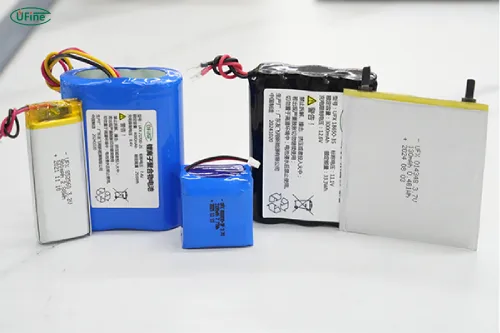
Lithium battery characteristics refer to the performance properties that define how a battery behaves during use. These include:
- Energy density
- Cycle life
- Voltage stability
- Temperature tolerance
- Safety performance
Together, these factors determine whether a lithium battery is suitable for your application.
For example, a medical device may prioritize stability and reliability, while a drone requires high discharge rate and lightweight design. Understanding these characteristics helps you avoid costly mistakes.
Part 2. 10 key lithium battery characteristics explained
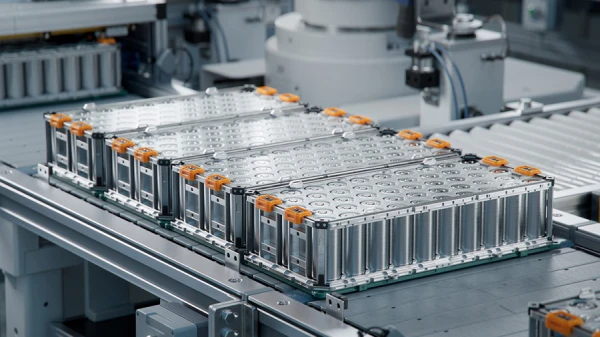
1 High energy density
One of the most well-known lithium battery features is high energy density. Simply put, lithium-ion batteries store more energy in a smaller space.
Typical values include:
- 150–300 Wh/kg (gravimetric energy density)
- 250–700 Wh/L (volumetric energy density)
This is significantly higher than lead-acid and NiMH batteries. As a result, you can design smaller and lighter devices without sacrificing runtime.
This is why lithium batteries dominate industries like:
- Consumer electronics
- Electric vehicles
- Portable medical equipment
You can also see a more detailed comparison in our lead acid vs lithium-ion batteries guide, where we break down cost, lifespan, and performance differences.
2 Long cycle life
Cycle life refers to how many charge and discharge cycles a battery can complete before capacity drops below 80%.
Typical cycle life:
- Standard lithium-ion: 500–1000 cycles
- LiFePO4 battery: 2000–5000 cycles
- LTO battery: 5000+ cycles
If you’re building industrial equipment or IoT devices, cycle life becomes extremely important. A longer cycle life reduces maintenance costs and improves reliability.
3 Lightweight design
Lithium batteries are significantly lighter than traditional batteries. This matters more than you might think.
For example:
- Drones require lightweight batteries for flight efficiency
- Wearable devices demand compact battery solutions
- Portable electronics benefit from reduced weight
This lightweight advantage comes directly from lithium’s high electrochemical potential.
4 High operating voltage
Lithium-ion batteries typically offer:
- Nominal voltage: 3.6V or 3.7V
- Full charge voltage: 4.2V
Compared to other battery types:
- NiMH: 1.2V
- Lead-acid: 2V per cell
Higher voltage means fewer cells are needed. That simplifies battery pack design and improves efficiency.
For example, 3.8V lithium batteries are increasingly used in high-performance devices due to their higher nominal voltage and improved runtime.
5 Low self-discharge rate
Lithium batteries lose very little charge when idle.
Typical self-discharge rate:
- Lithium-ion: 1–3% per month
- NiMH: 20–30% per month
This makes lithium batteries ideal for:
- Backup power systems
- Emergency devices
- Industrial sensors
If your device stays unused for long periods, low self-discharge is essential.
If you’re interested in how this affects battery lifespan, check our self-discharge rate guide for a deeper explanation.
6 Fast charging capability
Another important lithium battery feature is fast charging. Lithium batteries support higher charging rates, often defined by C-rate.
For example:
- 1C = fully charge in 1 hour
- 2C = fully charge in 30 minutes
Some high-rate lithium batteries support 3C or higher, depending on design.
However, fast charging also requires proper battery management systems to ensure safety and longevity.
7 Wide operating temperature range
Temperature performance is often overlooked — but it’s critical in real-world applications.
Typical ranges:
- Standard lithium battery: 0°C to 45°C charging
- High-temperature lithium battery: up to 60°C
- Low-temperature lithium battery: down to −40°C discharge
If you’re designing outdoor equipment, temperature tolerance becomes a deciding factor.
8 No memory effect
Unlike NiCd batteries, lithium batteries do not suffer from memory effect. That means you can recharge anytime without damaging capacity.
This makes lithium batteries far more convenient for daily use and modern electronics.
Unlike older battery types, lithium batteries do not suffer from memory issues. Learn more in our memory effect explanation article.
9 Low maintenance requirements
Lithium batteries require minimal maintenance. You don’t need periodic discharge cycles or conditioning routines.
This is especially useful for:
- Industrial equipment
- Backup systems
- Medical devices
Lower maintenance also reduces operational costs.
10 Customizable battery design
One of the most valuable lithium battery characteristics is design flexibility.
Lithium batteries can be customized for:
- Voltage
- Capacity
- Size
- Shape
- Discharge rate
This flexibility allows manufacturers to optimize battery performance for specific applications.
Ufine Battery can customize capacity, voltage, curvature, and dimensions to meet your specifications — whether for prototype testing or volume production.
Find A Solution NowPart 3. Lithium battery characteristics by chemistry
Different lithium chemistries offer very different performance characteristics. Understanding this helps you choose the right battery type.
| Chemistry | Energy Density | Cycle Life | Safety | Applications |
|---|---|---|---|---|
| NMC | High | Medium | Medium | EVs, electronics |
| LiFePO4 | Medium | Very high | Very high | Energy storage |
| LiPo | High | Medium | Medium | Drones, portable devices |
| LTO | Low | Ultra high | Very high | Industrial systems |
For example, if safety and lifespan matter most, LiFePO4 is often the better choice. On the other hand, if space is limited, LiPo batteries may be more suitable.
Part 4. Factors affecting lithium battery performance
Even the best lithium battery quality can vary depending on operating conditions. Several factors influence battery performance.
Temperature plays a major role. High temperatures accelerate aging, while low temperatures reduce capacity.
Charging voltage also affects lifespan. Overcharging can damage the battery permanently.
Depth of discharge matters as well. Using 100% capacity repeatedly shortens cycle life.
Finally, internal resistance impacts efficiency. Lower resistance improves power output and reduces heat generation.
Part 5. Lithium battery vs other battery types
To better understand lithium battery properties, it’s helpful to compare them with other technologies.
| Feature | Lithium-ion | Lead-acid | NiMH |
|---|---|---|---|
| Energy density | High | Low | Medium |
| Cycle life | High | Low | Medium |
| Weight | Light | Heavy | Medium |
| Maintenance | Low | High | Medium |
| Cost | Medium | Low | Medium |
As you can see, lithium batteries outperform traditional batteries in most categories. This is why lithium technology continues to replace older battery systems.
Part 6. Lithium battery characteristics for different applications
Different industries prioritize different characteristics.
Electric vehicles focus on energy density and cycle life. Medical devices prioritize stability and safety. Consumer electronics demand lightweight and compact designs.
Meanwhile, industrial equipment often requires long lifespan and temperature tolerance.
Understanding your application helps you determine which lithium battery features matter most.
Part 7. FAQs
How do you measure lithium battery quality?
You can evaluate lithium battery quality by reviewing cycle life, safety certifications, capacity consistency, and temperature performance. Reliable manufacturers usually provide test data and technical specifications.
Which lithium battery chemistry lasts the longest?
LiFePO4 batteries typically offer the longest lifespan, often reaching 2000–5000 cycles. However, other chemistries may perform better depending on energy density or discharge requirements.
Why do lithium batteries degrade over time?
Lithium batteries degrade due to chemical reactions inside the battery. Factors like high temperature, deep discharge, and frequent fast charging can accelerate capacity loss.
Are all lithium-ion batteries rechargeable?
Yes, lithium-ion batteries are rechargeable by design. However, their lifespan depends on usage conditions, charging habits, and battery quality.
What affects lithium battery safety?
Safety depends on battery design, protection circuits, temperature control, and manufacturing quality. Batteries with built-in protection and certifications typically offer better safety performance.
How do lithium batteries perform in cold environments?
Lithium batteries generally lose capacity in cold temperatures. Specialized low-temperature lithium batteries are designed to operate in extreme environments, sometimes as low as −40°C.
Related Tags:

More Articles
What Is a High Temperature Battery?
Learn what a high temperature battery is, how it works, key types, and how to choose the best battery for high temperature environments up to 200°C.
LTO Battery Vs. NMC Battery: A Detailed Comparison
Compare LTO battery vs NMC battery in terms of energy density, lifespan, safety, and applications. Learn how to choose the right battery pack for your project.
A Comprehensive Guide on How to Convert Battery Ah to kWh
Learn the secrets of battery Ah, kWh, and Amps conversion to maximize energy, extend lifespan, and power your devices efficiently.
How Should You Charge Lithium Batteries Safely?
Learn which lithium battery charging mode maximizes performance, prolongs life, and ensures safety in every application.
How to Charge a Lithium Motorcycle Battery?
Learn how to charge a lithium motorcycle battery safely. Step-by-step guide, charger selection, mistakes, and tips to extend battery life.