
- Key takeaways
- Part 1. What are disposable batteries?
- Part 2. Main types of disposable batteries
- Part 3. How to choose the right disposable battery?
- Part 4. Shelf life of disposable batteries
- Part 5. Environmental impact of disposable batteries
- Part 6. Safe disposal of disposable batteries
- Part 7. Applications of disposable batteries
- Part 8. FAQs about disposable battery
Disposable batteries are widely used in consumer and industrial electronics. They power devices such as remotes, flashlights, medical tools, and sensors. These batteries are also called primary batteries because they are designed for single use and cannot be recharged.
Understanding different types of disposable batteries helps you choose the right one for performance, cost, and safety.
Key takeaways
- Disposable batteries are single-use primary batteries
- Main types include alkaline, lithium, zinc-carbon, and silver-oxide
- Lithium batteries offer the highest performance and longest shelf life
- Zinc-carbon batteries are the lowest-cost option for light-duty devices
- Battery selection depends on load, usage frequency, and temperature conditions
Part 1. What are disposable batteries?
Disposable batteries are electrochemical cells designed for one-time use. Once the chemical energy is depleted, the battery is discarded.
They are commonly used in:
- Remote controls
- Wall clocks
- Toys
- Flashlights
- Medical and safety devices
Compared with rechargeable batteries, disposable batteries offer:
- Lower upfront cost
- Longer shelf life (in storage)
- Simple usage with no charging required
👉 Related reading: Rechargeable vs Disposable Batteries Comparison
Part 2. Main types of disposable batteries
The most common disposable battery types are alkaline, lithium, zinc-carbon, and silver-oxide. Each chemistry has different performance characteristics.
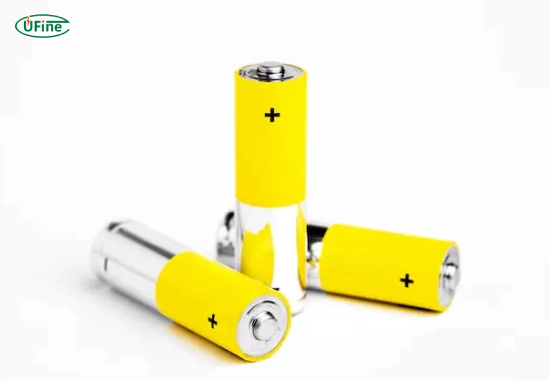
Alkaline batteries
Alkaline batteries are the most widely used disposable batteries in household applications.
Features
- Zinc and manganese dioxide chemistry
- High energy density for general use
- Shelf life up to 10 years
- Standard sizes: AA, AAA, C, D, 9V
Best Use Cases
- Remote controls
- Toys
- Wall clocks
- Portable radios
Alkaline batteries are best for low to moderate drain devices with intermittent use.
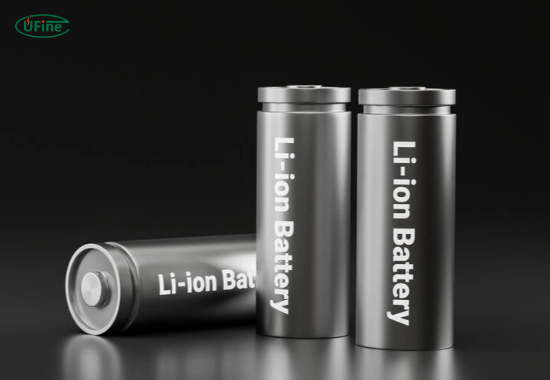
Lithium disposable batteries
Lithium primary batteries deliver higher performance and longer life compared to alkaline types.
Features
- Lithium metal chemistry (e.g., Li-MnO₂)
- Very high energy density
- Stable performance in extreme temperatures (-40°C to 60°C)
- Shelf life up to 15 years
Best Use Cases
- Smoke detectors
- Digital cameras
- Medical devices
- High-performance flashlights
Lithium batteries are ideal for high-drain or critical applications where reliability is important.
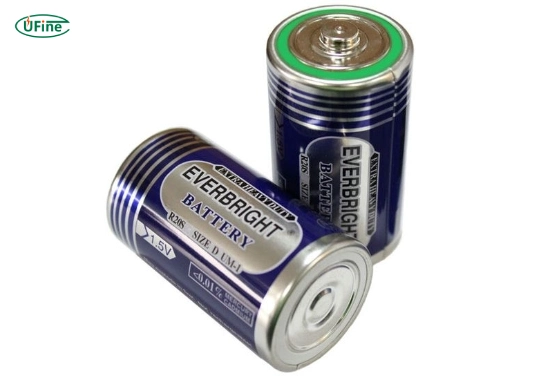
Zinc-carbon batteries
Zinc-carbon batteries are the most economical option among disposable battery types.
Features
- Basic zinc and carbon chemistry
- Lower energy output than alkaline
- Shorter service life
- Higher risk of leakage over time
Best Use Cases
- Low-cost toys
- Basic flashlights
- Simple remote controls
- Wall clocks
They are suitable only for low-drain, non-critical devices.
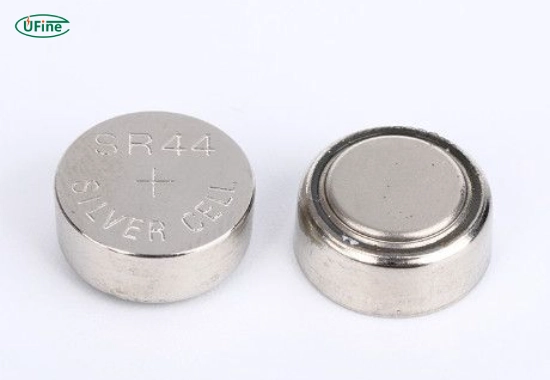
Silver-oxide batteries
Silver-oxide batteries are small coin-cell batteries used in precision electronics.
Features
- Stable voltage output
- High energy density for small size
- Long shelf life up to 5 years
- Compact button-cell design
Best Use Cases
- Watches
- Hearing aids
- Calculators
- Small medical devices
They are widely used where stable voltage is required in compact devices.
Part 3. How to choose the right disposable battery?
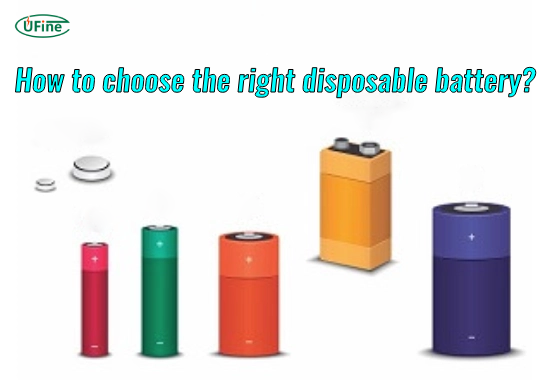
Selecting the correct disposable battery type depends on device requirements.
1. Device power demand
- High drain: lithium batteries
- Medium drain: alkaline batteries
- Low drain: zinc-carbon batteries
2. Usage frequency
- Frequent use: alkaline
- Emergency or standby use: lithium
3. Environmental conditions
- Cold or hot environments: lithium performs best
4. Budget considerations
- Lowest cost: zinc-carbon
- Balanced cost-performance: alkaline
- Premium performance: lithium
Part 4. Shelf life of disposable batteries
Shelf life refers to how long a battery can be stored before use.
| Battery Type | Shelf Life |
|---|---|
| Lithium | Up to 15 years |
| Alkaline | Up to 10 years |
| Silver-oxide | Up to 5 years |
| Zinc-carbon | 2–3 years |
Proper storage conditions:
- Cool environment
- Dry location
- Avoid direct sunlight
Part 5. Environmental impact of disposable batteries
Disposable batteries generate waste and contain chemical materials that require proper disposal.
Environmental considerations
- Zinc and manganese compounds can be harmful if leaked
- Improper disposal increases soil and water contamination risk
Better practices
- Recycle through certified programs
- Avoid over-purchasing
- Consider rechargeable alternatives for high-use devices
Part 6. Safe disposal of disposable batteries
Proper disposal is important for safety and environmental protection.
- Use local battery recycling programs
- Follow municipal regulations
- Never burn or crush batteries
- Avoid mixing used batteries with regular waste
Part 7. Applications of disposable batteries
| Battery Type | Typical Applications |
|---|---|
| Alkaline | Remotes, toys, clocks |
| Lithium | Cameras, smoke detectors, medical devices |
| Zinc-carbon | Low-cost toys, basic devices |
| Silver-oxide | Watches, calculators, hearing aids |
Part 8. FAQs about disposable battery
What are the most common types of disposable batteries?
Alkaline batteries are the most common disposable batteries used in household devices.
What is the difference between alkaline and lithium disposable batteries?
Lithium batteries offer higher energy density, longer life, and better temperature performance than alkaline batteries.
Are disposable batteries rechargeable?
No. Disposable batteries are primary batteries and should not be recharged.
Which disposable battery lasts the longest?
Lithium disposable batteries typically last the longest, with shelf life up to 15 years.
Can I mix different types of disposable batteries?
No. Mixing battery types can cause leakage, reduced performance, or device damage.
Related Tags:

More Articles

JST vs Molex: The Right Battery Connector Choice
JST or Molex for your battery? Learn how connector selection affects current, voltage drop, reliability, and device performance.
Custom Battery Pricing: Costs Manufacturers Don’t Mention
A low battery quote may not be the final cost. Discover common hidden expenses that affect custom lithium battery projects.
Battery Wire Length: Hidden Cause of Power Loss
A longer battery wire can cause voltage drop, power loss, and unstable operation. Learn how wire length affects battery performance.
How Device Sleep Modes Affect Battery Life
Think sleep mode extends battery life? Learn why devices still drain power and how firmware, hardware, and batteries affect runtime.
LiPo Battery and PCB Design: Clearance, Insulation, and Placement
Learn how to optimize LiPo battery PCB clearance, insulation, placement, wiring, and thermal design—and avoid common integration mistakes.


