
- Key Takeaways
- Part 1. What is a leisure battery?
- Part 2. Types of leisure batteries
- Part 3. Why choosing the right leisure battery matters
- Part 4. What size leisure battery do I need?
- Part 5. How long does a leisure battery last?
- Part 6. Applications of leisure batteries
- Part 7. Maintenance tips to extend leisure battery life
- Part 8. FAQs about leisure batteries
Leisure batteries are essential for powering appliances and devices in caravans, motorhomes, boats, campers, and off-grid systems. Whether you are camping, traveling long distances, or living off-grid, choosing the right leisure battery directly affects performance, reliability, and long-term cost.
This ultimate guide explains what a leisure battery is, the different types available, how long a leisure battery lasts, and what size leisure battery you need, helping you make an informed and practical decision.
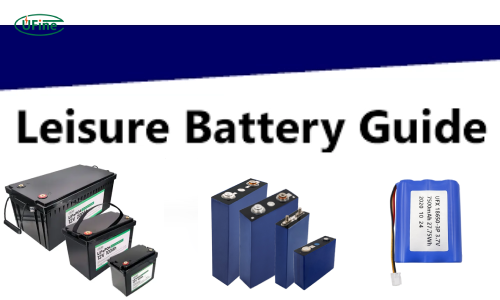
Key Takeaways
- A leisure battery is a deep-cycle battery designed to provide steady power for caravans, motorhomes, boats, camping setups, and off-grid systems.
- The most common types of leisure batteries include flooded lead-acid, AGM, gel, and lithium, each offering different lifespans, maintenance needs, and costs.
- Battery lifespan varies by type, typically ranging from 3–5 years for lead-acid to 10–15 years for lithium leisure batteries.
- Choosing the right size leisure battery depends on your daily power consumption, usage days without charging, and an added safety margin.
- Proper charging, avoiding deep discharges, and temperature control can significantly extend leisure battery life.
Part 1. What is a leisure battery?
A leisure battery is a type of deep-cycle battery designed to deliver a steady and continuous power supply over a long period. Unlike starter batteries used in vehicles, leisure batteries are built to withstand repeated charging and discharging cycles.
They are commonly used in:
- Caravans and motorhomes
- Boats and marine systems
- Camping and outdoor equipment
- Solar and off-grid energy systems
Leisure batteries use thicker plates and deeper discharge designs, making them ideal for running appliances such as fridges, lights, water pumps, and inverters.
Part 2. Types of leisure batteries
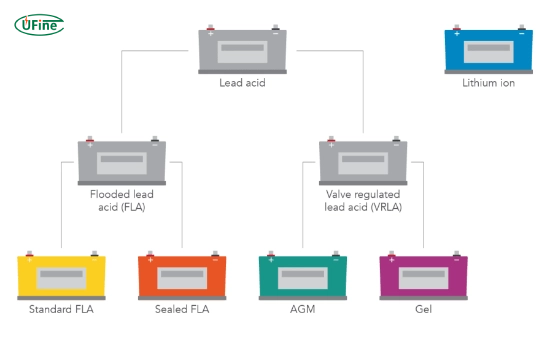
Choosing the correct type of leisure battery depends on budget, usage patterns, maintenance preferences, and weight constraints.
1 Flooded lead-acid leisure batteries
Flooded lead-acid batteries are the most traditional and cost-effective option. They require regular maintenance, including electrolyte checks and ventilation, but remain popular due to affordability.
Best for: budget users, occasional leisure use
2 AGM (absorbent glass mat) leisure batteries
AGM batteries are sealed, maintenance-free, and spill-proof. They offer better vibration resistance and faster charging than flooded batteries.
Best for: caravans, motorhomes, moderate off-grid use
3 Gel leisure batteries
Gel batteries use a gelled electrolyte that prevents leakage and improves safety. They perform well under deep discharge conditions but are sensitive to incorrect charging.
Best for: marine applications, seasonal use
4 Lithium leisure batteries
Lithium leisure batteries are the most advanced option, offering high energy density, lightweight construction, fast charging, and long lifespan. Although more expensive upfront, they provide superior long-term value.
Best for: full-time off-grid use, weight-sensitive setups, solar systems
Part 3. Why choosing the right leisure battery matters
Selecting the correct leisure battery ensures:
- Reliable power supply for appliances and electronics
- Longer battery lifespan, reducing replacement costs
- Better performance in demanding environments
- Improved safety, especially in confined spaces
An undersized or mismatched battery can lead to premature failure, poor performance, and unnecessary expenses.
For more detailed guidance, read our article on how to choose the best leisure battery.
Part 4. What size leisure battery do I need?
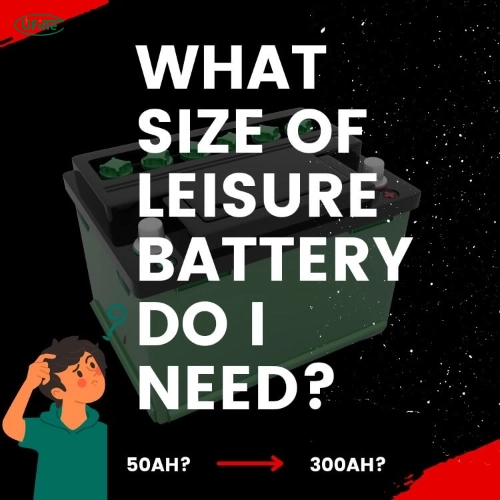
Battery size is one of the most common and critical questions users ask. The correct size depends on daily power consumption and how long you want the battery to last between charges.
List your appliances
Write down all devices you plan to power, including their wattage and daily usage hours. Examples: LED lights: 10W × 5 hours, Portable fridge: 50W × 24 hours, Water pump: 30W × 1 hour.
Calculate daily energy consumption
Multiply wattage by hours used to calculate watt-hours (Wh). Example: Total daily consumption = 1290 Wh.
Convert watt-hours to amp-hours
Most leisure batteries operate at 12V. Daily Ah = Total Wh ÷ 12V. Example: 1290 ÷ 12 = 107.5 Ah per day.
Add usage days and safety margin
If you want two days of autonomy without charging: 107.5 Ah × 2 days = 215 Ah. Add 25% safety margin → ~270 Ah battery required. This calculation helps determine the correct battery size without underestimating real-world usage.
Part 5. How long does a leisure battery last?
The lifespan of a leisure battery depends on battery type, usage habits, depth of discharge, and maintenance.
1 Average lifespan by battery type
- Flooded lead-acid: 3–5 years
- Gel batteries: 5–7 years
- AGM batteries: 7–10 years
- Lithium leisure batteries: 10–15 years
2 Factors that affect leisure battery lifespan
- Depth of Discharge (DoD): shallow discharges extend life
- Charging method: overcharging or undercharging reduces lifespan
- Temperature: extreme heat or cold accelerates degradation
- Maintenance: poor maintenance shortens battery life
3 Signs your leisure battery is near the end of its life
Common warning signs include:
- Reduced capacity and shorter run time
- Difficulty holding a charge
- Swollen or leaking battery case
- Increased self-discharge
- Appliances struggling to operate
Replacing the battery early can prevent system failures during travel or off-grid use.
Part 6. Applications of leisure batteries
Leisure batteries are widely used in:
- RVs and motorhomes – lighting, heating, refrigeration
- Caravans – off-grid power supply
- Boats and marine systems – navigation, lighting, radios
- Camping setups – portable power stations
- Solar and off-grid systems – energy storage
Part 7. Maintenance tips to extend leisure battery life
- Charge regularly and avoid deep discharges
- Use a compatible charger for your battery type
- Keep terminals clean and secure
- Store batteries fully charged in a cool, dry place
- Monitor battery health using a battery monitor
Part 8. FAQs about leisure batteries
Is a leisure battery a deep-cycle battery?
Yes. Leisure batteries are designed for deep cycling and sustained power delivery.
Can I use a car battery as a leisure battery?
Not recommended. Car batteries are designed for short bursts, not long-term power output.
Are lithium leisure batteries worth it?
Yes, especially for frequent users. They last longer, weigh less, and charge faster.
Is a leisure battery AC or DC?
Leisure batteries supply DC power, which can be converted to AC using an inverter.
Related Tags:

More Articles

JST vs Molex: The Right Battery Connector Choice
JST or Molex for your battery? Learn how connector selection affects current, voltage drop, reliability, and device performance.
Custom Battery Pricing: Costs Manufacturers Don’t Mention
A low battery quote may not be the final cost. Discover common hidden expenses that affect custom lithium battery projects.
Battery Wire Length: Hidden Cause of Power Loss
A longer battery wire can cause voltage drop, power loss, and unstable operation. Learn how wire length affects battery performance.
How Device Sleep Modes Affect Battery Life
Think sleep mode extends battery life? Learn why devices still drain power and how firmware, hardware, and batteries affect runtime.
LiPo Battery and PCB Design: Clearance, Insulation, and Placement
Learn how to optimize LiPo battery PCB clearance, insulation, placement, wiring, and thermal design—and avoid common integration mistakes.


