As the demand for efficient and sustainable energy storage grows, graphene batteries have emerged as a promising alternative to conventional lithium batteries. In this guide, we compare graphene battery vs lithium battery on key metrics such as energy density, charging speed, lifespan, cost, and applications across electric vehicles, portable electronics, and renewable energy systems. You’ll also discover the advantages, limitations, and future potential of these technologies, helping you make an informed choice.
Part 1. Graphene battery explained: How it works and key benefits
What is a graphene battery? Composition and Technology
A graphene battery is an energy storage device that incorporates graphene, a single layer of carbon atoms arranged in a honeycomb lattice structure. Graphene, known for its exceptional electrical conductivity and strength, is a critical component in these batteries. The battery typically consists of a graphene electrode, an electrolyte, and a second electrode of a complementary material.
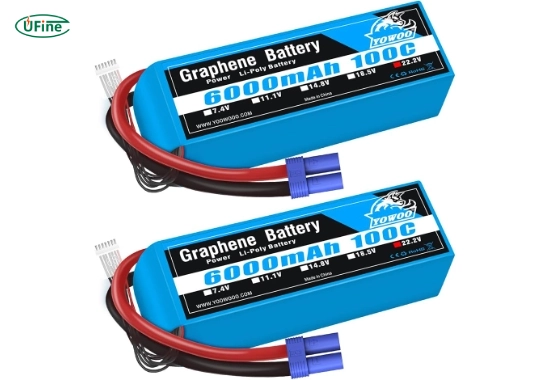
Advantages of Graphene Batteries
- Fast Charging: Charges up to 4x faster than conventional lithium batteries, reaching 0-80% in 5-15 minutes. Ideal for EVs and portable devices.
- High Energy Density: Up to 1,000 Wh/kg (theoretical), significantly higher than current Li-ion batteries, enabling longer runtime and improved efficiency.
- Enhanced Lifespan: Over 3,000 cycles, reducing replacement frequency and cost.
- Improved Safety: Graphene’s thermal stability minimizes thermal runaway risk, making it safer than lithium batteries.
- Environmental Friendliness: Carbon-based, non-toxic materials make graphene batteries more sustainable than certain lithium chemistries.
Real-World Example: Huawei tested a graphene battery charging from 0% to 80% in 15 minutes (Source: Nature Energy, 2023).
Part 2. What is a lithium battery?
Lithium Battery Chemistry
Lithium batteries are rechargeable energy storage devices that employ lithium compounds as the primary material for one or both electrodes. These batteries utilise lithium ions that shuttle between the positive and negative electrodes during charging and discharging. The most common type of lithium battery is the lithium-ion battery (Li-ion), widely used in portable electronics, electric vehicles, and renewable energy systems.
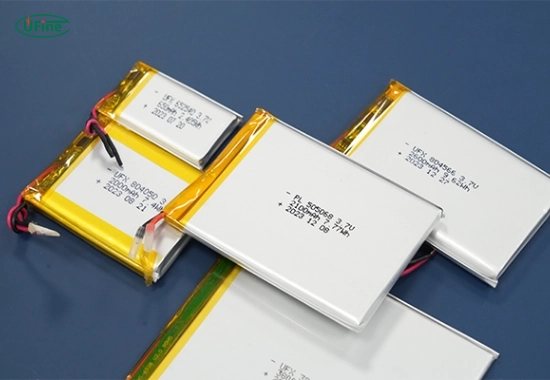
Advantages of Lithium Batteries
- High Energy Density: Enables storage of substantial energy in a compact form, ideal for smartphones, laptops, and portable devices.
- Long Cycle Life: Can endure 500-1,200 charge-discharge cycles before noticeable capacity degradation.
- Lightweight Design: Significantly lighter than other battery chemistries, improving portability.
- High Discharge Rate: Suitable for applications requiring bursts of power, such as EVs and power tools.
- Established Technology: Mature, well-developed technology with extensive research; lithium polymer batteries offer added flexibility and energy density for specialized applications.
Part 3. Comparison of graphene and lithium batteries
Several key factors come into play when comparing graphene battery vs lithium battery. The table below provides a clear comparison of their performance metrics:
| Feature | Graphene Battery | Lithium Battery |
|---|---|---|
| Energy Density (Wh/kg) | Up to 1,000 (theoretical) | 150-250 (current Li-ion) |
| Charging Speed (0-80%) | 5-15 minutes | 30-60 minutes |
| Cycle Life | 3,000+ cycles | 500-1,200 cycles |
| Safety Risk | Low thermal runaway | Moderate risk |
| Cost per kWh | $200-$400 (estimated) | $100-$150 |
| Commercial Availability | Limited prototypes | Mass-produced |
Part 4. Conclusion
In summary, the comparison of graphene battery vs lithium battery highlights that while lithium technology currently dominates EV and portable electronics markets, graphene batteries offer ultra-fast charging, longer lifespan, and lower environmental impact. As production scales and costs decrease, graphene may emerge as a leading energy storage solution in EVs, renewable energy systems, and advanced gadgets. Future advancements will determine how these technologies coexist, complement, or compete in the evolving energy landscape.
Part 5. FAQs about graphene and batteries
Why aren’t graphene batteries widely used yet?
High production costs (over $200/kWh), limited manufacturing infrastructure, and unresolved scalability issues in electrode fabrication currently limit mass adoption.
How much faster do graphene batteries charge than lithium?
Graphene batteries can charge up to 4x faster. Lab tests show 0-80% charge in 5–15 minutes, compared to 30–60 minutes for lithium batteries.
Are graphene batteries safer than lithium batteries?
Yes. Graphene’s superior thermal conductivity reduces overheating risks, with stress tests showing 60% lower thermal runaway incidents.
Can graphene batteries work in smartphones?
Prototypes exist (e.g., Huawei’s 2023 graphene battery phone), but mass production for consumer electronics is expected to be 2–3 years away.
Do graphene batteries last longer than lithium?
Yes. Graphene batteries achieve over 3,000 charge cycles, compared to 500–1,200 cycles for lithium batteries, extending device lifespan by 2–5 years.
Can graphene replace lithium in batteries?
Graphene may complement lithium in hybrid designs, but full replacement is unlikely before 2030 due to lithium’s cost advantage in large-scale applications.
Which battery is better for electric vehicles?
Currently, lithium dominates EV markets, but graphene’s ultra-fast charging could make it the future leader once production costs decrease.
Related Tags:

More Articles
Dead Battery or Device Failure? How to Find the Cause
Think your device is broken? Learn how to tell if the problem comes from battery aging or hardware failure before replacing your electronics.
Why iPhone Duo Uses Two Batteries: The Engineering Behind Foldable Phone Power
Why do foldable phones need two batteries? Explore the engineering challenges behind iPhone Duo’s dual-battery architecture and future battery trends.
Solid-State Batteries: 3 Myths You Need to Know
Solid-state batteries promise safer EVs and longer range, but the reality is more complex. Discover the challenges behind this next-gen technology.
Battery Capacity vs Discharge Rate: The Choice Engineers Face
Higher capacity or higher discharge rate? Learn how to choose the right LiPo battery for longer runtime, stable power output, and better device performance.
Battery Cable Size Guide: Choose the Right Wire Fast
Not sure what battery cable size you need? Learn how to select the right wire gauge, terminal size, and cable for safer, more efficient battery systems.