
- Key takeaways
- Part 1. Can you bring lithium batteries on a plane?
- Part 2. Can lithium batteries go in checked luggage?
- Part 3. What happens if you have a lithium battery in checked luggage?
- Part 4. Lithium battery carry-on rules
- Part 5. Lithium battery watt-hour (wh) limits for flying
- Part 6. Lithium-ion vs lithium-metal battery flight rules
- Part 7. Can you fly with power banks?
- Part 8. Can you fly with e-bike or electric scooter batteries?
- Part 9. Airline lithium battery policy comparison
- Part 10. How to pack lithium batteries safely for air travel?
- Part 11. Common lithium battery air travel scenarios
- Part 12. FAQs about flying with lithium batteries
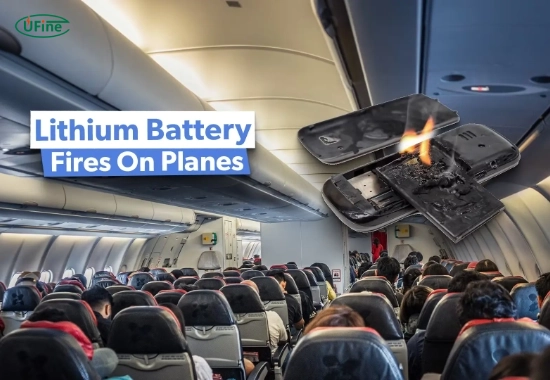
Lithium batteries power phones, laptops, cameras, drones, power tools, and portable energy devices. But when flying, batteries are regulated because damaged or improperly packed lithium batteries can overheat and create fire risks.
So, can you fly with lithium batteries? Yes. But airlines and aviation authorities place strict limits on battery size, battery type, quantity, and packing method.
If you are wondering:
- Can you take lithium ion batteries on a plane?
- Are lithium batteries allowed on planes?
- Can lithium batteries go in checked luggage?
- What happens if you have a lithium battery in checked luggage?
- Can batteries be taken on airplanes internationally?
This guide explains current lithium battery airplane rules, airline policies, watt-hour limits, and safe packing practices.
Key takeaways
- Lithium batteries are generally allowed on planes, but restrictions apply.
- Spare lithium batteries usually must stay in carry-on baggage.
- Loose lithium batteries in checked luggage are prohibited by most airlines.
- Batteries under 100Wh normally do not need airline approval.
- Batteries between 100Wh and 160Wh often require airline approval.
- Batteries over 160Wh are usually prohibited on passenger aircraft.
- Protect battery terminals to avoid short circuits.
- Damaged, swollen, or recalled batteries should never travel by air.
Part 1. Can you bring lithium batteries on a plane?

Yes. You can bring lithium batteries on airplanes, but aviation safety organizations set limits to reduce fire risks.
Airlines commonly follow rules from:
- International Air Transport Association (IATA)
- Federal Aviation Administration (FAA)
- Transportation Security Administration (TSA)
There are different requirements for:
- Carry-on baggage
- Checked baggage
- Installed batteries (inside devices)
- Spare batteries (not attached to equipment)
Understanding the difference matters because lithium battery carry on requirements are usually less restrictive than checked baggage rules.
Part 2. Can lithium batteries go in checked luggage?
This is one of the most searched questions: “lithium batteries in checked luggage”.
The answer depends on battery condition and installation.
Loose lithium batteries: Not allowed
Spare lithium-ion batteries cannot normally go into checked baggage.
Examples:
- Power banks
- Camera spare batteries
- Drone batteries
- External battery packs
- Uninstalled laptop batteries
Why? If a lithium battery overheats in the cargo hold, firefighters cannot access it quickly. Thermal runaway events can spread rapidly.
Installed batteries inside devices: Usually allowed
Devices containing lithium batteries may sometimes go in checked baggage:
- Laptop computers
- Cameras
- Smartphones
- Tablets
However, aviation experts generally recommend carrying valuable electronics in cabin baggage.
Part 3. What happens if you have a lithium battery in checked luggage?
Airport security or airline staff may:
- Remove the battery
- Require bag inspection
- Ask passengers to move batteries into carry-on baggage
- Confiscate prohibited batteries
- Refuse transport if safety rules are violated
Improper battery packing can also delay luggage handling.
Part 4. Lithium battery carry-on rules
If you are asking “can you fly with lithium batteries”, carry-on baggage is usually the safest option.
General airline rules include:
- Spare lithium batteries must stay in carry-on baggage
- Battery terminals should be protected
- Batteries should remain in original packaging or battery cases
- Damaged batteries are prohibited
- Airline approval may be needed for larger batteries
Examples commonly allowed in carry-on:
| Device | Usually Allowed? |
|---|---|
| Smartphone battery | ✅ Yes |
| Laptop battery | ✅ Yes |
| Camera battery | ✅ Yes |
| Power bank | ✅ Yes |
| Drone battery | ✅ Usually |
| E-bike battery | ❌ Usually no |
Part 5. Lithium battery watt-hour (wh) limits for flying
Airlines use Watt-hours (Wh) instead of battery capacity (Ah) to determine flight restrictions.
Battery limits usually follow this structure:
| Battery Size | Carry-On | Checked Baggage |
|---|---|---|
| Under 100Wh | ✅ Allowed | ✅ If installed in device |
| 100Wh–160Wh | ✅ Airline approval required | ❌ Usually prohibited |
| Over 160Wh | ❌ Prohibited | ❌ Prohibited |
Typical examples:
| Device | Typical Battery Size |
|---|---|
| Smartphone | 10–20Wh |
| Laptop | 40–90Wh |
| DSLR camera battery | 15–30Wh |
| Large drone battery | 90–150Wh |
| E-bike battery | 300–700Wh+ |
Most e-bike batteries exceed airline limits.
How to calculate battery watt-hours (wh)
Airlines may ask for battery watt-hour ratings.
Calculation formula:
Wh = V × Ah
Example:
- 10V × 5Ah = 50Wh
A 50Wh battery falls below the 100Wh threshold and is normally allowed.
Check:
- Battery label
- User manual
- Manufacturer specifications
If your battery does not show Wh directly, calculate it before flying.
For battery fundamentals, read our internal guide:
Related Reading: Watts vs Watt Hours
Part 6. Lithium-ion vs lithium-metal battery flight rules
Not all lithium batteries follow identical airline rules.
1 Lithium-ion batteries (rechargeable)
Common uses:
- Phones
- Laptops
- Power banks
- Drones
- Cameras
These are measured using watt-hours (Wh).
2 Lithium-metal batteries (non-rechargeable)
Common uses:
- Medical devices
- Backup electronics
- Specialty cameras
These are measured by lithium metal content.
Typical airline limit:
- Maximum 2 grams lithium content per battery
Understanding battery chemistry matters when flying with lithium batteries internationally.
Learn more battery chemistry differences here:
Related Reading: Lithium-ion vs Lithium-metal Battery
Part 7. Can you fly with power banks?
Power banks create confusion because passengers often ask:
“Can you take a li ion battery on a plane if it is a power bank?”
Yes, but rules are strict.
Power bank flight rules:
- Carry-on only
- Never place in checked baggage
- Under 100Wh: generally allowed
- 100Wh–160Wh: airline approval often required
- Over 160Wh: prohibited
Examples:
| Power Bank Capacity | Approximate Wh | Flight Status |
|---|---|---|
| 10,000mAh (3.7V) | 37Wh | ✅ Allowed |
| 20,000mAh (3.7V) | 74Wh | ✅ Allowed |
| 30,000mAh (3.7V) | 111Wh | ⚠ Approval needed |
Many travelers accidentally violate rules by placing power banks in checked luggage.
Part 8. Can you fly with e-bike or electric scooter batteries?
Most electric mobility batteries exceed passenger aircraft limits.
Examples:
- Electric bicycle batteries
- Electric scooter batteries
- Large portable power stations
Typical battery sizes:
- E-bike battery: 300Wh–700Wh
- Electric scooter battery: 250Wh–600Wh
Because airlines generally prohibit batteries over 160Wh, most personal mobility batteries cannot travel on passenger aircraft.
Some removable batteries below limits may qualify.
Always verify airline requirements before travel.
Part 9. Airline lithium battery policy comparison
Policies vary slightly by airline.
| Airline | Under 100Wh | 100–160Wh | Over 160Wh |
|---|---|---|---|
| American Airlines | Carry-on allowed | Approval required | Prohibited |
| Delta Air Lines | Carry-on preferred | Approval needed | Prohibited |
| United Airlines | Allowed | Approval + quantity limits | Prohibited |
| Ryanair | Carry-on only for spare batteries | Restrictions apply | Prohibited |
| Emirates | Allowed under limits | Approval required | Prohibited |
Important: Airline policies change.
Always check your airline before departure.
Part 10. How to pack lithium batteries safely for air travel?
Follow these practices when flying with lithium batteries:
1. Keep spare batteries in carry-on
Carry-on placement improves safety monitoring.
2. Protect battery terminals
Prevent short circuits by using:
- Battery cases
- Original packaging
- Terminal tape covers
3. Avoid damaged batteries
Never fly with:
- Swollen batteries
- Leaking batteries
- Physically damaged battery packs
4. Check battery labels before flying
Know:
- Voltage
- Capacity
- Watt-hours
5. Follow airline quantity limits
Some airlines limit spare battery quantity.
Industrial battery shipping requirements differ from passenger aviation requirements.
Related guide: Learn About Lithium Battery Packaging and Shipping
Part 11. Common lithium battery air travel scenarios
| Scenario | Allowed? | Notes |
|---|---|---|
| Laptop in carry-on | ✅ Yes | Preferred method |
| Spare laptop battery | ✅ Yes | Carry-on only |
| Power bank in checked luggage | ❌ No | Prohibited |
| Camera battery spare | ✅ Yes | Protect terminals |
| Drone battery 120Wh | ⚠ Airline approval needed | Carry-on only |
| E-bike battery 500Wh | ❌ No | Exceeds limits |
Part 12. FAQs about flying with lithium batteries
Can lithium batteries be taken on airplanes internationally?
Usually yes. International airlines generally follow similar aviation safety frameworks, but airline-specific rules can differ.
Can you take lithium ion batteries on a plane in checked luggage?
Loose lithium-ion batteries normally cannot go into checked baggage. Installed batteries inside approved devices may be permitted.
What happens if airport security finds lithium batteries in checked luggage?
Security may remove them, inspect your bag, ask you to move batteries into carry-on baggage, or deny transport.
Are lithium batteries allowed on planes if they are under 100Wh?
Most batteries below 100Wh are allowed without airline approval.
Can you fly with lithium batteries for cameras and drones?
Usually yes. Spare batteries should stay in carry-on baggage and terminals should be protected.
Related Tags:

More Articles

Buck vs. Boost vs. Buck-Boost Converter: Which Is Best for Battery?
Not sure which converter your battery-powered device needs? Compare Buck, Boost, and Buck-Boost designs and discover what affects voltage stability and runtime.
How to Match 18650 Cells for a Reliable Battery Pack?
Building an 18650 battery pack? Learn how to compare cell capacity, voltage, and internal resistance to avoid mismatches and improve reliability.
Why Do 18650 Battery Packs Get Hot During Discharge?
Is your 18650 battery pack overheating under load? Learn what causes excess heat, how to spot dangerous symptoms, and what to do next.
18650 Battery BMS: How to Get the Specs Right
Learn how to choose a BMS for an 18650 battery pack. Compare voltage, current ratings, protection features, and balancing before you buy.
Why Does My Ring Camera Battery Drain So Fast or Stop Charging?
Is your Ring camera battery draining fast or not charging? Discover common causes, practical fixes, and when to replace the battery.


