
- Part 1. Industrial battery
- Part 2. Regular battery
- Part 3. Industrial vs. regular batteries: 7 Key differences
- Part 4. Comparison table: Industrial vs regular (example)
- Part 5. Industrial alkaline batteries vs regular alkaline batteries
- Part 6. How to choose the right battery? (Decision Guide)
- Part 7. FAQs: Industrial vs. regular batteries
- Part 8. Conclusion
Quick Answer: Industrial batteries are heavy-duty, high-capacity power systems (12V–48V and above) built for continuous, high-load applications such as forklifts, solar energy storage, telecom backup and warehouse equipment. Regular batteries are small consumer cells (AA/AAA/9V/coin) designed for everyday electronics like remotes, toys and clocks. Choose industrial batteries for machinery and long-cycle applications; choose regular batteries for household, low-drain devices.
When choosing the correct battery for a specific application, understanding the differences between industrial and regular batteries is essential. In this comprehensive article we explain what industrial batteries are, what regular (consumer) batteries are, show the key differences, compare industrial alkaline vs regular alkaline batteries, and give a step-by-step decision guide so you can quickly choose the right battery for your needs.
Part 1. Industrial battery
Industrial Battery Definition
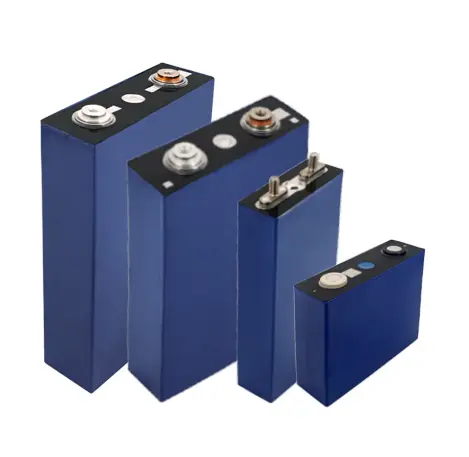
Industrial batteries are large-capacity batteries designed for heavy-duty manufacturing, warehousing and logistics applications. Engineers design these batteries to withstand heavy usage and extreme operating conditions. They are ideal for backup power systems, forklifts, locomotives, and renewable energy storage. Industrial battery chemistries include lead-acid (flooded, GEL, AGM), lithium-ion (LiFePO4, NMC), nickel-cadmium (Ni-Cd), nickel-iron (Ni-Fe) and emerging large-scale technologies such as sodium-sulfur for grid-scale storage.
Industrial Battery Types
- Lead-Acid Batteries: Common in forklifts and UPS systems. Durable and cost-effective for large capacity, but heavier and require maintenance (watering, equalization).
- Lithium-Ion Batteries (LiFePO4, NMC): Higher energy density, longer cycle life, lighter weight and lower maintenance. Increasingly used in modern forklifts, EVs and solar storage.
- Nickel-Cadmium (Ni-Cd): Reliable under extreme temperatures and rugged environments; used in legacy systems and some industrial controls.
- Nickel-Iron (Ni-Fe): Extremely tolerant of abuse and overcharge with very long useful life; used where longevity and tolerance are valued over energy density.
- Sodium-Sulfur & Other Grid-Scale Chemistries: High energy density at scale; still specialized and mainly used for grid and large renewable-storage projects.
Part 2. Regular battery
Regular Battery Definition
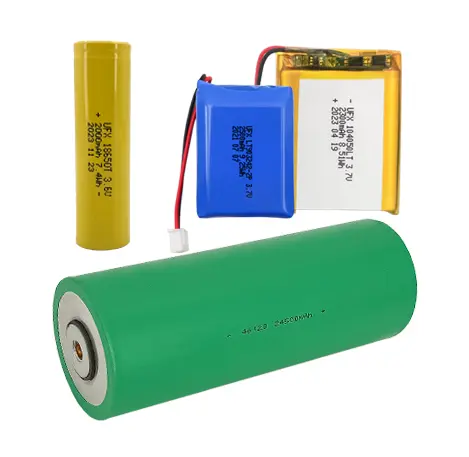
Regular or consumer batteries are small power cells used in everyday household devices such as remote controls, flashlights, toys and portable electronics. They are designed for convenience, portability and low-to-moderate energy demands. Regular batteries come in many formats and chemistries to fit different devices and use-cases.
Regular Battery Types
- Alkaline Batteries: Most common household cells (AA/AAA/C/D/9V). Affordable, long shelf life, used in low- to moderate-drain devices.
- Zinc-Carbon Batteries: Older, cheaper cells with lower capacity—still used in very low-cost, low-drain products.
- Lithium (Primary) Batteries: Lightweight, high energy density primary cells used for cameras, high-drain electronics and coin cells for watches and motherboards.
- Rechargeable Batteries (NiMH, Li-ion): Reusable cells for cameras, toys, power tools and consumer electronics—environmentally friendlier for frequent use.
- Button/ Coin Cells: Very small cells (e.g., CR2032, SR626) used in watches, calculators and small electronics, available in alkaline, silver-oxide and lithium chemistries.
Part 3. Industrial vs. regular batteries: 7 Key differences
Application Scenarios: Where to Use Each Battery Type
Industrial Batteries:
- ✔️ Forklifts and material handling (e.g., 48V Li-ion forklift packs)
- ✔️ Solar and renewable energy storage
- ✔️ Telecom tower backup power
- ✔️ Railway signaling and traction applications
- ✔️ Large UPS systems for data centers and medical facilities
Regular Batteries:
- ✔️ TV remotes (AA/AAA alkaline)
- ✔️ Digital cameras and key fobs (lithium coin cells)
- ✔️ Children’s toys and low-cost electronics (9V, C)
- ✔️ Wall clocks and small household devices (AAA)
Core Differences Explained
Size and Capacity:
- Industrial batteries are much larger and provide far higher capacity (tens to thousands of Ah) and sustained power delivery for machinery.
- Regular batteries are small, lower-capacity cells (mAh scale) for portable devices.
Intended Use:
- Industrial batteries are designed for demanding environments, continuous cycles and heavy loads.
- Regular batteries are intended for intermittent, lower-power consumer use.
Lifespan and Cycle Life:
- Industrial batteries (especially LiFePO4 and quality lead-acid deep-cycle) are engineered for hundreds to thousands of cycles (e.g., 500–1500+ cycles).
- Regular disposable batteries are single-use; rechargeable consumer cells (NiMH/Li-ion) are rated for dozens to a few hundred cycles.
Durability:
- Industrial batteries are ruggedized for temperature extremes, vibration and heavy mechanical stress.
- Regular batteries are not typically ruggedized and are intended for normal household conditions.
Cost:
- Industrial batteries have higher upfront costs ($200–$2000+ depending on chemistry and capacity) but lower cost-per-cycle for long-term use.
- Regular batteries are inexpensive per unit ($0.5–$10) but may cost more over time if frequently replaced.
Rechargeability:
- Industrial batteries are usually rechargeable and integrated with battery management systems (BMS) for safe operation.
- Regular batteries include both disposable alkalines and rechargeable NiMH/Li-ion consumer cells.
Environmental Impact:
- Industrial batteries require specialized recycling or disposal; proper management mitigates environmental impact.
- Disposable regular batteries contribute to waste if not recycled; rechargeable consumer batteries reduce waste over time.
Part 4. Comparison table: Industrial vs regular (example)
|
Specification |
Industrial Battery (12V Lead-Acid / 48V Li-ion) |
Regular Battery (AA Alkaline) |
|
Voltage |
12V–48V (custom packs possible) |
1.5V (AA), 3V (coin) |
|
Voltage Range |
12V–600V (system dependent) |
1.5V–9V |
|
Capacity |
100Ah–5000Ah |
2000mAh–3000mAh |
|
Cycle Life |
500–5000 cycles (chemistry dependent) |
Single-use or 50–500 cycles (rechargeable) |
|
Weight |
15kg–500kg+ |
20g–50g |
|
Typical Cost |
$200–$2000+ |
$0.5–$10 |
|
Operating Temp |
-40°C to 60°C (ruggedized) |
0°C to 40°C (household) |
This table clarifies that industrial battery packs (e.g., 12V lead-acid or 48V Li-ion) are very different in scale and performance from a single AA alkaline cell.
Part 5. Industrial alkaline batteries vs regular alkaline batteries
Because your search and content goals include keywords like industrial alkaline batteries vs regular, it’s important to cover the distinctions specifically between commercially-rated alkaline cells and standard consumer alkaline cells.
Key Differences
| Feature | Industrial Alkaline | Regular Alkaline |
| Durability | Reinforced casing, better vibration/temperature tolerance | Standard consumer casing for household use |
| Shelf life | 7–10 years | 3–5 years |
| Typical use | Industrial sensors, security systems, medical devices | Remotes, toys, flashlights |
| Cost | Higher per cell (industrial grade) | Lower |
When to choose industrial alkaline cells: devices operating in harsh conditions, long duty cycles, or mission-critical systems where failure is costly. When regular alkaline is enough: everyday household items, low-cost toys and intermittent-use devices.
Part 6. How to choose the right battery? (Decision Guide)
Use this step-by-step guide (AI-friendly, quick to scan) to select the correct battery type for your application.
Step 1 — Identify the voltage & system requirements
- If equipment requires 12V, 24V or 48V: you need an industrial battery pack or battery bank.
- If it requires 1.5V, 3V, or 9V: standard consumer cells (AA/AAA/coin/9V) are likely appropriate.
Step 2 — Determine load type: continuous vs intermittent
- Continuous heavy loads (forklifts, inverters, telecom): choose industrial deep-cycle lead-acid or LiFePO4 with BMS.
- Intermittent, low-drain (remote, wall clock): standard alkaline or small lithium cells are fine.
Step 3 — Temperature and environment
- Extreme cold/heat, vibration or outdoor exposure → industrial battery with rugged casing and temperature ratings.
- Indoor, climate-controlled use → consumer batteries suffice.
Step 4 — Lifecycle cost analysis
- Calculate cost per cycle: high upfront industrial battery often wins long-term vs repeated replacement of consumer cells.
- Consider maintenance costs (watering, equalization) for some lead-acid industrial systems.
Step 5 — Rechargeability & safety systems
- Industrial systems should include a battery management system (BMS) and proper charging infrastructure.
- For consumer rechargeables, choose NiMH or high-quality Li-ion cells and proper consumer chargers.
Part 7. FAQs: Industrial vs. regular batteries
What is the main difference between industrial and regular batteries?
Industrial batteries are built for heavy machinery and continuous use (higher voltage, capacity and cycle life), while regular batteries power small consumer electronics and are optimized for convenience and portability.
Can I use regular AA batteries in industrial equipment?
No. Regular AA cells lack the voltage, capacity and cycle-life required for industrial systems and should not be used as substitutes for industrial battery packs.
Which lasts longer: industrial or regular batteries?
Industrial batteries last significantly longer in their intended applications (often 5–10 years with proper maintenance) versus disposable consumer cells, which last months to a few years depending on use.
Are industrial batteries more expensive?
Yes. Industrial batteries have a higher upfront cost—ranging from hundreds to thousands of dollars for packs—while consumer batteries cost cents to a few dollars each. Industrial options’ cost-per-cycle is typically lower.
Do industrial alkaline batteries last longer than regular alkaline?
Industrial-grade alkaline cells generally have longer shelf life and better mechanical and thermal resilience than standard consumer alkalines, making them suitable for professional equipment and harsh environments.
Part 8. Conclusion
Understanding the distinctions between industrial and regular batteries helps you match the correct power solution to your application. Industrial batteries provide the voltage, capacity, durability and lifecycle needed for heavy-duty equipment and critical systems. Regular batteries are convenient and cost-effective for everyday household devices. Evaluate voltage requirements, load profile, operating environment and lifecycle cost to choose the right battery type.
Related Tags:

More Articles
Dead Battery or Device Failure? How to Find the Cause
Think your device is broken? Learn how to tell if the problem comes from battery aging or hardware failure before replacing your electronics.
Why iPhone Duo Uses Two Batteries: The Engineering Behind Foldable Phone Power
Why do foldable phones need two batteries? Explore the engineering challenges behind iPhone Duo’s dual-battery architecture and future battery trends.
Solid-State Batteries: 3 Myths You Need to Know
Solid-state batteries promise safer EVs and longer range, but the reality is more complex. Discover the challenges behind this next-gen technology.
Battery Capacity vs Discharge Rate: The Choice Engineers Face
Higher capacity or higher discharge rate? Learn how to choose the right LiPo battery for longer runtime, stable power output, and better device performance.
Battery Cable Size Guide: Choose the Right Wire Fast
Not sure what battery cable size you need? Learn how to select the right wire gauge, terminal size, and cable for safer, more efficient battery systems.


