- Key Takeaways
- Part 1. Why battery weight matters in cars
- Part 2. Types of car batteries and how much they weigh
- Part 3. What determines a car battery’s weight
- Part 4. How weight impacts performance and safety
- Part 5. Real-World car scenarios: how battery weight affects vehicles
- Part 6. Maintenance and lifespan considerations
- Part 7. Choosing the right car battery
- Part 8. Environmental considerations
- Part 10. Conclusion
- Part 11. FAQs
When you think about a car battery, you might focus on its power or lifespan, but weight is just as important. From traditional lead-acid batteries to modern lithium-ion packs in electric vehicles, weight affects your car’s handling, fuel efficiency, safety, and even maintenance costs. Understanding these factors can help you make smarter decisions when replacing or upgrading your battery.
Key Takeaways
- Vehicle Dynamics: Heavier batteries can reduce handling and cornering performance, while lighter batteries improve agility.
- Fuel Efficiency & Range: Lighter batteries save fuel in conventional cars and extend range in EVs.
- Safety Considerations: Extra battery weight can increase braking distance and collision impact.
- Choosing the Right Battery: The best battery balances weight, capacity, performance, and cost for your specific vehicle.
Part 1. Why battery weight matters in cars

A car battery isn’t just a power source—it’s part of your vehicle’s overall weight distribution. Heavier batteries shift the center of gravity, which can make sharp turns less stable and accelerate wear on suspension and brakes.
For electric vehicles, battery weight plays an even larger role: a lighter pack allows the motor to work less, increasing efficiency and range.
Fuel consumption is another factor.
In traditional internal combustion vehicles, a heavy battery forces the engine to burn more fuel.
In EVs, reducing battery weight directly translates to more miles per charge. Research shows that reducing battery weight by 10% can improve efficiency by 6–8%, which is significant for daily drivers and fleet vehicles alike.
Part 2. Types of car batteries and how much they weigh
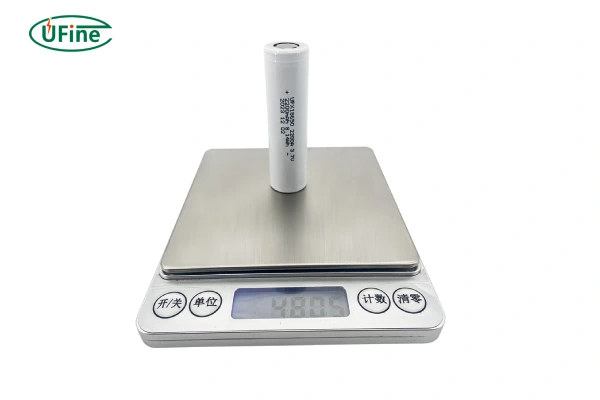
Car batteries come in several types, each with distinct weight characteristics:
| Battery Type | Weight Range | Key Features |
|---|---|---|
| Lead-Acid | 30–50 lbs (13.6–22.7 kg) | Reliable, affordable, high surge current, but heavy and lower energy density. |
| AGM (Absorbent Glass Mat) | 44–66 lbs (20–30 kg) | Advanced lead-acid design, better lifespan and performance, slightly heavier. |
| Lithium-Ion | 10–20 lbs (4.5–9.1 kg) | Lightweight, high energy density, improves handling and fuel efficiency. |
| EV Battery Packs | 550–2,000 lbs (250–900 kg) | Required for long-range EVs, heavy but essential for energy storage. |
AGM VS Lithium VS Lead-Acid Battery: Comprehensive Comparison
Example EV Battery Packs:
| EV Model | Battery Weight | Capacity (kWh) | Range |
|---|---|---|---|
| Tesla Model S | 1,200 lbs (544 kg) | 85–100 | 370–405 miles |
| Nissan Leaf | 794 lbs (360 kg) | 62 | 226 miles |
| Chevrolet Bolt EV | 958 lbs (435 kg) | 66 | 259 miles |
| Renault Zoé | 720 lbs (326 kg) | 41 | 186 miles |
As you can see, EV batteries are much heavier than conventional car batteries—but this weight is necessary to store enough energy for long-distance driving.
Part 3. What determines a car battery’s weight
1 Materials
Battery materials are the biggest factor in weight. Lead-acid batteries rely on dense lead plates and sulfuric acid, making them heavy. Lithium-ion batteries, by contrast, use lighter compounds and polymers while achieving high energy density. Some EV batteries contain cobalt or manganese, which further influences mass.
2 Capacity and Size
Larger batteries store more energy, but also weigh more. Energy density (Wh/kg) is key: higher energy density allows batteries to deliver more power without proportionally increasing weight. Advances in battery technology aim to increase energy density while minimizing size and weight, particularly in EV applications.
3 Design and Engineering
The way battery cells are arranged affects both efficiency and weight. Compact, modular designs reduce unused space and help balance weight distribution. Modern battery packs are engineered to optimize weight, safety, and performance, making vehicles lighter without sacrificing power.
Part 4. How weight impacts performance and safety
Battery weight affects how a car handles, brakes, and accelerates.
Heavier batteries may feel more stable on highways, but they increase stopping distances and stress suspension components.
Lighter batteries, especially in EVs, improve handling, energy efficiency, and even acceleration.
Safety considerations are also crucial. In collisions, heavier batteries add mass that can increase crash severity. Lighter batteries reduce overall vehicle weight, potentially improving crash outcomes.
Choosing the right weight involves balancing performance, efficiency, and safety.
Part 5. Real-World car scenarios: how battery weight affects vehicles
Battery weight impacts vehicles differently depending on type and usage.
In small passenger cars, lighter batteries improve handling, acceleration, and braking by lowering the center of gravity. They also reduce engine strain in conventional cars, offering small but noticeable fuel savings.
For SUVs and trucks, heavier batteries may be necessary to meet energy demands for towing, off-road use, or long-range EV driving. While added weight slightly reduces efficiency, it ensures sufficient power and stability. Battery placement is also critical to maintain safe handling.
Hybrid vehicles use smaller auxiliary batteries. Lighter packs support supplemental power while minimizing weight impact, allowing hybrids to maximize fuel efficiency without sacrificing performance.
In electric vehicles (EVs), battery weight has a pronounced effect. Heavier packs increase mass, affecting acceleration and braking, but higher capacity enables longer range. Manufacturers carefully balance weight, placement, and cooling to optimize performance and safety.
Part 6. Maintenance and lifespan considerations
Battery weight influences durability and maintenance needs.
Heavy lead-acid batteries are robust, handling repeated deep discharges, but require more space and mass for the same capacity as lithium batteries.
Lighter lithium-ion batteries offer higher energy density, improving efficiency and handling. However, they are more sensitive to temperature and charging practices, so proper thermal management is essential. In EVs, cooling systems help maintain optimal battery life.
Even minor factors, like a fully charged battery weighing slightly more than a discharged one, can affect stress on suspension and mounting systems. Understanding weight’s effect on lifespan helps prevent premature degradation.
Part 7. Choosing the right car battery
Selecting the optimal battery weight isn’t about picking the lightest option.
Consider your car’s power requirements, driving habits, and load distribution.
Heavier batteries may be needed for vehicles with higher energy demands or towing capabilities, while lighter batteries enhance performance and efficiency in smaller cars and EVs.
To determine the right battery:
- Identify your battery type (lead-acid, lithium-ion, AGM, etc.).
- Check the battery label, manual, or BCI number for weight and capacity.
- Consider energy density and size for your vehicle.
- Consult the manufacturer if unsure about compatibility.
Part 8. Environmental considerations
Battery weight also impacts environmental sustainability.
Heavier batteries require more raw materials, energy for production, and more complex recycling processes.
Lighter lithium-ion batteries reduce production emissions and improve vehicle efficiency, supporting greener transportation.
Part 10. Conclusion
Car battery weight is a critical factor influencing vehicle handling, fuel efficiency, EV range, and safety. Lighter batteries offer performance and efficiency benefits, while heavier batteries may provide greater durability or capacity. Choosing the right battery requires considering your vehicle’s needs, battery chemistry, and intended use. Understanding these factors ensures a smarter, safer, and more efficient driving experience.
Part 11. FAQs
How do I find my car battery’s weight?
Check the label, vehicle manual, or Battery Council International (BCI) number. Manufacturers can provide exact specs.
Will a lighter battery improve my car’s performance?
Yes, lighter batteries reduce stress on brakes and suspension, improve handling, fuel efficiency, and EV range.
Can I replace a heavy battery with a lighter one?
Yes, if it meets your car’s power requirements. Always verify compatibility before upgrading.
Can I mix battery weights when replacing a car battery?
It’s not recommended; mixing batteries with different weights or chemistries can affect performance, efficiency, and safety.
Related Tags:

More Articles

JST vs Molex: The Right Battery Connector Choice
JST or Molex for your battery? Learn how connector selection affects current, voltage drop, reliability, and device performance.
Custom Battery Pricing: Costs Manufacturers Don’t Mention
A low battery quote may not be the final cost. Discover common hidden expenses that affect custom lithium battery projects.
Battery Wire Length: Hidden Cause of Power Loss
A longer battery wire can cause voltage drop, power loss, and unstable operation. Learn how wire length affects battery performance.
How Device Sleep Modes Affect Battery Life
Think sleep mode extends battery life? Learn why devices still drain power and how firmware, hardware, and batteries affect runtime.
LiPo Battery and PCB Design: Clearance, Insulation, and Placement
Learn how to optimize LiPo battery PCB clearance, insulation, placement, wiring, and thermal design—and avoid common integration mistakes.