- Part 1. Rechargeable AA battery types and lifespan comparison
- Part 2. Do rechargeable AA batteries last as long as alkaline?
- Part 3. What determines rechargeable AA battery lifespan?
- Part 4. How long do rechargeable AA batteries last in real use?
- Part 5. How many times can rechargeable AA batteries be recharged?
- Part 6. Expert tips to maximize rechargeable AA battery lifespan
- Part 7. Common misconceptions about rechargeable AA batteries
- Part 8. Environmental impact of rechargeable AA batteries
- Part 9. Signs it's time to replace rechargeable AA batteries
- Part 10. Frequently asked questions
- Part 11. Key takeaways
Rechargeable AA batteries typically last 2–10+ years, depending on chemistry, usage patterns, and charging habits. Standard NiMH AA batteries usually last 2–5 years (about 500–1000 charge cycles), while lithium rechargeable AA batteries can last 5–10+ years (often 1000–2000+ cycles). Compared with alkaline batteries, rechargeables deliver more total energy over their lifetime and provide more stable voltage in most real-world applications.
This guide explains how long rechargeable AA batteries last in practice, whether they last as long as regular alkaline batteries, what shortens or extends lifespan, and how to choose the right AA battery for your device.
Part 1. Rechargeable AA battery types and lifespan comparison
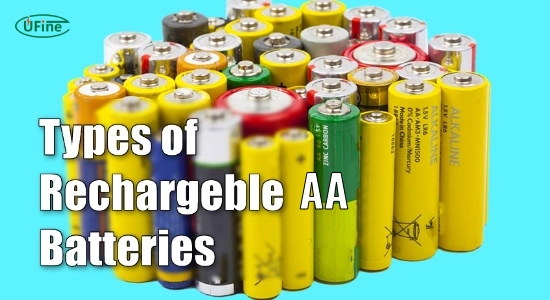
1 NiMH (nickel-metal hydride) AA batteries
- Typical lifespan: 2–5 years
- Recharge cycles: 500–1000
- Nominal voltage: 1.2V
- Best for: High-drain devices (digital cameras, flashes, toys, gaming controllers)
- Engineering note: Low-self-discharge (LSD) NiMH cells can retain ~70–80% charge after one year of storage
2 Lithium rechargeable AA batteries
- Typical lifespan: 5–10+ years
- Recharge cycles: 1000–2000+
- Nominal voltage: 1.5V (regulated) or 1.2–1.3V (cell-dependent)
- Best for: Low- to medium-drain devices, emergency equipment, long-term standby use
- Engineering note: Extremely low self-discharge, often 3× longer shelf retention than NiMH
Key insight: When users ask “how long do rechargeable AA batteries last,” chemistry matters more than brand. Lithium rechargeable AA batteries generally last 2–3× longer than NiMH in both calendar years and usable charge cycles.
| Battery Type | Lifespan (Years) | Charge Cycles | Typical Applications | Compared to Alkaline |
|---|---|---|---|---|
| Standard NiMH | 2–3 | ~500 | Cameras, toys | Much higher total energy output |
| Premium LSD NiMH | 4–5 | ~1000 | Controllers, daily-use electronics | Outperforms alkaline in high-drain loads |
| Lithium Rechargeable | 7–10+ | 2000+ | Remotes, sensors, emergency lights | Lasts 2–3× longer overall |
| Alkaline (reference) | 1–3 | Single-use | Low-drain devices | Lower lifetime energy, non-rechargeable |
Part 2. Do rechargeable AA batteries last as long as alkaline?
This is one of the most searched questions: do rechargeable batteries last as long as regular batteries?
The answer depends on how you define “last”:
- Single-use runtime: Alkaline batteries may last longer in very low-drain devices because they start at 1.5V.
- Total lifespan and energy delivered: Rechargeable AA batteries last far longer overall because they can be reused hundreds or thousands of times.
- Voltage stability: Rechargeables maintain steadier voltage under load, which is why many high-drain devices perform better with NiMH than alkaline.
From an engineering and cost perspective, rechargeables clearly outlast alkaline batteries across their usable lifetime.
Part 3. What determines rechargeable AA battery lifespan?
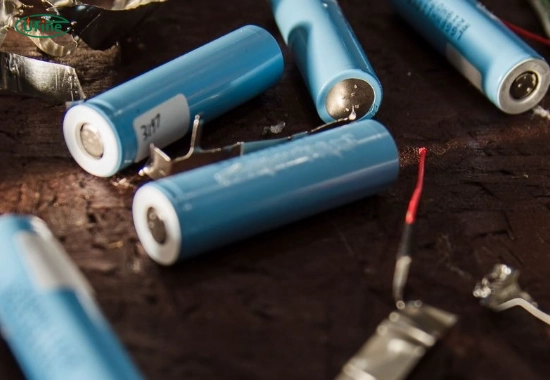
Several technical and usage factors determine how long rechargeable AA batteries last:
- Battery quality: Cells with tighter manufacturing tolerances age more slowly and retain capacity longer.
- Discharge current: High-drain applications accelerate chemical aging, especially in NiMH cells.
- Charging method: Smart chargers with delta-V or voltage cutoff significantly extend cycle life.
- Depth of discharge: Shallow cycles (20–80%) result in longer overall lifespan than full discharges.
- Temperature: Storage or charging above 30°C (86°F) accelerates capacity fade.
According to IEC battery testing standards and manufacturer data, temperature and overcharging are the two most common causes of premature rechargeable battery failure.
Part 4. How long do rechargeable AA batteries last in real use?
| Battery Type | Typical Service Life | Recharge Cycles | Real-World Example |
|---|---|---|---|
| Standard NiMH | 2–3 years | ~500 | Camera used weekly |
| Premium NiMH | 4–5 years | ~1000 | Daily gaming controller |
| Lithium Rechargeable | 7–10+ years | 2000+ | Emergency flashlight |
Lifespan calculation example: A NiMH battery rated for 500 cycles, charged once per week, theoretically supports ~9.6 years of use. In practice, capacity degradation usually shortens usable life to 3–5 years.
Part 5. How many times can rechargeable AA batteries be recharged?
- NiMH AA batteries: 500–1000 cycles, depending on depth of discharge and charging control.
- Lithium rechargeable AA batteries: 1000–2000+ cycles, with slower capacity fade over time.
From a lifecycle-cost standpoint, one rechargeable AA battery can replace 100–300 alkaline batteries, even when accounting for charging losses.
Part 6. Expert tips to maximize rechargeable AA battery lifespan
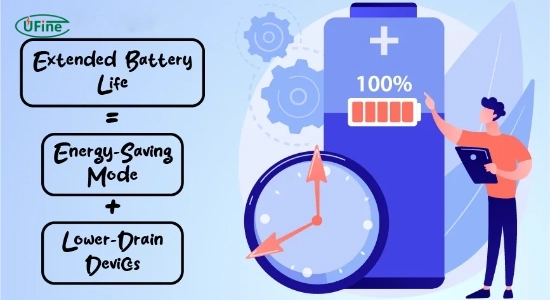
- Use chemistry-specific smart chargers with automatic cutoff.
- Avoid full deep discharges; recharge around 20–30% remaining capacity.
- Limit heat exposure during charging and storage.
- Cycle stored batteries periodically (every 3–4 months).
- Keep matched sets together to avoid imbalance in multi-cell devices.
Part 7. Common misconceptions about rechargeable AA batteries
- “Rechargeables don’t last as long as alkaline”: False when total lifetime energy is considered.
- “Memory effect is still a problem”: Modern NiMH and lithium AA batteries are largely unaffected.
- “Voltage makes them incompatible”: Most modern electronics tolerate 1.2V NiMH without issue.
Part 8. Environmental impact of rechargeable AA batteries
Rechargeable batteries significantly reduce environmental impact by:
- Lowering landfill waste from disposable cells
- Reducing raw material extraction per kWh delivered
- Supporting established recycling streams (Call2Recycle, EU Battery Directive)
For recycling guidelines, refer to EPA and IEC battery disposal standards.
Part 9. Signs it’s time to replace rechargeable AA batteries
- Usable capacity drops below ~80% of original rating
- Runtime becomes inconsistent across identical cells
- Physical swelling, leakage, or corrosion appears
Part 10. Frequently asked questions
How long do rechargeable AA batteries last?
NiMH batteries last 2–5 years, while lithium rechargeable AA batteries last 5–10+ years, depending on usage and charging conditions.
Do rechargeable AA batteries last as long as alkaline?
Per single use, alkaline may last longer in low-drain devices, but rechargeables last far longer overall across their lifetime.
Can rechargeable AA batteries be used in all devices?
Most devices accept them, but voltage-sensitive equipment may require regulated 1.5V lithium AA batteries.
Do rechargeable batteries last longer than regular batteries overall?
Yes. In total energy delivered, rechargeables outperform alkaline batteries by a wide margin.
Part 11. Key takeaways
- Rechargeable AA batteries typically last 2–10+ years, depending on chemistry and usage.
- Lithium rechargeable AA batteries last significantly longer than NiMH in both years and cycles.
- Rechargeables deliver far more total energy over their lifetime than alkaline batteries.
- Proper charging, temperature control, and shallow cycling dramatically extend battery lifespan.
- For high-drain devices, NiMH outperforms alkaline; for long-term storage, lithium AA is superior.
Related Tags:

More Articles
Dead Battery or Device Failure? How to Find the Cause
Think your device is broken? Learn how to tell if the problem comes from battery aging or hardware failure before replacing your electronics.
Why iPhone Duo Uses Two Batteries: The Engineering Behind Foldable Phone Power
Why do foldable phones need two batteries? Explore the engineering challenges behind iPhone Duo’s dual-battery architecture and future battery trends.
Solid-State Batteries: 3 Myths You Need to Know
Solid-state batteries promise safer EVs and longer range, but the reality is more complex. Discover the challenges behind this next-gen technology.
Battery Capacity vs Discharge Rate: The Choice Engineers Face
Higher capacity or higher discharge rate? Learn how to choose the right LiPo battery for longer runtime, stable power output, and better device performance.
Battery Cable Size Guide: Choose the Right Wire Fast
Not sure what battery cable size you need? Learn how to select the right wire gauge, terminal size, and cable for safer, more efficient battery systems.