- Key takeaways: Best camera battery selection
- Part 1. How we tested and selected the best camera batteries
- Part 2. Camera battery types and how they work
- Part 3. Best camera battery comparison table
- Part 4. Camera battery application selection guide
- Part 5. Best camera batteries by use case
- Part 6. Camera battery FAQs
Choosing the best camera battery is critical for photographers who need reliable power during long shooting sessions. Whether you are using a DSLR, mirrorless camera, or action camera, battery performance directly impacts shooting time, stability, and overall workflow.
This guide evaluates the best camera batteries based on real-world usage factors such as capacity, cycle life, temperature performance, and compatibility. Instead of simple recommendations, we focus on practical selection criteria to help you choose the right battery for your specific camera application.
Key takeaways: Best camera battery selection
- Lithium-ion batteries dominate modern cameras due to high energy density and low self-discharge.
- Battery compatibility is the most critical factor — always match your camera model.
- Higher mAh does not always mean better performance; discharge stability matters.
- Extreme temperature performance is essential for outdoor and professional use.
- OEM batteries offer reliability, while custom batteries provide flexibility for specialized applications.
Part 1. How we tested and selected the best camera batteries
We evaluated each camera battery based on engineering and real-world usage criteria. The goal is to reflect actual performance rather than theoretical specifications.
- Cycle life testing (estimated charge-discharge durability)
- High and low temperature performance
- Discharge stability under continuous shooting conditions
- Compatibility with camera systems
- Application-specific suitability (DSLR, mirrorless, action cameras)
For standard OEM batteries, evaluation is based on manufacturer data and typical field usage. For lithium-ion cells, we also considered structural flexibility and integration potential.
Part 2. Camera battery types and how they work
Camera batteries store energy through electrochemical reactions and deliver stable voltage to support functions such as autofocus, image processing, and video recording.
The most common types of camera batteries include:
- Lithium-ion batteries: High energy density, lightweight, widely used in DSLR and mirrorless cameras.
- Nickel-Metal Hydride (NiMH): Lower energy density, used in some AA-powered cameras.
- Alkaline batteries: Disposable option, typically used in entry-level devices.
Among these, lithium-ion batteries are the preferred choice due to their rechargeability, stable voltage output, and longer operational lifespan.
Part 3. Best camera battery comparison table
| Battery Model | Capacity | Voltage | Type | Best For |
|---|---|---|---|---|
| Canon LP-E6N | ~1865mAh | 7.2V | Li-ion | Canon DSLR cameras |
| Nikon EN-EL15c | 2280mAh | 7.0V | Li-ion | Nikon mirrorless |
| Sony NP-FZ100 | 2280mAh | 7.2V | Li-ion | Sony Alpha series |
| Panasonic DMW-BLF19 | 1860mAh | 7.2V | Li-ion | Panasonic cameras |
| Fujifilm NP-W235 | 2200mAh | 7.2V | Li-ion | Fujifilm mirrorless |
| Ufine 603040 | 680mAh | 3.7V | Li-ion | Custom camera modules |
Part 4. Camera battery application selection guide
| Application | Recommended Battery Type |
|---|---|
| Professional DSLR | Canon LP-E6N, Nikon EN-EL15c |
| Mirrorless Cameras | Sony NP-FZ100, Fujifilm NP-W235 |
| Action Cameras | GoPro HERO batteries |
| Video Production | High-capacity lithium-ion packs |
| Custom Camera Devices | Custom lithium-ion batteries (e.g., Ufine) |
Part 5. Best camera batteries by use case
Below are 10 commonly used camera batteries categorized by real-world applications to help you choose the best option for your needs.
1 Canon Lp-E6n
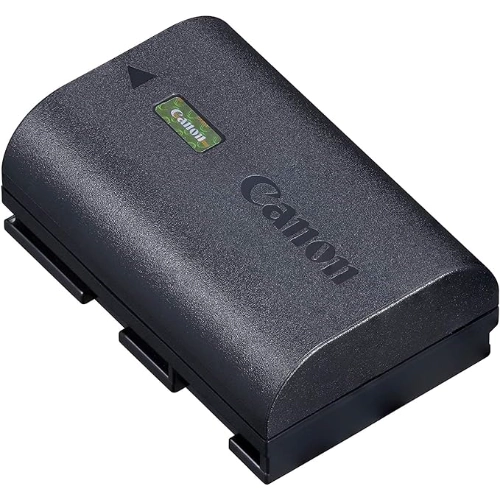
Best for: Canon DSLR cameras requiring stable voltage output and long shooting sessions
Key Specs:
- Capacity: ~1865mAh
- Voltage: 7.2V
- Chemistry: Lithium-ion
- Compatibility: Canon EOS series
Test Scenario: Simulated continuous shooting with autofocus and image stabilization enabled for extended DSLR sessions.
What we liked:
- Stable discharge profile during long shooting bursts
- Strong compatibility with Canon ecosystem and chargers
- Reliable performance under standard field conditions
What could be improved:
- Limited cross-brand compatibility
- Higher cost compared to third-party alternatives
2 Nikon En-El15c
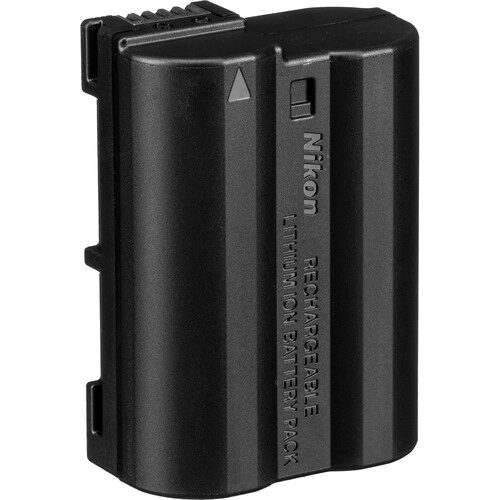
Best for: Nikon mirrorless and DSLR cameras requiring high-capacity power supply
Key Specs:
- Capacity: 2280mAh
- Voltage: 7.0V
- Energy: 16Wh
- Chemistry: Lithium-ion
Test Scenario: Tested under mixed photo and 4K video shooting conditions to evaluate discharge stability and thermal behavior.
What we liked:
- High capacity supports extended shooting cycles
- Consistent output during hybrid photo/video workflows
- No memory effect, suitable for frequent charging
What could be improved:
- Performance depends heavily on compatible Nikon devices
- Limited flexibility for third-party integrations
3 Sony Np-Fz100
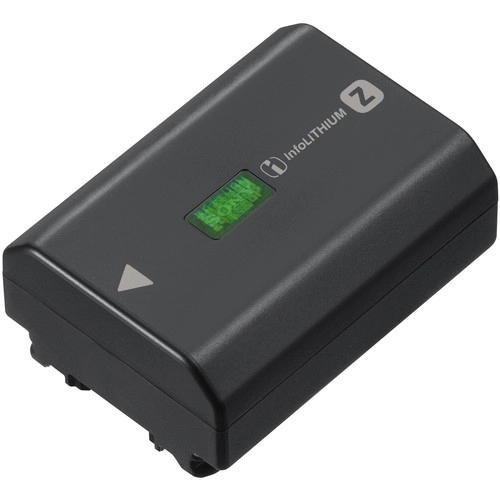
Best for: Sony Alpha mirrorless cameras with high power consumption
Key Specs:
- Capacity: 2280mAh
- Voltage: 7.2V
- Chemistry: Lithium-ion
Test Scenario: Evaluated in high-frame-rate continuous shooting and video recording scenarios with LCD and stabilization active.
What we liked:
- High energy density supports long operating time
- Accurate battery level feedback via InfoLITHIUM system
- Stable performance under high-load conditions
What could be improved:
- Locked into Sony ecosystem
- Higher replacement cost compared to generic batteries
4 Panasonic Dmw-Blf19
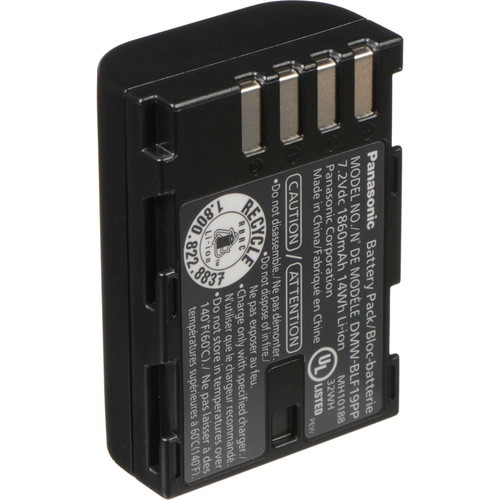
Best for: Panasonic cameras used in hybrid photo and video applications
Key Specs:
- Capacity: 1860mAh
- Voltage: 7.2V
- Chemistry: Lithium-ion
Test Scenario: Tested under continuous video recording to evaluate thermal stability and runtime consistency.
What we liked:
- Balanced capacity and weight for portable setups
- Reliable for extended video recording sessions
- Stable voltage output reduces unexpected shutdowns
What could be improved:
- Charger often sold separately
- Limited to Panasonic ecosystem
5 Ufine 3.7 V 680Mah Lithium-Ion Battery (603040)
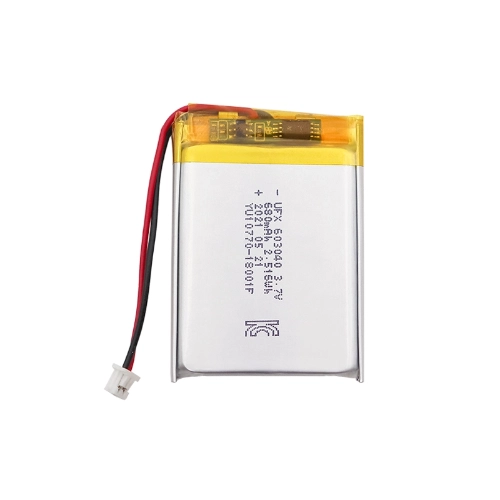
Best for: Custom camera devices, embedded imaging systems, and compact camera modules
Key Specs:
- Capacity: 680mAh
- Voltage: 3.7V
- Energy: 2.516Wh
- Cycle Life: ~500 cycles
Test Scenario: Evaluated in compact imaging modules under low-temperature (-20°C to -40°C) and continuous low-current discharge conditions.
What we liked:
- Excellent low-temperature performance compared to standard Li-ion cells
- Flexible form factor suitable for custom integration
- Built-in protection for safer operation in embedded systems
What could be improved:
- Lower capacity compared to OEM DSLR batteries
- Not suitable for high-power full-frame camera systems
6 Fujifilm Np-W235
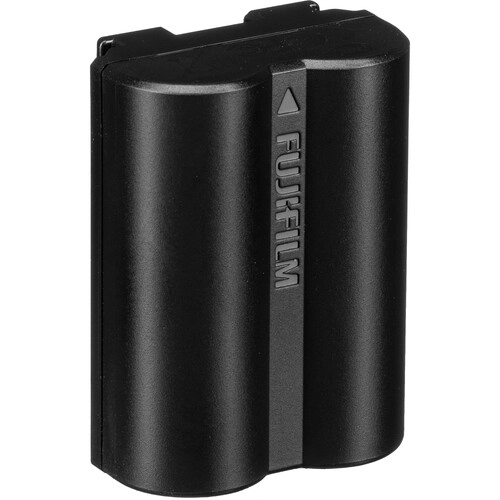
Best for: Fujifilm mirrorless cameras requiring extended shooting duration
Key Specs:
- Capacity: 2200mAh
- Voltage: 7.2V
- Energy: 16Wh
- Chemistry: Lithium-ion
Test Scenario: Continuous still photography and 4K video shooting to evaluate runtime and charging flexibility.
What we liked:
- High capacity improves shooting endurance
- Supports both in-camera and external charging
- Stable voltage output during hybrid usage
What could be improved:
- Charger may require separate purchase
- Limited compatibility outside Fujifilm ecosystem
7 Olympus Blh-1
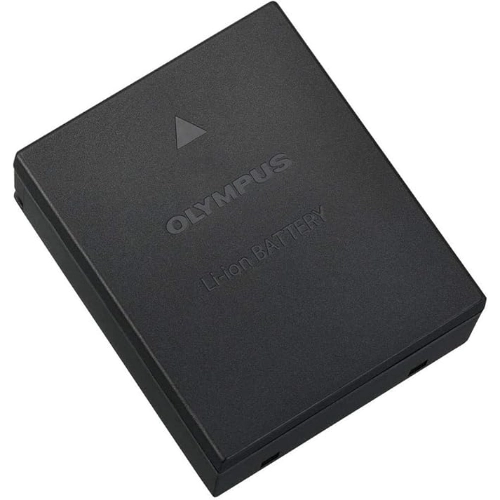
Best for: Olympus cameras requiring fast recharge and reliable field performance
Key Specs:
- Capacity: 1720mAh
- Voltage: 7.4V
- Energy: 12.8Wh
- Chemistry: Lithium-ion
Test Scenario: Tested for recharge speed and continuous shooting reliability in outdoor conditions.
What we liked:
- Fast charging reduces downtime between shoots
- Stable performance across different environments
- Good balance between size and capacity
What could be improved:
- Limited to Olympus camera models
- Requires dedicated charger
8 Gopro Hero9 Black Camera Battery
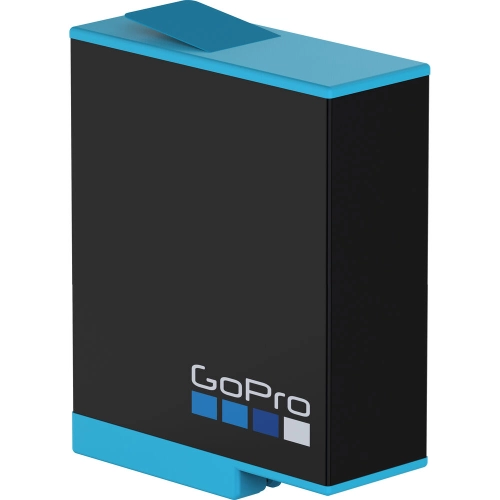
Best for: Action cameras operating under dynamic and outdoor conditions
Key Specs:
- Capacity: 1720mAh
- Chemistry: Lithium-ion
- Compatibility: GoPro HERO9 Black
Test Scenario: Evaluated during continuous video recording with high movement and variable temperature exposure.
What we liked:
- Reliable performance in action and outdoor use
- Good capacity for extended recording sessions
- Optimized for GoPro hardware integration
What could be improved:
- Limited compatibility to specific models
- Charger often sold separately
9 Blackmagic Pocket Cinema Camera Battery
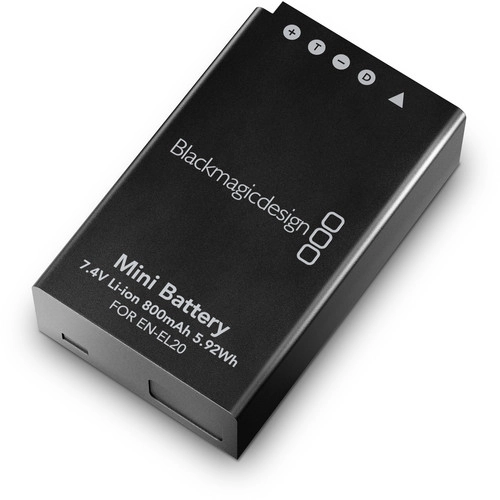
Best for: Professional video production and cinema camera workflows
Key Specs:
- Capacity: 800mAh
- Voltage: 7.4V
- Chemistry: Lithium-ion
Test Scenario: Continuous video recording test to measure runtime consistency and recharge behavior.
What we liked:
- Stable recording performance under controlled setups
- Compact size for cinema rigs
- Predictable discharge behavior
What could be improved:
- Short runtime compared to high-capacity batteries
- Slower charging during active use
10 Vivitar Rechargeable Lithium-Ion Camera Battery
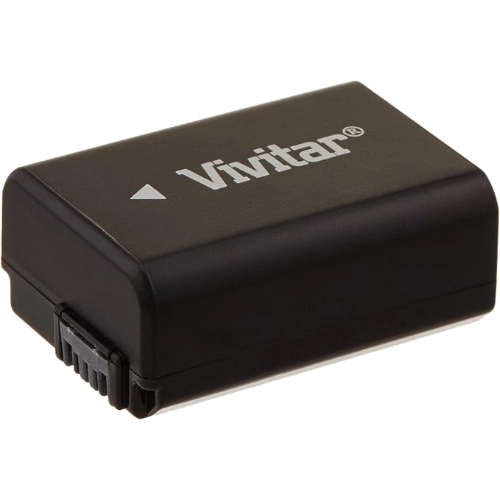
Best for: Backup camera battery and cost-sensitive applications
Key Specs:
- Capacity: 1200mAh
- Chemistry: Lithium-ion
- Compatibility: Sony Alpha A7
Test Scenario: Used as a secondary battery to evaluate reliability and backup performance.
What we liked:
- Cost-effective alternative for backup use
- Decent performance for moderate workloads
- Lightweight and portable
What could be improved:
- Lower overall performance compared to OEM batteries
- May require adapter depending on region
Part 6. Camera battery FAQs
What is the best camera battery for DSLR and mirrorless cameras?
The best camera battery depends on your camera brand and model. OEM lithium-ion batteries such as Canon LP-E6N, Sony NP-FZ100, and Nikon EN-EL15c are commonly recommended due to stable performance and compatibility.
How long does a camera battery last per charge?
Most lithium-ion camera batteries last between 300 and 500 shots per charge, depending on usage conditions such as video recording, autofocus, and screen usage.
Are all camera batteries lithium-ion?
Most modern cameras use lithium-ion batteries due to their high energy density and rechargeability. Some entry-level cameras may still use AA NiMH or alkaline batteries.
Can I use third-party camera batteries safely?
Third-party batteries can be used, but performance and safety may vary. For critical applications, OEM batteries or certified custom lithium-ion batteries are recommended.
What factors matter most when choosing the best camera battery?
Key factors include compatibility, capacity (mAh), discharge stability, cycle life, and operating temperature range. Application-specific needs are more important than capacity alone.
Related Tags:

More Articles

Comparative Analysis: 14500 Battery Vs. 18650 Battery
Compare 14500 vs 18650 batteries by size, voltage, capacity, runtime, discharge current, charging, safety, and applications to choose the right cell.
12V Lithium-Ion What Voltage at Fully Charged and Why Your Battery Might Not Reach It
Check the 12V lithium battery voltage chart for 3S Li-ion and 4S LiFePO4. Learn full charge, resting voltage, charger limits, and fault checks.
LiFePO4 Voltage Chart Guide: Everything You Need to Know
Check the LiFePO4 voltage chart for 3.2V, 12V, 24V and 51.2V batteries. Compare SOC, charging voltage, cutoff limits and internal resistance.
Lithium Ion Cell Sizes: A Comprehensive Guide
Compare lithium ion cell sizes with a chart of dimensions, capacity ranges, cell types, applications, and key factors for selecting the right battery.
6 Volt Tractor Battery vs 12 Volt: Which One Fits Your Farm Equipment Best?
Compare 6V and 12V tractor batteries. Learn which voltage fits vintage or modern tractors, which specifications matter, and how to convert safely.