
- Key takeaways
- Part 1. What are tracker lithium batteries?
- Part 2. Types of lithium batteries for trackers
- Part 3. Advantages of using lithium batteries in trackers
- Part 4. Choosing the correct tracker lithium battery
- Part 5. Maintaining and extending battery life
- Part 6. Who makes tracker lithium batteries?
- Part 7. FAQs about tracker lithium batteries and manufacturers
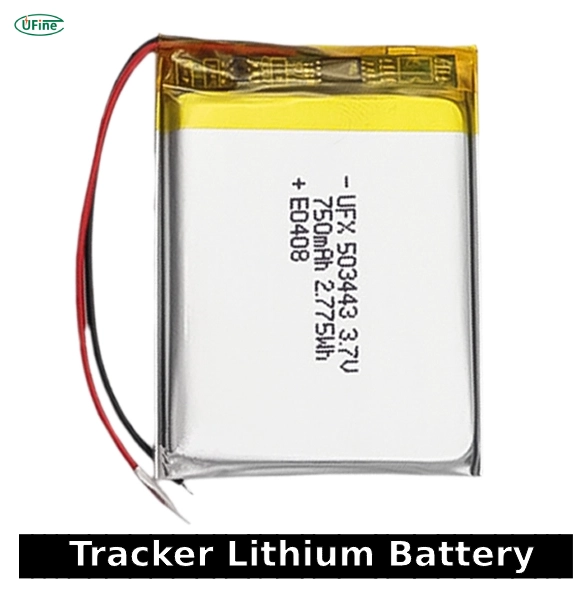
Tracker Lithium Battery Guide: Tracker lithium batteries power modern tracking devices, impacting size, lifespan, and reliability. This guide covers how they work, main chemistries, selection tips, and maintenance best practices.
Key takeaways
- Tracker lithium batteries are optimized for long service life, compact size, and stable performance in variable environmental conditions.
- Different tracker applications require different lithium chemistries, including Li-ion, Li-Po, LiFePO₄, and primary lithium batteries.
- Battery selection should balance capacity, size, operating temperature range, rechargeability, and device duty cycle.
- Manufacturer capability—such as quality control, certifications, and customization support—is as important as battery specifications.
- For GPS, IoT, asset, and wildlife trackers, customized lithium batteries often provide better integration and long-term reliability.
Part 1. What are tracker lithium batteries?
Definition: Tracker lithium batteries are purpose-built power sources designed for tracking devices such as GPS trackers, asset trackers, pet trackers, and IoT monitoring equipment. Compared with conventional batteries, they deliver higher energy density, longer operational life, and improved performance under harsh temperature conditions.
Key characteristics: Compact and lightweight design suitable for miniaturized tracking devices, with long service life, stable voltage output, and wide temperature tolerance for reliable operation in outdoor and industrial environments.
Typical applications: GPS vehicle and fleet trackers, pet and personal safety trackers, asset and cargo tracking systems, wearable and fitness tracking devices, wildlife and environmental monitoring trackers.
Part 2. Types of lithium batteries for trackers
1 Lithium-ion (Li-ion) batteries
Lithium-ion batteries are widely used in rechargeable tracking devices due to their high energy density and stable performance.
- Rechargeable with high cycle life
- High energy density for longer runtime
- Low self-discharge during storage
- Common in consumer and commercial GPS trackers
2 Lithium polymer (Li-Po) batteries
Lithium polymer batteries use a flexible pouch structure, enabling custom shapes for ultra-thin or compact trackers.
- Flexible form factors for space-constrained designs
- Lower weight compared to cylindrical cells
- Enhanced safety with proper protection circuits
- Common in wearable and compact IoT trackers
3 Lithium iron phosphate (LiFePO₄) batteries
LiFePO₄ batteries prioritize safety, thermal stability, and long cycle life, making them suitable for industrial and long-term deployments.
- Excellent thermal and chemical stability
- Long cycle life with consistent output
- Lower energy density than Li-ion but higher safety margin
- Used in demanding or safety-critical tracking systems
4 Primary (disposable) lithium batteries
Primary lithium batteries are non-rechargeable and commonly used in low-power trackers requiring multi-year operation without maintenance.
- Very long shelf life
- Stable voltage over extended periods
- Ideal for remote or sealed tracking devices
- Excellent low-temperature performance
5 Custom lithium batteries
Custom lithium batteries are engineered to meet specific tracker requirements, including size constraints, discharge profiles, and environmental protection.
- Tailored dimensions and capacity
- Optimized for specific duty cycles
- Optional waterproofing, shock resistance, or extended temperature range
- Improved device integration and reliability
Part 3. Advantages of using lithium batteries in trackers
- Extended battery life: Reduces maintenance and replacement frequency.
- High energy density: Enables smaller device designs.
- Low self-discharge: Ideal for intermittent or standby operation.
- Wide operating temperature range: Suitable for outdoor and industrial tracking.
- Rechargeable and primary options: Supports diverse application needs.
- Integrated safety protections: Minimizes operational risk.
Part 4. Choosing the correct tracker lithium battery
- Confirm voltage and capacity requirements of the tracker device.
- Balance battery size and weight with runtime expectations.
- Evaluate operating temperature and environmental exposure.
- Decide between rechargeable and primary battery solutions.
- Ensure compatibility with charging and power management circuits.
- Consider warranty, certification, and long-term availability.
Part 5. Maintaining and extending battery life
- Use manufacturer-recommended chargers and charge profiles.
- Avoid prolonged overcharging or deep discharge.
- Store batteries in cool, dry environments.
- Inspect and clean battery contacts periodically.
- Replace batteries showing significant capacity degradation.
Part 6. Who makes tracker lithium batteries?
Overview of the manufacturer landscape
Tracker lithium batteries are produced by a mix of global cell manufacturers and specialized lithium battery suppliers. Large multinational manufacturers often produce standardized cells, while specialized companies build customized battery packs optimized for tracking applications and industrial deployments.
Representative tracker lithium battery manufacturers
- Panasonic Corporation – High-reliability lithium-ion cells for industrial and consumer applications.
- LG Chem – Advanced lithium battery technology with a strong safety and sustainability focus.
- Samsung SDI Co., Ltd. – Compact, high-performance lithium-ion cells suitable for small trackers.
- BYD Company Limited – Long cycle life and high-capacity lithium battery solutions.
- Sony Corporation – Stable discharge and low self-discharge lithium batteries.
- Ufine Battery (Guangdong Ufine New Energy Co., Ltd.) – Custom lithium batteries for GPS and IoT trackers with fast delivery and application-specific design.
- Saft Groupe SA – Industrial-grade lithium batteries for high-reliability applications.
- EVE Energy Co., Ltd. – Lithium batteries with high discharge rates and stable performance.
- Lishen Battery Joint-Stock Co., Ltd. – High-capacity cylindrical lithium cells for industrial and commercial designs.
- CATL (Contemporary Amperex Technology Co. Limited) – Advanced lithium battery technology with high energy density and safety for long-life applications.
How to choose a tracker lithium battery manufacturer
- Proven industry experience and reputation
- Robust quality control and testing processes
- Relevant certifications (ISO, CE, RoHS, UL)
- Customization and engineering support capability
- Scalable production capacity
- Responsive technical and after-sales support
Part 7. FAQs about tracker lithium batteries and manufacturers
What criteria should B2B buyers use to evaluate tracker lithium battery manufacturers?
Assess manufacturers by certifications (ISO, CE, UL), quality control, technical support, customization, production capacity, and supply stability.
Which lithium battery chemistries are best suited for industrial tracking applications?
LiFePO₄ offers safety and long cycles, Li-ion balances energy density and rechargeability, and primary lithium cells provide long-term standby for low-power trackers.
How do I determine the right capacity and discharge profile for a tracker lithium battery?
Consider device duty cycle, average current, temperature range, and service interval. Choose capacity and discharge curves that support continuous and intermittent loads.
Can tracker lithium batteries be customized for specific B2B tracking device requirements?
Yes. Manufacturers can customize capacity, size, discharge profile, connectors, housing, and environmental protection to match device specifications.
What are typical lead times and quality assurance practices for tracker lithium battery manufacturers?
Lead times range from 2–8 weeks for standard orders, longer for custom. QA includes material checks, in-process testing, final electrical and environmental tests, and shipment inspection.
For additional technical standards, refer to IEC lithium battery safety standards.
Ufine Battery provides customized tracker lithium battery solutions for GPS, IoT, asset, and wildlife tracking applications — offering optimized capacity, size, discharge profiles, and environmental protection with full certification support and engineering collaboration.
Find A Solution NowRelated Tags:

More Articles

Lithium-Ion Batteries: The Difference Between Voltage and Amperage
Learn the difference between voltage and amperage in lithium-ion batteries. Discover how volts and amps affect battery performance, charging, power, and safety.
All About AA Rechargeable Batteries
Find out how rechargeable AA batteries work, why they lose power, and how to choose longer-lasting options for everyday devices.
Best Lithium Polymer Battery Manufacturers Compared
Compare the 7 best lithium polymer battery manufacturers . See strengths, pricing, applications, and how to choose the right supplier
Best 5 Riding Lawn Mower Battery Manufacturers
Looking for the best riding mower battery? Compare top battery brands by lifespan, maintenance, price, and performance.
All You Need to Know About CB Certification for Lithium Batteries
Learn what CB certification and the IECEE CB Scheme mean for lithium batteries. Explore requirements, testing, benefits, and global market access.


