- How We Evaluated These Lithium Battery Companies
- Quick Comparison Table: Top Lithium Battery Companies
- 1. CATL
- 2. LG Energy Solution
- 3. Panasonic
- 4. Tesla
- 5. Samsung SDI
- 6. BYD
- 7. CALB
- 8. EVE Energy
- 9. SK On
- 10. Northvolt
- 11. Ufine Battery
- 12. Envision AESC
- 13. Sunwoda
- 14. Toshiba
- 15. Tianjin Lishen Battery
- FAQs
We reviewed 15 of the most important lithium battery manufacturers worldwide. These companies represent a mix of global battery giants, EV battery leaders, and specialized battery technology companies.
This comparison focuses on:
- Technology innovation
- Manufacturing scale
- Industry partnerships
- Product reliability
- Use-case strengths
- Limitations and trade-offs
How We Evaluated These Lithium Battery Companies
To make this comparison useful and transparent, we evaluated each battery company using consistent criteria:
Evaluation Criteria
- Technology & Innovation — Battery chemistry, R&D investment, patents
- Manufacturing Scale — Global capacity and production facilities
- Applications — EV, energy storage, consumer electronics, industrial
- Industry Partnerships — Automakers, OEMs, tech companies
- Reliability & Market Reputation — Industry adoption and performance
- Limitations — Known challenges or weaknesses
Research Methodology
Our evaluation is based on:
- Manufacturer technical documents
- Industry reports and market data
- EV industry partnerships
- Public company announcements
- Product specifications and performance claims
This article is informational and not sponsored.
Quick Comparison Table: Top Lithium Battery Companies
| Company | Best For | Key Technologies | Main Applications | Region |
|---|---|---|---|---|
| CATL | EV batteries | LFP, NCM, Sodium-ion | EV, ESS | China |
| LG Energy Solution | Automotive batteries | NCM, pouch cells | EV, ESS | South Korea |
| Panasonic | Premium EV batteries | NCA, cylindrical | EV, ESS | Japan |
| Tesla | Energy storage systems | NCA, LFP, 4680 | EV, grid storage | USA |
| Samsung SDI | High-performance batteries | NCA, solid-state | EV, electronics | South Korea |
| BYD | LFP batteries | Blade battery | EV, ESS | China |
| Ufine Battery | Custom batteries | LiPo, Li-ion | Industrial/custom | China |
| SK On | Automotive batteries | NCM | EV | South Korea |
| Northvolt | Sustainable batteries | Green lithium-ion | EV, ESS | Europe |
| Envision AESC | Automotive batteries | NCM | EV | Japan |
| Sunwoda | Consumer electronics | Li-ion | Electronics, EV | China |
| Toshiba | Fast charging batteries | SCiB | Industrial, EV | Japan |
| CALB | Fast charging EV batteries | High nickel | EV | China |
| EV Energy | Storage batteries | LFP | ESS | USA |
| Lishen | Industrial batteries | Li-ion | EV, ESS | China |
1. CATL
Best For: Electric vehicles and grid-scale energy storage
Founded: 2011
Headquarters: China
Key Features
- LFP, NCM, NCMA, Sodium-ion batteries
- Cell-to-Pack (CTP) technology
- Shenxing fast-charging battery
- Large-scale gigafactories worldwide
Technology & Innovation
CATL is currently the largest lithium battery manufacturer in the world, dominating the EV battery market. The company is known for introducing Cell-to-Pack (CTP) technology, which removes traditional module structures to improve energy density and reduce manufacturing cost.
The company also introduced Shenxing Superfast Charging Battery, capable of 400 km range in 10 minutes charging, targeting mass-market EV adoption.
CATL is also investing in sodium-ion batteries, which may reduce lithium dependence and improve cold-weather performance.
Applications
- Electric vehicles
- Grid-scale energy storage
- Residential energy storage
- Commercial energy systems
What We Like
- Industry-leading production scale
- Strong global partnerships (Tesla, BMW, Ford, VW)
- Rapid technology innovation
- Strong LFP leadership
What Could Be Better
- Heavy dependence on EV market
- Global expansion still in progress
Summary
CATL is widely considered the most influential lithium battery company today. Its massive production capacity, fast innovation cycles, and strong automaker partnerships make it a dominant player in battery manufacturing.
2. LG Energy Solution
Best For: Automotive battery supply
Founded: 2020 (spin-off from LG Chem)
Headquarters: South Korea
Key Features
- NCM and NCMA chemistry
- Pouch-type battery design
- Global manufacturing footprint
Technology & Innovation
LG Energy Solution focuses heavily on high-energy-density pouch cells, commonly used by major automakers. The company also invests in solid-state battery research and silicon anode technology.
LG has multiple gigafactories in:
- United States
- Poland
- South Korea
- China
Applications
- Electric vehicles
- Energy storage systems
- Consumer electronics
What We Like
- Strong automotive partnerships
- High-quality manufacturing
- Large-scale global production
What Could Be Better
- Some recall history in early EV batteries
- Heavy automotive dependency
Summary
LG Energy Solution remains one of the top lithium battery producers globally, particularly in EV batteries, with strong global manufacturing and technology development.
3. Panasonic
Best For: High-performance EV cylindrical batteries
Founded: 1918
Headquarters: Japan
Key Features
- NCA chemistry
- Cylindrical battery design
- Tesla partnership
Technology & Innovation
Panasonic is known for its cylindrical lithium-ion batteries, particularly 18650 and 21700 cells. The company also participates in Tesla’s 4680 battery development.
Panasonic focuses heavily on:
- High energy density
- Long cycle life
- Thermal stability
Applications
- Electric vehicles
- Consumer electronics
- Energy storage systems
What We Like
- Excellent reliability record
- Long-term Tesla partnership
- Strong manufacturing quality
What Could Be Better
- Slower expansion compared to CATL
- Limited diversification
Summary
Panasonic remains one of the most trusted battery manufacturing companies, especially for high-performance EV battery applications.
4. Tesla
Best For: Battery innovation and energy storage
Founded: 2003
Headquarters: USA
Key Features
- 4680 battery cells
- Integrated energy storage
- Vertical manufacturing
Technology & Innovation
Tesla is developing 4680 battery cells, which promise:
- Lower cost
- Higher energy density
- Faster production
Tesla also produces:
- Powerwall
- Powerpack
- Megapack
Applications
- Electric vehicles
- Residential energy storage
- Grid-scale energy storage
What We Like
- Strong innovation leadership
- Vertical integration strategy
- Large-scale energy storage deployment
What Could Be Better
- Still scaling battery production
- Depends on suppliers
Summary
Tesla is one of the most innovative battery technology companies, pushing advancements in manufacturing and energy storage.
5. Samsung SDI
Best For: High-performance batteries
Founded: 1970
Headquarters: South Korea
Key Features
- Solid-state battery research
- Automotive batteries
- Energy storage systems
Technology
Samsung SDI focuses heavily on:
- High nickel batteries
- Solid-state battery research
- Advanced battery management systems
Applications
- Electric vehicles
- Energy storage
- Consumer electronics
What We Like
- Strong R&D investment
- High-quality batteries
- Advanced technology development
What Could Be Better
- Smaller capacity than CATL
Summary
Samsung SDI is a leading battery manufacturing company focused on high-performance applications.
6. BYD
Best For: LFP batteries and vertically integrated EV battery systems
Founded: 1995
Headquarters: Shenzhen, China
Key Features
- Blade Battery (LFP technology)
- Vertical integration (battery + EV manufacturing)
- Large-scale battery production
- Strong energy storage solutions
Technology & Innovation
BYD is one of the largest lithium battery manufacturers globally, particularly known for its Blade Battery technology. Unlike traditional lithium-ion battery packs, BYD’s Blade Battery uses long, thin LFP cells arranged directly into the battery pack, which:
- Improves space utilization
- Enhances thermal safety
- Reduces manufacturing complexity
BYD’s LFP batteries are widely recognized for:
- Long cycle life (typically 3,000–5,000 cycles)
- Improved safety performance
- Better thermal stability
The company has also expanded into energy storage systems, providing grid-scale batteries and residential solutions.
Applications
- Electric vehicles
- Energy storage systems
- Electric buses and trucks
- Residential storage systems
What We Like
- Excellent safety performance (LFP chemistry)
- Strong vertical integration
- Rapid global expansion
- Reliable long-cycle batteries
What Could Be Better
- Energy density slightly lower than NCM batteries
- Heavy focus on internal vehicle ecosystem
Summary
BYD has become one of the most influential battery technology companies, particularly in LFP battery innovation. Its vertically integrated strategy helps control cost, quality, and supply chain stability.
7. CALB
Best For: High-voltage EV batteries and fast-charging battery technology
Founded: 2007
Headquarters: China
Key Features
- High-voltage EV battery systems
- Fast-charging battery technology
- LFP and NCM battery chemistries
- Large-scale battery manufacturing
Technology & Innovation
CALB (China Aviation Lithium Battery) has rapidly become one of the fastest-growing lithium battery manufacturers, especially in the EV sector. The company focuses on high-voltage battery platforms, including:
- 400V battery systems
- 800V high-voltage platforms
- Fast-charging battery technology
Some of CALB’s recent innovations include:
- 800V fast-charging battery systems
- High-nickel battery chemistry
- Long-cycle-life LFP batteries
These battery technologies aim to improve:
- Charging speed
- Energy density
- Battery lifespan
CALB has also been expanding its global manufacturing footprint, with production facilities in:
- China
- Europe (planned expansion)
- Southeast Asia (planned growth)
Applications
- Electric vehicles
- Commercial vehicles
- Energy storage systems
- Industrial equipment
What We Like
- Fast-growing production capacity
- Strong EV battery focus
- Competitive fast-charging technology
- Growing automaker partnerships
What Could Be Better
- Less global brand recognition
- Still expanding outside China
Summary
CALB is emerging as a strong competitor among lithium battery producers, particularly in high-voltage EV battery technology and fast-charging solutions.
8. EVE Energy
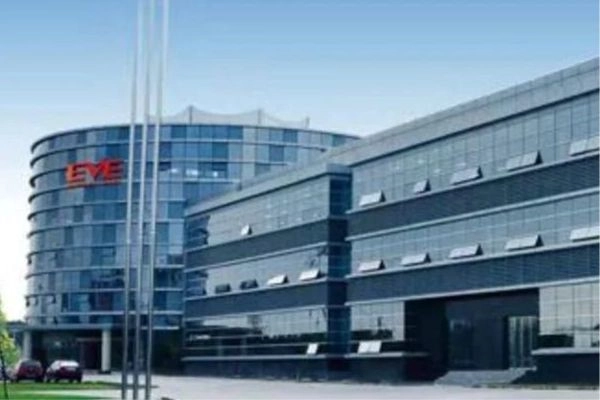
Best For: Cylindrical batteries and energy storage systems
Founded: 2001
Headquarters: Huizhou, China
Key Features
- Cylindrical lithium-ion batteries
- Lithium iron phosphate (LFP) batteries
- Energy storage battery systems
- Consumer electronics batteries
Technology & Innovation
EVE Energy has grown significantly in recent years and is now considered one of the top lithium battery manufacturing companies in China. The company focuses on:
- Cylindrical lithium-ion batteries (18650, 21700, 4680)
- Prismatic EV batteries
- Energy storage battery solutions
EVE Energy supplies batteries to:
- Electric vehicle manufacturers
- Power tool brands
- Consumer electronics companies
- Energy storage providers
The company has also invested heavily in 4680 cylindrical battery production, targeting next-generation EV applications.
Additionally, EVE Energy is expanding into large-scale energy storage systems, supporting renewable energy projects and grid storage.
Applications
- Electric vehicles
- Power tools
- Consumer electronics
- Energy storage systems
- Industrial equipment
What We Like
- Strong cylindrical battery expertise
- Growing global presence
- Large production capacity
- Diverse product portfolio
What Could Be Better
- Still expanding global recognition
- Heavy competition from larger manufacturers
Summary
EVE Energy is becoming one of the most important lithium battery producers, particularly in cylindrical battery technology and energy storage applications.
9. SK On
Best For: Automotive lithium batteries
Founded: 2021 (spin-off from SK Innovation)
Headquarters: South Korea
Key Features
- High-nickel NCM batteries
- Fast-charging battery technology
- Global manufacturing plants
Technology & Innovation
SK On focuses heavily on high-energy-density NCM batteries, targeting electric vehicles. The company has developed high nickel cathode batteries, which provide:
- Higher energy density
- Longer driving range
- Improved performance
SK On has also expanded manufacturing facilities in:
- United States
- Hungary
- China
- South Korea
The company supplies batteries to:
- Ford
- Volkswagen
- Hyundai
- Kia
Applications
- Electric vehicles
- Energy storage systems
What We Like
- Rapid global expansion
- Strong automaker partnerships
- High-performance battery technology
What Could Be Better
- Smaller production capacity than CATL and LG
- Focus mainly on automotive sector
Summary
SK On is one of the fastest-growing lithium battery producers, especially in the EV battery market.
10. Northvolt
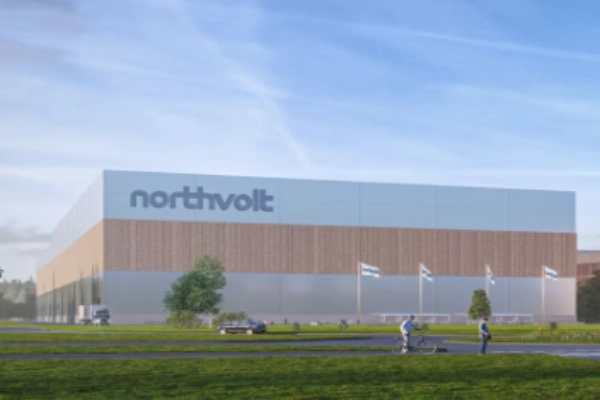
Best For: Sustainable battery manufacturing
Founded: 2016
Headquarters: Sweden
Key Features
- Sustainable battery production
- European gigafactories
- Recycled battery materials
Technology & Innovation
Northvolt is widely known for its sustainable battery production strategy. The company aims to produce batteries with:
- Lower carbon footprint
- Recycled battery materials
- Renewable energy manufacturing
Northvolt has partnered with:
- BMW
- Volkswagen
- Volvo
The company is also developing recycling technology, aiming to reuse battery materials.
Applications
- Electric vehicles
- Energy storage systems
- Industrial applications
What We Like
- Strong sustainability focus
- European manufacturing presence
- Growing automaker partnerships
What Could Be Better
- Still scaling production
- Newer company compared to competitors
Summary
Northvolt is considered Europe’s major battery challenger, focusing on sustainable battery production.
11. Ufine Battery
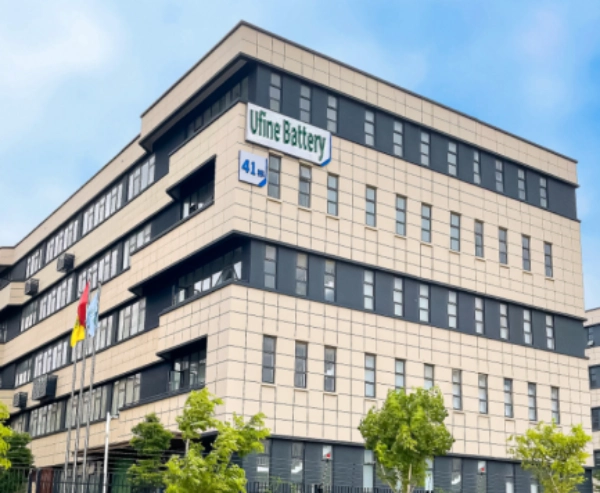
Best For: Custom lithium battery solutions
Founded: 2008
Headquarters: Guangdong, China
Key Features
- Lithium polymer batteries
- LiFePO4 batteries
- Cylindrical lithium batteries (18650, 21700)
- Custom battery pack design
- Low minimum order quantity
Technology & Manufacturing
Ufine Battery focuses primarily on custom lithium battery solutions rather than mass-market EV batteries. The company offers:
- Ultra-thin lithium batteries
- High discharge rate batteries
- Low-temperature batteries
- High-temperature batteries
- Small-sized custom battery packs
This flexibility makes Ufine Battery suitable for OEM and industrial applications where standard battery sizes are not suitable.
Applications
- Medical devices
- Consumer electronics
- IoT devices
- Industrial equipment
- Smart wearable devices
- Security equipment
What We Like
- Highly flexible customization options
- Wide battery chemistry selection
- Small order quantities available
- Fast prototyping capability
What Could Be Better
- Smaller production scale compared to global giants
- Limited brand recognition globally
Summary
While not as globally recognized as major battery manufacturers, Ufine Battery provides flexibility and customization advantages that larger companies typically cannot offer, making it suitable for specialized applications.
12. Envision AESC
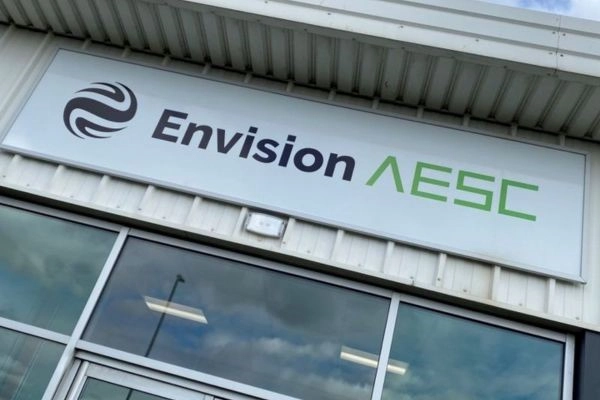
Best For: Automotive lithium batteries
Founded: 2007
Headquarters: Japan / China
Key Features
- Automotive battery systems
- Battery management systems (BMS)
- Global manufacturing
Technology & Innovation
Originally formed by Nissan and NEC, Envision AESC has developed high-reliability EV batteries used in:
- Nissan Leaf
- Renault EVs
The company focuses on:
- Battery safety
- Battery management systems
- Long cycle life
Applications
- Electric vehicles
- Energy storage
What We Like
- Proven EV battery experience
- Strong safety performance
- Global manufacturing
What Could Be Better
- Less visible innovation compared to CATL
Summary
Envision AESC remains a reliable automotive battery manufacturer with strong EV experience.
13. Sunwoda

Best For: Consumer electronics and EV batteries
Founded: 1997
Headquarters: Shenzhen, China
Key Features
- Consumer electronics batteries
- EV battery solutions
- Energy storage systems
Technology
Sunwoda supplies batteries to:
- Smartphones
- Laptops
- Electric vehicles
The company has expanded into EV battery manufacturing, targeting global automotive customers.
What We Like
- Strong electronics battery experience
- Expanding EV market presence
- Large production scale
What Could Be Better
- Less recognized globally
Summary
Sunwoda is growing quickly among battery manufacturing companies, particularly in electronics and EV sectors.
14. Toshiba
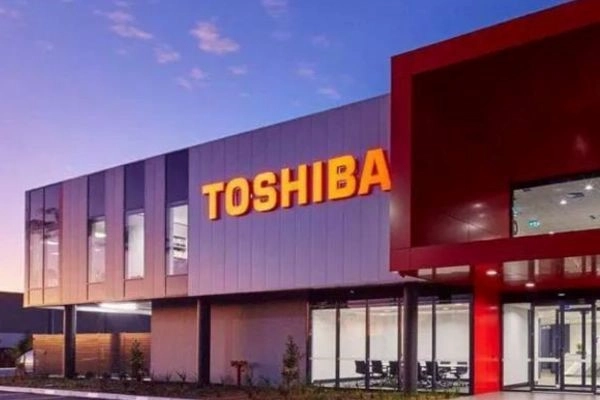
Best For: Fast-charging lithium batteries and long-life industrial applications
Founded: 1875
Headquarters: Tokyo, Japan
Key Features
- SCiB™ (Super Charge Ion Battery) technology
- Ultra-fast charging capability
- Long cycle life performance
- High safety and thermal stability
Technology & Innovation
Toshiba is widely known for its SCiB™ (Super Charge Ion Battery) technology, which differs from traditional lithium-ion batteries by using lithium titanate (LTO) anode materials instead of graphite. This design provides several advantages:
- Ultra-fast charging (as low as 6–10 minutes)
- Extremely long cycle life (up to 10,000+ cycles)
- High safety and thermal stability
- Strong low-temperature performance
Unlike high-energy-density batteries used in electric vehicles, Toshiba’s SCiB batteries prioritize:
- Reliability
- Safety
- Fast charging
- Long lifespan
Because of this, Toshiba batteries are often used in industrial and commercial applications rather than long-range EVs.
Toshiba has also been working on next-generation SCiB batteries, improving energy density while maintaining safety benefits.
Applications
- Electric buses and commercial vehicles
- Industrial equipment
- UPS systems
- Renewable energy storage
- Rail transportation
What We Like
- Extremely long cycle life
- Excellent safety performance
- Fast charging capability
- Reliable industrial-grade batteries
What Could Be Better
- Lower energy density compared to NCM batteries
- Limited adoption in passenger EV market
Summary
Toshiba remains one of the most reliable battery technology companies, particularly for fast-charging and long-lifespan battery applications. Its SCiB technology makes it ideal for industrial, transportation, and energy storage solutions.
15. Tianjin Lishen Battery
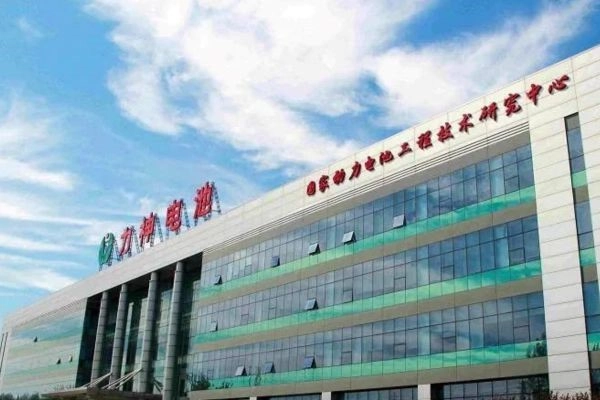
Best For: EV batteries and industrial lithium battery solutions
Founded: 1997
Headquarters: Tianjin, China
Key Features
- EV battery systems
- Cylindrical and prismatic batteries
- Energy storage batteries
- Long-cycle-life batteries
Technology & Innovation
Tianjin Lishen is one of China’s earliest lithium battery manufacturers, with decades of experience in lithium battery technology. The company produces:
- 18650 cylindrical batteries
- Prismatic EV batteries
- LFP battery systems
- NCM battery packs
Lishen supplies batteries for:
- Electric vehicles
- Consumer electronics
- Industrial equipment
- Energy storage systems
The company has also invested in high-energy-density batteries and fast-charging technologies, aiming to compete with other major lithium battery manufacturers.
Lishen is also expanding its global manufacturing footprint, including partnerships in Europe and North America.
Applications
- Electric vehicles
- Consumer electronics
- Energy storage
- Industrial equipment
What We Like
- Long industry experience
- Wide battery product range
- Growing EV battery presence
- Strong manufacturing capability
What Could Be Better
- Lower global visibility than top-tier competitors
- Facing strong competition in EV market
Summary
Tianjin Lishen remains a reliable lithium battery manufacturer with strong manufacturing capabilities and a growing presence in the EV and energy storage markets.
FAQs
1. What is the difference between a lithium battery manufacturer and a battery brand?
A lithium battery manufacturer is responsible for producing the actual battery cells or packs at scale, including the chemistry, design, and production process. A battery brand, on the other hand, may not manufacture batteries directly but instead integrates or rebrands battery systems into finished products like electric vehicles or consumer electronics. In many cases, large manufacturers supply batteries to multiple brands at the same time.
2. Why are most lithium battery manufacturers located in China, Korea, and Japan?
Most of the leading lithium battery companies are based in China, Korea, and Japan because these countries invested early in battery research, materials science, and electronics manufacturing. Over time, they built complete supply chains that include raw materials, cell production, and EV integration. This early advantage allowed them to dominate global battery production today.
3. What determines the quality of a lithium-ion battery?
The quality of a lithium-ion battery depends on several factors, including how much energy it can store, how many charge cycles it can handle, how safely it performs under heat or stress, and how consistently it is manufactured. In real-world applications, durability and thermal stability often matter just as much as raw capacity.
4. Why are some EV companies also producing their own batteries?
Some electric vehicle companies have started producing their own batteries to gain more control over cost, supply stability, and performance optimization. By integrating battery production, they can better tailor the battery design to the vehicle and reduce dependency on external suppliers, especially during periods of high demand or material shortages.
Related Tags:
More Articles
Best 24V Lithium Battery: Top 10 Compared
Discover the top 24V lithium batteries. We compare capacity, price, cycle life, safety features, and the best options for different applications.
Top LFP Cell Manufacturers in China You Should Know
Looking for reliable LiFePO4 cells? Explore China's top LFP battery manufacturers, key technologies, production capabilities, and supplier selection tips.
Check If Your Charger Works: Simple Test Guide
Think your battery charger's broken? Quick tests can show you for sure. See if it’s the charger or the battery that's causing issues. Read more.
Best Camera Batteries: 7 Brands Compared & Tested
Looking for the best camera battery? Compare 7 top brands, including OEM and third-party options, to find the right battery for your camera.
What You Need to Know About Portable Fan Batteries
Discover the best portable electric fan battery, its types, lifespan, and maintenance tips. Learn how to choose the right one and keep it running longer.